Category: Non-Video

  • Lessons Learned from Devastating Ice Storm Damage in Hazelnut

    Lessons Learned from Devastating Ice Storm Damage in Hazelnut

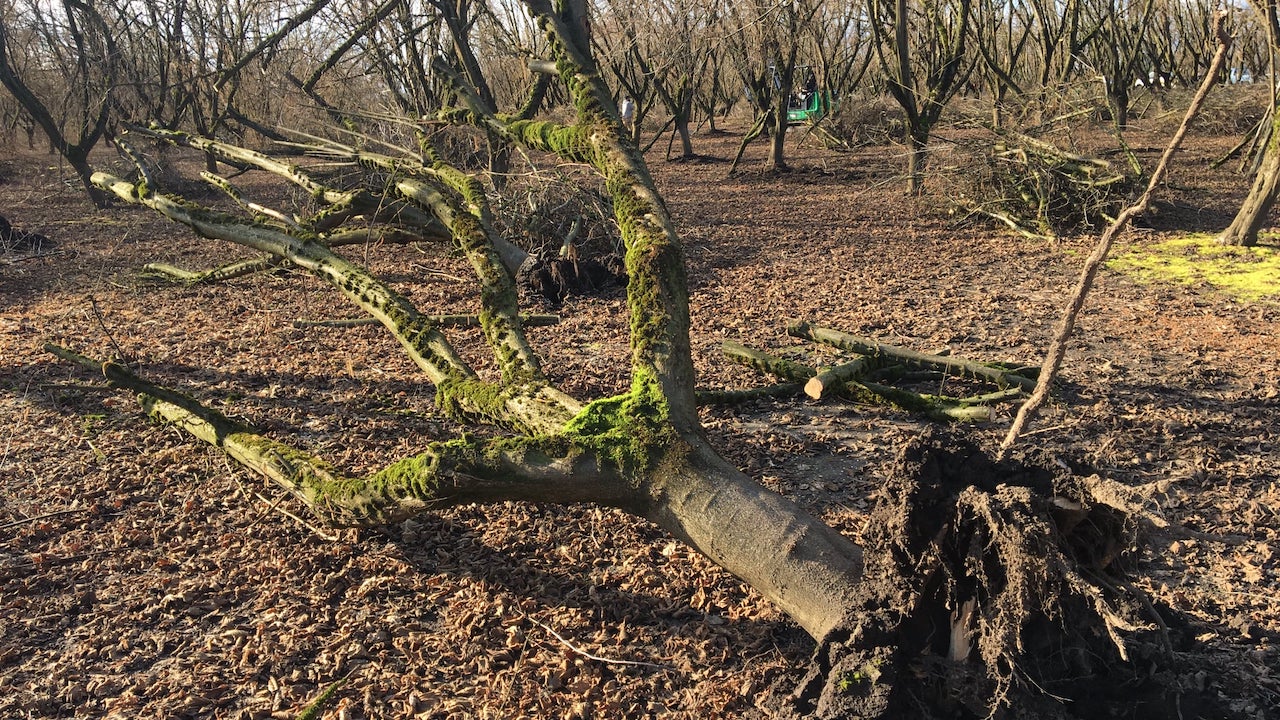
    Just within the last twelve months, oregon hazelnut growers have weathered wildfires, ice storms and heat waves. While some have been more impacted than others, there are some important lessons to be learned to prepare for future disasters which inevitably will occur. Watch this brief interview with OSU Hazelnut Extension Specialist Nik Wiman as he explains, and read more about it in Pacific Nut Producer Magazine. Don’t currently receive the magazine? Subscribe for free at: https://malcolmmedia.com/subscribe/
    Please thank this video’s sponsor George Packing Company for their industry support.


  • New Director Leaders at the Almond Board of California

    New Director Leaders at the Almond Board of California

    The new Board of Directors of the Almond Board of California (ABC) took their seats on Wednesday with five voting members – three of them new to the board – beginning new terms to help oversee ABC’s support of one of California’s most important agricultural crops.

    Board members, whose terms officially began Aug. 1, also elected Brian Wahlbrink as chair and George Goshgarian Jr. as vice chair.

    “This is a knowledgeable, talented board,” Wahlbrink said. “Our board members come from across our industry and around our state. They bring a great energy and an impressive range of experience, and we’re all eager to continue moving California almonds forward as one of the state’s most valuable and important crops.”

    The 10-member board of ABC has five grower members – three representing independent growers and two representing growers working with cooperatives – and five handler members, also with three independents and two co-op reps.

    The new grower representatives are:

    • Paul Ewing, an independent from RPAC Almonds in Los Banos. He was re-elected and takes a 1-year term.
    • Joe Gardiner, an independent from Treehouse California Almonds in Earlimart. He was an alternative on the previous board and takes a 3-year term.
    • Christine Gemperle, a co-op grower from Gemperle Orchards in Ceres. She was also a former alternate and takes a 3-year term.

    The new handler representatives are:

    • Darren Rigg, an independent handler from Minturn Nut Co in Le Grand. He was re-elected and takes a 1-year term.
    • Bob Silveria, an independent handler from Vann Family Orchards in Williams. He will serve a 3-year term.

    In addition, the board has five new alternates:

    • Brandon Rebeiro, an independent grower from Gold Leaf Farming in Modesto.
    • Chris Bettencourt, an independent grower from Westley.
    • Kent Stenderup, a co-op grower from Stenderup Ag Partners in Bakersfield and former chair of the ABC Board.
    • Dexter Long, an independent handler from Hilltop Ranch in Ballico. He was re-elected as an alternate.
    • Chad DeRose, an independent handler from Famoso Nut Co. in McFarland. He was also re-elected as an alternate.

    The ABC board sets policy and recommends budgets to the Secretary of Agriculture in major areas including production research, public relations and advertising, nutrition research, statistical reporting, quality control and food safety.

    About the Almond Board of California

    ABC is a Federal Marketing Order dedicated to promoting California almonds to domestic and international audiences through marketing efforts and by funding and promoting research about almonds’ health benefits, efficient and sustainable farming, food safety and more. ABC works on behalf of the more than 7,600 almond growers and processors in California, many of whom are multi-generational family operations.

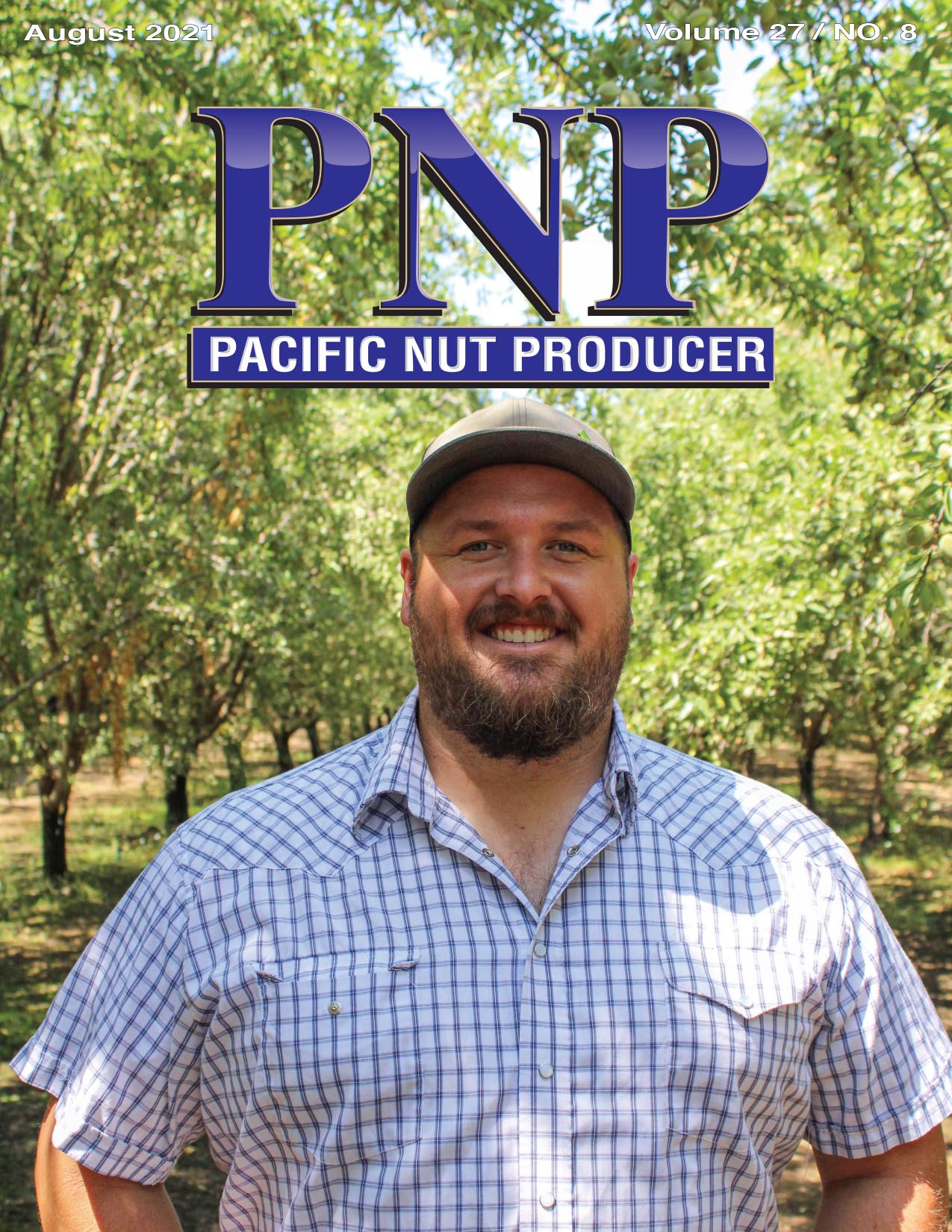
  • Pacific Nut Producer August Issue

    Pacific Nut Producer August Issue

    PNP821
    Pacific Nut Producer August Issue

    [btn btnlink=”https://malcolmmedia.com/order-a-back-issue/back-issue-pacific-nut-producer-magazine/” btnsize=”full” txtcolor=”#ffffff” color=”#FFF” bgcolor=”#492500″ btnnewt=”1″ nofollow=”1″]Order A Back Issue[/btn]

    [btn btnlink=”http://malcolmmedia.com/pacific-nut-producer-magazine-subscriptions/” btnsize=”full” txtcolor=”#ffffff” bgcolor=”#492500″ btnnewt=”1″ nofollow=”1″]Subscribe Free[/btn]
    [three_fifth_last]

    Contents of the August Issue:

    Ryan Valk Educates & Entertains
    Fifth Generation Farmer Connects Using Social Platform

    Pollination Points
    Considerations for Cover Crops in Drought Conditions

    August Orchard Tasks
    Almonds, Hazelnuts, Pecans, Pistachios, Walnuts

    [/three_fifth_last]

  • FARM Act Funding for Pilot Programs to Produce Biocarbon Products from Tree Nuts

    FARM Act Funding for Pilot Programs to Produce Biocarbon Products from Tree Nuts

    The Almond Alliance of California today commended Rep. Josh Harder (C-10) for including funding to support ten nationwide pilot programs to convert tree nut by-products into biocarbon products in the Future of Agricultural Resiliency and Modernization (FARM) Act.

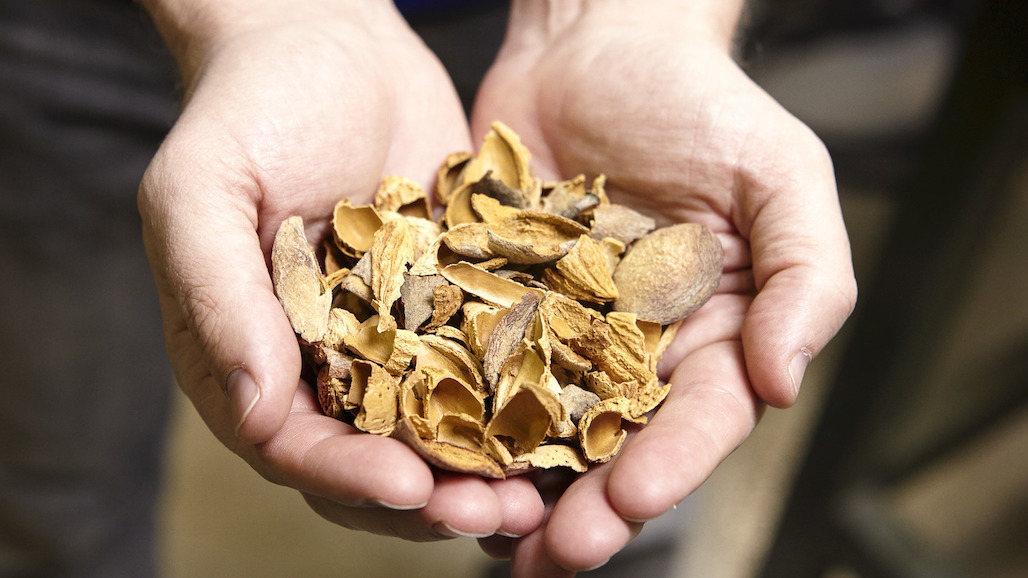
    Almond Alliance President Elaine Trevino explained that in California the funding will help accelerate efforts to develop new biofuels or other biocarbon products derived from almond harvest by-products.  For example, in a process called “pyrolysis” almond harvest by-products can produce biochar, a soil amendment with excellent carbon sequestration potential and syngas and bio-oils, which can be used directly to fire furnaces or more importantly as inputs to produce motor vehicle biofuels and other biochemicals.

    Trevino commented, “California’s almond growers are proud to be innovators who remain focused on sustainability and are constantly looking to put everything we grow to its highest and best use.  We expect that biofuels produced using California Grown almond by-products will become a major contributor towards meeting California’s carbon neutral goals.  We appreciate Congressman Harder’s ongoing support of almond growers and especially his inclusion of funding for pilot projects in the FARM Act that will catalyze development of climate-friendly biocarbon and biofuel products.”

    About the Almond Alliance

    The Almond Alliance of California (AAC) is a trusted non-profit organization dedicated to advocating on behalf of the California almond community. California almonds generate more than $21 billion in economic revenue and directly contribute more than $11 billion to the state’s total economy. California’s top agricultural export, almonds create approximately 104,000 jobs statewide, over 97,000 in the Central Valley, which suffers from chronic unemployment. The AAC is dedicated to educating state legislators, policy makers and regulatory officials about the California almond community. As a membership-based organization, our members include almond processors, hullers/shellers, growers and allied businesses. Through workshops, newsletters, conferences, social media and personal meetings, AAC works to raise awareness, knowledge and provide a better understanding about the scope, size, value and sustainability of the California almond community.

    For more information on the Almond Alliance, visit https://almondalliance.org/ or check out the Almond Alliance on Facebook, Twitter and Instagram.

  • Washington Issues Rules to Protect Farm Workers from Wildfire Smoke

    Washington Issues Rules to Protect Farm Workers from Wildfire Smoke

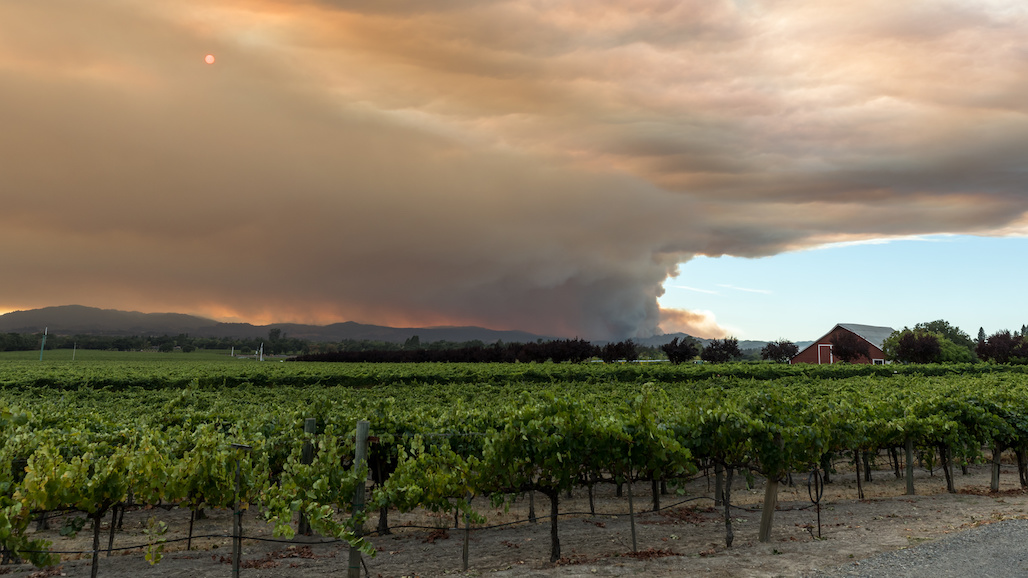
    Washington is under a state of emergency, with more than 600 wildfires reported already this year. That’s about double the normal rate, according to the state Department of Natural Resources. Where there’s fire, there’s smoke that can expose outdoor workers in construction, agriculture, and other jobs to health risks from breathing particulate matter in the air.

    To help these and other workers, the Department of Labor & Industries (L&I) filed emergency rules today to help protect employees exposed to wildfire smoke. Washington is just the second state to issue regulations regarding workers and wildfire smoke. California was the first, adopting its rules in 2019.

    “This wildfire season is shaping up to be even worse than last year,” said L&I Director Joel Sacks. “We’re establishing these emergency rules to protect employees who have to work outside, breathing in smoky air all day long.”

    Smoke from wildfires contains chemicals, gases, and fine particles that can harm health. The most concerning hazard is associated with the smallest particles, or Particulate Matter (PM), that are less than 2.5 micrometers (PM 2.5). These particles can get deep into the lungs, worsening existing health conditions like asthma, negatively impacting heart health, and increasing the risk of death.

    The new wildfire smoke rules spell out to employers how to identify harmful smoke exposure risks and when to notify their workers. They also require employers to:

    • Train employees and supervisors about wildfire smoke;
    • Ensure employees showing symptoms of wildfire smoke exposure are monitored and receive medical care when necessary; and,
    • Take actions to eliminate or reduce exposures to wildfire smoke where feasible, when levels of particulate matter are high.

    The rule sets the standard for dangerously poor air quality at PM 2.5 concentrations of 55.5 micrograms per cubic meter (μg/m3) or an Air Quality Index (AQI) of 151.

    Measures to eliminate or reduce worker exposure may include:

    • Moving work to enclosed buildings, structures, or vehicles where the air is adequately filtered;
    • Moving employees to areas with lower smoke exposure;
    • Reducing work intensity;
    • Providing additional rest periods; and,
    • Providing employees with respirators, such as an N95 or a KN95 disposal mask at no cost for voluntary use when levels of particulate matter are high.

    Although not required, L&I also recommends employers take action to reduce employee exposure to dangerous air at even lower levels of particulate matter, especially for sensitive groups with asthma or other lung conditions.

    Monitoring air quality
    The emergency wildfire smoke rules include several ways employers can check PM 2.5 levels. They can check sites including the EPA’s AirNow website or state Department of Ecology’s Air Monitoring Network and download mobile apps like “EPA AirNow” or “Air Quality WA.” They can also purchase equipment to check it themselves.

    What’s next
    The emergency rules are in effect immediately (July 16, 2021); employers will be given a brief grace period before enforcement begins.  
    L&I gathered stakeholder input and referenced California’s regulations to develop the emergency wildfire smoke rules. L&I will announce opportunities to provide input on permanent rules in the coming months.

  • Third Edition of NMSU’s Extension Troublesome Weeds Publication Now Available

    Third Edition of NMSU’s Extension Troublesome Weeds Publication Now Available

    The third edition of a booklet to help identify noxious and invasive weeds in New Mexico is now available.

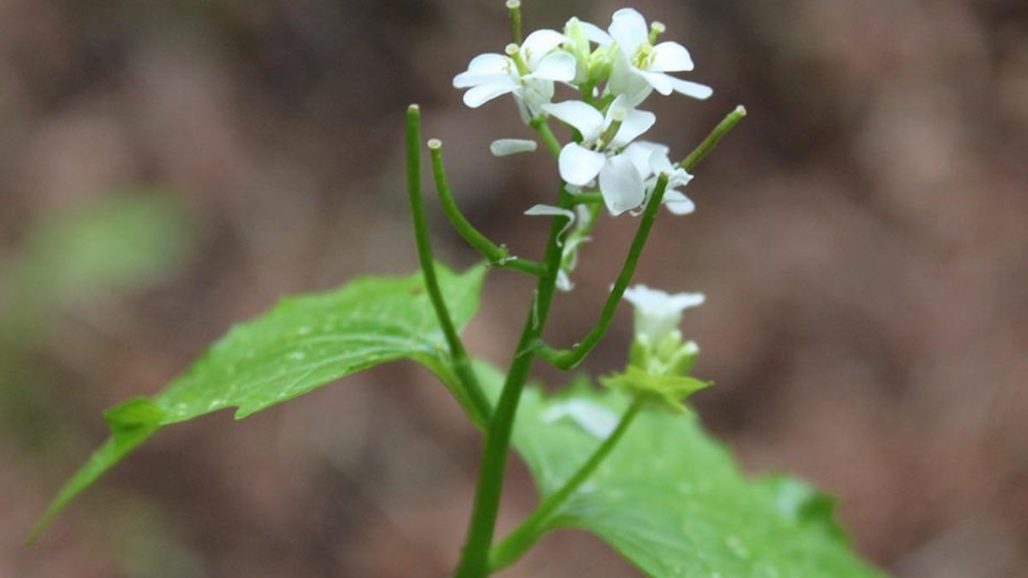
    “Noxious and Troublesome Weeds of New Mexico” provides information on about 67 plant species that are ranked in five categories – noxious weeds categories A, B and C, watch list, and troublesome weeds not included on the noxious weeds list.

    New Mexico State University’s College of Agricultural, Consumer and Environmental Sciences Cooperative Extension Service has published the third edition of this booklet in cooperation with the New Mexico Department of Agriculture, Bureau of Land Management, U.S. Forest Service, New Mexico Vegetation Management Association, U.S. Department of Agriculture and New Mexico State Highway and Transportation Department.

    “It has been more than a decade since the booklet was updated,” said Leslie Beck, NMSU Extension weed specialist. “We tried to include a wide spectrum of plants within different families so when people use the booklet, they will have a starting point for identification.”

    The booklet includes species common and scientific name with description of the plant, including its stems, leaves and flower appearances; various names it is known as; how it reproduces; and the do’s and don’ts for managing the plants.

    “The state map has been updated to indicate which counties each species is found,” Beck said. “Also we have included photos of each of the plants to help with the identification.”

    First published in 2006, and revised in 2010, “Troublesome Weeds of New Mexico” has been a popular tool for identifying the plants.

    “Since the last revision a lot of the species have shifted into new noxious weed categories, or the plant may have been taken off or added to the list,” Beck said.

    The 41 noxious species are divided into three categories in regards to how prevalent they are across the state from currently limited distribution, to severe infestation, to widespread.

    Six species that have the potential of becoming problematic are on the watch list.

    “This is the part of the publication that has changed the most,” Beck said. “More data is needed to determine if these species should be considered a problem. We ask people to document the location of these plants and contact appropriate authorities, such as their local county NMSU Extension offices or NMDA.”

    In addition to the noxious weed and watch list species, the 2021 edition includes 20 species that are considered troublesome weeds.

    “These are plants that have been commonly observed as invaders of multiple cropping systems, such as landscapes, gardens, agriculture, rangelands and pastures,” Beck said. “They may be native to the Southwest but commonly invade certain cropping systems as a weed.”

    This list does not include every plant species with the potential to negatively affect the state’s environment or economy.

    “These species were selected because they have frequently been sent to me for identification,” Beck said. “Some of them are a little bit more common than others.”

    The PDF version of the publication is available at https://aces.nmsu.edu/pubs/_circulars/CR698.pdf. A printed copy of the booklet, sized to fit in a back pocket, will be available soon. — By Jane Moorman, New Mexico State University
  • American Pistachio Growers Kicks Off New Facebook Live Series

    American Pistachio Growers Kicks Off New Facebook Live Series

    American Pistachio Growers (APG), armed with voluminous data that pistachios are packed with a multitude of benefits for active bodies and minds, is inaugurating a new 2021-22 Facebook Live Series — Friday Fuel-Up with Dr. Mike Roussell — to engage some of the most energetic and interesting people in the world with the question, What fuels you? The monthly series, which debuts August 6 and continues the first Friday of every month, is hosted by nutritionist Dr. Mike Roussell, a noted author and nutrition advisor to Men’s Health Magazine.

    “I’m ecstatic about the opportunity to bring to online audiences conversations with some of the world’s top athletes, adventurers and authorities in key areas of life,” said Roussell. “Well delve into their mindset, what drives them to succeed in their field, as well as the physical aspect of fueling success. In all episodes, there should be key takeaways that any listener can apply to their own life.”

    The first eight months’ line-up of guests reads like a page out of Who’s Who. His first guest on August 6 is Luke Coutinho, a globally renowned holistic lifestyle coach and best-selling author, based in India, who’s known for his take on Eastern philosophy, nutrition and practices that also incorporate well into Western lifestyles.

    The balance of the 2021 line-up includes: Scott H. Smith, PhD., Nutritionist and Manager for Nutritional Biochemistry for NASA’s Johnson Space Center, September 3; renowned Big Mountain snow boarder and National Geographic Adventurer of the Year Jeremy Jones, October 1; two-time Olympic gold medal-winning British triathlete Alistair Brownlee, November 5; and Bryan Snyder, Director of Nutrition for the Denver Broncos, December 3.

    For 2022, Roussell will welcome 2021 Iditarod champion Dallas Seavey, January 7; Vicky Losada, international soccer star and leading advocate for womens’ and girls’ sports, February 4; and pro quarterback Josh Allen, March 4.

    Audiences can join the conversations LIVE between Roussell and Coutinho on August 6 at 10 a.m. PST at Facebook.com/AmericanPistachios, the same time and place for all subsequent episodes in this first Friday-of-the-month series. Recorded programs will also be available on Instagram and YouTube.

    “People who are physically and mentally active will find these guests fascinating, as they discuss what fuels their goals and their achievements,” said Judy Hirigoyen, Vice President of Global Marketing at American Pistachio Growers. “We’re proud to sponsor this effort and engage consumers in the dialogue. Those using the live chat feature on FB Live will have the opportunity to win serious swag,” she added.

    American Pistachio Growers is a non-profit trade association representing more than 865 members of the pistachio growing communities in California, Arizona, and New Mexico. 

  • American Farmland Trust Shares Soil Health Economic Calculator with Customized Almond Version

    American Farmland Trust Shares Soil Health Economic Calculator with Customized Almond Version

    Today, American Farmland Trust, the organization that for 40 years has been saving the land that sustains us and advancing the principles of regenerative agriculture shares an updated AFT’s Retrospective Soil Health Economic Calculator (R-SHEC) Tool, providing farmers and the conservation community a means of evaluating the return on investment (ROI) of soil health conservation practices with 2020 price and crop data. The previous version of the tool used 2019 information. This updated pricing allows farmers to obtain a more accurate picture of the costs and benefits of their investments in soil health.

    Impacts of climate change on agriculture and the need for farms to become more resilient to extreme weather are more obvious than ever before. In addition, society is asking farmers to improve environmental outcomes of agriculture, including impacts to water quality and wildlife habitat and to sequester carbon in their soils to mitigate climate change.  Soil health practices like cover crops, no-till, nutrient management and conservation crop rotation can help address these challenges. However, despite farmers’ belief in the science underpinning the practices, they are often reluctant to change management techniques without knowing how much the practices will cost and what the financial benefits will be.

    The R-SHEC Tool is part of a comprehensive set of resources available online and free of charge from AFT on the Soil Health Case Study Methods and Took Kit webpage. The methods, tools and training resources provided are those used by AFT in developing case studies featuring soil health successful farmers in its Quantifying the Economic and Environmental Benefits of Soil Health project funded by a USDA Natural Resource Conservation Service Conservation Innovation Grant. The Tool Kit materials have all been updated for this re-release. The R-SHEC Tool allows evaluation of soil health practices adopted by row crop farmers (corn, soybeans, wheat and hay) for more than four years and within the last 15 years. The tool presents the net economic benefits in a partial budget analysis table and includes an estimate of the ROI in the soil health practices.

    In addition to updating price and cost data in the tool, AFT is releasing a customized almond version to estimate the economic effects of almond-specific soil health practices such as conservation cover, nutrient management, mulching and compost application. AFT believes the Almond R-SHEC Tool is very relevant at this time given the water struggles in California, a key almond producing region and almonds being a high-water use crop.  In 2018, AFT worked with Almond Farmers Tom and Dan Rogers and found they experienced a 25 percent reduction in irrigation water use which they attribute to the increased water holding capacity from the soil health practices used on their farm.

    The next phase of this work, a Predictive Soil Health Economic Calculator (P-SHEC) Tool will enable conservationists to partner with farmers who are “on the fence” about soil health practices to estimate the potential short and long-term economic effects of an investment in practices, hopefully giving the farmers the information they need. This tool will be previewed at the Soil and Water Conservation Society Annual Conference to be held virtually on July 26-28, 2021. Interested parties should sign up for Workshop 2 to learn about P-SHEC. The tool will not be released publicly until the fall.

    “AFT encourages our fellow conservationists to use this suite of resources and the new R-SHEC Tools released today to produce their own case studies demonstrating the economic and environmental benefits of soil health,” said Michelle Perez, AFT Water Director. “Our hope is that farmers who have been considering adopting soil health practices will find the economic evidence quantified for a farmer in their area sufficiently compelling to get them to ‘say yes’ to trying soil health practices themselves.”

    American Farmland Trust is the only national organization that takes a holistic approach to agriculture, focusing on the land itself, the agricultural practices used on that land, and the farmers and ranchers who do the work. AFT launched the conservation agriculture movement and continues to raise public awareness through our No Farms, No Food message. Since our founding in 1980, AFT has helped permanently protect over 6.8 million acres of agricultural lands, advanced environmentally-sound farming practices on millions of additional acres and supported thousands of farm families.

  • USDA-NASS Projects Smaller Crop for California Almonds

    USDA-NASS Projects Smaller Crop for California Almonds

    Almond Board of California — The California Almond Objective Measurement Report, published Monday by the United States Department of Agriculture-National Agricultural Statistics Service (USDA-NASS), estimates that the 2021 crop will come in at 2.8 billion meat pounds, 10 percent below last year’s record of 3.1 billion pounds. (Editor’s Note: The steep decline in production this year comes as a big surprise with the May subjective forecast suggesting a larger crop at 3.2 billion pounds)

    The drop comes during a very difficult water year across California and at a time when the almond industry is navigating a complex market with record shipments but with returns to growers down from recent years.

    “The report still forecasts a really large crop, and it’s further proof that California is an ideal place to grow almonds, even in difficult times,” said Kent Stenderup, Chair of the Almond Board of California (ABC) Board of Directors. “It’s also a testament to the hard work of growers and their efforts to improve stewardship practices and meet the demands of consumers despite the hurdles we’re facing this year.”

    The 2021 Objective Report’s forecast is 13 percent below the 2021 California Almond Subjective Forecast in May of 3.20 billion pounds. The forecast for the average nut set per tree is 4,619, down 18 percent from the 2020 almond crop. The Nonpareil average nut set is 4,512, down 20 percent from last year’s set. The average kernel weight for all varieties sampled was 1.46 grams, down 3 percent from the 2020 average weight.

    “Shipment numbers show that the demand for California almonds continues to increase both in the U.S. and around the world,” said Almond Board President and CEO Richard Waycott. “The strong forecast means the California almond industry will keep up with that growing global demand with a steady supply of high quality almonds. With such strong demand, competition for the 2021 crop could lead to a much needed increase in the return to growers, which is currently below the cost of production due to the recent record crop.”

    ABC’s June 2021 Position Report showed that both exports and total shipments increased the records set in May for a single crop year, while shipments within the U.S. are on pace for a record year. Through June, total shipments reached 2.67 billion pounds. The crop year ends July 31.

    USDA-NASS conducts the annual Objective Report, Subjective Forecast and Acreage Report to provide the California almond industry with the data needed to make informed business decisions and it thanks all farm operators, owners and management entities for their time providing the information necessary to create these reports. These reports are the official industry crop estimates.

    About the Almond Board of California

    Almonds from California are a healthy, natural, wholesome and quality food. The Almond Board of California promotes almonds with a research-based approach to responsible farming, production and marketing on behalf of the more than 7,600 almond growers and processors in California, many of whom have third- and fourth-generation family operations. Established in 1950 and based in Modesto, California, the Almond Board of California is a non-profit organization that administers a grower-enacted Federal Marketing Order under the supervision of the United States Department of Agriculture. For more information on the Almond Board of California or California almonds, visit Almonds.com.

  • Agricultural Organizations Demonstrate Alternatives to Agricultural Burning

    Agricultural Organizations Demonstrate Alternatives to Agricultural Burning

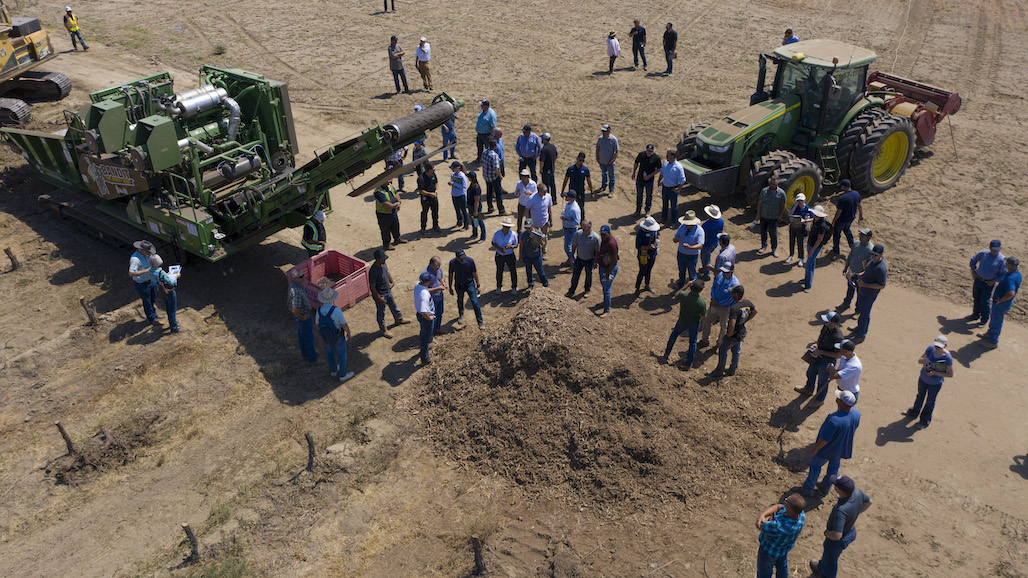
    On June 29, Nisei Farmers League, along with other agricultural organizations, held an in-person demonstration pilot project at a vineyard in Madera County to display alternatives to agricultural burning. The project is looking for cost-effective solutions to orchard and vineyard removals due to most agricultural burning being phased out by December 31, 2024, as passed earlier this year by the California Air Resources Board (CARB).

    Participating in the event were Jared Blumenfeld, Secretary of Cal-EPA; Carlos Suarez, State Conservationist for USDA-NRCS; Richard Corey, Executive Officer for California Air Resources Board; Samir Sheikh, Executive Director and Air Pollution Control Officer for the San Joaquin Air Pollution Control District (SJVAPCD); Dr. Tania Pacheco- Werner, CARB and SJVAPCD board member; Fresno County Supervisor Buddy Mendes, as well as SJVAPCD board member; Madera County Supervisor Tom Wheeler, as well as SJVAPCD board member; and City of Los Banos Mayor Pro Tem Deborah Lewis, as well as SJVAPCD board member.

    Equipment demonstrated included:

    • An air curtain burner built by AirBurners. This machine utilizes a constant stream

      of air on the top of the wood waste to push emissions/smoke back into the fire to

      reburn, which significantly reduces particulate matter.

    • A horizontal grinder, provided by Bandit Industries, that chips wood debris and

      can remove metal, including wire, from the material.

    • A vineyard mulcher, built by Seppi, which drives over the top of the vine and

      mulches it back into the soil.

    • A mobile grinder that would grind trees, brush and vines (material that does not include metal.)

      Other equipment used in the demonstration process included excavators, tree grapple machines, and log and brush loading equipment.

      With some agricultural entities losing the ability to burn by December 31 of this year, finding economical alternatives quickly has become a top priority. Agricultural organizations are working with the SJVAPCD and CARB to locate and distribute funds for these alternative methods. All the demonstrated alternatives are many times more expensive than open burning because of the additional labor and equipment needed.

    Agricultural groups sponsoring the event included: Fresno County Farm Bureau; Allied Grape Growers; California Fresh Fruit Association; California Cotton Ginners and Growers; Western Agricultural Processors Association; and

    Nisei Farmers League. Other participating agricultural groups included: Sun-Maid Growers of California, Madera County Farm Bureau, Tulare County Farm Bureau, Raisin Bargaining Association and Milk Producers Council.

    Equipment being demonstrated was provided by Shawn Sage, Cal-Line Equipment and Bandit Enterprises; Ed Martinez, Mowbray’s Tree Service; John Yergat, JFS Enterprises; and Jordan Harris, Seppi Subsoiler. Special thanks to these companies and their employees.

    Local chippers and grinders participating included: Bill Boos of William Boos and Company; Lionudakis Orchard Removal; and Myron and Ryan Liebelt.

    Special thanks go to Samir Sheikh and his staff at the SJVAPCD for helping with the demonstration, the documentation and acquiring the funding needed to make the alternatives available to growers in the San Joaquin Valley.

    Lastly, a special thanks to Daniel Hartwig and Woolf Farms for providing the vineyard site.

    Nisei Farmers League will continue seeking viable alternative to agricultural burning over the coming months.