Category: Non-Video

  • Nut Products Market Outlook and Opportunities in the Post Covid Recovery (2021 – 2028)

    Nut Products Market Outlook and Opportunities in the Post Covid Recovery (2021 – 2028)

    The global Nut Products market is poised to register optimistic growth rates throughout 2021 and 2022 as positive momentum builds in the world economy, though some differences remain among geographies. The pace of change will accelerate in the Nut Products industry and companies quickly re-aligning their strategies will emerge stronger from the unprecedented changes. However, the COVID-19 pandemic remains a major threat for most Nut Products market outlook in addition to concerns of inflation, supply-chain disruptions, and weak consumer demand.

    The Nut Products market report analyzes companies, market size outlook across types, applications, countries along with competitive strategies, trends, drivers, opportunities and market developments. The base year for the study is 2020 and the forecast period is from 2021 to 2028.

    Global Nut Products Market- Post COVID-19 Recovery Scenarios and Impact Analysis

    The COVID-19 pandemic had a significant impact on the regional and country-level Nut Products markets worldwide. The report presents three outlook scenarios for the global Nut Products market size for 2021 and 2022.

    • Low Growth: Economic recovery will be slow, supply-chain disruptions continue to pose challenges, and consumer demand remains weak.
    • Medium Growth: Economic recovery will be fast, supply-chain disruptions continue, and consumer demand recovers moderately.
    • High Growth: Rapid economic recovery, supply-chain disruptions handled, and consumer demand will be strong

    The outlook for economic progress across most countries is optimistic for 2021. Assuming localized recurrences of the Coronavirus, economic growth accelerates in the second half of 2021, and consumption returning to pre-pandemic levels in 2021, Chinese real GDP growth is estimated at 7.9% and 8.4% in 2021 and 2022 respectively. Similarly, the US is likely to register 4% growth in 2021 and 3% in 2022 while the European real GDP growth is estimated at 2.7% for 2021 and 5.1% for 2022.

    Nut Products Market Driving Factors, Restraints, and Opportunities

    The global Nut Products market has significant market potential and offers diverse opportunities across countries. Strategic and financial investors are racing to capture the strong potential in the industry. In this report, we examine the main Nut Products trends that will likely influence the future of Nut Products markets. The Nut Products report also identifies promising investment opportunities and offers a view of how players might successfully pursue them. The pandemic led to a widening divide between rural and urban communities, and companies must overcome challenges in the Nut Products industry. Acting with determination and speed is one of the critical success factors in the near to medium future. Detailed analyses of challenges faced by Nut Products companies operating in the market are included in the report.

    Nut Products Market Segmentation Analysis and Outlook

    The report scope encompasses major Nut Products types and major Nut Products applications worldwide and presents a detailed analysis and outlook of each specific Nut Products type and application. Forecasts of individual types and applications are provided at the global level and also analyzed for North America, Europe, Asia Pacific, Latin America, Middle East, and Africa. In each region, the largest and fastest-growing market types and applications are analyzed. The base year is 2020 and the forecast period is from 2021 to 2028 for all segments.

    Geographic Analysis: Asia Pacific countries are among the fastest-growing markets globally

    We hold an optimistic outlook for both the consumption and market size outlook for Asia Pacific countries. With most countries in the Asia Pacific witnessing their currencies appreciate against the US dollar over 2021, the short-term outlook remains robust across markets. Further, over the long run, driven by attractive demographics profile in the Asia Pacific and an increasing number of middle-to-upper income households, countries in the Asia Pacific Nut Products market will register a strong growth outlook throughout the forecast period. Consumers are also quickly re-prioritizing their spending away from essentials, which will support the Nut Products market growth in the Asia Pacific.

    In addition to the Asia Pacific, the report also analyzes the short-term and long-term outlook of North America Nut Products market, Europe Nut Products market, Latin America Nut Products market, Middle East, and Africa Nut Products markets. Countries covered in the scope of the Nut Products study include United States, Canada, Mexico, Brazil, Argentina, Germany, United Kingdom, France, Spain, Italy, China, India, Japan, South Korea, Middle East, Africa, and others.

    Competitive Landscape: Nut Products Market Companies

    The global Nut Products market is facing intense competitive conditions as more companies continue to target specific customer bases. The recovery from the pandemic is not uniquely spread across geographies and accordingly, most companies are opting for focused strategies to localized market conditions since the start of the pandemic. For instance, the majority of European consumers continue to emphasize seeking brands with strong purpose and good values while there has been a fundamental shift from essential goods in some Asia Pacific markets. The report analyses five leading Nut Products companies including their business operations, SWOT Analysis, and financial profile.

    Scope of the Nut Products Study

    • Historic and Forecast period considered for the study is from 2018 to 2028
    • Base Year for the study is 2020, while the forecast period is from 2021 to 2028
    • The Nut Products market size is presented in value terms, in US Dollars
    • Strategic Analysis Review including Trends, Drivers, Restraints, Key competitive strategies, and porter’s five forces analysis
    • Segments covered include types, applications, and countries/regions
    • Nut Products Countries covered include US, Canada, Mexico, China, India, Japan, South Korea, Germany, United Kingdom, France, Spain, Italy, Brazil, Argentina, Other Asia/Oceania, Other Europe, Other Latin America, Middle East, Africa, and others
    • Nut Products Companies including five key players in the industry and their business overview, SWOT, and financial profiles are detailed.

    Key questions answered

    • What are the possible scenarios of Nut Products market growth outlook in the post-pandemic period?
    • Who are the major end-user industries of Nut Products?
    • The impact of buyer and supplier bargaining power, the threat of new players and substitutes, and competitive rivalry?
    • Which countries will gain market size in the medium to long term future?
    • What are the promising trends and drivers of Nut Products markets?
    • Who are the leading players and how is the competition?

    For more information please click on:
    Nut Products Market Outlook and Opportunities in the Post Covid Recovery (2021 – 2028)

  • China Tree Nut Production & Import Forecast

    China Tree Nut Production & Import Forecast

    Awareness over the health benefits of tree nuts has increased consumer demand over the past five years. Manufacturers are developing creative products to meet demand from millennial and other consumers. Almond imports in Marketing Year (MY) 2021/22 are expected to continue rebounding on firm demand in the post COVID-19 pandemic era. Despite a projected increase in pistachio imports from the United States, overall pistachio imports are likely to drop in MY 2021/22 due to a sharp decline in Iranian supplies. Walnut imports from the United States are projected to decline in MY 2021/22 due to price hikes amid a smaller crop. China’s commercial in-shell walnut production is forecast at 1.1 MMT in MY2021/22, unchanged from the previous year. Tree nut imports may be affected by new registration and labeling requirements.

    Production

    Walnuts

    China’s commercial walnut production (in-shell basis) is forecast at 1.1 million metric tons (MMT) in marketing year (MY) 2021/22 (September-August) and is unchanged from estimated MY 2020/21 walnut production. A spring frost may cut production in Xinjiang, the largest walnut producing province, by 20 percent from last year, but production gains in other major producing provinces, including Yunnan, the second largest walnut producer, are expected to offset the crop losses in Xinjiang. China is the world’s largest walnut producer, with nearly half of global production.

    China’s total walnut production will continue to increase in the next few years as more walnut trees mature, but the degree to which these nuts enter commercial channels is dependent on price. China’s total walnut production is unknown but is significantly higher than commercial production. Many walnut trees were planted on slopes, are of unpopular varieties, and are difficult to maintain or mechanically harvest. With low prices, walnut traders believe farmers will not be able to cover the labor cost to harvest these trees. In southern Xinjiang, however, walnuts are planted on plains and production is largely mechanized. Coupled with improved infrastructure, Xinjiang walnut production has increased rapidly over the past few years and the province will become the most important hub for the Chinese walnut industry.

    More than 50 walnut varieties are cultivated in China. Some varieties, like the thin-shelled ones from Xinjiang, are large-sized and have a high kernel to in-shell nut ratio. Nevertheless, very few varieties compete with those from the United States and Chile, such as Chandler and Hartley, that are popular among consumers for their features such as light color and mild (i.e., non-bitter) taste. Post has not heard of similar varieties being developed or planted in China.

    Almonds

    China’s shelled almond production is forecast at 42,000 MT in MY 2021/22 (August-July), down nearly 7 percent from the previous year, due to frost damage during almond flowering in the spring, according to contacts in Xinjiang. Shache county in southern Xinjiang produces more than 95 percent of the country’s almonds. The almond yield is low at 3.0-3.8 MT per hectare due to a lack of proper crop management and agricultural inputs as well as the use of unproductive varieties. As a result, Xinjiang almonds are sold mainly within the region. China relies heavily on imported almonds for domestic consumption.

    Almond acreage remains stable at around 63,000 hectares in Xinjiang. A private company in central Henan province has reportedly planted around 50 hectares of almonds for experimental purposes. It remains to be seen whether this trial production can be successful. 

    Pistachios

    China produces very few pistachios. The experimental production of pistachios in Xinjiang was unsuccessful due to weather and disease challenges. Farming technology is another issue associated with pistachio production in China.

    Other nuts-Macadamia, Hazelnut, and Pecan

    China’s in-shell macadamia nut production is forecast at 32,000 MT in MY 2021/22 (September- August), with an additional 9,600 MT of shelled macadamia nut production, according to data released by the International Nut and Dried Fruit Council (INC). The in-shell and shelled production amounts are increases of 5 and 9 percent, respectively, from the previous year. The production of macadamia nuts has increased rapidly over the past few years on expanded crop area, which is currently estimated at 31,000 hectares, according to industry sources. Macadamia nuts are mainly planted in mountainous areas of Yunnan province and plains of Guangxi province. Industry sources indicate that China will soon become self-sufficient in macadamia nuts and even a significant exporter in the foreseeable future. However, they also note that Chinese macadamia nut varieties – mainly introduced from other countries – suffer from low yields and mixed quality.

    China’s production of commercially cultivated hazelnuts (hybrid varieties with large size) has increased quickly, with production reaching 35,000 MT (in-shell basis) in MY 2021/22 (September-August) on a planted area of 112,000 hectares, according to an industry report. Hybrid hazelnuts are planted in Liaoning, Jilin, Heilongjiang, Shandong, Inner Mongolia, and Hebei provinces. China also produces wild hazelnuts (of smaller size), and the production and crop area is quite stable. In MY 2021/22, production of wild hazelnuts is forecast at 33,000 MT on 88,000 hectares, according to the report. Wild hazelnuts are produced mainly in Liaoning province.

    Pecan production (in-shell basis) is forecast at 4,000 MT in MY 2021/22 (September-August), doubled from the revised production of 2,000 MT in MY 2020/21, according to an academic report. Pecan production is expected to continue increasing as more trees begin to bear. The report estimates China’s pecan planted area, which is mainly in Anhui, Yunnan, and Jiangsu provinces, at 80,000 hectares in 2021, but pecan acreage is unlikely to increase following guidelines issued in November 2020 by the State Council to prevent expansion of non-grain crop areas on arable land.

    Price

    Walnut harvest has just begun. The farm gate price for in-shell walnuts is currently RMB 10.5 per kilo (U.S. $1.64) in Yunnan, down nearly 20 percent from the same period of last year, according to Yunnan traders. In Xinjiang, the best-selling variety (No.185) is currently sold at RMB 16.3 per kilo (U.S. $2.55), an increase of more than 9 percent from the same period of last year due to reduced supplies, according to local traders. In general, China’s walnut prices have been declining along with production increases. In-shelled almonds are sold at RMB 40 per kilo (U.S. $6.25) at Xinjiang farms, an increase of 5 percent on a yearly basis, according to media reports.

    Consumption

    Tree nuts are generally consumed as snacks in China. “Daily nuts”, a mixture of different nuts, dried fruit, and seeds in retail packages, have become the principal pattern of nut consumption in China. The per capita consumption of tree nuts, which used to be luxury foods, is still low compared with the level in western countries. In recent years, tree nuts have quickly become a necessary component of the diet for urban consumers, as awareness of the nutrition and health benefits of tree nuts increased. This is particularly true following the outbreak of COVID-19 – as people believe that tree nuts will help them build a stronger immune system. According to a market survey of consumers aged 18-49 in early 2021, about 67 percent of consumers will choose healthier food and 47 percent of consumers hope to eat foods that reduce the risk of having diseases such as diabetes and hypertension. Tree nuts are considered an ideal food product to satisfy the above-mentioned needs.

    The food processing sector also consumes a small portion of tree nuts. Bakery and confectionary sectors are typical consumers of tree nuts. In addition to traditional products such as walnut milk and moon cakes with nut and seed stuffing, newly developed nut-containing products such as nut bars and meal replacement bars (and balls) have emerged. As more products using tree nuts as ingredients are developed nut consumption will expand further.

    Policy

    The State Council Tariff Commission (SCTC) launched a tariff exclusion process on March 2, 2020, to allow importers to apply for tariff exclusions on certain agricultural products, including tree nuts, from the United States. If an exclusion application is approved, the Section 301 retaliatory tariffs will be exempted for a year from the date of approval (refer to GAIN report CH2020-0017). However, U.S. tree nuts, among other agricultural products, are still subject to Section 232 retaliatory tariffs that have been imposed since April 2018. The following table provides information on import tariffs and value- added tax (VAT) rates for various nuts.

    The Chinese government released an updated National Food Safety Standard on Pesticide MRLs in Food which takes effect on September 3, 2021. Please refer to GAIN report CH2021-0099 for specific pesticide limits on nuts.

    On April 12, 2021, the General Administration of Customs of China (GACC) announced the Regulations on the Registration and Administration of Overseas Producers of Imported Food, known as Decree 248. Effective on January 1, 2022, this regulation will replace the existing Administrative Measures for Registration of Overseas Producers of Imported Food (Decree 145). Decree 248 requires that all overseas food (including tree nuts) manufacturers, processors, and storage facilities be registered with the Chinese authorities in order to export products to China (see CH2021-0045). However, the registration process cannot begin until GACC publishes the implementation rules. There are also requirements in Decree 248 for inner and outer package labeling of tree nut imports.

    Trade

    Imports

    Except for walnuts, China relies heavily on imports for most tree nuts, especially pistachios, almonds, and pecans. Following trade tensions between China and the United States in 2018, and logistic disruptions caused by COVID-19 in early 2020, China’s tree nut imports finally began to rebound in MY 2020/21 as economic activities gradually resumed and China launched a tariff exclusion process in March 2020. The Chinese government has streamlined the import practices so, instead of being transshipped through a third country, most tree nuts now enter China directly from the country of origin.

    Despite industry information regarding reduced supplies in California because of a U.S. drought, China’s almond imports are expected to continue to rebound due to strong demand. The United States remains the largest almond supplier to China, followed by Australia, who has become another important supplier, taking advantage of a bilateral free trade agreement.

    Although China’s pistachio imports from the U.S. are expected to rebound, total imports will probably be lower in MY 2021/22 (September-August) then in the previous year due to reduced supplies and extremely low carry-in stocks in Iran, the largest pistachio supplier to China. Iran accounted for 65 percent of China’s pistachio imports in MY 2020/21, but its production is forecast to drop by more than 20 percent in MY 2021/22. According to industry contacts, Californian pistachio production will be affected by drought, but carry-in stocks reportedly strengthen the pistachio supply situation in the United States. It is estimated that China imports nearly 20 percent of global pistachio production.

    China’s pecan imports are forecast to increase in MY 2021/22 (September-August) due largely to a strong rebound from the United States, which has regained the role of the top supplier to China. American pecan exports to China declined significantly in MY 2018/19 following retaliatory tariffs imposed on U.S. products in April 2018. Consequently, Mexico and Africa overtook the United States as the top two suppliers.

    China’s walnut imports from the United States are expected to decline in MY 2021/22 (September- August) following a projected 15-percent decrease in production due to drought in California. Walnut imports from the United States rebounded in MY 2020/21, largely because of lower prices in the wake a bumper crop. Taking advantage of a bilateral FTA, Chile has become the second largest walnut supplier to China. China’s walnut imports keep declining because of increases in domestic production. Relative to overall production and distribution, China’s walnut import volume is small.

    China’s inshell hazelnut imports from the United States remains stable, as Chinese consumers like the large size of U.S. hazelnuts. China also imports shelled hazelnuts from Turkey for food processing purposes.

    Exports

    China’s walnut exports, both in-shell and shelled, are expected to increase moderately in MY 2021/22 (September-August). Reduced supplies in Xinjiang and increased transportation cost will likely slow Xinjiang walnut exports to Central and West Asia – including Kazakhstan, Kyrgyzstan, Turkey, and Pakistan. In MY 2020/21, China’s walnut exports (in-shell basis) to these countries increased by nearly 30 percent. Due to a color and taste disadvantage, Chinese walnut prices are 15 percent lower than those of major walnut exporting countries such as the United States. For the same reason, Chinese walnuts, especially shelled walnuts, are difficult to export to major markets such as the European Union.

    Although the total volume is relatively small, China’s macadamia nut exports are steadily increasing as a result of improved domestic production. Australia remains the single largest buyer of Chinese shelled macadamia nuts.

    Marketing

    Market Dynamics, Drivers and Opportunities

    Chinese consumer taste preferences and market trends are different from other markets, and exporters should take care to ensure their products target the Chinese consumer. In China, tree nuts are regarded as healthy foods due to their health benefits. While this interest has traditionally focused on dietary fiber and the high level of unsaturated fatty acids, consumers have recently become more interested in the attributes of “high-quality vegetable proteins, minerals, and nutrients. The health benefits of tree nuts have increased consumer demand over the past five years, however sales of tree nuts and other foods and beverages increased slowly during the 6-18 promotions on June 18, 2021. NOTE: 6-18 is a marketing holiday in China similar to “Black Friday” to promote consumer spending. There are several similar marketing holidays in China, like 11-11, or “China’s Singles Day” and a lesser-known marketing holiday for tree nuts on September 17, called 9-17.

    With the popularity of healthy diets and a preference for low fat and sugar, the high caloric content of single nut products has become a disadvantage. However, daily nut products that mix various nuts and dried fruits remain the fastest growing snack food category. Mixed packages provide a more balanced nutrient mix and allow producers to react to commodity price changes. At present, more than 100 manufacturers are marketing “daily nuts” products in China, and industry insiders forecast the market will exceed RMB 20 billion (U.S. $3.1 billion) in 2022.

    Tree nuts are also being more widely used in baked goods and other processed snack foods. They have also been processed into nut butter, nut drinks, and even nut oil cosmetics to cater to the growing demand for a natural, plant-based, and healthy lifestyle.

    Competitive Landscape in Market

    East China and Central China host most large tree nut processors. The top players in tree nut snacks are Three Squirrels from Anhui Province, Huatai Foods (with the brand Cha Cha) from Anhui Province, Lyfen Foods from Shanghai, Be & Cherry from Zhejiang Province, Bestore from Hubei Province, and Yan Jin Pu Zi from Hunan Province.

    Snack food brands such as Cha Cha, Yan Jin Pu Zi and Lyfen Foods own thousands of brick-and-motor stores nationwide in China, and its in-store sales account for most of their revenue. Three Squirrels is an internet-born brand that has grown into a tree nuts giant rapidly owing to the fast development and adoption of e-commerce platforms in China in the past ten years. However, according to industry sources, the company is now focusing on developing retail outlets. Also, per industry information, in- store sales accounted for 26 percent of the company’s total revenue in 2020. Bestore and Be & Cheery strive to balance online and offline businesses, aiming to avoid the challenges of rising cost of labor and rent from physical stores, and the delivery and logistics costs of online retail.

    Retailers like Freshippo and Bianlifeng Convenience Store are emerging as important players in the tree nuts industry by aggressively developing private label lines of tree nuts products. COFCO has been further developing its private label SunDry Foods and industry sources repot the company has been successful in the daily nuts business in recent years.

    Innovation and Trends

    Leading manufacturers of snacktree nuts and baked goods featuring tree nuts are developing new and creative products to meet the growing demand from millennial consumers. Their purchasing power is growing and has been helping the industry to innovate. The growing popularity of vegan foods among millennials is driving tree nut processors to produce more nut-based drinks, meal replacement bars and powders with tree nuts as ingredients, breakfast cereals, baking and confectionary, butter and spread and dairy products.

    One of the important tree nut market trends is the increased usage of tree nut oils in anti-ageing cosmetics to help retain moisture and fight ageing. Advertised as a skin and hair nourishing agent thanks to the presence of antioxidants, tree nuts are used to cure dark circles, soreness, reduce wrinkles, and protect the skin from harm.

    Freshness, flavors, easy of peeling, and healthy benefits remain key factors driving consumers to purchase tree nuts. Versatility and price are the main factors that influence tree nut processors when developing snack and healthy foods. — By the USDA Foreign Agricultural Service

  • Agriculturists Jeani and John Ferrari Recognized with CA Farmland Trust’s Vance Kennedy Award

    Agriculturists Jeani and John Ferrari Recognized with CA Farmland Trust’s Vance Kennedy Award

    Local philanthropists and long-time supporters of farmland protection, Jeani and John Ferrari, were honored by California Farmland Trust (CFT) as the 2021 Vance Kennedy Award recipients.

    The Vance Kennedy Award was established in 2014 in honor of Dr. Vance Kennedy, a founding member of CFT, because of his extraordinary contributions and efforts to the organization. Recipients of this prestigious award demonstrate significant commitment and dedication to furthering the protection of farmland in our most valuable regions. The Ferraris are the third recipients to receive the Vance Kennedy Award.

    “Being recognized by California Farmland Trust, an organization we hold in the highest regard, is a meaningful recognition,” John said. “CFT does the work that our region desperately needs, protecting our most important farmland for the long-term. It’s an esteemed award, and Jeani and I are honored.”

    As second-generation growers of sweet potatoes, almonds, walnuts, and peaches, Jeani and John’s passion and dedication to agriculture and farmland protection runs deep through Stanislaus and Merced counties. In addition, the Ferraris almond orchard is home to the first agricultural conservation easement enacted by Central Valley Farmland Trust (CVFT), now CFT, and Jeani served as a founding CVFT board member.

    Jeani and John exemplify community engagement, spanning from the Farmland Working Group that Jeani spearheads to inform the public about land use policies, to the “new” Turlock and CSU Stanislaus libraries, and the arts including the Carnegie Arts Center. John served on the Emanuel Medical Center’s foundation board and fundraising committees in support of the Cancer Center and Cardiovascular Operating Suites, where his dedication throughout the planning and fundraising process was invaluable.

    “The contributions Jeani and John have made since CFT’s inception and within our communities are extremely worthy of recognition, and the Vance Kennedy Award is especially fitting,” said Charlotte Mitchell, executive director at California Farmland Trust. “We are honored and thankful to work with such amazing community supporters and farmland protection advocates.”

    The California Farmland Trust is a California nonprofit 501(c)(3). Our mission is to help farmers protect the best farmland in the world. To date, we have protected 16,934 acres of farmland on 78 farms. To learn more visit us: www.cafarmtrust.org

  • EU Demand for US Tree Nuts Expected to Remain Strong

    EU Demand for US Tree Nuts Expected to Remain Strong

    The United States continues to be the largest supplier of tree nuts to Europe. While EU investment and production of tree nuts continue to increase, production is still far from meeting domestic demand. In 2020, EU-27 tree nuts imports from the United States reached $2.8 billion USD. The COVID-19 health crisis and the logistical issues and delays experienced globally moderately decreased U.S. exports of tree nuts to the EU, but exports began recovering in the first half of 2021. The demand for tree nuts is expected to remain strong, as consumers continue to demand healthy snacks and the hospitality, HRI, and impulse purchase channels are steadily recovering. 

    Executive Summary

    The EU Market: A Key Trading Partner for US Tree Nuts

    In 2020, the European Union (EU)-27 imported $7.2 billion in tree nuts from the world. The United States, with $2.8 billion, is the largest EU-27 tree nuts supplier, accounting for 39 percent of total imports. Turkey is the second largest supplier with 22 percent of imports, followed by Vietnam, Chile, and Iran.

    U.S. almonds (both in-shell and shelled) totaled $1.5 billion , followed by pistachios with $699 million and walnuts with almost $393 million. Within the EU, the most significant importers of U.S. tree nuts (in order of importance) are Germany, Spain, and The Netherlands.
    These numbers prove the importance of the United States as an agricultural trading partner to the EU.

    The Food Processing and the Snack Industry Remain the Most Significant Buyers

    The growing popularity of healthier snacking and eating habits among European consumers continues to encourage consumption of nuts, both tree nuts and ground nuts. Tree nuts are covered in the media and food blogs for their health benefits. Many consumers perceive them as beneficial and increasingly include them in their diets. The desire for general health and wellbeing, the increasing interest in plant-based diets (vegan and vegetarian) along with the publication of scientific studies highlighting the benefits of nut consumption continue fueling demand for these products.

    In addition, the European food processing and snack industries are the largest users of tree nuts, both as an ingredient (for traditional sweets and pastries) and for re-processing and re-export to third countries. Almonds are mainly used as an ingredient for the manufacturing of marzipan, nougat, turron (a Spanish traditional Christmas confection), and many other pastries and sweets. European food manufacturers also use walnuts and pistachio nuts as an ingredient for manufacturing ice cream and confectionary products.

    The snacking industry is channeling its efforts to offer consumers new products and new ways to consume nuts. Thus, due to the mature nature of the European market, EU manufacturers are focusing their strategies on launching new value-added innovative products rather than focusing on volume sales. They continue to emphasize the health benefits of tree nuts, both through advertising campaigns and in packaging.

    During the COVID-19 restrictions in 2020, retail was the big winner, particularly in the first half of 2020, with the closure of the HRI channel in most countries. With nuts becoming an increasingly important part of European consumers’ diet, the challenge for retailers will be to find the right balance between price, quality and formats that best suit consumer demand. In addition, consumers are paying more attention to sustainability and responsible consumption. Eco-friendly production, packaging, and distribution is becoming more popular amongst European consumers, especially in northern countries.

    Expanding Business in the EU Market

    The COVID-19 impact on trade shows has been significant since trade shows came to a halt with the pandemic. With the gradual removal of restrictions, the trade show industry is slowly but surely reopening. Trade shows are an excellent opportunity to get to know the market and to meet potential importers. New-to-market exporters interested in getting a better understanding of EU food regulations and market opportunities are encouraged to reference the Food and Agricultural Import Regulations and Standards (FAIRS) reports and Exporter Guides produced by various EU FAS Offices.

    U.S. Cooperators Active in the EU Market

    Trade associations like the Almond Board of California, American Pistachio Growers and the California Walnut Commission continue to develop strategies for the EU market. These trade associations, in cooperation with FAS offices, work actively to further develop the market for U.S. tree nuts. Read the full report from the USDA Foreign Agricultural Service, including specifics on almonds, walnuts and pistachios HERE.

  • Breeding Honey Bees for Adaptation to Regionalized Plants and Artificial Diets

    Breeding Honey Bees for Adaptation to Regionalized Plants and Artificial Diets

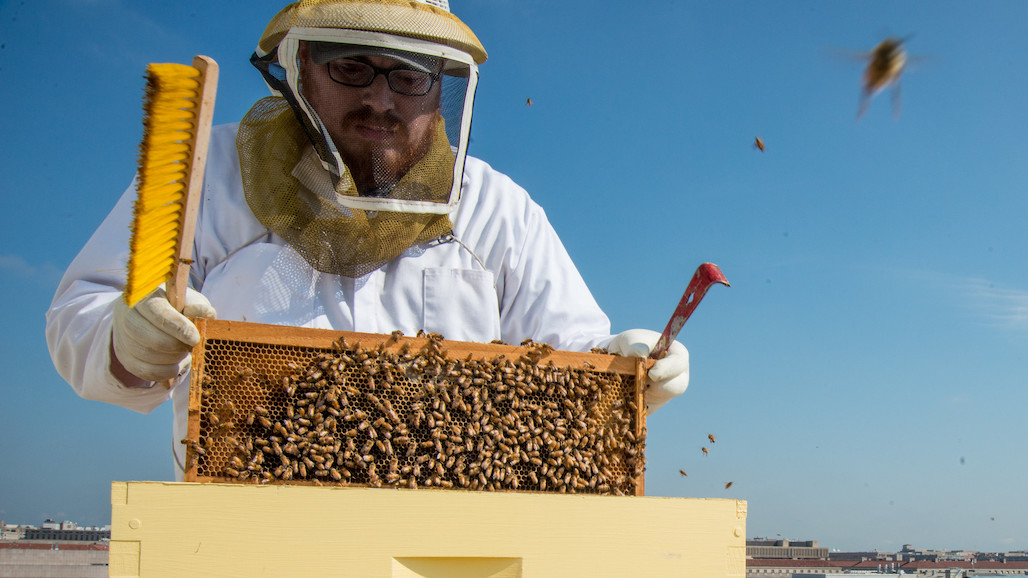
    Honey bees could be intentionally bred to thrive on plants that are already locally present or even solely on artificial diets, according to a recent U.S. Department of Agriculture Agricultural Research Service (ARS) study.

    ARS researchers found individual bees respond differently to the same diet and that there is a strong genetic component involved in how they respond to nutrition. This points directly to the concept that managed bees can be intentionally bred to do better on different diets, whether you are talking about an artificial diet or a diet based on specific plants already growing in an area, explained lead researcher Vincent A. Ricigliano. He is with the ARS Honey Bee Breeding, Genetics, and Physiology Research Laboratory in Baton Rouge, Louisiana.

    “Urban development, modern agricultural systems and environmental alterations due to climate change, invasive plants, and even local landscaping preferences have all had a hand in regionalizing plants that dominate available pollen. It could potentially be more beneficial to tailor honey bees to do better on what is already available instead of working hard to fit the environment to the bees,” Ricigliano said.

    The overall aim would be breeding to improve nutrient use by managed honey bees, like we have done for poultry and cattle breeding programs, Ricigliano explained.

    “Now that we know there is room for genetic adaptation to diet, we could also look at breeding honey bees with improved nutrient efficiency or identifying genotype biomarkers that respond to various supplements to promote honey bee health,” he added.

    In most commercial apiaries, honey bees do not have the opportunity to naturally breed to adapt to local conditions because commercial beekeepers typically replace the queen in each colony every year. The queen in a colony is the only bee that lays eggs to produce the next generation.

    Beekeepers usually purchase new queens already inseminated from a handful of queen breeders in the United States. As a result, honey bees across the country generally have the same range of genes for nutritional responses without any specialized adaptation.

    Honey bees have already been successfully bred for a very few selected traits, among them Varroa mite resistance. Varroa mites are among the single largest problem afflicting honey bees in the United States today.

    “It was a little surprising to find when we started this study that, despite a sizable body of research pertaining to honey bee nutrition, relatively little is known about the effects of genetic variation on nutritional response,” Ricigliano said.

    His next step is to refine knowledge about what genes control which nutrient and metabolic pathways and where the greatest amount of genetic variation exists so that breeding plans can be specific and scientifically guided.

    The Agricultural Research Service is the U.S. Department of Agriculture’s chief scientific in-house research agency. Daily, ARS focuses on solutions to agricultural problems affecting America. Each dollar invested in agricultural research results in $17 of economic impact.

  • Pacific Nut Producer October Issue

    Pacific Nut Producer October Issue

    PNP1021

    [btn btnlink=”https://malcolmmedia.com/order-a-back-issue/back-issue-pacific-nut-producer-magazine/” btnsize=”full” txtcolor=”#ffffff” color=”#FFF” bgcolor=”#492500″ btnnewt=”1″ nofollow=”1″]Order A Back Issue[/btn]

    [btn btnlink=”http://malcolmmedia.com/pacific-nut-producer-magazine-subscriptions/” btnsize=”full” txtcolor=”#ffffff” bgcolor=”#492500″ btnnewt=”1″ nofollow=”1″]Subscribe Free[/btn]
    [three_fifth_last]

    Contents of the October Issue:

    Golden Valley Almond Hulling and Shelling Inc
    A Family Affair

    Elaine Trevino Nominated as US Chief Agricultural Negotiator
    Almond Alliance of California CEO to Move to Washington DC

    San Joaquin Valley Grower Survey
    UCCE to Better Meet the Needs of the Tree Nut Industry

    October Orchard Tasks
    Almonds, Hazelnuts, Pecans, Pistachios, Walnuts

    [/three_fifth_last]

  • Hawaiʻi Delegation Introduces Legislation To Protect U.S. Macadamia Nut Industry

    Hawaiʻi Delegation Introduces Legislation To Protect U.S. Macadamia Nut Industry

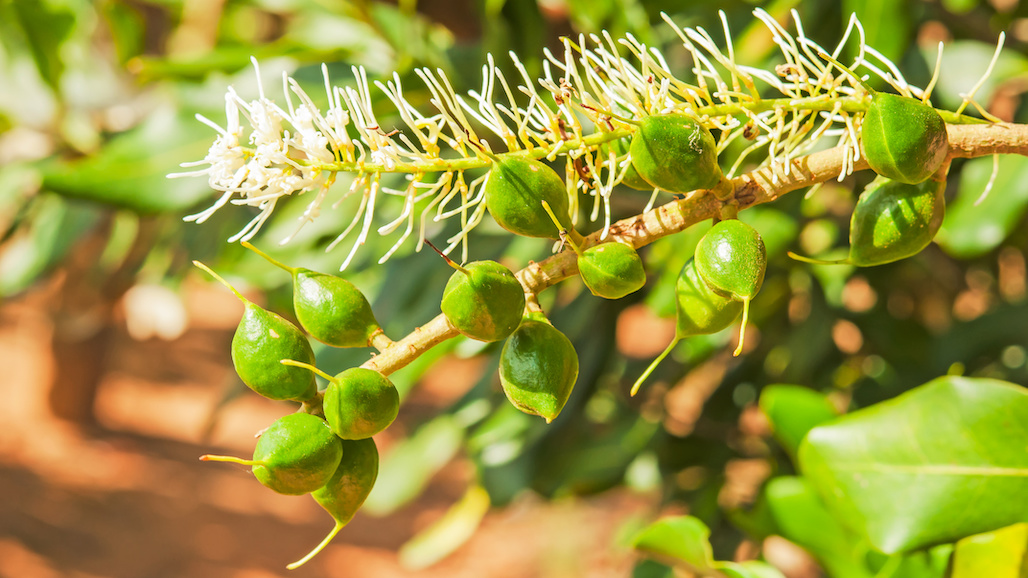
    Today, the Hawaiʻi Delegation: Sen. Mazie Hirono (D-HI), Sen. Brian Schatz (D-HI), Rep. Ed Case (D-HI-01) and Rep. Kaialiʻi Kahele (D-HI-02), introduced bicameral legislation to enable research funding to address all current and emerging threats to the United States coffee and macadamia nut industries. The Coffee Plant Health Initiative Amendments Act (CPHIAA) and Macadamia Tree Health Initiative Amendments Act (MTHIAA) would remove existing restrictions on the limited scope of research and grant funding for the coffee plant and macadamia tree.

    Under current law, research for both crops only address two invasive and harmful species: the macadamia felted coccid (MFC) and coffee berry borer (CBB). The CPHIAA and MTHIAA expands research to address all macadamia tree and coffee plant pests and weeds.

    The annual combined farmgate value (market value minus selling cost) of macadamia nut and coffee is over $100 million. The CPHIAA and MTHIAA are widely supported by macadamia nut and coffee farmers across Hawaiʻi and the United States.

    “As our agricultural community continuously fights new invasive pests, resources provided by these two bills would be instrumental in protecting two of Hawaiʻi’s signature crops: coffee and macadamia nuts,” said Senator Hirono. “I look forward to working with my delegation colleagues on these bills so that our producers are equipped to face current and future threats to these crops.”

    “Coffee and Macadamia nuts are uniquely Hawai‘i crops which support local jobs and are the mainstays of Hawai‘i agriculture,” said Senator Schatz. “We must keep them competitive, and that begins with science-based management.”

    “As a member of the House Appropriations Committee, I have partnered with Congressman Kahele and others to secure millions of dollars in federal research funding for Hawaii’s tropical specialty crops like coffee and macadamia nut,” said Congressman Ed Case (HI-01).  “While our funding has helped mitigate the effects of the macadamia felted coccid, coffee berry border and coffee leaf rust, current law limits the scope of federal research dollars. These two measures will greatly enhance our ability to fund much more comprehensive coffee and macadamia nut research to preserve and grow these invaluable industries.”

    “Healthy and vibrant macadamia and coffee industries are pivotal to strengthening Hawaiʻi’s agricultural community. These amendments help our farmers protect their crops and livelihoods against any emerging threats,” said Congressman Kaialiʻi Kahele (HI-02). “I’m proud to have the support of the entire Hawaiʻi Delegation to help these industries rebound, grow, and better compete in a global market.”

    “The Hawaiʻi macadamia nut industry is thrilled with Congressman Kahele’s introduction of the Macadamia Tree Health Initiative Amendments Act (MTHIAA). The MTHIAA will strengthen the future of Hawaiʻi agriculture as the macadamia industry faces new and emerging threats to macadamia nut farms,” said Nathan Trump, president of the Hawaiʻi Macadamia Nut Association. “This act will ensure our farmers have science-based tools to combat these threats and improve the resiliency and productivity of their farms. With expanded funding for research, the macadamia nut industry can increase the number of macadamia farmers and farms that contribute positively to the local economy and the beautiful environment that makes Hawaiʻi so special.”

  • Blue Diamond Growers Names New Chief Operating Officer, Transition in Global Ingredients Division Leadership

    Blue Diamond Growers Names New Chief Operating Officer, Transition in Global Ingredients Division Leadership

    Blue Diamond Growers has named Dean LaVallee as the new Chief Operating Officer (COO) for California’s largest almond cooperative. In addition to serving as COO, LaVallee will continue to operate in his current role as Chief Financial Officer (CFO) and will report directly to Blue Diamond Growers’ President and Chief Executive Officer, Mark Jansen. As COO/CFO, LaVallee will oversee the Finance, Global Ingredients, and IT divisions within Blue Diamond Growers. He joined the cooperative in 2011.

    Dean LaVallee, Blue Diamond Growers, Chief Operating Officer and Chief Financial Officer

    “We are so pleased to expand Dean’s responsibilities to include that of Chief Operating Officer,” said 
    Jansen. “His strategic and proven leadership over the last decade within our organization has established a crucial foundation for Blue Diamond’s success in ensuring maximum returns to our grower-owners. In his new role, Dean will bring together the needed infrastructure, technology and resources for our continued growth and prosperity.”

    In other leadership news from the cooperative, long-time Blue Diamond Growers’ employee, Bill Morecraft, has announced his retirement at the end of this year after 35 years of service. Morecraft joined Blue Diamond Growers in 1986 working in Finance, Production Planning, and Sales Planning. He assumed leadership of the Global Ingredients Division in 2008 where he is credited with streamlining the product line, introducing a focus on value-added ingredients, and developing a close relationship with Blue Diamond’s Operations Team to increase profitability. Blue Diamond now processes and ships premium almond products to more than 90 countries.

    Bill Morecraft, Blue Diamond Growers, Senior Vice President Global Ingredients Division

    Effective September 1, Laura Gerhard was promoted to Vice President to assume leadership responsibilities for Blue Diamond’s Global Ingredients Division. Gerhard will lead day-to-day operations of the division, which supplies almond ingredients for processed and prepared food manufacturers, as well as for bulk purchase, around the world. She will also oversee the commercial success of the division’s global product portfolio, which includes a growing array of almond-based ingredients, such as almond protein powder, almond flour, and almond butter. Gerhard began her career with Blue Diamond Growers in 2017 as Director, Strategy and Planning with Global Ingredients. She added responsibility for Global Ingredient Division Marketing in 2020.

    Laura Gerhard, Blue Diamond Growers, Vice President Global Ingredients Division

    “It is leaders such as Bill who have helped to make Blue Diamond Growers the global leader in almonds that it is today,” said Jansen. “All of us at Blue Diamond sincerely thank Bill for his hard work, dedication, and numerous contributions over the years and wish him the best in his well-deserved retirement. I also want to congratulate Laura on her promotion. I have great trust in her leadership. Laura has been instrumental to our success in the Global Ingredients Division, where she has helped drive business growth, develop a strong team, and organize our business and strategic planning. I’m confident Bill, Laura, and their team will work closely to ensure a seamless transition for our customers.”

  • India’s Imports of Pistachios Expected to Grow, Almonds & Walnuts Decline

    India’s Imports of Pistachios Expected to Grow, Almonds & Walnuts Decline

    India recorded significant growth in almond, walnut, and pistachio imports in market year (MY) 2020/2021, increasing by 44, 20, and 34 percent, respectively, from MY 2019/2020. However, MY 2021/2022 almond and walnut imports are estimated to drop due to high domestic prices, increased domestic supply, reduced production in the United States, geopolitical tensions in regional suppliers (including Afghanistan), and various global shipping challenges. Conversely, India’s pistachio imports are estimated to rise 11 percent to 31,000 metric tons (MT). The domestic market for pistachios remains marginal, albeit with promising growth prospects and imports are estimated to reach 50,000 MT by MY 2024/2025.

    PRODUCTION:

    FAS New Delhi (Post) forecasts India’s market year (MY) 2021/2022 (August-July) almond production at 4,500 metric tons (MT) (kernel-weight basis), unchanged from last year’s estimate. Almond production is concentrated in India’s Union Territory of Jammu and Kashmir and in Himachal Pradesh state. Popular varietals grown include Shalimar, Makdoon, Waris, and Kagazi. Kashmir’s local horticultural department promotes the production of the Kagazi (thin-shell) variety due to its higher yield and late blooming characteristics. Shelling rates range between 20 and 30 percent for hard-shell varieties, and 40 percent for thin-shelled varieties.

    The Jammu and Kashmir territorial government, through its Almond Development program, aims to increase the region’s almond cultivated area by upwards of 12,000 hectares and phase-in new higher yielding cultivars. However, as of 2021, only one almond nursery is currently under development, and located in the Shopian district.

    CONSUMPTION:

    FAS New Delhi forecasts MY 2021/2022 Indian almond consumption at 135,000 MT, 10 percent below the current year estimate. The MY 2020/2021 consumption numbers, however, have been revised upward to 150,000 MT reflecting stronger local demand. An abnormal drop in international prices led to atypical demand growth. While domestic consumption increased an astronomical 31 percent between MY 2019/2020 and MY 2020/2021, India will likely see a demand correction in the upcoming market year, owing to higher domestic prices a result of reduced production in California. Global shipping constraints, including delays, transit congestions, and container shortages will also have an adverse impact.

    India’s almond demand nevertheless is still expected to remain high, with the domestic economy’s recovery coupled with consumer spending increases following in the wake of the COVID-19 second wave. Almond consumption in India’s hotel, restaurant, and institutional sector (HRI) is seen as increasing, which will offset a bit of the drop in retail demand. A return to traditional consumer activities, including outdoor events, weddings, and festive ceremonies, as well as dining out will further propel almond consumption in both the current market and forecast years. Almond sales through the end of 2021 are expected to remain strong in anticipation of this year’s festive season. Bulk sales, associated with business and corporate gift giving, are likely to regain their footing.

    Almonds’ nutritional benefits, with their “immunity building characteristics,have been widely touted during India’s COVID-19 second wave. This has inadvertently led to fundamental changes in consumer behavior, which will likely endure at a minimum in the near- to medium-term.

    The role of eCommerce, coupled to hyperlocal grocery delivery companies (i.e., Amazon, Big Basket, Flipkart, and Nature’s Basket), continue to stimulate almond consumption. Additionally, an evolving supply chain, with the growing consumer awareness of perceived health benefits, will drive almond consumption in the food processing, personal care, and Ayurveda industries. The increased use of almonds in breakfast cereal bars, snack foods, flavored dairy products, processed beverages, and confectionaries will help further demand growth.

    PRICES:

    Market year 2020/2021 saw initial high demand, thanks to the combination of lower sales prices and shipping delays. Beginning in August 2020, shelled almond prices were 20 percent lower ($759/MT) compared to the same period last year ($944/MT). By October 2020, supplies tightened over delayed shipments. However, domestic prices stabilized following a deluge of delayed shipments arriving almost simultaneously – a tidal wave of almonds hitting India’s shores.

    Strong demand at the onset of the season helped many businesses reduce their liquidity, recovering from COVID-19 induced losses incurred in March-June 2020. With relatively slowing demand and lower supplies, prices dipped between seven to 10 percent from November 2020 onward (figure 1).

    In March 2021, almond prices again rose as the COVID-19 second wave led to renewed nationwide lockdowns. The second wave undermined almond sales, weaking demand for the season’s new California-origin crop. Prices commenced an upward march, climbing 26 percent between May-July 2021. By August prices spike, hitting the $1,194/MT (India rupees (INR) 87,300/MT) mark for shelled almonds and $845/MT (INR 61,800/MT) for in-shell. Indian buyers are now waiting on the September shipments anticipating a new price correction.

    Industry sources are already reporting somewhat smaller kernel sizes in the initial shipments, but the expectation is that almond quality should improve with successive consignments. Market sentiment is expected to improve from October 2021 onwards as shipment transits and delays better.

    TRADE:

    FAS New Delhi forecasts India’s MY 2021/2022 almond imports at 125,000 MT, 18 percent below the MY 2020/2021 estimates. Post is revising the MY 2020/2021 import figures upward to 152,500 MT based on new trade estimates. Between August 2020 and May 2021, almond imports soared by 61 percent.

    U.S.-origin almonds account for 87 percent of India’s total import volume in MY 2020/2021, followed by Australian almonds in a distant second place with seven percent market share (table 2). Almond imports from the United States and Australia are typically in-shell, of the nonpareil or Carmel varieties, and are shelled locally (i.e., machine-cracked and hand sorted). Most other origins supply primarily shelled almonds. Packaged almonds account for about 10-12 percent of retail sales.

    Global shipping challenges including port delays and congestions, longer transit times, and container shortages are decimating Indian importers’ stocks. In some instances, consignment delays (some over a month), are impacting Indian buyerscash flows and the product’s market availability. These shipping challenges are likely to continue in the upcoming market year.

    India’s almond exports, at 200 MT in MY 2021/2022 are negligible. Exports in the 2020/2021 included shipments to the United Arab Emirates (UAE), Sri Lanka, and the United Kingdom (UK) (table 3).

    POLICY:

    India does not set quantitative restrictions on almond imports. U.S.-origin almonds face retaliatory tariffs of $0.56 per kilogram (kg) (INR 41/kg) for in-shell and $1.64 per kg (INR 120/kilogram) for shelled.

    India’s non-tariff barriers include narrow almond kernel standards prescribed by the Food Safety and Standards Authority of India (FSSAI). Industry sources indicate that the almond kernels standards are too restrictive to be widely applied across multiple commercial grades. Proposed quality/grade factors pertain to commercial contracts, these should not form the basis for import or retail controls.

    Traders sustain that there is a need for flexibility in grades to account for varying commercial situations, including varietal differences, crop quality variability, and pricing differentials, as opposed to physical parameters such as damage and the presence of foreign material.

    PRODUCTION:

    FAS New Delhi forecasts India’s MY 2021/2022 (September-August) walnut production at 36,000 MT (in-shell basis), up three percent over last year. Indian walnut production is cyclical, and yields can vary by almost 20 percent depending on weather conditions at the time of blossom and harvest.

    Walnuts are grown as a plantation crop in the northwestern Himalayan belt, extending through India’s northeastern region. Production is concentrated to Jammu and Kashmir. Popular varieties include Lake English, Drainovsky, Opex Caulchry, which combined account for 90 percent of the overall production area. However, Himachal Pradesh (Gobind, Eureka, Placentia, Wilson); Uttarakhand (Chakrata varietals); and the northeastern states of Sikkim and Arunachal Pradesh do contribute limited volumes.

    India’s walnuts come in various sizes and with varying characteristics. These are sorted into paper- shelled, thin-shelled, medium-shelled, and hard-shelled categories. The walnut harvest typically occurs from late August through September. In 2021, the Kashmiri government established three walnut nurseries which produced around 20,000 walnut seedlings for propagation (see, Kashmir Reader).

    India’s walnut production lacks advanced horticultural practices that are often found in other walnut growing countries. India does not engage in high-density planting, improved orchard management practices, stable yields, faster fruiting periods, nor has access to modern post-harvest infrastructure facilities. In Jammu and Kashmir, India’s primary production area, walnut trees are largely cultivated in an unorganized manner. Most of the trees are 40 years old; requiring a 15-year gestation period.

    Harvesting walnuts remains labor intensive. The COVID-19 national lockdown measures exacerbated labor costs, with many migrant workers forced to return to their home states. Sources indicate that higher yielding varietals, using high-quality grafted plants, are needed to increase domestic production.

    CONSUMPTION:

    FAS New Delhi forecasts MY 2021/2022 Indian walnut consumption to remain flat at 66,000 metric tons. Post is revising India’s MY 2020/2021 consumption to 66,000 MT, some 6,000 MT above the previous estimate. Indian consumers demand walnuts due to the nut’s perceived health benefits and improved packaging (i.e., vacuum-packed bags) that supports year-round consumption. Much like with almonds, traditional and modern retail stores along with eCommerce is spurring on greater consumer demand. Walnuts remain popular with consumers, who perceive the nut having significant health benefits (e.g., cholesterol reducer, diabetes risk abatement, and improved brain function). Walnut kernels are rich in proteins, healthy fats, minerals, and vitamin-B.

    About 70-75 percent of Indian walnuts are utilized domestically, with more than half of consumption occurring during the festive (October-November) months and winter season. Industry sources estimate that 17 percent of walnuts are used in food processing, with an additional four percent utilized in the personal care industry. The HRI sector uses walnuts as a key food ingredient, including in bakeries and the manufacture of traditional Indian sweets.

    PRICES:

    The MY 2020/2021 domestic walnut season kicked off with excellent demand and high prices. By December 2020, a price correction occurs as U.S.- and Chilean-origin imports make their landfall. Sources report quality concerns with imported products specifically less desirable darker colored walnuts from California. While traders hold that color does not affect product quality, Indian consumers favor lighter-colored walnut kernels. Domestic prices witnessed a drop in February 2021, as a result slower demand and market oversupply. Demand started recovering in May along with prices (figure 2).

    Prices will likely stay high for most of MY 2021/2022. Lower production coming from California, along with uncertainty with what will happen next with Afghanistan’s trade in the near-term following the Taliban’s seizure of the state, will keep prices elevated. Domestic average prices as of August 31, 2021, are $1,084/MT (INR 79,200/MT) for shelled walnuts and $692/MT (INR 50,600/MT) for in-shell.

    TRADE:

    FAS New Delhi forecasts MY 2021/22 Indian walnut imports at 34,000 MT, six percent below the MY 2020/2021 figure. This decline is anticipated as both high domestic prices and trade uncertainty from Afghanistan, the fifth largest exporter of walnuts to India in MY 2020/2021, are likely to reduce consumption. Post is revising its import estimates for MY 2019/2020 to 30,000 MT and MY 2020/2021 to 36,000 MT based on the latest trade data. From September 2020 to May 2021, the United States remained India’s main supplier with 55 percent market share, followed by Chile with 26 percent.

    India is primarily an in-shell walnut market. Sources indicate that India’s in-shell walnut imports grew 83 percent in September 2020-May 2021 (table 6), while shelled walnut imports declined by 25 percent.

    FAS New Delhi forecasts MY 2020/2021 Indian walnuts exports at 4,200 MT, up 11 percent from the previous market year. Post is revising its export estimate for MY 2019/2020 to 3,000 MT and MY 2020/2021 to 3,800 MT based on the latest trade data. In MY 2020/2021, India increased walnut export volumes to its traditional markets in the UAE, UK, Saudi Arabia, and Germany (table 7).

    Over 95 percent of India’s walnut exports are shelled kernels in vacuum packs, with 35-40 percent classified as “light halves,” 35-40 percent “amber halves/light broken,” and the remaining balance as “amber halves.” Market sources report that Indian walnuts are competitively priced against those of the United States, Chile, Turkey, and China.

    POLICY:

    India’s Open General License program permits walnut imports without quantitative restrictions. Both in-shell and shelled walnut imports are subject to a 100 percent tariff (effective February 2020). India is applying a retaliatory tariff on U.S.-origin in-shell walnuts at 20 percent above the applied BCD of 100 percent. However, California walnuts exports remain strong due to high consumer demand.

    On July 30, 2021, the FSSAI published the Food Safety and Standards (Food Product Standards and Food Additives) Third Amendment Regulations (2021) which cites the final standards for walnut kernels with an implementation date of February 1, 2022 (see, GAIN-INDIA – IN2021-0097 India’s FSSAI Issues Final Standards Walnut Kernels and Other Various Food Products). India’s walnut kernel standards apply to fresh products and includes a 15 percent permissible variation for color uniformity. The FSSAI also changed the damage limit from two to four percent based on the number of damaged units, using a percent-by-mass parameter.

    PRODUCTION:

    There is no commercial production of pistachios in India. Limited, unorganized production is confined to the Union Territory of Jammu and Kashmir.

    CONSUMPTION:

    FAS New Delhi forecasts India’s MY 2021/2022 (September-August) pistachio consumption at 30,900 MT, 11 percent above the current year estimate. India is traditionally a market for in-shell pistachios, with peak demand occurring from October through February. While there is some nominal demand throughout the year, sales typically increase during the Indian festive and wedding seasons. Pistachios are typically sold through retail and wholesale channels. Organized retail outlets, along with online stores, have also increased their market presence to cater to growing pistachio demand. Sources indicate that India’s market for pistachios may reach 50,000 MT by MY 2024/2025.

    The Indian consumer traditionally has preferred Iran- and Afghanistan-origin pistachios. This preference derives from consumers’ familiarity with the taste, texture, color, and shape of the tree nut. Conversely, U.S.-origin pistachios are relatively different in taste, have a distinct greenish tint, and are larger in size with a different texture. Popular Iranian varieties include Akbari, Kalleh, Fandoghi and Ahmad Aghaei, while California’s U.S. grade 21-25 No. 1 pistachios is the preferred American variety.

    Pistachios from Iran and Afghanistan have tapped successfully into the largely unorganized Indian traditional sweets (mithai) sector primarily due to cheaper pricing despite inconsistent product quality (i.e., broken/chipped kernels). The traditional Indian sweets market readily absorbs lower quality pistachios as a food ingredient.6 California pistachios command a premium due to consistent quality, size, and shape. The consumption of pistachios as a snacking nut is limited to affluent consumers, or about two-to-three percent of India’s population.7 Preferential pricing and mass-marketing activities can help build consumer awareness and demand for higher quality California pistachios.

    PRICE:

    During MY 2020/2021, domestic prices for in-shell pistachios ranged between $9.50 to $14.00/ kg (INR 700 to 1,000/kg), and shelled pistachios $14.00 to $22.00/kg (INR 1,000 to 1,600/kg). Higher quality California pistachios retail between $10.50 to $12.00/kg. The first half of MY 2020/2021 was difficult for Indian buyers, as they struggled with excessive inventories at the onset of the season due to the national COVID lockdown measures of March-June 2020. The situation this market year has improved, due to stabilized supply chains and pricing. Typically, profit margins for pistachios range between three to five percent for importers.

    TRADE:

    FAS New Delhi forecasts India’s MY 2021/2022 pistachio imports at 31,000 MT, 11 percent above MY 2020/2021. From September 2020 to May 2021, the UAE was the largest supplier of pistachios to India, followed by Afghanistan, the United States, and Hong Kong (table 10). Neither the UAE, nor Hong Kong produce pistachios, and are instead transshipping products from other origins, primarily from the United States. Historically, the United States, Iran, Afghanistan, and Turkey have been the largest suppliers of pistachios to India (figure 3).

    Shipment transit delays have been affecting Indian pistachio importers. According to sources, some importers continue to await pistachio containers that were intended to arrive in June 2021. Indian exports of pistachios for MY 2021/2022 are forecasted at 100 MT and will continue to remain negligible for the foreseeable future (table 11).

    India levies a 10 percent BCD on raw pistachios (in-shell and shelled), and 30 percent on roasted pistachios. Additionally, a Goods and Services Tax of 12 percent is applied on the customs and freight value, along with a Social Welfare Surcharge of 10 percent of the customs duty. — By Ankit Chandra, Mark Rosmann & Mariano Beillard, USDA Foreign Agricultural Service

  • Turkey Both Competes with and Relies on US Tree Nuts

    Turkey Both Competes with and Relies on US Tree Nuts

    It is an “offyear” for pistachios in Turkey, and consequently, the USDA Foreign Agricultural Service forecasts a low production level for MY 2021/22. However, Turkey has carried over significant stocks from the previous year, so there is no shortage of pistachios in the market. In addition, Turkey relies on imports of almonds and walnuts to meet domestic demand for tree nuts. U.S. walnuts and almonds are still subject to retaliatory tariffs, resulting in a 10 percent higher customs tax than other tree nut-exporting countries. Turkey is the top producer of hazelnuts in the world and the largest exporter. The MY 2021/22 yield for hazelnuts is higher than last year because of good weather conditions.

    I. PISTACHIOS

    a. PRODUCTION

    Pistachio production is cyclical in Turkey. There are “onyears” during which harvests are significantly larger than during “offyears.” Therefore, yields can vary dramatically from year to year and also between regions and orchards in Turkey.

    Post estimates Turkey’s pistachio production to be 87,000 MT for MY 2021/22. MY 2021/22 is an off– year and the yields are not expected to be very good. Pistachios are grown mostly without irrigation in Turkey. Therefore, spring rains are important for the orchards. The drought that affected the Southeast part of Turkey during the spring and summer has caused pistachio yields to be extraordinarily low this year. Market sources report that the lack of rain caused the fruits to be smaller and fewer and some branches of the trees have died from the lack of the water. A disease called phytoplasma also affected pistachio trees, which market sources think was due to the drought that caused trees to become weak. In addition, some of the nests for next season’s (MY 2022/23) pistachios that would have normally started to form this summer have died and dropped off the trees because of the drought. Consequently, this year’s production is low (even for an-off year) and farmers anticipate that the following MY (2022/23) will also be affected by this drought. The lost branches and nests this season will cause yield decreases in MY 2022/23, even though it should be an on-year.

    There are an estimated 54 million bearing trees and about 22 million non-bearing trees in Turkey, according to the Turkish Statistical Institute (TurkStat) as of the beginning of MY 2021/22. Bearing trees increased 4.7 percent compared to the previous marketing year and non-bearing trees increased about 8.2 percent. This increase in the number of bearing trees explains the increase in production compared to earlier off- years. Although MY 2021/22 is a low yield off-year, production is still higher than many of the earlier off-years. Also, younger bearing trees are known to be more productive than older ones. Southeast Turkey is known to have many trees over 50 years old, so increasing the number of younger trees is expected to increase the yield. In addition, farmers are now better trained to understand the importance of male trees as they were seen as almost redundant a generation ago and not widely planted. Market sources indicate that farmers have stopped planting lentils and barley (even wheat in some cases) in order to plant pistachio trees in lands that cannot be irrigated. Many farmers believe they can make more money on pistachios.

    Currently, the average pistachio yield is around four kilograms (kg) per tree in on-years and two kg per tree in off-years. MY 2020/21 was especially a good yield on-year with a yield of over four and a half kg per tree. The southeastern part of Turkey is the traditional production area for pistachios. The provinces in this region (Gaziantep, Sanliurfa, Adiyaman, Siirt, Kilis, Kahramanmaras, Mardin, and Diyarbakir) are the most significant locations for commercial pistachio production and represent 95 percent of the total production, with around 80 percent coming from Gaziantep and Sanliurfa provinces. The remaining five percent of the pistachio production is in the Aegean, Mediterranean, and Marmara regions. Around 56 out of 81 provinces in Turkey produce pistachios, according to the Gaziantep Commodity Exchange (GCE). During the last decade, production in regions outside of Southeastern Anatolia has also increased.

    There are two main types of pistachios grown in Turkey, which are both unique to Turkey and different from the Iranian and Californian pistachio varieties. Most Turkish pistachios are the Gaziantep (Antep) variety, which are thinner and smaller than the typical Iranian variety. The Siirt variety accounts for about 15 percent of total production. It is a high yielding variety with less production fluctuation than the Gaziantep variety. The size and shape of Siirt nuts are in between the Gaziantep and Iranian pistachios. Quality is directly related to size in Turkey: 90 nuts or fewer per 100 grams is considered first quality, 90-100 nuts are second quality, 100-120 nuts are third quality, and more than 120 nuts are fourth quality. With the increasing number of new saplings planted in the Sanliurfa and Siirt regions, the production of high-quality pistachios is predicted to increase in the future.

    In recent years, to mitigate the natural “off year/on year” production cycle, producers and traders have been expanding implementation of good agricultural practices, especially in parts of Southeastern Anatolia. Pistachios are mostly grown in dry conditions, as irrigation for pistachios is not common in Turkey. The common perception about pistachio trees is that they can grow naturally in marginal soil and conditions. While this may be correct, yields have proven to be much better with “good” soil conditions, sufficient maintenance, and irrigation. More orchards are being irrigated to protect against the abnormal drought conditions in recent years. Research activities have been conducted by the universities located in the Southeastern and Eastern Anatolia Regions to develop better production methods and plant protection measures for pistachio orchards. However, the “off year/on year” production cycle still plays a prominent role in the amount of pistachio production.

    Since 2011, The Turkish Foundation for Combating Soil Erosion, Forestation, and Protection of Natural Habitats (TEMA), with contributions from private companies, has undertaken a project to increase the yield of pistachios in Gaziantep and Sanliurfa provinces. The “May you have abundant pistachiosproject trains the pistachio farmers about how to maintain the trees, which contributes to a significantly higher yield. Education about pruning and trimming techniques and training about using pesticides and fertilizers improved the orchards of the farmers who were trained, tripling yields and even producing fruit from about 1/3 of newly planted saplings.

    b. CONSUMPTION

    MY 2021/22 consumption is forecasted as 130,000 MT. Market sources indicate that there are still stocks in warehouses carried from the last marketing year because of the excellent harvest in the previous year. In addition, according to market sources the retail price of the pistachios has not increased much compared to the previous year. These factors should help make up for the low production this year, and thus consumption should be at normal levels.

    Pistachio prices currently remain relatively stable as the new harvest of MY 2021/22 starts, despite the off-year harvest and the overall food inflation in Turkey. The price of bulk shelled early harvest pistachios (generally used for baklava and other traditional desserts) is about 160 – 165 TL/kg (~19.13 19.73 USD/kg) as of August 2021: this represents a 10 to 15 percent annual increase in prices in terms of TL and about the same amount in U.S. dollars. Pistachio farmers are disappointed in these prices as fertilizer prices have increased about 100 percent and pesticide prices have increased about 70 percent. Consequently, farmers indicate that the cost of producing pistachios increased about 80 percent this year. This will cause some pistachio producers/traders to sell as slow as possible and keep stocks in the hope that prices might go up in following months or the next marketing year.

    Current retail prices of in-shell pistachios for snacking in Istanbul are between 107 to 160 TL/kg (~12.80 19.13 USD/kg) as of August 2021, depending on the retailer and location. TL retail prices have remained about the same as last year (see our Retail Food Report for more information on economic conditions). Pistachio prices vary depending on where and how the pistachios are bought (i.e., in bulk or small packages in convenience stores or specialty markets).

    Most of Turkey’s pistachio crop is consumed domestically and consumption varies from year to year, according to availability of pistachios in the market. Traditionally, Turkish people consume 35 percent of total domestic consumption as a snacking nut and the rest is used in the production of confectionery products, especially in traditional desserts and bakery products like baklava. During the last decade or so, the use of pistachios in chocolate making and ice cream has increased as well.

    Packaging of tree nuts, including pistachios, has doubled over the last few years throughout the country, especially in the coastal regions (Aegean, Mediterranean and Marmara). Purchasing of pre-packaged nuts from supermarkets is becoming more popular in larger cities as opposed to buying them in bulk from nut stores, as is the traditional sales method in Turkey. Post observes that this change of consumer behavior is increasing throughout the country as the availability of discount market chains all over Turkey also increases. Please refer to our Retail Food Report for more information. Currently, 35 percent of total production is being packaged. The increased amount of nut packaging, versus selling in bulk, will have a positive influence on per capita consumption over time. Current per capita consumption is around 1.5 kg/year in Turkey.

    c. TRADE

    Turkey generally consumes most of its domestic pistachio production, and a minor amount of total production is exported. Some production is stored to plan for an upcoming off-year if it is an on-year. We see that more pistachios have been exported recently compared to previous years, as the harvest was a record high in MY 2020/21 and the Turkish lira lost a lot of value, making Turkish pistachios relatively cheap in international markets. As MY 2020/21 was a record high yield on-year, Turkey exported a record level of 35,000 MT pistachios, mostly shelled. Important export destinations were Italy, Germany, Israel, Saudi Arabia and Morocco.

    Although MY 2021/22 is expected to be an off-year with a lower-than-average yield there will still be some exports. The carried over stocks from the record high yield MY 2020/21 and the weakening of the TL should contribute to additional exports from Turkey. Post forecasts a relatively high level of exports for an off-year at 17,000 MT for MY 2021/22.

    Pistachios can normally be imported to Turkey at a 43.2 percent tariff rate. However, the Turkish government implemented a 20 percent additional tariff from the summer 2018 until spring 2019 for U.S.-originated pistachios due to the implementation of additional steel tariffs on Turkish exports to the United States. On May 17 2019, the additional tariffs on nuts were halved (reduced to 10 percent). The total tariff rate on pistachios from the United States to Turkey is now 53.2 percent, compared to 43.2 percent for all other countries.

    As the trade prices of alternative products such as walnuts and almonds are also tied to the U.S. dollar when importing, Turkey will continue importing some pistachios, especially from Iran as they expect a good off-year this season. Post estimates that the imports for MY 2021/22 will be 15,000 MT.

    d. STOCKS

    As discussed earlier in the report, MY 2021/22 was a record high harvest year with higher than average yields. However, pistachios were not consumed as much in Turkey due to the pandemic since restaurants, cafes and patisseries that would serve baklavas and similar traditional pistachio-based desserts were closed for a good amount of time during the winter 2021. This means that record high stocks are being carried over to MY 2021/22. The stock for MY 2020/21 is now estimated at 65,000 MT, in line with market expectations. We also forecast that year-end stocks for MY 2021/22 will be 20,000 MT, exceptionally high for an off-year.

    Pistachio stocks vary considerably from year to year in line with cyclical production. Moreover, pistachio production, trade, and stock statistics are not maintained by the Government of Turkey (GoT), nor related associations in the sector. According to tree nut producers, better data would help prevent price fluctuations, especially in low production years, as fluctuations have a negative impact on consumption and food industry usage. For these reasons, the GCE has taken steps to increase the trade and storage of the commodity under safe conditions after harvest. The GCE received a GoT grant to establish a 10,000 MT capacity licensed warehouse in Gaziantep. Scientists from various universities are supporting improvement of storage conditions since the cyclical nature of pistachio production in Turkey elevates the importance of stocks. Good storage conditions also minimize food safety concerns such as aflatoxin. The GCE aims to prevent price fluctuations using the licensed warehouse system so producers, consumers, and traders will all benefit. They also aim for transparency in stock numbers, using this warehouse system to improve the supply-demand pricing mechanism. This licensed warehouse is a good start but not sufficient for Turkey’s storage needs or to create market transparency. The licensed warehouse opened and started accepting pistachios for storage in June 2021, after more than a year delay. There is also a laboratory working with the licensed warehouse to assess the quality of the pistachio stocks.

    e. POLICY

    The GoT does not provide direct supports specifically to pistachio farmers but supports the pistachio farmers with the general agriculture subsidies if they are registered in the Farmers Registration System. Supports are announced by the GoT in the beginning of each calendar year.

    The GoT offered farmers the following support for the year 2021. Most of the following has not been changed from last year, although the TL has depreciated, so in terms of U.S. dollars the support has decreased compared to previous marketing year. Only fuel and fertilizer and good agricultural practices supports have been increased compared to last marketing year. Note that a decare (da) is equivalent to 0.1 hectares.

      •   100 TL/da (11.96 USD2/da) and 400TL/da (47.84 USD/da) respectively for the establishment of orchards that are planted with standard seedlings and certified seedlings

      •   50 TL to 100 TL /da (5.98 USD/da to 11.96 USD/da) for organic agriculture;

      •   40 TL/da (4.78 USD/da) for Good Agricultural Practices;

      •   23 TL/da (2.75 USD/da) for fuel and fertilizer. 

    II. ALMONDS

    a. PRODUCTION

    Almond production in Turkey is forecast to increase to 18,000 MT in MY 2021/22, up from 16,500 MT in MY 2010/21. An increased number of bearing trees accounts for this increase.

    Very similar to last the last marketing year, the almond trees started to bloom in the second half of January this year, instead of the usual mid-February, due to warm weather in Datca Peninsula, the region of the earliest production in Turkey. Although Datca Peninsula is famous for its almonds among Turkish consumers, the amount of almonds harvested from the region is minor in the overall almond production of Turkey. According to market sources, in a good year the Datca Peninsula only produces 1,500 MT. This year’s harvest in the region is expected as normal.

    Producers from the Adiyaman province, the largest growing area in Turkey for almonds, report that despite challenges such as heavy rains and draught earlier in the season, a good harvest is expected for MY 2021/22. Several other smaller production areas in the Southeastern Anatolia Region, such as Mardin and Batman, will also have regular levels of harvest despite the drought conditions in the Southeast of Turkey.

    The rest of the Aegean and Mediterranean regions, such as Antalya, Mersin, Manisa and Mugla, have also had a good year, in line with long term averages. Warm weather came at the right time, contributing to a good harvest. There are also almond orchards in the province of Manisa, where the climate is very suitable for cultivating almond trees. The market for domestically produced almonds is usually strong, and new orchards have been established to meet the demand.

    As in previous years, the Adiyaman and Kahta Chambers of Agriculture are asking for higher purchasing prices to be set by the Agricultural Credit Cooperative Union (ACCU) for the 2021/22 harvest. The costs of inputs such as fertilizer and herbicides, and labor costs have increased from last year due to the depreciation of the Turkish lira and inflation. The price offered by the ACCU affects the prices offered by commercial buyers, effectively setting a limit to the price. The two chambers report that these low prices would discourage farmers from continuing to grow almonds or at least enlarging orchards.

    Although almonds are grown in most parts of the country, they typically have been considered a minor crop and are not widely cultivated commercially in Turkey. Despite the increase in the number of planted almond trees as a result of special afforestation projects administered by Ministry of Agriculture and Forestry (MinAF) in years, almond production has not increased significantly, likely because the trees are planted in less-than-ideal conditions and are not carefully tended. In fact, these projects have contributed to increasing forests but not much on increasing almond production.

    The GoT also encourages producers to establish new orchards by allocating free land for 49 years, providing some interest-free financial support, and financially supporting farmers registered in the “Farmers Registration System” for using certified seedlings in these orchards.

    As a result of these incentives and government support, the establishment of almond orchards has become popular in Turkey and the private sector has concentrated on establishing new almond orchards for commercial production in Izmir, Manisa, Mugla, Denizli, Sanliurfa, Canakkale, Adiyaman and Karaman Provinces. In 2020, MinAF published a guide booklet for investment in almond orchards (the study was removed from the website after a year of distribution, likely due to changing costs). The study takes a sample 100 hectares (ha) orchard establishment, presents the financial analysis (net present value analysis), and explains technical details of establishing an almond orchard giving information on different steps. Commentators say that it will be helpful, although the facts in the rural areas could be a bit different than this desktop study. The guide reports the investment as profitable, a return on investment in seven years. It is believed that these initiatives will increase the production of almonds in the future.

    The district of Kahta within Adiyaman Province has been the leader in almond production in Turkey since 2016, according to the Kahta Union of Hard Shelled Fruit Producers. The expectation for the province is to have 100,000 ha of almond orchards by 2023/24, with the goal of producing enough almonds to meet domestic demand in Turkey. Kahta Chamber of Agriculture reports that as of 2021/22 MY they now have 74,000 he of almond orchards (not all bearing) in the district. To assist with this goal, the GoT established the Adiyaman Hard Shelled Fruits Research Institute in 2017 which will work in cooperation with the University of Adiyaman. An almond and pistachio processing facility has also been established by the Agricultural Credit Cooperative Union with the support of the GoT and opened in the spring of 2018. In September 2019, the ‘1st Adiyaman Almond Summit’ was organized by the Adiyaman Agriculture and Forestry Directorate and Ipekyolu Development Agency, a governmental agency that stimulates regional development. The GoT is encouraging farmers in the region to invest in almond orchards by increasing awareness of the potential benefits in various ways. However, reaching enough production to meet Turkey’s almond demand, with 50 percent produced in the Adiyaman/Kahta region by 2023/24, does not seem feasible given the current economic conditions.

    b. CONSUMPTION

    Post forecasts that there will be an increase in almond consumption to 40,000 MT in MY 2021/22 because of increased vaccinations for COVID-19 in Turkey and the opening of hotels, cafes, and bars. Although TL has not gained back value since last year, it has been more stable that benefits consumers. Almonds are mainly consumed as a snack food and limited amounts are used in the confectionary and cosmetics industries in Turkey. As with pistachios, the packaging of tree nuts, including almonds, has increased and about 1/3 of tree nuts are sold pre-packaged.

    Almond retail prices in Istanbul, Turkey are about 100 165 TL/kg (11.96 19.73 USD3/kg) for both shelled roasted almonds and raw almonds. Prices vary by neighborhood and according to retailer. Prices increased in terms of the Turkish lira but decreased in U.S. dollar terms due to the depreciation of the lira against the U.S. dollar.

    TRADE

    Imports of almonds are expected to be around 31,000 MT for MY 2021/22, the same number as in MY 2020/21 because of stable consumption.

    Turkey is a net importer of almonds. The United States was the major supplier of high-quality almonds in MY 2020/21 and is expected to be the major supplier for MY 2021/22 as well. Australia, Spain, Uzbekistan, and Iran are other suppliers of almonds to Turkey.

    After January 1, 2018, import tariffs on almonds imported from all countries decreased to 15 percent. However, there have been an additional 20 percent tariffs on U.S.-originated tree nuts since August 2018 as retaliation to the U.S. Government increasing the tariffs on Turkish steel and aluminum. On May 17 2019, the additional tariffs on nuts were halved (reduced to 10 percent).

    In total, the final import tax on almonds from the United States is now 25 percent of the cost, insurance and freight (CIF) value of the shipment and is 15 percent for almonds from all other origins. There is still a demand for high quality almonds in the Turkish market and according to the sector, domestic production will not be able to meet this demand with domestic production in MY 2021/22.

    Turkish customs also has a minimum reference (oversight) price for nuts. If the CIF invoice value of the in-shell almond is at or below 4,400 USD the tariff will be applied at 4,400 USD per ton. If the per ton CIF invoice value is greater than 4,400 USD, the tariff will be applied at the actual CIF invoice value. The tariff for shelled almonds is based on a minimum CIF per ton value of 6,900 USD or greater.

    If almonds are imported in the scope of the Inward Processing Regime (IPR), importers do not pay tax if the almonds will be exported after being processed, such as being shelled or packaged. Turkey’s main almond export destinations are Middle Eastern and North African countries (such as Iraq, Saudi Arabia, Libya, Tunisia, and Algeria).

    As of May 2020, a new regulation is in effect for suppliers of almonds to Turkey, along with suppliers of many other items such as, but not limited to, walnuts and cashews. All suppliers of almonds, i.e. exporters, to Turkey should register themselves in an online system entering company information and filing verified documents via Turkish buyers. You may consult to our report on the New Regulation Requires Registration for Exporters of Tree Nuts and Other Products to Turkey if you need to register your company in the new system. This regulation is intended to be a surveillance system to discourage the illegal flow of these nuts into the country.

    c. POLICY

    As with other tree nuts, the GoT supports almond farmers who are registered in the “Farmers Registration System.Supports are announced by the GoT in the middle of each calendar year. These supports are available to all farmers regardless of what they are planting.

    GoT offered almond farmers the following supports for the year 2021:

    •   100 TL/da (11.96 USD/da) and 400TL/da (47.84 USD/da) respectively for the establishment of orchards that are planted with standard seedlings and certified seedlings

    •   50 TL to 100 TL /da (5.98 USD/da to 11.96 USD/da) for organic agriculture;

    •   40 TL/da (4.78 USD/da) for Good Agricultural Practices;

    •   23 TL/da (2.75 USD/da) for fuel and fertilizer.

      III. WALNUTS

      a. PRODUCTION

      In MY 2021/22, Post expects production of walnuts to reach 68,000 MT. Drought conditions affected Turkey during spring and summer 2021. The lack of spring rains will affect the yields of the walnut trees throughout Turkey, especially the ones that have not been irrigated. There was also some hail and frost damage in the inner Anatolian region that will have small effect on the total production. Since many newly (in the last decade or so) established commercial orchards are being irrigated, drought will not affect those orchards as much. Weather conditions were normal for pollination.

      Walnut trees, like almonds, are scattered throughout the country. They grow in almost every province of the country, but commercial plantations of walnuts are relatively new to Turkey. The GoT has implemented programs to encourage increasing the production of walnuts. Commercial orchards have been established in the last 10 15 years in the Thrace region, in the Sakarya and Kocaeli provinces (in the Marmara Region) and in the Adiyaman province in the Southeastern Region of the country. However, these are insufficient to meet the demand for high-quality walnuts among Turkish consumers. The GoT encourages producers to establish new walnut orchards by allocating free land for a term of 49 years and some interest-free financial support programs. The government also supports farmers who are registered in the “Farmers Registration System” for using certified seedling in these orchards. New orchards are being established in many provinces by the private sector due to these government incentives and high market prices. These new orchards are in the Aegean, Marmara, Southeastern Anatolia, and Mediterranean regions. Chandler is becoming the most popular variety of tree to plant due to consumer preference. However, some issues remain in terms of the suitability of varieties to local conditions and the reliability of certified seedlings.

      Although MinAF tried to increase production of walnuts with special afforestation projects in the last decade, this did not help much since these were not commercial walnut farms. Many trees were planted in soils or locations which were not ideal for walnut production. Irrigation is mostly not available in these lands and delivering the water to the plots is costly. As a result, production of walnuts in Turkey did not increase significantly because of these various projects.

      Until 1970, walnuts had been propagated only by seeds and therefore, until the last decade, it was very difficult to find established orchards of standard cultivars in Turkey. However, the importance of propagation by grafting and budding is now understood and as a result, orchards of standard cultivars are becoming increasingly widespread. Currently the major problem for walnut producers in Turkey is low yields. There is also great need for improved varieties. The Yalova Horticulture Research Institute, which is located in the Marmara Region, is Turkey’s leading walnut research facility and the developer of new varieties. Commercial production of the improved varieties developed by this institute has begun in Balikesir, Denizli, Bursa, and Kahramanmaras provinces.

      As of 2021 the Turkish Walnut Producers’ Association has been established and their first general assembly has been gathered in summer of 2021. The association has 30 members who are all large size (in Turkish scale of orchards) commercial walnut producers (as opposed to traditional farmers with some trees planted here and there). Members have 35,000 da of orchards altogether and 900,000 trees as of 2021. They use modern agriculture techniques and use more mechanization than traditional producers in Turkey. The association have declared that they aim to reach an amount of 20,000 MT harvest in two to three years.

      b. CONSUMPTION

      The walnut consumption estimate for Turkey is 150,000 MT for MY 2021/22, a slight increase from last year.

      In Turkey, walnuts are commonly used in desserts, just like pistachios. Turkish desserts such as pestil and köme are made by combining walnuts with mulberries and grapes. Walnuts are also used in baklava, ice cream, halva production, cookies/cakes, breads/bakery, pastries, and in the dried fruit industry as well. The leaves and green shells are used as a pigment in Turkey. Walnut wood has been used for the furniture industry for many years.

      Walnuts are the second most-purchased nut in Turkey after hazelnuts. Walnut consumption has increased significantly in recent years due to consumers understanding the health benefits of the nut and the increased availability of packaged tree nuts, including walnuts. Most walnuts in the market are sold in bulk, in-shell. Turkish consumers purchase walnuts regularly and use them as an ingredient in everyday foods.

      Currently walnut retail prices have been stable since last year in terms of TL prices. The U.S. dollar prices have dropped slightly due to TL losing value in the past year. Shelled walnuts are priced from 85 to 185 TL/kg (10.17 – 22.12 USD5/kg). The prices of shelled walnuts, in the cheapest outlets are similar to those of the last year but more luxury/premium outlets’ prices are higher in terms of TL and USD compared to last year. The inflation in the country has affected price levels more in more premium outlets, since consumers with more purchasing power shop there and the outlets can afford to increase prices without losing customers. Nevertheless, because of the availably of cheaper outlets, consumption levels have not dropped. In-shell walnuts are from 35 to 50 TL/kg (4.20 5.98 USD/kg) varying by production and retail outlet, the TL prices are as same as last year and again the USD prices have fallen due to value loss of the TL.

      c. TRADE

      94,000 MT of imports is projected for MY 2021/22. It is an off-year for pistachios, therefore more walnuts might be used in traditional deserts etc. In addition, due to popular availability of COVID-19 vaccine in Turkey people will be going to cafes, bars, hotels and restaurants a bit more compared to last year. There will be increased demand for imported walnuts even though production increases are also expected.

      The United States continues to be the major in-shell walnut supplier in MY 2021/22. After the United States, Chile, Ukraine, China, Uzbekistan, and Moldova are the other significant walnut suppliers, largely due to price and seasonality considerations. Due to retaliatory taxes on U.S.-originated walnuts, traders have purchased imports as much as possible from other sources. Traders agree that Turkey will continue to be an importer of walnuts due to the demand for high-quality product by Turkish consumers. Depending on the year, around 30 to 50 percent of total walnut consumption is supplied through domestic production. Due to the strong demand for high quality walnuts in the Turkish market, the remaining amount is imported to meet the demand.

      On December 31, 2020, GoT published a Presidential Decision Decree (PDD) that raised the import tariff for in-shell and shelled walnuts to 15 percent for all origins, except for countries that have a free trade agreement (FTA) with Turkey. The government abolished the Housing Development Fund Fee (HDFF) of 320 USD/MT that were being paid for importing walnuts to Turkey.

      The following oversight (or reference) price system was re-introduced in the PDD.

      An oversight price is a minimum price that the GoT will use for tax purposes. For example, even if a Turkish trader has purchased a metric ton of in-shell walnuts for 2,500 USD, which is below the oversight price, the tariff will be calculated using 3,500 USD. However, if the actual price is more than 3,500 USD then the GoT will use the real invoice price in calculating taxes.

      In addition to the 15 percent tariff rate for all origins as explained above, there is also a 10 percent additional tax on U.S. originated tree nuts as a countermeasure for U.S. increasing tariffs on Turkish steel and aluminum. You can read about these additional taxes on some U.S. originated products in our previous reports. As a result of the recent tax change and the continuing retaliatory tariffs, the customs duty rate on U.S. originated walnuts is 25 percent (15 + 10), as it was before August 2020.

      Since May 2020, all exporters of walnuts to Turkey must register in an online system with certain required company information and additionally file verification documents via Turkish buyers. This is intended to be a surveillance system to discourage the illegal trade of walnuts. You may consult our report on the New Regulation Requires Registration for Exporters of Tree Nuts and Other Products to Turkey if you need to register your company to the system for exporting to Turkey.

      Turkey’s processing industry has grown in recent years. Imports of both in-shell and shelled walnuts, and exports of shelled walnuts have increased substantially. Importers can utilize the Inward Processing Regime (IPR) for walnuts that are imported to be further processed and exported to third countries.
      With the IPR, importers do not pay import tariffs if they export a value-added end product. U.S. walnuts imported under IPR tend to be processed and exported to Middle Eastern and African countries (Egypt, Saudi Arabia, Tunisia, and Libya).

      d. POLICY

      The GoT supports walnut farmers who are registered in the “Farmers Registration System.Supports are announced by GoT in the middle of each calendar year. They are mostly the same as last marketing year in terms of TL (and decreased in terms of USD since TL lost value in a year).

      GoT offered farmers the following supports for the year 2021:

    •   100 TL/da (11.96 USD6/da) and 400TL/da (47.84 USD/da) respectively for the establishment of orchards that are planted with standard seedlings and certified seedlings

    •   20 TL to 40 TL /da (2.39 USD/da to 4.78 USD/da) for organic agriculture;

    •   40 TL/da (4.78 USD/da) for Good Agricultural Practices;

    •   23 TL/da (2.75 USD/da) for fuel and fertilizer.

      IV. HAZELNUTS

      Turkey is the largest producer and exporter of hazelnuts in the world, accounting for about 70 percent of world production and around 75 percent of world exports. Hazelnuts are generally grown in the Black Sea region of Turkey.

      Post forecasts hazelnut production will be 625,000 MT for MY 2021/22 in Turkey because of better yields that the previous marketing year.

      The Black Sea region has not been affected by the drought in Turkey. Rains in the spring were at good levels, and fewer rainy days meant more sunshine during the summer while the hazelnuts were forming and growing. This meant early harvest in some lower-altitude orchards. There have not been any major frost or hail problems in the Black Sea region this year to affect pollination, and there were no pest issues. Therefore, we forecast a good crop in MY 2021/22.

      MinAF has not announced their official production estimates, although they have done two studies. Market sources report that these studies indicated about 650,000 MT in production. However, other sources have indicated to us that the MinAF studies have unrealistically high yield estimates.

      The president of Turkey himself declared the official Turkish Grains Board (TMO) purchasing prices for hazelnuts in a late August speech. Giresun quality hazelnuts will be purchased at 27.00 TL/kg and Levant quality will be purchased at 26.50 TL/kg. The Minister of Agriculture and Forestry announced that TMO will purchase all the hazelnuts brought to them, given that the quality standards are met, and pay farmers within 20 days.

      Turkish hazelnuts usually ripen between early and late August, depending on the altitude of the orchard and weather conditions. Hazelnuts are hand-picked from the trees and dried in the sun. Harvesting takes place during several weeks in August and September. Turkey produces around 600,000 MT of hazelnuts under normal weather conditions. Although hazelnuts are grown in more than 48 provinces around Turkey, production is primarily concentrated along Turkey’s Black Sea coast. Hazelnut orchards are typically located within 30 km of the coast. In the western Black Sea region, the growing region starts at Zonguldak (east of Istanbul) and extends east along the entire Black Sea and the mountains until close to the Georgian border. There are approximately 500,000 producers and 4,000,000 people directly or indirectly employed by hazelnut production in Turkey on an area of around 725,000 hectares.

      The Black Sea region is divided into three distinct growing areas: (1) The hilly region from Ordu to Trabzon, centered around Giresun, and east of Trabzon (including Rize) which in a normal year produces about 55 percent of the crop; (2) The flatter, mixed farming region west of Ordu to Samsun, which produces about 15 percent of the crop; and (3) The area west of Samsun, which produces the remaining 30 percent of the crop. Hazelnuts require relatively little effort to cultivate and input requirements are low. However, with better maintenance, the yield efficiency of Turkish hazelnut orchards could easily be improved. Due to socio-economic reasons, Turkish hazelnut orchards are not well maintained, and the trees are aged with some orchards dating back 70 years.

      Both the GoT and private companies purchase hazelnuts from producers. About one third of the exports are bought by Italian-owned Ferrero Hazelnut Company, which also owns the brand Nutella. The company purchased the largest Turkish trader and its Italian competitor in 2015 and became the largest hazelnut trader in Turkey. Approximately half of all exports are carried out by international companies. Most years, TMO purchases and stocks hazelnuts on behalf of the GoT. In addition, the Union of Hazelnut Agriculture Sales Cooperatives (FISKOBIRLIK) in some years purchases and stocks nuts to keep prices stable. Note that USDA does not maintain a Production, Supply and Distribution table for hazelnuts. — By Caglar Eerdogan, USDA Foreign Agricultural Service