Category: Non-Video

  • Plant-Based Dairy Substitutes Demand Surges as Lactose Intolerance Rises in India

    Plant-Based Dairy Substitutes Demand Surges as Lactose Intolerance Rises in India

    Amidst growing concerns over lactose intolerance and dairy allergies, India is witnessing a surge in demand for plant-based dairy substitutes. Despite challenges like low consumer awareness and higher costs, the country’s affluent middle class and environmentally conscious younger demographics are driving the adoption of plant-based food and beverages. This trend is poised to propel the Indian market for milk alternatives by a value compound annual growth rate (CAGR) of 6-8% over 2023-27*, according to GlobalData, a leading data and analytics company.

    Mani Bhushan Shukla, Consumer Analyst at GlobalData, comments: “Plant-based dairy alternatives are making their way into the market, influenced by global health and ethical consumer trends. Over the years, it has been revealed through multiple research studies that nearly 60% of the Indian population suffers from lactose intolerance or dairy allergies. Nonetheless, a large proportion of these consumers remain unaware of their medical condition and continue to consume dairy products without seeking any medical intervention.”

    Francis Gabriel Godad, Consumer Business Development Manager at GlobalData India, notes: “Since the onset of the COVID-19 pandemic, there has been a notable emphasis on health, leading to a significant rise in the popularity of vegetarian, vegan, and flexitarian diets. Furthermore, the escalating concerns regarding milk adulteration and the widespread use of antibiotics in cattle farms have resulted in a heightened demand for dairy-free alternatives. Additionally, consumers who prioritize eco-friendliness opt for non-dairy milk options such as coconut, almond, and cashew milk, as these products are produced ethically and have a lower carbon footprint.”

    This aligns with GlobalData’s Q4 2023 consumer survey finding that 79% of Indian consumers find “plant-based” product attribute as either essential or nice-to-have when making purchasing decisions**.”

    Shukla adds: “Younger consumers find plant-based products more appealing than older consumers, likely due to greater access to information (particularly with higher online use) regarding the health as well as environmental benefits of consuming plant-based alternatives.”

    Godad concludes: “By focusing on pricing, flavor, and texture of dairy alternatives, manufacturers can successfully target Millennials and Gen Z cohorts and gain widespread acceptance. These consumer segments are more likely to be enticed by such offerings. Moreover, manufacturers can compete more effectively if they offer customized options that are tailored to specific consumer needs. Considering the high prevalence of lactose-intolerance among Indians, dairy-alternatives has the potential to revolutionize the plant-based dairy substitutes market.”

    *GlobalData Consumer Intelligence Center – Market Analyzers, accessed in March 2024

    **GlobalData Q4 2023 Consumer Survey­ – India, published in December 2023, with 564 respondents

    About GlobalData

    4,000 of the world’s largest companies, including over 70% of FTSE 100 and 60% of Fortune 100 companies, make more timely and better business decisions thanks to GlobalData’s unique data, expert analysis, and innovative solutions, all in one platform. GlobalData’s mission is to help our clients decode the future to be more successful and innovative across a range of industries, including the healthcare, consumer, retail, financial, technology, and professional services sectors.

  • Buzzing Spring Pollinator Plays Significant Role in Almond Industry

    Buzzing Spring Pollinator Plays Significant Role in Almond Industry

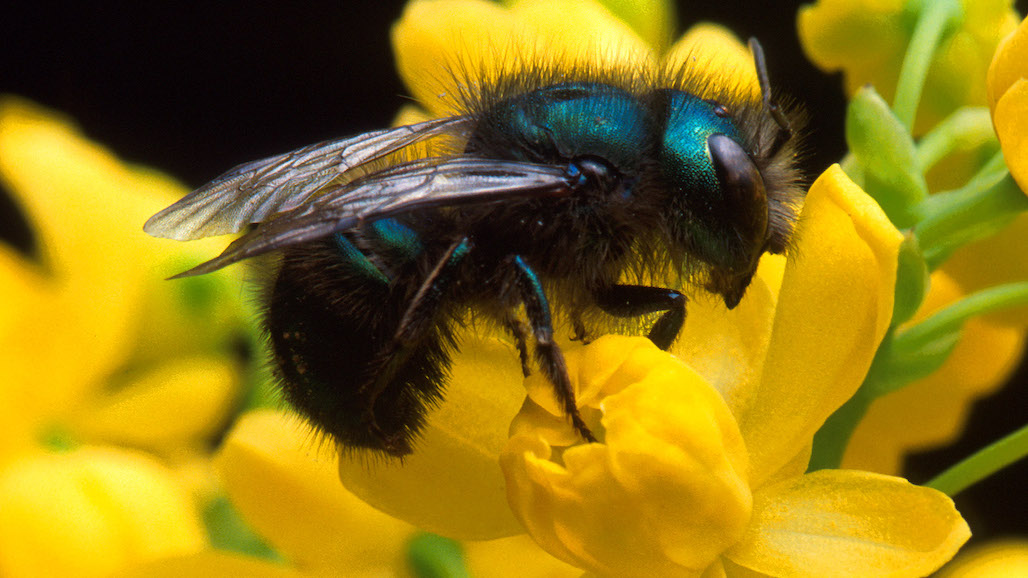
    The USDA’s Agricultural Research Service (ARS), in collaboration with the Ecological Forestry Applications Research Centre in Spain and North Dakota State University, conducted a comparison of the physiological and molecular processes involved in the summer and winter dormancy of Osmia lignaria, also known as blue orchard bee or orchard mason bee.

    This analysis of gene expression is believed to be the first to compare the dormancy periods of this species in their natural habitat, and more importantly, it led to sequencing the first draft genome of this important pollinator for the almond industry.

    According to the U.S. Forest Service, North America has 140 species of OsmiaOsmia lignaria, a solitary bee, follows a one-year lifecycle that includes two periods of dormancy. During summer, the bee develops to the prepupal stage (the stage of larva after its final molt), pauses, then finishes to developing to the adult stage before winter. Adult bees slow their metabolic activity while overwintering [second dormancy]. When spring arrives, adult bees emerge from dormancy and become highly active in pollination. Although this species does not produce honey, it is very effective in pollinating almond trees due to cross-pollination among different varieties, which leads to higher crop yields.

    “This species inhabits a wide latitudinal range in North America, with populations in the north having different developmental rates and lengths of dormancy periods than those in southern populations,” said Alex Torson, a computational biologist with ARS’ Insect Genetics and Biochemistry Research in Fargo, North Dakota.

    “In the future, we can use the genome presented in this study to start comparing the genomes of individuals from these different geographic populations. If these differences in development and dormancy can be traced to their genetics, then we could develop managed populations from different geographic locations, and time the characteristics of those populations with peak floral blooms for different types of crops.”

    By aligning their emergence with the timing of crops, it would allow for better management and pollination, as this bee species emerges in the spring and is a significant pollinator of almond trees due to how it pollinates.

    Understanding how this lifecycle occurs has become increasingly important due to changes in environmental conditions. A better understanding of the evolutionary relationships among populations of this species will be critical for developing managed populations we can use for pollination services.

    The study is available in Insect Biochemistry and Molecular Biology.

    The Agricultural Research Service is the U.S. Department of Agriculture’s chief scientific in-house research agency. Daily, ARS focuses on solutions to agricultural problems affecting America. Each dollar invested in U.S. agricultural research results in $20 of economic impact.

  • UK Suspends Tariffs on All Raw Almonds Beginning April 11

    UK Suspends Tariffs on All Raw Almonds Beginning April 11

    Almond Board of California — The United Kingdom’s government announced it would suspend tariffs for at least two years on raw kernel and inshell almonds from all origins – including the U.S. – beginning April 11, 2024.

    The Almond Board of California has been working for many years with the UK’s Nut and Dried Fruit Trade Association (NDFTA), the group that represents the UK processors buying California almonds. This past year, ABC provided factual information and trade data to NDFTA, which they used to officially apply to have tariffs suspended on imported almonds.

    “We are grateful for our long-time partnership with the UK’s Nut and Dried Fruit Trade Association and appreciate the UK government’s approval of the application to suspend tariffs on almonds,” said Julie Adams, ABC’s vice president for global technical and regulatory affairs. “This will certainly benefit UK consumers with increased availability of healthy almond products.”

    The tariffs – 4% on inshell almonds and 2% on raw kernels – have been in place since the UK left the European Union in 2021.

    UK trade officials on March 18 issued a list of commodities, including almonds, that will have tariffs suspended until June 30, 2026. UK officials said there is a possibility they will reassess before that date, possibly to extend the suspension or make a permanent change.

    Estimates put the costs of the soon-to-be-suspended tariffs to UK importers at about $4 million a year. The suspension will allow UK importers to offer a more competitive price on raw California almonds to UK processors, and ultimately to consumers.

    UK duties of 8-10% still remain on roasted almonds (which includes flavored almonds), 8% on marzipan and almond flour, and 20% on almond paste.

    “We plan to work with NDFTA to assess further tariff suspensions in the UK, and with other partners overseas to identify opportunities for additional tariff suspension requests to lower costs for importers and processors and boost demand for California almonds,” said Keith Schneller, ABC’s senior advisor on trade policy.

    About the Almond Board of California

    California almonds make life better by what we grow and how we grow. The Almond Board of California promotes natural, wholesome and quality almonds through leadership in strategic market development, innovative research and accelerated adoption of industry best practices on behalf of the more than 7,600 almond farmers and processors in California, most of whom are multi-generational family operations. ABC is a non-profit organization that administers a grower-enacted Federal Marketing Order under the supervision of the USDA. It was established in 1950 and is based in Modesto, CA. For more information on the Almond Board or California almonds, visit Almonds.com.

  • USDA Completes Laboratory Modernization to Advance Pecan Breeding and Research

    USDA Completes Laboratory Modernization to Advance Pecan Breeding and Research

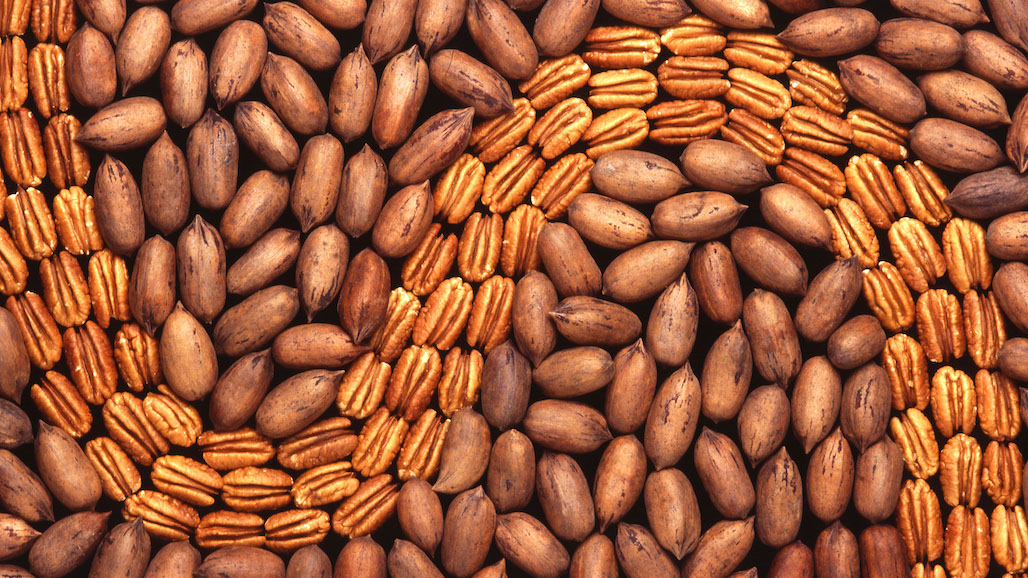
    The Pecan Breeding and Genetics Program of the U.S. Department of Agriculture’s Agricultural Research Service (USDA-ARS) recently completed a 2.5 million dollars laboratory modernization to accelerate pecan breeding through innovations in genetics and plant disease research. A ribbon-cutting ceremony was held on March 26 to commemorate the completion of the project.

    Pecan trees represent North America’s native nut tree and a multimillion-dollar crop. These trees have been cultivated commercially for less than 150 years. It takes an average of 28 years from planting a new seedling to releasing a new pecan cultivar with traditional methods of pecan breeding. This is due to the long waiting period for pecan trees to start producing nuts, which takes up more than half of the time. With the new modernized laboratory, the Pecan Breeding and Genetics Program will now be able to incorporate genetic techniques into pecan breeding to accurately predict mature nut traits on young seedlings, saving up to a decade in the breeding process.

    Breeding new pecan cultivars is a lengthy process with long waiting periods of 7-10 years before a pecan tree can produce nuts and long testing phases to evaluate potential cultivars. It is challenging to support pecan breeding efforts due to their high resource demands and extended timelines, which make it impractical for private or commercial entities and challenging for academic programs.

    The event was hosted by USDA’s ARS and the Texas Pecan Grower’s Association. ARS leaders, State Representatives, scientists, and members of the pecan industry organizations toured the new laboratory with now dedicated research spaces for plant genetics, microscopy, tissue culture, controlled-environment growth chambers, and plant disease research.

    “Today marks the celebration of the opening of a new genetics and pathology laboratory,” said Warren Chatwin, the Lead Scientist at the Pecan Breeding and Genetics Program in Somerville, Texas. “This facility will enable ARS’ researchers here at Somerville to advance pecan breeding and support modern genetics and plant disease research, which hasn’t been possible since this site was established in the 1980s.”

    “This event also highlights the significant impact of our stakeholders, the pecan industry organizations. They have unified their voice through the National Pecan Federation to express the need for increased quality, accuracy, and speed of pecan breeding, genetics, and plant disease research, leading to the establishment of this laboratory space. The success of our research is only possible through partnerships with stakeholders including the Texas Pecan Grower’s Association, which has provided decades of support and significant contributions, most recently through the National Pecan Federation,” added Chatwin.

    In addition, researchers will now be able to do controlled evaluations of promising breeding lines with different regional strains of pecan scab. Pecan scab, caused by the fungal pathogen Venturia effusa, is the most economically significant disease in the pecan industry and has high diversity across the geographic range of cultivated pecans. For the first time, the Pecan Breeding and Genetics Program will now be able to screen pecan scab cultures from all areas of the country in controlled environments to identify new sources of disease resistance and incorporate those unique samples into the breeding program. Researchers will also be able to do controlled evaluations for other significant and emerging pathogens of pecan, including the heavily quarantined international pathogen, Xylella fastidiosa.

    The Pecan Breeding and Genetics program has released 32 pecan cultivars to the industry, with notable releases like ‘Pawnee,’ which moved the commercial harvest window forward to mid-September, ‘Lakota,’ which has high scab resistance, and ‘Wichita,’ a high-yielding cultivar that performs well in the West. USDA-ARS’ most recently released cultivars include ‘Pueblo,’ ‘Seneca,’ and ‘Zuni,’ which were patented in 2022.

    The Agricultural Research Service is the U.S. Department of Agriculture’s chief scientific in-house research agency. Daily, ARS focuses on solutions to agricultural problems affecting America. Each dollar invested in U.S. agricultural research results in $20 of economic impact.

  • Tyler Zion Promoted to Director of Sales at Meridian Growers

    Tyler Zion Promoted to Director of Sales at Meridian Growers

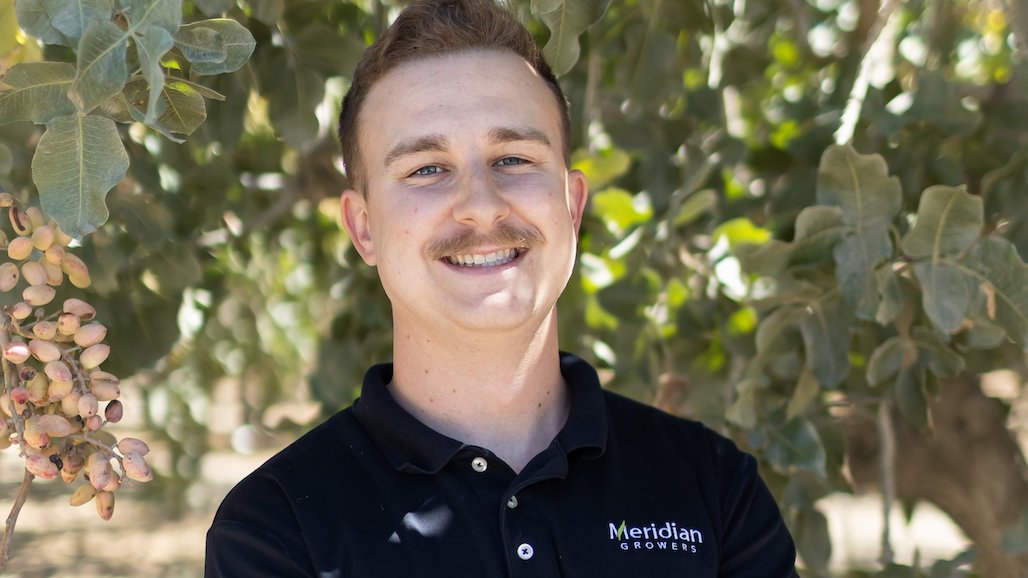
    Meridian Growers has announced the promotion of Tyler Zion to the position of Director of Sales. In this new capacity, Tyler will be responsible for all sales for Meridian Growers.

    Tyler Zion is a recent graduate of American Pistachio Growers LeadOn pistachio leadership program, which, no doubt, has helped prepare him serve Meridian Growers and the pistachio industry at this new capacity. He is pictured here (Right) with his father Jim Zion (Left).

    Tyler Zion was hired in February of 2023 as a sales representative. Since coming on board, he has progressed quickly and proven his ability to adapt and grow in his industry knowledge. Tyler will be overseeing the sales of the almonds, pistachios, and pecans they grow and sell worldwide. Meridian is eager for Tyler to strengthen their market base and continue their mission to be the bridge between growers and users of dried fruits and nuts.

    “I am very excited to take on this new opportunity and continue the established relationships that Meridian has with its customers while continuing to make new connections in markets around the world,” shared Tyler Zion.

    “I am pleased to have Tyler take over the day-to-day sales activity for our company, especially since we are now offering value added products. I fully expect Tyler to be an asset in the years to come that allows us to continue to provide our customers with the high-quality products and services they deserve while enabling us to achieve our goals for growth as a company. At Meridian we have a long-standing policy of promoting from within whenever possible. That way, both our staff and customers benefit from the knowledge and skills acquired over time while ensuring we maintain high quality products,” stated Jim Zion, Managing Director at Meridian.

    Meridian Growers has been in business since 1998 and is a grower, processor, shipper and marketer of California and Arizona almonds, pistachios, and pecans.

    Tyler Zion can be reached at 559-326-9511, or tzion@meridiangrowers.com.

  • North San Joaquin Valley Issued ‘AA’ BDO Zone Rating For Tree Nut Biomass

    North San Joaquin Valley Issued ‘AA’ BDO Zone Rating For Tree Nut Biomass

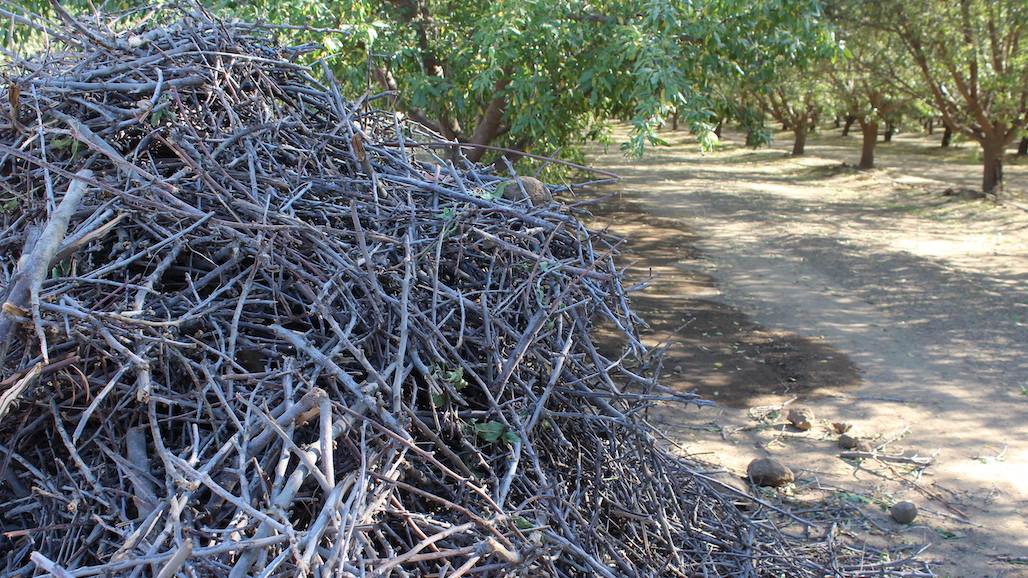
    BEAM Circular, the Almond Board of CaliforniaStanislaus County and Ecostrat are pleased to announce the issue of a rare ‘AA’ rating to the North San Joaquin Valley Bioeconomy Development Opportunity Zone centered in Modesto, CA, North America’s first BDO Zone rating for Orchard Biomass, Nut Tree Shells and Almond Hulls.

    The North San Joaquin Valley BDO Zone investment grade rating denotes ‘very high quality’ feedstock supply chains and infrastructure. The region exhibits a longstanding industry supported by 6,300 nut tree growers and suppliers along with a robust network of processors and separators of nuts from shells and hulls in concentrated locations. Decreasing local demand for local biomass along with significant quantities of feedstock currently available for the cost of transportation create ideal conditions for large-scale bio-project development. Significant infrastructure advantages include flexible zoning, access to natural gas, rail connectivity, and proximity to an extensive highway system.

    “The ‘AA’ rating for the North San Joaquin Valley’s BDO Zone is a testament to our region’s unique positioning for global leadership in the bioeconomy,” stated Karen Warner, CEO of BEAM Circular. “Local communities here are proactively investing in the infrastructure, partnerships, and innovation that will allow us to grow world-class bioindustrial manufacturing facilities in the heart of the most productive agricultural state in America. This region is ready to support and scale the future of sustainable bioproduction.”

    “Almond biomass is uniquely concentrated with well established transport systems. With this rating and the research investments made by the almond industry, we stand ready to partner with companies in bio-based industries,” said Josette Lewis, Vice President and Chief Scientific Officer of the Almond Board of California.

    “Rated for over a million tons of underutilized project-available feedstock, this first ‘AA’ BDO Zone rating for tree nut biomass underscores the high level of regional readiness for biomanufacturing within the North San Joaquin Valley,” said Jordan Solomon, Chairman of the BDO Zone Initiative. “The zone offers very low-risk supply chains and is positioned as a prime target for top-tier and innovative bio-based projects. The collaborative efforts of organizations dedicated to realizing this BDO Zone highlight the region’s visionary approach and the bold stance it takes in the global bioeconomy.”

    “Stanislaus County is proud to be investing in the growth of our region’s bioproduction leadership,” said Mani Grewal, Chairman of the Stanislaus County Board of Supervisors. “We are building upon our historic strengths in agriculture and manufacturing to grow the bio-based industries of the future. We welcome collaboration with new projects that create quality jobs and advance the economic vitality of our community.”

    To see the full BDO Zone Rating for North San Joaquin Valley please click here, or visit www.bdozone.org.

    About the North San Joaquin Valley

    The North San Joaquin Valley (NSJV) is the ideal location for scaling globally competitive biomanufacturing. The NSJV is a tri-county region of 1.6 million people consisting of Merced, San Joaquin, and Stanislaus Counties, located in the heart of the most productive agricultural land in the United States. A global leader in large-scale agricultural production and food processing, the region’s combination of existing manufacturing infrastructure and abundant biomass feedstocks are unparalleled. The NSJV’s proximity to the San Francisco Bay Area and regional centers of technology innovation gives it access to world-class biotechnology and advanced manufacturing innovation.

    BEAM Circular is building a vibrant regional ecosystem for the circular bioeconomy in California’s agricultural heartland. Anchored in the North San Joaquin Valley, the non-profit organization facilitates public-private collaboration through the BioEconomy, Agriculture, & Manufacturing (BEAM) Initiative to scale the most promising innovations in bioindustrial manufacturing and to advance solutions that support economic and environmental outcomes for local communities. For more information about BEAM Circular, visit www.beamcircular.org.

    About the Almond Board of California

    California almonds make life better by what we grow and how we grow. The Almond Board of California promotes natural, wholesome and quality almonds through leadership in strategic market development, innovative research, and accelerated adoption of industry best practices on behalf of the more than 7,600 almond farmers and processors in California, most of whom are multi-generational family operations. Established in 1950 and based in Modesto, California, the Almond Board of California is a non-profit organization that administers a grower-enacted Federal Marketing Order under the supervision of the United States Department of Agriculture. For more information about the Almond Board of California, visit www.almonds.com.

    About Stanislaus County

    Stanislaus County is located in the heart of the San Joaquin Valley, the geographical center of California. The county, with an economy and heritage deeply rooted in the agricultural sector, is quickly becoming one of the fastest growing regions of the state and a center of bioindustrial innovation. The bioindustrial manufacturing sector was identified as a strategic priority industry in the Stanislaus 2030 Investment Blueprint, and Stanislaus County provided seed funding to launch the BioEconomy, Agriculture, & Manufacturing (BEAM) Initiative in January 2023.

    About The BDO Zone Initiative

    The BDO Zone Initiative certifies regional readiness for bio-based manufacturing, creates global connections with project developers, and ignites an influx of clean energy opportunities.

    A BDO Zone rating is an internationally recognized standards-based technical risk assessment of biomass feedstock, supply chain, and infrastructure risk with respect to the development potential of new biofuel, renewable chemical, biogas, and bioproduct plants. Investment grade ratings attract new bio-based manufacturing plants to the areas where they are most likely to succeed – and create jobs.  To view all current and upcoming BDO Zone designations, visit www.bdozone.org.

    About Ecostrat

    Ecostrat is the North American Leader in supplying biomass due diligence for biofuels, renewable chemicals, biogas, and bio-product project development and finance. Ecostrat led the USDOE/BETO funded project to develop the new investment Standards and Ratings for Biomass Supply Chain Risk which were subsequently used in the development of the CSA W209:21 Biomass supply chain risk National Standard of Canada.

    Ecostrat’s Advisory Group combines the BSCR Standards with powerful predictive analytics to understand and minimize supply chain risk. Its Biomass Supply Group has 25 years of experience in sourcing and supplying more than 5 million tons of biomass feedstock for bioenergy, biofuel, and biochemical projects across North America. For more information about Ecostrat, visit the company’s website at www.ecostrat.com.

  • 2023-2024 Winter Chill, Dormancy & Walnut Management Update

    2023-2024 Winter Chill, Dormancy & Walnut Management Update

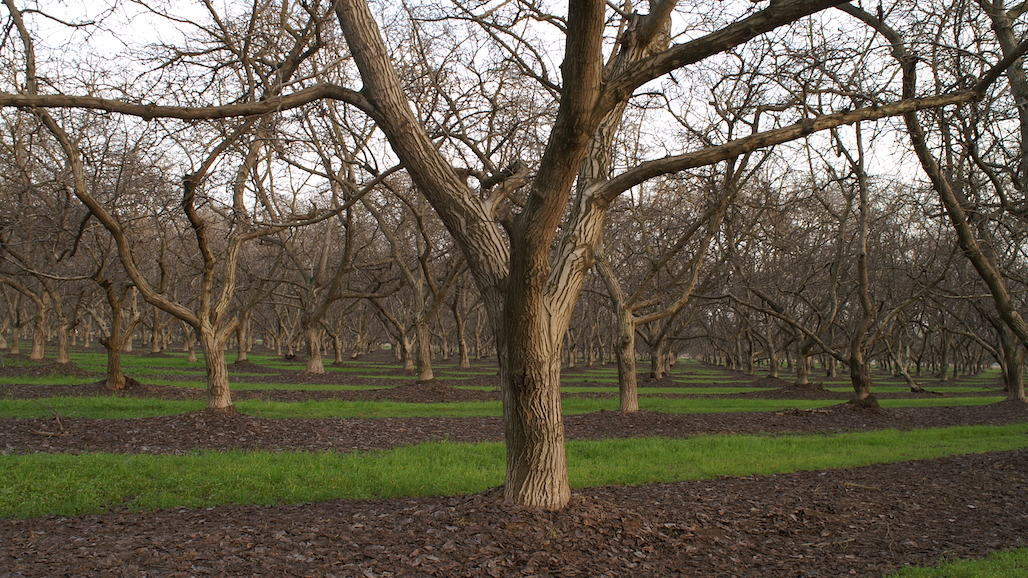
    Walnuts are one of the highest chill requirement tree crops in California. Though it’s easy to forget given the luxuriously high amounts of chill last year, multiple recent winters have fallen short of the chill accumulation needed for a tight, economical walnut bloom (e.g. 2014, 2015, 2020). Inadequate winter chill accumulation can result in delayed budbreak, scattered or prolonged budbreak and buds on southern sides of branches never opening. Prolonged bloom can result in a wider variety in nut sizes, more small nuts, and multiple shakes, while also complicating timing of control measures for blight or husk split pests. In the next 20-40 years, Central Valley walnut orchards will get 14-20% less winter chill than in the 1950s when many of our grandparents were farming. Anecdotal experience suggests the chilling requirement for ‘Chandler’ is around 60-65 chill portions as quantified by the Dynamic Model. Given decreased chill projections it is likely that currently planted ‘Chandler’ orchards will not meet their chilling requirement in at least one out of ten years in most of the Central Valley in the coming decades, if left to their own devices. While we wait for high quality lower chill varieties to develop, how can walnut growers manage the chilling requirements of the orchards in the ground now? This has been the topic of many recent years of UC research with funding from the California Walnut Board and the California Department of Food and Agriculture.

    Looking at a sampling of four CIMIS weather stations using the UC Fruit & Nut Center chill calculator tool, on average the Sacramento Valley has accumulated 41 chill portions to date (written January 14th). This is about 20% below last year, and more in keeping with the winter of 2019-2020. While 2019-2020 was a low chill accumulation winter, that was due in large part to a fairly warm February. Thus, it’s too early to say if this is a year in which dormancy breaking treatments would be beneficial. Keep an eye on the UC Fruit & Nut Center’s chill calculator. Nonetheless, it’s good to be aware for future winters that there are options in the toolbox.

    For three winters, we have been studying the impact of a number of dormancy breaking treatments to give growers tools to deal with low chill winters (see here for more detail on previous years). Rather than wait for low chill years to come along, we’ve created warm winter conditions in large, open-top chambers that we’ve built around mature Chandler trees at the UC Davis campus. These trees were coupled with unheated trees that got sufficient winter chill. Approximately 30-40 days before (what we hoped would be) budbreak, dormancy breaking treatments were applied to different scaffolds in each tree. We then monitored budbreak over many weeks to quantify timing of 50% budbreak, the duration of budbreak and the percent of buds that opened on a scaffold.

    Over the course of three years, we’ve tested hydrogen cyanamide, often marketed as Dormex®, a blend of nitrogen compounds marketed as Erger®, an analogue of the plant hormone cytokinin, marketed as Mocksi®, and calcium ammonium nitrate (CAN-17), all of which were compared with a water control. Dormex is the only one of these products currently labeled for use as a dormancy breaker in walnuts (see label for more use details). Erger and CAN-17 are labeled as fertilizers. Over the last two years (2021 and 2022), we found that at least in terms of budbreak timing, it appears Dormex at 2% and 4% and CAN-17 at 20% could prompt heated scaffolds to behave like they had received enough chill, whereas Erger at 6% only partially compensates for lack of winter chill. Dormex at 4% moved timing even earlier than the sufficiently chilled control, whereas Erger moved the timing but only about halfway between the timing of the heated control and the sufficiently chilled control. No effect was seen using Mocksi over two years.

    This previous winter-spring, we put Dormex at 2% and 4% head-to-head. Given that last year was a very high chill winter, it was hard to force insufficient chill accumulation, even with our heated tents. Ambient trees accumulated 78-82 chill portions, while heated trees accumulated 10-12% less, 69-74 chill portions. Both Dormex at 2% and 4% moved terminal and lateral budbreak timing on the heated trees to similar values as seen in the unheated control, in essence compensating for the chill difference. Dormex at 2% also increased the percent of buds that opened, to values as high (lateral buds) or higher (terminal buds) than the unheated control scaffolds. Budbreak percent was not different between Dormex at 4% and the water control within heated or unheated trees. In other words, under these conditions of 69-74 chill portions, it would not have been beneficial to use Dormex at a rate higher than 2%. However, even given this range of chill accumulation, which is considered sufficient, 2% Dormex increased lateral budbreak from 29% to 42% and terminal budbreak from 89% to 98%. That said, in unheated trees, which accumulated 78-82 chill portions, there was no significant increase in budbreak from Dormex use at either rate.

    With generous collaboration from two grower hosts, we also compared Dormex at both 2% and 4% and CAN-17 last year at a field scale, to be able to collect yield data, in addition to budbreak data. At one healthy orchard just a few years into its prime yielding years (10th leaf) near Glenn County, where 73 chill portions accumulated (similar to heated trees on campus), we saw the same change in budbreak timing (3 days earlier) across each treatment when compared to no treatment. This did not lead to significant differences in yield, contrary to what the increased percentage of budbreak in the campus heated tented trees might have led us to expect. Yields ranged on average from 6,240-6,690 lb per acre across treatments. Across size quality measurements (percent jumbos, large, average nut weight, edible yield), nuts from the Dormex treatments were not significantly different from the control, though relative to the control nuts, the CAN-17 treatment had a lower average percentage of large and jumbo nuts (52% v. 64%) and lower average weight (9.15 g v. 10.09 g). There were no differences in color quality as measured by reflected light index (RLI) among any of the treatments.

    At the Chandler orchard at the Nickels Soils Lab, where 82 chill portions were accumulated (similar to unheated trees on campus), there was a small but significant change in timing of budbreak in each treatment relative to the control (3 days). Surprisingly, however, there was also an increase in yield in the 4% Dormex treatments relative to the control, yielding on average more than 1,400 lb more per acre (5,216 lb vs. 6,857 lb). The average yields in the Dormex at 2% treatment and the CAN-17 treatment were also numerically higher than the control (1,019 lb higher and 719 lb higher, respectively), but there was a great deal of variability in different replicates, making it difficult to statistics to decipher if yield differences can be attributed to the treatments. There were no differences between any of the treatments and the control treatment across size quality measurements (percent jumbos, large, average nut weight, edible yield) or color quality (RLI).

    It is perilous to draw conclusions about dormancy treatment efficacy at a field scale based on one high chill year’s data. The difference in yield effects at the Glenn County orchard and Nickels Soils Lab is intriguing. The Nickels site is an older orchard at a tighter spacing, suffering from significant limb dieback from shading coupled with Botryosphaeria infections. One possible explanation for the yield difference would be that the Nickels site benefitted from treatments that encouraged additional budbreak, whereas at the healthy, high yielding Glenn County orchard there was already sufficient budbreak without intervention. Knowing that June drop generally reduces cropload, it’d make sense that increased budbreak, as we saw in the campus trees with 2% Dormex, would not necessarily lead to increased yield. Given high chill accumulation in healthy orchards, dormancy breaking treatments are unlikely to pay for themselves at current walnut prices. If chill accumulation is lower than ~60 chill portions, our heated tent data indicates they may pay for themselves, but we’ll need yield data at production scale to know for sure. The Nickels results point to the possibility that dormancy breaking treatments may be of use in orchards with limb dieback. At the same time, we need to be cautious to watch for swings in yield this coming year that may result from over-taxing the already struggling trees. Particularly given how tight walnut budgets are these days, I’d wait for more data before trying out this orchard-renewal strategy at a large scale if I were a grower.

    We’ll continue this project with funding from the California Department of Food and Agriculture to improve understanding of ideal rates and timings, and the physiological response to these treatments inside the trees. Stay tuned! — By Katherine Jarvis-Shean, Orchard Systems Advisor UCCE Sacramento-Solano-Yolo

  • Preventing Bacterial Blast Damage in Almond This Year

    Preventing Bacterial Blast Damage in Almond This Year

    In 2023, the cold, wet weather during bloom and leaf-out resulted in bacterial blast damage in many Sacramento Valley almond orchards. If conditions this year are cold and wet during bloom, we may see a recurrence of blast: make a plan now to keep blast damage to a minimum.

    The Bottom Line:

    • Bacterial blast can be a problem when cold, wet conditions coincide with bloom or leaf-out.
    • Copper resistance is common in the pathogen: spraying copper is ineffective for preventing blast in many orchards.
    • Frost protection is the most economical prevention option and will help prevent damage from both frost and bacterial blast.
    • The antibiotic kasugamycin (Kasumin®) is effective for preventing blast when applied up to 7 days before cold, wet weather. It has received approval for availability this year under an emergency exemption registration (Section 18) but is not currently labeled for almond under a full registration (Section 3).The Details:

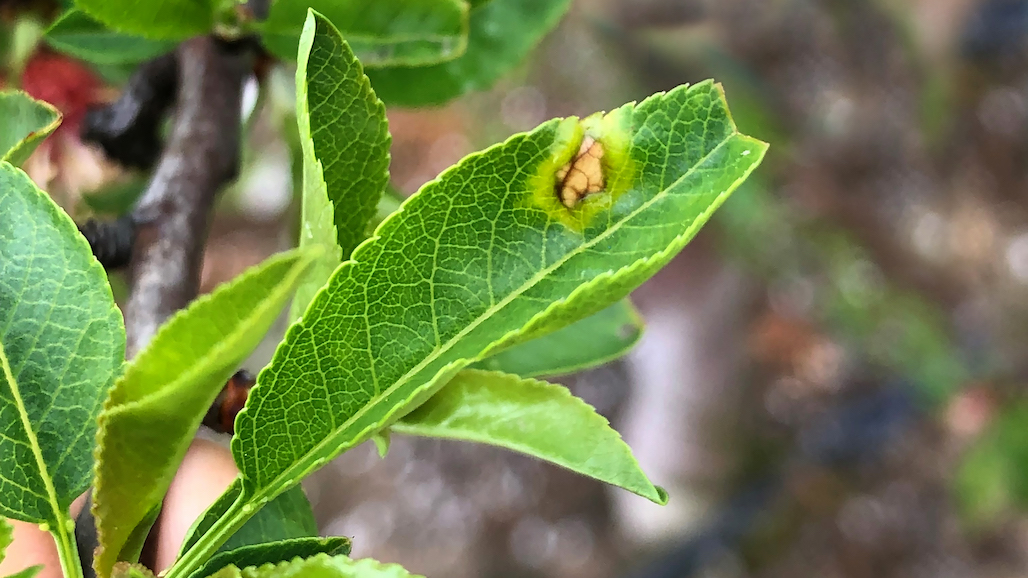
      Pseudomonas syringae pv. syringae (Pseudomonas) is a bacterium which can infect all aboveground parts of an almond tree. If leaves, flowers, or spurs are infected, the resulting disease is bacterial blast. Pseudomonas is ubiquitous in orchards, so bacterial blast is likely to develop whenever environmental conditions are cold and wet, which favors this disease. Pseudomonas is spread by water hitting the trees, either from rain or sprinklers. If this wetting occurs at the same time as frost damage, Pseudomonas can enter the tree through cells damaged by freezing. Trees are especially susceptible to frost damage during bloom and leaf-out, when tender new growth is exposed to cold temperatures.

      Preventing infection by Pseudomonas is the only way to control bacterial blast. Frost protection in an orchard is your best defense and your most inexpensive prevention strategy: if the trees are not damaged by frost, Pseudomonas will not be able to enter the tree to cause disease. As a second line of defense, research has shown that kasugamycin (Kasumin®) is effective for preventing bacterial blast when applied no more than 7 days before cold, wet weather. Note that kasugamycin is currently not labeled for use in almond, but has become available this season due to a Section 18 exemption. If the weather warrants treatment, kasugamycin can be used as a preventative spray up to two times during bloom. For this spray, complete coverage is crucial for control: all tender new growth must be covered in a protective layer of the antibiotic for it to be effective. Any tissue left uncovered will be unprotected.

      What about copper? Current work by UC researchers shows that copper-resistance is common in Pseudomonas throughout the state. Many of the orchards heavily affected by blast in 2023 received multiple dormant sprays containing copper. In some cases, mixing mancozeb with copper may provide some level of control, but research shows that this mixture is not as effective as kasugamycin and the copper can cause phytotoxicity. — By Jaime Ott, UCCE Tehama, Shasta, Glenn, and Butte Counties

      For more information on bacterial blast, check out these articles at sacvalleyorchards.com

      Bacterial blast/canker: What do we know? – an update on the factors predisposing orchards to damage by bacterial blast, and more details about control strategies for bacterial blast

      Bacterial Blast and Canker – a good description of the various symptoms seen with bacterial blast

  • Diamond of California® Debuts Crunchy Nut Toppers in Four Flavors

    Diamond of California® Debuts Crunchy Nut Toppers in Four Flavors

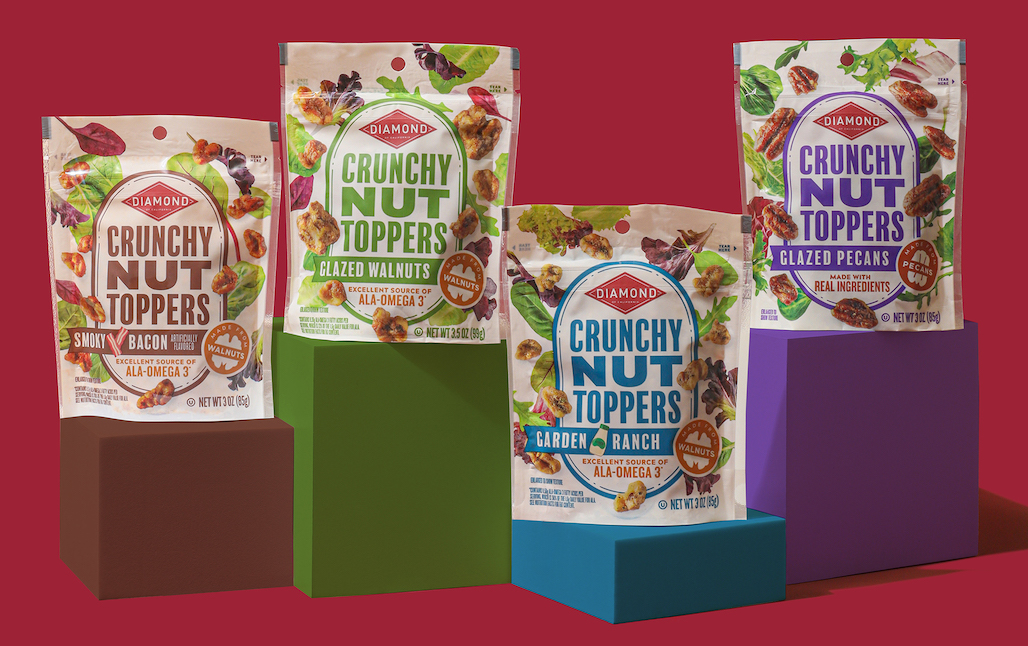
    Diamond of California®, the century-old producer of “Made for Homemade” specialty nuts and pioneer of nut-based culinary products like Snack Walnuts, Snack Pecans and Nut Pie Crusts, announces today the launch of its newest innovation, Crunchy Nut Toppers (SRP: $2.99/3oz). Crunchy Nut Toppers are made with bite-size pieces of nutrient-dense walnuts (an excellent source of ALA-Omega 3) and pecans, and are seasoned with simple ingredients to create a salad topping you can feel good about. Use them to add a crave-able crunch to salads, baked potatoes, veggie sides, and more. Crunchy Nut Toppers are available now online and in-stores nationwide in four flavors including bacon-free Smoky Bacon Walnuts, dairy-free Garden Ranch Walnuts, Glazed Walnuts, and Glazed Pecans.

    “At Diamond of California® we continue to use our walnuts and pecans to create innovative and functional products that make at-home meals effortless and delicious,” said Craig Tokusato, CMO of Diamond of California®. “We all know a little extra flavor and crunch elevates any dish so we hope this new line of ready-to-use Crunchy Nut Toppers inspires home cooks to make good food even better. We recommend using them wherever you might add bacon bits, crispy onions, or croutons.”

    Diamond of California® Crunchy Nut Toppers are now available nationwide on shop.diamondnuts.com and in the salad topper section of major retailers like, Food Lion, Winn-Dixie, Lowes Foods, Food City, Big Y, Gelson’s, Save Mart, Lucky, Food Maxx, and coming soon to Amazon. To learn more about Crunchy Nut Toppers and for more information on Diamond of California® visit their website or follow along @DiamondNuts on Instagram and Facebook.

    About Diamond of California®

    Diamond of California®, the century-old producer of specialty nuts, has worked with walnut growers since 1912, making the company one of the earliest pioneers of the farm-to-table movement. The company packages fresh walnuts, almonds, pecans and other culinary nuts in whole, sliced, diced, and chopped forms. Their most recent innovations, Ready-to-Use Nut Pie Crusts and Ready-to-Eat Snack Walnuts & Pecans, can be found in the baking and snack aisles respectively. Headquartered in Stockton, California, Diamond of California® is located in the state’s heartland, where most of its orchards lie. Diamond of California® believes that nuts make good food even better. That’s why they’ve offered fresh, high quality and great tasting nuts that are truly made for homemade, for over 100 years.

  • Almond Board of California Announces 2024 Elections

    Almond Board of California Announces 2024 Elections

    Elections for the Almond Board of California (ABC) Board of Directors will launch for the 2024-2025 crop year on Friday, Feb. 9 with the call to all candidates to file their petitions or declarations of candidacy by April 1, 2024.

    The industry will choose people to hold two independent grower positions and two independent handler positions on the ABC Board of Directors in voting that starts April 22 and ends May 23. Alternate seats for those spots are also open.

    To be considered for an independent grower or alternate seat, candidates must be a current grower and must submit a petition signed by at least 15 independent almond growers (as verified by ABC). Independent handler and alternate candidates must declare their intention in writing to ABC.

    All details, documents, open positions, the election timeline and deadlines, and frequently asked questions can be found at Almonds.com/Elections. All petitions and declarations must state the position for which the candidate is running and be sent to abcbodelections@almondboard.com or printed and mailed to ABC, 1150 Ninth St., Suite 1500, Modesto, CA 95354. The deadline for all filings is April 1. Potential candidates who’d like more information can contact ABC at abcbodelections@almondboard.com.

    “The ABC Board of Directors is tremendously important to the success of our industry,” said ABC President and CEO Clarice Turner. “More than 7,600 growers and 100 handlers count on them to guide the work of the Almond Board and to help the industry navigate these complicated times and work toward a positive future.”

    The ABC board sets policy and recommends budgets in major areas, including marketing, production research, public relations and advertising, nutrition research, statistical reporting, quality control and food safety.

    Getting involved provides an opportunity to help shape the future of the almond industry and to help guide ABC in its mission to promote California almonds to domestic and international audiences through marketing efforts, funding and promoting studies about almonds’ health benefits, and ensuring best-of-class agricultural practices and food safety.

    ABC encourages eligible women, minorities and people with disabilities to consider running for a position on the Board of Directors to reflect the diversity of the industry it serves.

    About the Almond Board of California
    California almonds make life better by what we grow and how we grow. The Almond Board of California promotes natural, wholesome and quality almonds through leadership in strategic market development, innovative research, and accelerated adoption of industry best practices on behalf of the more than 7,600 almond farmers and processors in California, most of whom are multi-generational family operations. ABC is a non-profit organization that administers a grower-enacted Federal Marketing Order under the supervision of the USDA. It was established in 1950 and is based in Modesto, CA. For more information on the Almond Board or California almonds, visit Almonds.com.