Category: Non-Video

  • California Walnut Industry Supports USDA’s Expansion of Food Offerings to Include Walnut-Based Products

    California Walnut Industry Supports USDA’s Expansion of Food Offerings to Include Walnut-Based Products

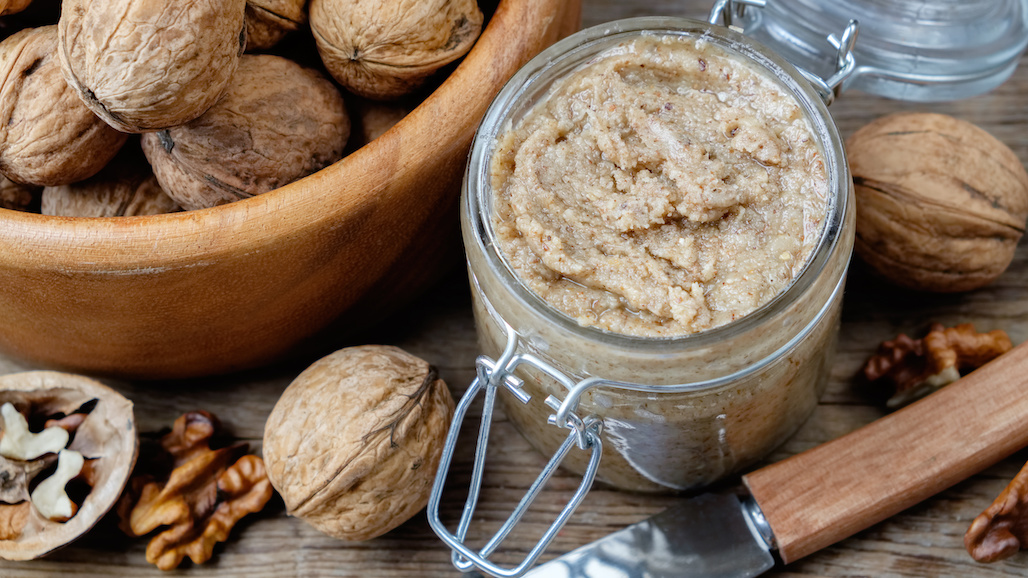
    The California Walnut Commission (CWC) supports the recent announcements by the US Department of Agriculture (USDA) for the authorization of nuts and seeds to comprise the full meat/meat alternative component of meals in the Food and Nutrition Service (FNS) Child Nutrition Programs. This follows the recent notice of the addition of nut and seed butters, such as walnut butter, as alternatives to peanut butter and eggs in the Special Supplemental Nutrition Program for Women, Infants, and Children (WIC).

    The CWC believes these changes align more closely with U.S. Dietary Guidelines for Americans and better promote nutrition security. Walnuts are an important component of a healthy diet for Americans and allow for broader access to food choices and nutrition.

    This is an important strategic step forward in providing increased access to California walnuts to both underserved and school-aged populations. Robert Verloop, CEO for the CWC stated, “California walnuts are a great tasting, nutrient-dense food which fits with USDA recommendations and provide a wide-range of nutritional benefits, including essential omega-3 alpha linolenic acid (ALA).  We are excited for the addition for walnuts and walnut butter to be available for consumers looking for more plant-based options, vegetarian diets and other food preferences.” CWC provided comments to USDA in February 2023 on food products available in the WIC food packages and in March 2023 on the revisions to the Child Nutrition Programs, for the allowance of nuts to be 100% of the meat/meat alternative component of meals.

    The California walnut industry applauds USDA for the FNS Child Nutrition and WIC program revisions and looks forward to supporting these food assistance efforts by providing high quality, nutritious and safe walnuts and walnut products for schools and the community participating in the WIC program.

    About the California Walnut Boardand Commission

    The California Walnut Commission (CWC) represents more than 4,600 California walnut growers and nearly 75 handlers, grown in multi-generational farmers’ family orchards. More than 99% of the walnuts grown in the United States are from California, which in 2023 accounted for 1.64 billion pounds of walnuts, shipping into more than 50 countries around the world. The CWB also provides funding for walnut production, food safety and post-harvest research. The CWC, established in 1987, is mainly involved in health research and export market development activities. For more industry information, health research and recipe ideas, visit www.walnuts.org.
  • Almond Board of California 2024 Elections Underway

    Almond Board of California 2024 Elections Underway

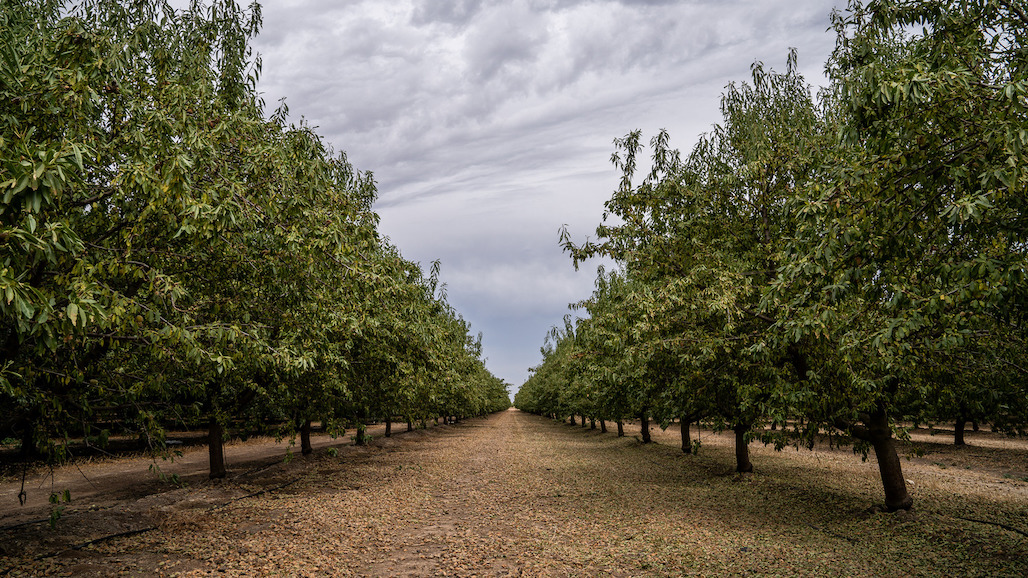
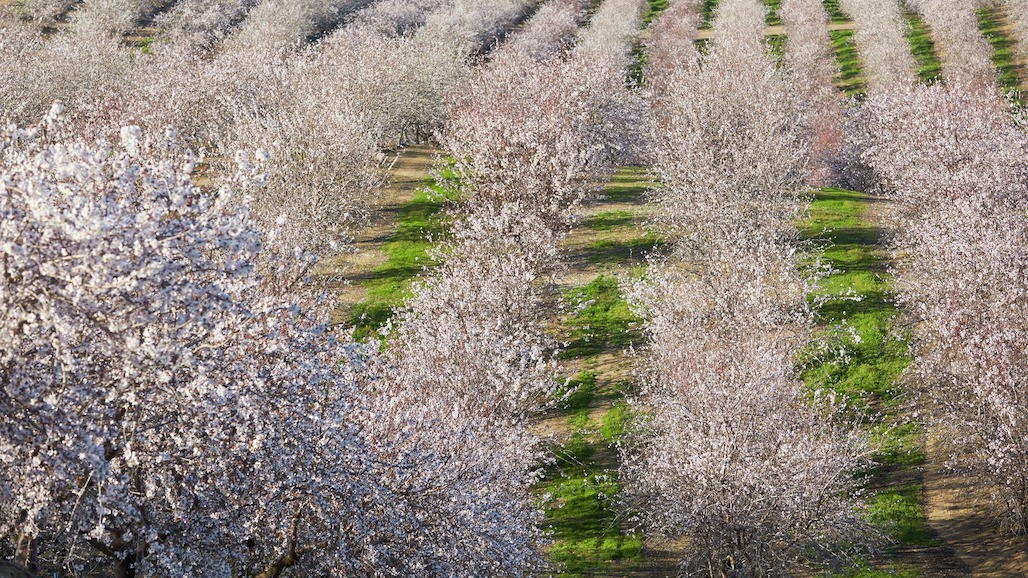
    Elections are underway, and almond growers have the opportunity to vote for and select two independent grower positions and two independent handler positions on the Almond Board of California Board of Directors. Alternate seats for those spots are also on the ballot. Voting ends May 23.

    Candidates for the independent grower positions:

    Grower Position #1, Member (1-year term):             Grower Position #1, Alternate:

    Paul Ewing, Los Banos (incumbent)                         Katie Staack, Hughson (incumbent)

    Grower Position #3, Member (3-year term):              Grower Position #3, Alternate

    Joe Gardiner, Earlimart (incumbent)                          No declared candidate

    Candidates for the independent handler positions:

    Handler Position #2, Member (3-year term):             Handler Position #2, Alternate:

    Bob Silveira, Williams (incumbent)                            Dexter Long, Ballico (incumbent)

    Justin Morehead, Coalinga (petitioner)

    Handler Position #3, Member (1-year term):             Handler Position #3, Alternate:

    Darren Rigg, Le Grand (incumbent)                           Chad DeRose, McFarland (incumbent)

    Ballots and instructions have been mailed to all independent growers and handlers whose names are on file with ABC. Ballots must be received by ABC by May 23. Any independent grower or handler who does not receive a ballot can contact Toni Arellano at tarellano@almondboard.com.

    “Every vote is important, and it’s equally important to have as much of the industry as possible represented in the voting,” said ABC President and CEO Clarice Turner. “The Board of Directors represents more than 7,600 growers and 100 handlers. They guide the work of the Almond Board to help the industry build a positive future in these complicated times.”

    All details, documents, open positions, timelines and frequently asked questions can be found at Almonds.com/Elections.

    The ABC board is made up of five handler and five grower representatives. It sets policy and recommends budgets in major areas, including marketing, production research, advertising, public relations, nutrition research, statistical reporting, quality control and food safety.

    Results will be announced June 1 and the new board will start its term Aug. 1.

  • California Bearing Almond Acreage Drops for the First Time in Decades

    California Bearing Almond Acreage Drops for the First Time in Decades

    California’s bearing almond acreage decreased slightly over the past year, according to a new report from Land IQ to the Almond Board of California (ABC). It is the first time since at least 1995 that the total of bearing acres has not grown.

    Land IQ’s 2024 Standing Acreage Initial Estimate issued recently looked at bearing acreage – orchards planted before 2022 and that have matured enough to produce a crop for the coming 2024 harvest. It estimated that bearing almond orchards at harvest will cover 1.373 million acres across California, a decrease of about 600 acres.

    In addition, Land IQ estimates that approximately 71,000 acres of orchards will be removed by the end of the crop year, adding to the 83,000 acres removed in the 2023-24 crop year, according to Land IQ’s estimate issued in November last year.

    While the bearing acreage drop may be small – far less than 1 percent – it marks the first time since at least 1995 that bearing acreage has not increased, according to numbers issued previously by the USDA-National Agricultural Statistics Service (USDA-NASS), and with the orchard removals continues a trend over recent years of decreasing almond acreage in California.

    “The decrease in bearing acreage and continued orchard removals, coupled with drops in overall acreage and non-bearing acreage the last two years, signal a probable trend toward lower overall California almond acreage,” said Clarice Turner, ABC president and CEO. “We continue to see strong shipments this year, so we know global demand for California almonds continues to grow. There is no doubt that almonds will continue to have a very significant role in California and global agriculture and food industries for the foreseeable future.”

    The Land IQ report is a snapshot of the coming 2024 harvest but does not offer an estimate on the actual almond yield this 2024-25 crop year. A fuller picture of crop size will come with USDA-NASS’ Objective Report in July.

    Land IQ’s estimate covers bearing acreage and removals from Sept. 1, 2023 to Aug. 31, 2024. Note that the almond crop year runs Aug. 1-July 31, so this estimate looks at the harvest for the 2024-25 crop year.

    Land IQ will issue a final acreage report on the 2024-25 crop year in November that will include total acreage along with bearing and non-bearing acres. Their report in November 2023 found that California’s total almond acreage had dropped two years in a row to 1.56 million acres.

    Land IQ’s Initial Estimate and its Final Acreage Estimate in November are commissioned by ABC to provide statistical transparency and a robust picture of California almonds to industry stakeholders around the world. In 2018, ABC first commissioned Land IQ, a Sacramento-based agricultural and environmental scientific research and consulting firm, to develop a comprehensive, living map of California almonds, with the first report issues in 2019. The map is the result of more than a decade of research.

    About the Almond Board of California

    California almonds make life better by what we grow and how we grow. The Almond Board of California promotes natural, wholesome and quality almonds through leadership in strategic market development, innovative research, and accelerated adoption of industry best practices on behalf of the more than 7,600 almond farmers and processors in California, most of whom are multi-generational family operations. ABC is a non-profit organization that administers a grower-enacted Federal Marketing Order under the supervision of the USDA. It was established in 1950 and is based in Modesto, CA. For more information on the Almond Board or California almonds, visit Almonds.com.

  • Setton Pistachio Announces Earth Day Scholarship Winners

    Setton Pistachio Announces Earth Day Scholarship Winners

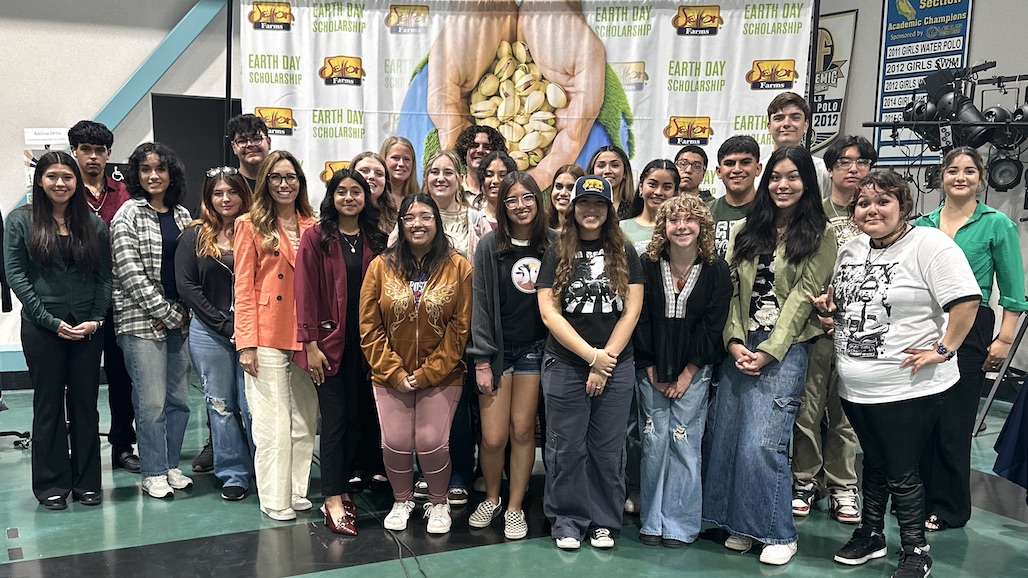
    Setton Pistachio of Terra Bella, Inc., the nation’s second-largest pistachio grower and processor, is proud to announce the recipients of the second annual Setton Earth Day scholarship contest. This initiative was created as part of the Setton family’s ongoing commitment to helping students reach their educational goals and spreading awareness about the importance of sustainability. For more information, visit www.settonfarms.com.

    Setton Farms partnered with Porterville High School, Monache High School, and Harmony Magnet Academy in Porterville, California, to award scholarships to exemplary seniors. This year, Setton expanded its reach from one institution to three, awarding $5,000 to the first-place winner; $2,500 to the second-place winner; $1,000 each to three third-place winners; and $500 each to five honorable mentions. Additionally, all other students received a participation award of $250.

    “Our goal is to support students in pursuing their college education, and we’re grateful to the schools and students that participated this year,” said Setton Farms COO Mia Cohen. “We were happily overwhelmed by the extraordinary creativity and originality of the projects submitted by the students, depicting sustainability.”

    Students were asked to create a painting, sculpture, video, clothing piece, etc., focusing on sustainability in California’s Central Valley, and were required to use pistachio kernels or shells provided by Setton as part of their entry.

    1st place winner Ryan Shearer

    The 2024 recipients are: first place, Ryan Shearer (Harmony); second place, Robert Ikeda (Harmony); third places, Tiana Contreras (Harmony), Gloribel Mendoza (Porterville H. S.), and Cambria Arias (Harmony); and honorable mentions, Chloe Medina (Harmony), Anali Alcantar (Harmony), Dulce Elena Soto Sanchez (Monache H.S.), Josue Robledo (Harmony), and Neveah Sanchez (Porterville H.S.).

    “I would like to extend our deepest gratitude to Setton Farms for their generous support of our students’ college aspirations through this scholarship program,” said Porterville High School Principal Jose A. Valdez. “Setton’s commitment to education is helping our students fulfill their lifelong dreams of higher education. We truly appreciate their generosity and look forward to continuing our partnership to foster the future leaders of our community.”

    “We are grateful for the spirited and generous support from Setton Farms for the Earth Day scholarship program,” said Harmony Magnet Academy Principal Jeff Brown. “Their leadership has set a cornerstone that success truly begins with education, while their commitment to students’ success creates opportunities and changes lives.”

    “Our students are very fortunate to have been invited to apply for Setton Farms scholarship,” said Monache High School Principal Dr. Eric Barba. “Setton truly knows how to set the bar to encourage our students to be 21st century learners and future participants in our global market, all while keeping global sustainability at the forefront.”

    Submissions were judged on originality, creativity, and how well they incorporated the topic of sustainability and Setton Farms branding into their project. The judging panel was comprised of Setton employees, school representatives, and local leaders. Winners were honored at an awards luncheon at Harmony Magnet Academy on Wednesday, April 18.

    Setton Farms launched its College Education Scholarship Program in 2016 and has awarded over 60 scholarships to employees, local community members, and students worth over $130,000. For more information on available programs and Setton’s ongoing mission, please contact Maria Medrano at (559) 535-6050.

    Setton Farms, the second largest pistachio grower-processor in the United States, is a family-owned and operated brand located in the heart of Central Valley, California since 1986. Highly regarded as “America’s Best Tasting Pistachios,” and widely recognized for its superior quality and tradition of excellence, Setton Farms grows, harvests, processes and manufactures pistachios using renewable energy, eco-friendly practices, and proprietary techniques. Setton Pistachio of Terra Bella, Inc. offers an established line of premium in-shell and kernel pistachio products that are non-GMO project verified, certified gluten-free, organic and kosher, while a select variety features the AHA heart-check mark. Setton provides pistachios to more than 60 foreign markets worldwide and distributes to wholesalers and retailers throughout the United States. For more information, visit settonfarms.com and follow on InstagramFacebookTikTok and X.

  • Helping Consumers See There’s More to Pecans than Meets the Pie

    Helping Consumers See There’s More to Pecans than Meets the Pie

    The American Pecan Promotion Board (APPB) has selected Signal Theory as its agency partner for a consumer retail and communications campaign to drive demand and consumption of pecans not just during the holidays, but year-round. The announcement comes just in time for National Pecan Month, an industry-wide celebration held each April to showcase the versatility and nutritional benefits of American pecans.

    Overseen by the USDA, the American Pecan Promotion Board is an agricultural commodity organization consisting of pecan producers and importers. APPB was founded in 2021 to drive demand for pecans in new and existing markets through scientific research, promotional efforts and innovative new uses for pecans.

    “Pecans are well-known for their role in our favorite holiday pies and sweets, but on their own, they’re a nutrient-dense powerhouse with fiber and protein,” said Anne Warden, CEO of APPB. “We’re excited to leverage Signal Theory’s experience in agriculture and food marketing to show consumers pecans not only deliver on flavor, but on nutrition too.”

    Signal Theory, an agency grounded in behavioral science, has successfully worked with brands that span agricultural production to the dining table, including Dairy Farmers of America, National Pork Board, Midwest Dairy Association, Certified Angus Beef and the North American Meat Institute to build stronger connections between commodity organizations and consumers.

    “Food fuels our lives – we wake up thinking about it, socialize around it, feed our thinking with it, and often, say goodnight with a bedtime snack,” said John January, co-CEO of Signal Theory. “We want to make pecans part of people’s everyday grocery carts.”

    Signal Theory will collaborate with APPB to design an integrated creative campaign and launch a strategy to drive awareness and retail sales among consumers while also engaging the tree nut industry advocates.

    About Signal Theory

    Signal Theory is a branding and design firm that creates joy, comfort and meaning through human insights for brands in the food value chain and pet sectors. With Midwestern roots, the firm has clients across the globe including SONIC®, America’s Drive-In; Chili’s® Grill & Bar; John Deere; BOSE; Certified Angus Beef; American Pecan Promotion Board; and International® Truck. Named by Ad Age as an Agency of the Year and Best Places to Work, the firm can be found on Facebook, LinkedIn and Instagram.

  • Christine Lott Joins California Walnut Board & Commission as Director of Communications

    Christine Lott Joins California Walnut Board & Commission as Director of Communications

    The California Walnut Board & Commission is pleased to announce Christine Lott as their new Director of Integrated Communications.  Christine comes to the Board & Commission with extensive communications and product marketing experience having worked for thirteen years at Blue Diamond Growers as the senior global brand manager.  She led the marketing department for the international consumer division, which encompasses all branded products available in retail stores under the Blue Diamond brand in Europe, Asia, and Latin America. This division included milks (Almond Breeze), snack nuts, and various other nut-based products. In this role Christine, developed and implemented marketing programs, digital and social media, public relations programs.

    Most recently Christine worked in new business development for Safe Food Alliance (SFA).  Previously, Christine worked for the California pear industry, the California Cherry Board and Stemilt World Famous Fruits. She coordinated the marketing and promotion activities which included advertising, public relations, industry communications, event coordination and sales promotion, category management, ad planning, merchandising and promotion tactics targeting major retail grocery chains throughout the US and Canada to build partner relationships and generate incremental sales.

    She has a consumer-focused mindset which aligns with the Board & Commission’s efforts in retail category management and volume growth through sales activation, one of their strategic initiatives.  In addition, Christine’s hands on experience in new product launches of fresh and manufactured foods will be an asset as the Board & Commission expands another strategic initiative in product innovation for the food manufacturing/ingredient and foodservice channels.

    Christine has a great appreciation and respect for the complexities in agriculture and for family farms, having been raised on a California dairy farm. “Combined with her 20 years of extensive food marketing and communications experience and work on behalf of growers throughout her career, Christine, has the background, experience, and knowledge to help shape and deliver our integrated consumer, industry, and product communications platform,” shared Robert Verloop, President/CEO of the California Walnut Board & Commission.  “Please join me in welcoming Christine to our industry and the California Walnut Board & Commission.”

    Christine will work in the Folsom office and can be reached at 916-932-7070 or clott@walnuts.org.

  • Almond Alliance Celebrates as WIC Expands Food Offerings to Include Almond-Based Alternatives

    Almond Alliance Celebrates as WIC Expands Food Offerings to Include Almond-Based Alternatives

    In response to persistent advocacy efforts initiated in October 2022 and a formal request filed in February 2023, the Almond Alliance is celebrating the inclusion of almond-based dairy alternatives and the authorization of nut and seed butters as alternatives to peanut butter in the Special Supplemental Nutrition Program for Women, Infants, and Children (WIC).

    This marks an important milestone in promoting nutrition security, maternal and child health, and enhancing dietary options. Based on science-based recommendations from the National Academies of Science, Engineering, and Medicine (NASEM) and the Dietary Guidelines for Americans, 2020-2025, the Biden Administration’s finalized updates reflect a progressive approach to addressing dietary restrictions, accommodating allergies, and promoting nutrient density. As a source of choline, iron, and protein for pregnant mothers, as well as iron and zinc for infants and toddlers, almonds have been demonstrated to be healthy for growth and development.

    WIC’s enhancements not only provide access to vital nutrients but also foster inclusivity by catering to diverse dietary preferences and needs,” said Aubrey Bettencourt, President and CEO of the Almond Alliance. “Our team is delighted to see almond-based dairy alternatives offered as lactose-free alternatives and as a means of promoting choice within the category. Further, the inclusion of nut and seed butters as substitutes for peanut butter demonstrates a commitment to addressing food allergies while providing nutritious alternatives.”

    The Almond Alliance applauds Secretary of Agriculture Tom Vilsack for championing these participant-driven changes for WIC, which not only improve access to essential nutrients but also uphold the values of equity and choice. As a result of the inclusion of almond products in the WIC food packages, participants are now able to enjoy enhanced flexibility and cater to their diverse food needs, further enhancing their health and well-being.

    As the Almond Alliance celebrates these victories, it reaffirms its commitment to advocating for innovative solutions within the agricultural and nutritional landscape that promote health, sustainability, and inclusivity.

    About the Almond Alliance
    Almond Alliance is the leading authority in state and national policy, championing American almond farmers, industry, and community for the continued global growth, innovation, and success of American almonds and agriculture. As the voice of almonds, the Alliance represents the fourth-largest commodity in the United States and the third-largest American export.

    Established in 1980, the Almond Alliance is a non-profit trade association with a local and international network of almond processors, hullers/shellers, growers, and allied businesses. The Alliance is dedicated to providing resources and solutions for our members, ensuring industry success and growth opportunities. Learn more at almondalliance.org

  • Almond Alliance Announces Leadership Transition

    Almond Alliance Announces Leadership Transition

    Today, the Almond Alliance Board of Directors announced that our esteemed President and CEO, Aubrey Bettencourt, will be leaving the organization after nearly three years of dedicated service.

    “As President of the Almond Alliance, Aubrey showed exceptional vision and commitment, guiding us through a period of significant growth and accomplishments,” said Blake Vann, Chairman of the Almond Alliance. “Her leadership has yielded results for its members and the almond industry as a whole – and under her guidance, the Alliance has established itself in a position of influence. We are incredibly grateful for her contributions and unwavering dedication to the success of the California almond industry.”

    During Aubrey’s tenure, the Alliance’s advocacy grew exponentially, retaining permanent representation in Washington, D.C., and Sacramento. Communications was a top priority for Aubrey, as she developed a comprehensive communications platform to better inform and engage membership, political officials, and the general public. In addition to facilitating the Almond Express’ transport strategy during the supply chain crisis, she navigated crop insurance reforms and disaster assistance, and she led the development of DWR’s LandFlex program, which provided $25M to growers for groundwater recharge and SGMA compliance. Additionally, she established the Almond Alliance Foundation, which received a $2 million CDFA grant for the Pollinator Alliance to support pollinator health by expanding pollinator habitats on working almond farms.

    In a reflection on her time with the Alliance, Bettencourt noted: “Over the past two and a half years, the Almond Alliance has achieved its goal—it has established itself in a position of influence in the almond industry and agriculture throughout the nation. Today, it is regarded as a highly successful, effective, and member-focused advocacy organization. A leading advocate for the almond industry and the voice of American almonds, the Alliance delivers results for its members and the industry. I am so very proud of this team, and have full confidence in our ongoing work for this incredible industry and community.”

    We are excited to announce an extensive search for the next President & CEO is underway. We are looking for a dynamic and proven leader who displays strategic vision, organizational development, and a passion for American agriculture. As leader of the Alliance, this individual will ensure the continued strength and leadership of American almonds and advocate for the entire almond community – growers, hullers, processors, and consumers.

    “We are confident that a strong pool of candidates will emerge, and we look forward to choosing a leader who will build upon this foundation,” Vann concluded.

    Aubrey’s invaluable contributions to the Alliance and the almond community are greatly appreciated. We wish her the best of luck in her future endeavors.

    We will provide updates on the search for the next President/CEO as they become available.

    About the Almond Alliance
    Almond Alliance is the leading authority in state and national policy, championing American almond farmers, industry, and community for the continued global growth, innovation, and success of American almonds and agriculture. As the voice of almonds, the Alliance represents the fourth-largest commodity in the United States and the third-largest American export.

    Established in 1980, the Almond Alliance is a non-profit trade association with a local and international network of almond processors, hullers/shellers, growers, and allied businesses. The Alliance is dedicated to providing resources and solutions for our members, ensuring industry success and growth opportunities. Learn more at almondalliance.org

  • Meridian Growers Processing Brings on Cristian Lazcano as Inventory Specialist

    Meridian Growers Processing Brings on Cristian Lazcano as Inventory Specialist

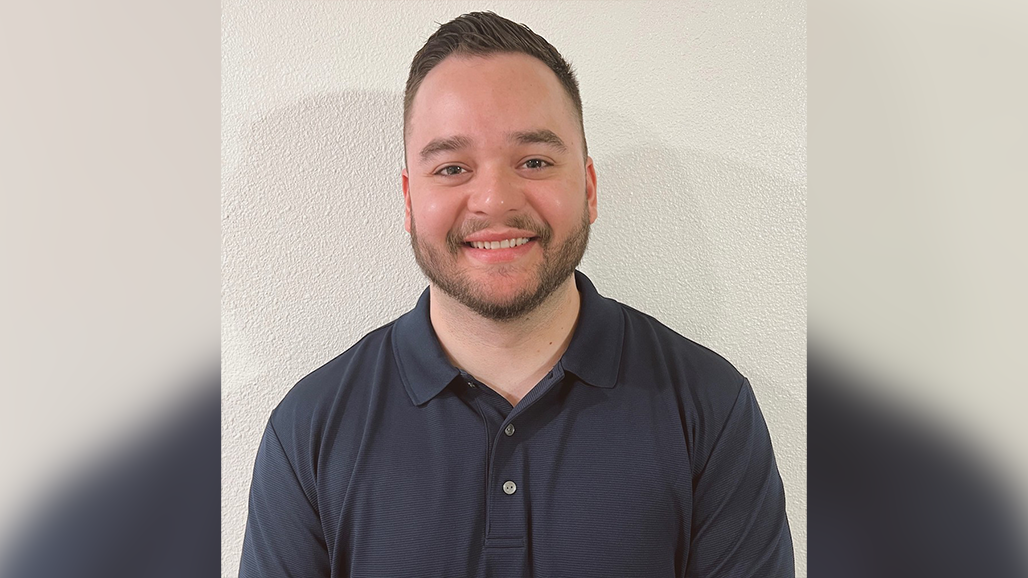
    Cristian Lazcano may be new to the tree nut industry, but he has more than 3 years’ experience managing inventory. He began in 2019 in sales, transitioned into logistics in 2020 before taking a position as the Director of Inventory Management in 2021. Cristian will be overseeing all of Meridian Growers Processing inventory, from the field all the way through to customer shipments. Meridian is eager for Cristian to use his wide range of experience to bring fresh eyes and a new way of looking at inventory to their processes. “We are thrilled to have Cristian join our team and know he will thrive in his new position. His vast knowledge and energy will be advantageous to our company,” shared John Beaulieu, General Manager.

    “I’m excited to be a part of the Meridian team and continue to develop my career in Agriculture,” said Cristian Lazcano.  “Inventory is at the forefront of many businesses, and I am happy to continue to grow my skillset while helping our business flourish.”

    Meridian Growers Processing has been in business since 2020 and processes 20 million pounds of pistachios with a second phase being completed this year bringing processing capacity up to 40 million.

  • Honey Bees at Risk for Colony Collapse from Longer, Warmer Fall Seasons

    Honey Bees at Risk for Colony Collapse from Longer, Warmer Fall Seasons

    The famous work ethic of honey bees might spell disaster for these busy crop pollinators as the climate warms, new research indicates.

    Flying shortens the lives of bees, and worker honey bees will fly to find flowers whenever the weather is right, regardless of how much honey is already in the hive. Using climate and bee population models, researchers found that increasingly long autumns with good flying weather for bees raises the likelihood of colony collapse in the spring.

    The study, published in the journal Scientific Reports, focused on the Pacific Northwest but holds implications for hives across the U.S. The researchers also modeled a promising mitigation: putting colonies into indoor cold storage, so honey bees will cluster in their hive before too many workers wear out.

    “This is a case where a small amount of warming, even in the near future, will make a big impact on honey bees,” said lead author Kirti Rajagopalan, a Washington State University climate researcher. “It’s not like this is something that can be expected 80 years from now. It is a more immediate impact that needs to be planned for.”

    For this study, researchers ran simulations through a honey bee population dynamics model using climate projections for 2050 and the end of the century at 2100. They found that honey bee colonies that spend the winter outside in many areas of the Pacific Northwest would likely experience spring colony collapses in both the near- and long-term scenarios. This also occurred under a simulation where climate change continued as it is progressing now and one where greenhouse gas emissions were reduced in the near future.

    Worker honey bees will forage for food whenever temperatures rise above about 50 degrees Fahrenheit. When it gets colder, they cluster in the hive, huddling with other bees, eating honey reserves and shivering, which helps keep the bees warm. In the spring, the adult worker bees start flying again. That means they also start dying. If too many older worker bees die before their replacements emerge ready to forage, the whole colony can collapse. Scientists have estimated this happens when there are fewer than 5,000 to 9,000 adult bees in the hive.

    This study found that colonies wintering outside in colder areas like Omak in the far north of Washington state might still do all right under climate change. But for honey bee colonies in many other places, like Richland, Washington near the border of Oregon, staying outside in the winter would mean the spring hive population would plummet to fewer than 9,000 adults by 2050 and less than 5,000 by the end of the century.

    The authors note that the simulations just looked at seasonal factors like temperature, wind and the amount of daylight, making them fairly conservative models.

    “Our simulations are showing that even if there is no nutritional stress, no pathogens, no pesticides — just the conditions in fall and winter are enough to compromise the age structure of a colony. So when the hive comes out of winter, the bees are dying faster than they’re being born,” said co-author Gloria DeGrandi-Hoffman, a research leader at the U.S. Department of Agriculture’s Carl Hayden Bee Research Center.

    The researchers also simulated a potential mitigation, placing honey bee hive boxes in cold storage so the bees start to cluster earlier and save workers. For instance, in the Richland scenarios, by the end of the century, having bees in cold storage from October to April would boost the spring hive population to over 15,000 compared to around 5,000 to 8,000 if they were kept outside.

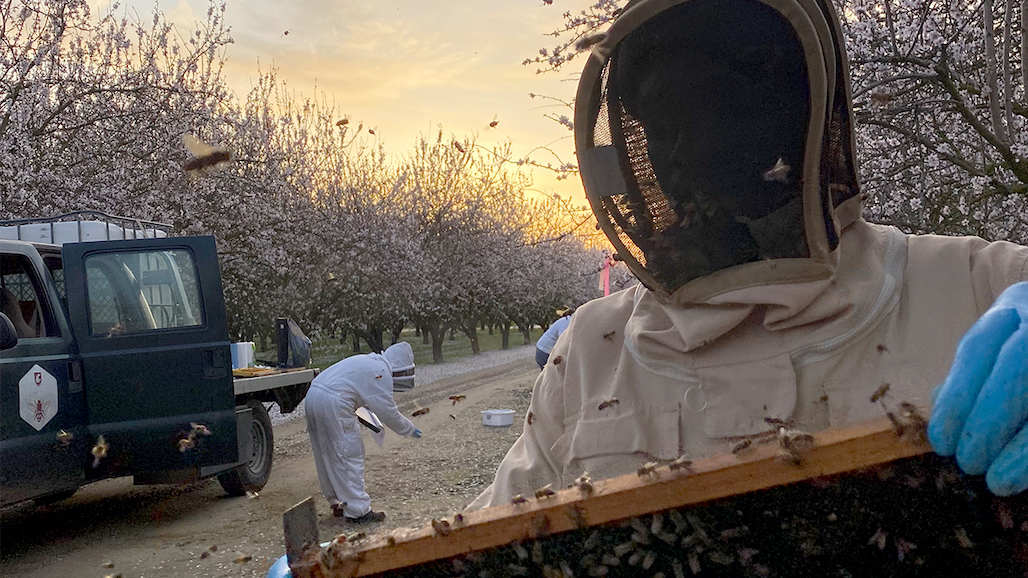
    A relatively new practice, cold storage is gaining popularity among commercial beekeepers to help manage bee health and for the logistics involved in moving hives to California to pollinate almond trees in February, an event that draws more than two million hives from across the country.

    “A lot of beekeepers are already practicing this management technique of storing bees indoors because it has a lot of immediate potential to help in a number of ways,” said co-author Brandon Hopkins, a WSU entomologist. “These findings demonstrate that there are additional benefits to this practice for the survival of colonies in a changing climate.” This research received support from the Washington Department of Agriculture’s Specialty Crop Block Grant. —