Category: Non-Video

  • California Walnut Commission Opens Nominations for 2025 Member Seats

    California Walnut Commission Opens Nominations for 2025 Member Seats


    The California Walnut Commission will begin accepting nominations for its 2025 election, inviting dedicated growers and handlers across the state to help shape the future of the California walnut industry.

    Members and alternates will be elected for the next two-year term beginning on September 1, 2025, and ending on August 31, 2027. Walnut producers (growers) or handlers interested in appearing on the 2025 California Walnut Commission election ballot must submit a completed nomination form. Producers must return the form with signatures from at least 15 eligible producers, and handlers must return the form with at least 5 handler signatures.

    The nomination window opens May 1 and closes June 2, 2025. In late June, election ballots will be mailed out, and producers will vote to elect four members and four alternates to represent their district. The nominees receiving the most votes in each district will be recommended for appointment by the California Secretary of Food and Agriculture.

    “We are looking for individuals who are committed to the success of the walnut industry,” said Robert Verloop, CEO of the California Walnut Commission. “Serving on the commission isn’t just a title—it’s an opportunity to challenge norms, collaborate with peers and push forward on issues that matter to growers and handlers.”

    Elected members will help advance the strategic goals outlined in the industry’s strategic plan. These include strengthening global demand for California walnuts, investing in health and nutrition research, promoting sustainable practices and driving product and packaging innovation.

    The Commission encourages younger, next-generation growers to participate. Their perspectives are essential in helping the industry evolve to meet changing consumer preferences and market demands. Growers unable to serve on the Commission can still get involved by joining committees and working groups focused on marketing, research and other key areas.

    For more information, contact Suzanne Wuehler at the California Walnut Commission office at (916) 932-7070 or swuehler@walnuts.org.

    About the California Walnut Commission

    The California Walnut Commission (CWC) represents more than 3,600 California walnut growers and approximately 70 handlers, grown in multi-generational farmers’ family orchards. California walnuts, known for their excellent nutritional value and quality, are shipped around the world all year long, with more than 99% of the walnuts grown in the United States being from California. The CWC, established in 1987, promotes usage of walnuts through domestic and export market development activities as well as supports health research with consuming walnuts.

    To explore recipes and learn more about California walnut growers, industry information and health research, visit walnuts.org.

  • Cornell to Help Pinpoint Cause of Massive Honeybee Die-Offs

    Cornell to Help Pinpoint Cause of Massive Honeybee Die-Offs

    Cornell University bee experts are analyzing samples of bees and related material to help identify the cause of unprecedented managed honeybee losses this winter. The colony die-offs became apparent as U.S. commercial beekeepers geared up to transport colonies to California, where approximately 70% of the nation’s managed honeybees are trucked to pollinate almonds each year.

    Average recent losses have been upward of 60% of honeybee colonies, leading to combined financial losses of at least $139 million, according to an ongoing survey of 234 beekeepers from across the country. The survey is being conducted by Project Apis m., the American Beekeeping Federation, the American Honey Producers Association and extension programs and beekeepers.

    “Based on early numbers that are coming in, it’s suggestive that this will be the biggest loss of honeybee colonies in U.S. history,” said Scott McArt, Ph.D. ’12, associate professor of entomology and program director for the Dyce Lab for Honey Bee Studies, in the College of Agriculture and Life Sciences.

    These devastating numbers only add to loss rates of 70% to 100% for many beekeepers over the last 12 months.

    Pollen samples ready for analysis in the McArt Lab in Comstock Hall. Photo by Jason Koski/Cornell University.

    The Bee Research Laboratory at the U.S. Department of Agriculture’s Agricultural Research Service in Beltsville, Maryland, has collected samples of honeybees, wax, pollen and honey from dead and living hives. The government facility is now testing samples for parasites (such as varroa mites) and viruses. But due to government staffing cuts and the high expense involved with testing samples for pesticides, USDA staff and commercial beekeepers approached McArt to see if the Cornell Chemical Ecology Core Facility (of which McArt is director) could handle pesticide analyses.

    “The USDA lab has had cuts, so they simply can’t do a quick turnaround for these pesticide results. And at the same time, it’s very expensive for them,” McArt said.

    McArt and colleagues are using mass spectrometry techniques to analyze 500 samples and identify chemical residues. The Cornell lab can process up to 50 samples a week. Each sample costs about $120 to test; an anonymous private donor came forward to fund the project. The lab currently has samples in queue to be processed for other clients, but McArt put those on hold and requested that clients wait a few extra months for their results.

    Findings from the USDA samples won’t be available for at least another month, McArt said.

    Two years ago, Florida beekeepers experienced similar losses of up to 90% of their colonies, and $4.28 million in revenue, though the damage was limited to a few very large commercial honeybee operations in Florida. At the time, the USDA bee lab had the capacity to run the samples, and their results will soon be published. Early indications are that neonicotinoid pesticides, possibly used to control Asian citrus psyllid pests on oranges, were to blame. — By Krishna Ramanujan, Cornell University

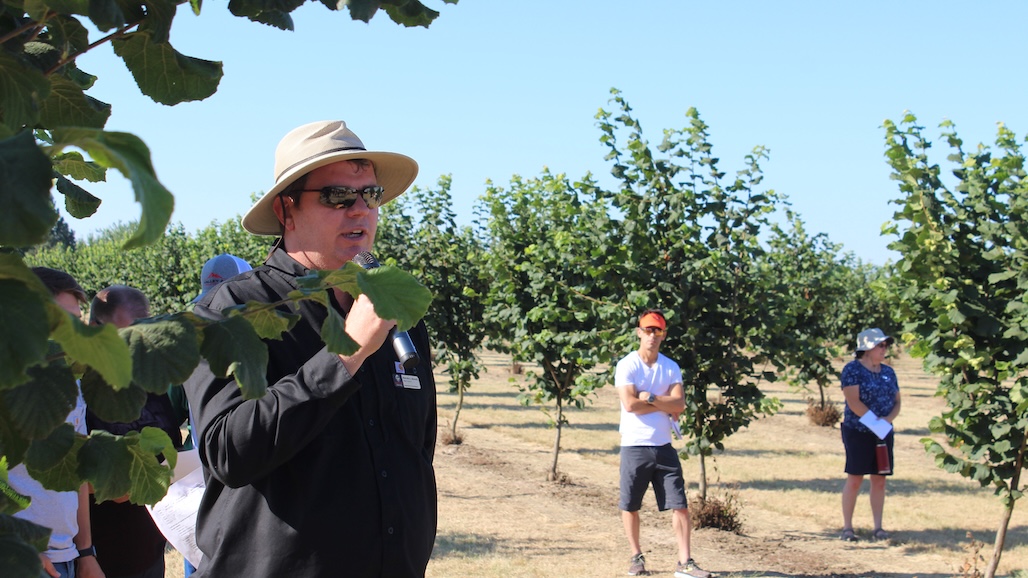
  • Oregon’s Hazelnut Success Rooted in OSU Research, Extension

    Oregon’s Hazelnut Success Rooted in OSU Research, Extension

    Oregon is renowned for producing some of the highest quality hazelnuts in the world, thanks to its ideal climate and rich volcanic soils. The state ranks No. 1 in the United States in hazelnuts, producing 99% of the hazelnuts grown in the United States. About 1,000 Oregon farm families grow hazelnuts on almost 97,000 acres. The farmgate value of Oregon’s hazelnut harvest has averaged over $120 million annually in recent years.

    Oregon State University (OSU), through its Agricultural Experiment Station and Extension Service, plays a crucial role in supporting Oregon hazelnut growers. Investments in OSU research and development help improve hazelnut production practices, leading to higher yields and better-quality nuts. This, in turn, enhances the economic viability of hazelnut farming.

    New strains of Eastern Filbert Blight (EFB) are infecting hazelnut trees with the Gasaway resistance gene in Oregon and Washington. Genetic analysis shows these strains differ from those in the eastern United States and are evolving regionally. Affected cultivars include Jefferson, McDonald and Yamhill, with infections reported in several areas.

    OSU fungicide research and breeding programs for quantitative resistance are ongoing. Despite the challenge, new promising hazelnut varieties are in development, and OSU Extension provides resources and guidance to hazelnut growers on how to manage the disease. This includes scouting for cankers, pruning infected wood, implementing fungicide spray programs and submitting samples for testing.

    In addition to breeding new varieties, OSU conducts hazelnut research that focuses on improving tree health, pest and disease management and enhancing yield and quality. OSU collaborates with industry partners, such as Ferrero, to fund research projects aimed at addressing key challenges faced by hazelnut growers. These partnerships help ensure the sustainability and profitability of the hazelnut industry.

    Here are some key initiatives:

    • Researchers like Nik Wiman, an associate professor and Extension orchard crops specialist and Marcelo Moretti, an associate professor, both of whom are in the Department of Horticulture, are leading efforts in areas such as biological control of pests and integrated weed management.
    • María Isabel Zamora Re, and assistant professor and statewide irrigation specialist in the Department of Biological and Ecological Engineering, is studying hazelnut water use and development of irrigation crop coefficients for irrigation.
    • OSU Extension research focuses on developing effective IPM strategies for both new and existing hazelnut pests, including the brown marmorated stink bug.
    • Studies are being conducted to optimize nutrient management practices, ensuring trees receive the right balance of nutrients for optimal growth and yield.
    • OSU is exploring the use of precision agriculture technologies to enhance hazelnut production, including soil health monitoring and targeted pest control.
    • OSU partners with the U.S. Department of Agriculture’s IR-4 Program to help hazelnut growers access new crop protection tools like herbicides, insecticides and plant growth regulators. Through research at the OSU North Willamette Research and Extension Center, the university supports pesticide registration, ensuring safe effective pest management and sustainable hazelnut production.
    • OSU is studying hazelnut organoleptics, which is the science of how we experience food through our senses: taste, smell, sight, touch and sometimes sound. The Department of Food Science and Technology and OSU Food Innovation Center in Portland are collaborating on consumer sensory panels, providing data to improve product quality and development. This research ensures hazelnut products meet consumer expectations and maintain high standards.

    OSU’s hazelnut research and Extension programs provide invaluable support to the state’s hazelnut industry. By developing disease-resistant cultivars and implementing advanced agricultural practices, OSU ensures higher yields, improved kernel quality and sustainable farming methods.

    These initiatives not only bolster Oregon’s position as the leading hazelnut producer in the United States but also contribute to the economic vitality and environmental sustainability of the region. — By Nik Wiman, Jay Pscheidt and Marcelo Moretti, Oregon State University Extension

  • Overwhelming Grower Support to Continue Almond Board of California

    Overwhelming Grower Support to Continue Almond Board of California

    The Almond Board of California is pleased to announce that California almond growers voted to continue their almond federal marketing order program for five more years.

    Voting was held Dec. 4 to Dec. 20, 2024, and 90.5 percent of voting growers, who together made up 93.3 percent of the almond volume represented in the voting, supported continuing the marketing order.

    The USDA conducts a continuance referendum every five years for the Almond Board of California (ABC) marketing order. The marketing order was established by the industry in 1950 to help growers and handlers work together to address the ever-changing demands on the industry changes and to drive global demand and drive marketing success.

    For the marketing order to remain in effect, it required approval from at least two-thirds of voting growers or two-thirds of the volume of almonds represented in the vote. Growers must have produced California almonds between Aug. 1, 2023, and July 31, 2024 to take part in the voting.

    The vote represents the California almond industry’s confidence in the Almond Board and the many programs it administers and funds with industry assessment dollars. California almonds are the state’s No. 1 crop by acreage, No. 1 ag export, No. 5 crop by value and the No. 1 specialty crop export in the U.S.

    ABC’s initiatives have strengthened key areas such as domestic and international marketing, nutrition research, data collection, production research, environmental stewardship and food safety and quality. By working together, the almond industry has developed valuable tools for growers, driven demand worldwide and achieved impressive milestones over the years.

    More than 200 industry members serve on the Almond Board’s Board of Directors, committees and work groups, and ABC works to engage as many industry members as possible in planning ABC programs and to encourage growers from widely diverse segments of the almond industry to participate in activities.

    Industry members are encouraged to attend one of ABC’s many public committee and Board of Directors meetings held throughout the year. A meeting schedule may be found at Almonds.com/Events.

  • Replacing Other Snacks with Pecans May Improve Cholesterol, Diet Quality

    Replacing Other Snacks with Pecans May Improve Cholesterol, Diet Quality

    Switching daily snack foods to pecans improved cholesterol levels and enhanced overall diet quality, according to a new study by researchers in the Penn State Department of Nutritional Sciences.

    The researchers randomized adults who live with or are at risk for metabolic syndrome — a set of conditions that increase a person’s risk for several chronic diseases — to either consume pecans instead of their usual snacks or to continue eating their usual diet. Participants who ate pecans in lieu of their usual snacks demonstrated reductions across cholesterol measurements linked to poorer heart health compared to those that did not snack on pecans. Additionally, diet quality, as measured by adherence to the Dietary Guidelines for Americans, was 17% higher at the conclusion of the study for participants who consumed pecans.

    Results of the study were published in American Journal of Clinical Nutrition.

    “Replacing typical snacks with pecans improved key risk factors for heart disease including blood cholesterol levels and diet quality,” said Kristina Petersen, associate professor of nutritional sciences at Penn State and co-author of the study. “These results add to the large evidence-base supporting the cardiovascular benefits of nuts and add additional insights into how adults can incorporate nuts into their diet to improve the overall quality of their diet.”

    The study included 138 adults with one or more criteria for metabolic syndrome, including abdominal obesity, high triglycerides, low HDL, high blood pressure and high fasting blood glucose. Participants were 25 to 70 years old and were randomly assigned into two equal groups: pecan snacking group, who were asked to consume two ounces of pecans per day in place of snacks typically consumed, and the usual diet group, who were asked to continue their regular diet.

    Vascular health data and blood work were collected at the start and conclusion of the 12-week study, and self-reported 24-hour recalls were collected nine times during the research. All participants were also instructed to stop eating all other types of nuts and to keep their non-snacking dietary behavior and lifestyle consistent throughout the study.

    In the study, pecan snackers experienced reductions in total cholesterol, low-density lipoprotein (LDL) cholesterol, non-high-density lipoprotein (HDL) cholesterol, the ratio of total cholesterol to HDL cholesterol and triglycerides compared to non-pecan snackers. LDL cholesterol can build up in arteries and increase the risk of stroke or heart attack. HDL — sometimes known colloquially as “good cholesterol” — carries cholesterol back to the liver for removal from the body. So, both lowering LDL and reducing the ratio of total cholesterol to HDL can reduce the risk for cardiovascular disease. Triglycerides are a necessary lipid for energy storage and metabolism, but high levels of triglycerides also increase the risk of cardiovascular disease.

    In addition, study participants who ate pecans showed higher overall adherence to the Dietary Guidelines for Americans 2020-2025, with increased intakes of other under-consumed food groups, such as plant proteins and seafood.

    According to the team, prior research by others in the field suggests that chemical compounds with anti-inflammatory properties called polyphenols in pecans may support endothelial function, a key factor in maintaining healthy blood vessels. The current study did not find differences in vascular health outcomes between the two groups, but the researchers said people in the United States should consider consuming more foods with polyphenols — like pecans, fruits, vegetables and whole grains — to support heart health and improve overall diet quality.

    “The improved diet quality among pecan snackers — including a higher percentage of calories from polyunsaturated fats and increased fiber and polyphenols — likely also contributed to the observed cholesterol improvements, particularly the LDL-lowering effects,” Petersen said.

    The researchers said that replacing a person’s usual snacks with pecans each day could improve cholesterol levels and diet quality, especially if they are at risk of metabolic syndrome.

    Tricia Hart, doctoral student in nutritional studies at Penn State, and Penny Kris-Etherton, retired Evan Pugh University Professor of Nutritional Sciences at Penn State, also contributed to this research.

    This study was supported by the Clinical Research Center, a unit in the Penn State Clinical and Translational Science Institute.

    The American Pecan Council funded this study.

  • Genetic ‘Signatures’ Provide Insight Into What Stresses Wild Bees

    Genetic ‘Signatures’ Provide Insight Into What Stresses Wild Bees

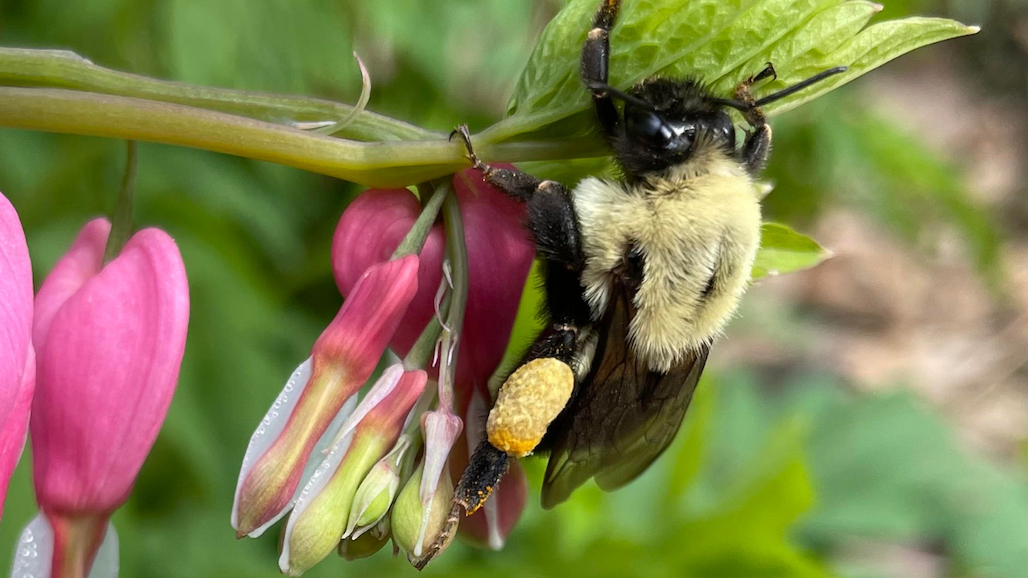
    A new method of examining gene expression patterns called landscape transcriptomics may help pinpoint what causes bumble bees stress and could eventually give insight into why bee populations are declining overall, according to a study led by researchers at Penn State. The team published their findings in the journal Molecular Ecology.

    This study was the first test of the emerging field of landscape transcriptomics, recently envisioned by an interdisciplinary team led by scientists in Penn State’s College of Agricultural Sciences. The team hypothesized that it would be possible to collect animals and plants from the wild and determine which stressors they experienced based on specific patterns or signatures in their gene expression profiles.

    In this study, the scientists used an artificial intelligence approach known as machine learning to evaluate gene expression profiles of individual bumble bees. The researchers found that the method could accurately identify genetic signatures of stressors, such as excessive heat and cold, in bees both in the lab and in the wild.

    Gabriela Quinlan, who led the study when she was a postdoctoral scholar in the College of Agricultural Sciences, said the findings suggest landscape transcriptomics could be used to accelerate conservation efforts for at-risk species.

    “This is a really big step in demonstrating this new strategy for identifying at-risk populations and showing how these machine learning models can be used both in the lab and out in the field,” she said. “We also found directly applicable insights such as sets of genes that are associated with different stressors in bumble bees, which we didn’t have before.”

    Bees — like many other species of plants and animals — are currently in decline around the world, the researchers said, suggesting that something is causing enough stress to trigger population declines. However, understanding exactly what those stressors are can be challenging.

    That’s where landscape transcriptomics comes in, according to Christina Grozinger, Publius Vergilius Maro Professor of Entomology and director of the Huck Institutes of the Life Sciences.

    “It’s like forensic biology, where you can look at an organism’s gene expression patterns and identify a signature or fingerprint that relates to the stress it’s experiencing,” Grozinger said. “Landscape transcriptomics should allow us to identify stressed populations of target species much more rapidly than traditional approaches, which require collecting and analyzing many samples over long periods of time.”

    While previous studies have found that it was possible to detect transcriptional signatures of specific stressors in organisms reared and treated in the lab under very controlled conditions, the research team wanted to see whether the method would still be feasible in organisms living in the wild.

    “In typical laboratory studies, we use organisms from the same genetic background, the same age, reared in the same way, and which are exposed to stressors at tightly controlled levels and periods of time,” Grozinger said. “But collecting organisms from the wild, we know nothing about them or the stressors they’ve experienced, so we were curious if we could still see these specific stress-related transcriptional fingerprints.”

    For this study, the researchers first did an experiment in the lab in which they exposed bumble bees to different types of stressors, including heat, cold and immune challenges. They then extracted the bees’ RNA — the genetic material used to build proteins and help regulate biological functions — and sent the samples to the Penn State Genomics Core Facility for high throughput sequencing.

    This gave the researchers information on the number of RNA strands corresponding to each gene, which represents the gene expression patterns.  The RNA profiles from individuals that were exposed to different stressors were then used to train a machine learning model, which is a type of artificial intelligence, to recognize which patterns of gene expressions were associated with each type of stressor.

    A strength of this study, Quinlan said, was the approach they took to training their machine learning model to recognize the different genetic signatures for each stressor.

    “We know that in nature, organisms are going to be subjected to multiple stressors at the same time, so how do we differentiate one stressor versus another?” she said. “We used an algorithm that takes all the inputs from all the genes and finds the patterns that emerge when the bees were experiencing each stressor. We were able to get a model with 92% accuracy, which we could then use to assess wild bees.”

    For their second experiment, the team collected wild bees from two sites: one in the Arboretum at Penn State and another in a forested, more mountainous area.

    The sites were chosen to increase the likelihood that the bees would be exposed to different stressors — those at the Arboretum had access to abundant floral resources and lots of sun, while the bees from the second site experienced more shade and might not have as many flowers to forage.

    After analyzing the transcriptomes of these bees, the researchers found that the model was once again very accurate in predicting which stressors the bees were experiencing. However, the researchers found that these signatures didn’t last long in the bees’ RNA. In bees collected the morning after a heat wave, when environmental temperatures had gone back to normal, their genetic signatures for heat stress were no longer visible.

    But this also meant that the researchers could glean precise details about how bees go about their day. For example, they discovered that many bees exhibited signatures of starvation stress when they were collected in the morning as compared to the evening, which might give insight into how bees forage and their motivation to forage.

    Quinlan said in the future, additional work could train these models to pick up on stressors that bees have experienced for longer periods of time.

    “The initial motivation for this study was to see longer-lived signatures so we can learn what is stressing these bees long term and might be contributing to population decline,” she said. “Transcriptomics is very acute in that it picks up on what’s going on in the moment, so it might be a matter of training these models to pick up on these longer term, more subtle differences.”

    Heather Hines, associate professor of biology and entomology, also co-authored this study.

    The Penn State College of Agricultural Sciences Strategic Networks and Initiatives Program and the U.S. National Science Foundation Postdoctoral Research Fellowship in Biology Program supported this research. — By Katie Bohn, Pennsylvania State University 

  • Unveiling Taiwanese Appetite for Tree Nuts

    Unveiling Taiwanese Appetite for Tree Nuts

    USDA Foreign Ag Service — The United States holds 66 percent of Taiwan’s tree nut market, with 2024 imports rising 19 percent to nearly 13,000 metric tons, valued at USD 76 million. Lower 2023 crop costs led to upfront stockpiling, attracting new importers who expanded product variety and premium offerings to differentiate in the market. The core consumer base (ages 45-74) is health-conscious and willing to pay for high-quality tree nut. Taiwan’s aging population, officially becoming an “elderly society” in 2025, is expected to further drive demand.

    Overall Market Overview

    Table 1. Tawan’s Imports of Tree Nuts by Country of Origin (Unit: Ton, Source: Trade Data Monitor)

    The United States remains the dominant supplier of tree nuts to Taiwan, holding 66 percent of the market. In 2024, Taiwan imported nearly 13,000 metric tons of U.S. tree nuts, a 19 percent increase from 2023, reaching USD 76 million (Appendix). This growth is primarily attributed to upfront stockpiling in response to the lower ingredient costs of the 2023 U.S. crop.

    The price advantage encouraged new importers to enter the market, some investing in roasting facilities and launching branded tree nut snacks. This influx of competition expanded product variety, introduced premium product specifications, and widened consumption occasions, aiming to attract younger consumers.

    Product Breakdown (Appendix)

    Almonds and walnuts are the most prevalent tree nuts in Taiwan, together accounting for over half of total imports. Over 95 percent of tree nuts imported into Taiwan are shelled.

    Almonds: Market Leader

    Almonds are the most commonly consumed tree nut, leading both import volume and value. The dominant varieties include nonpareil and carmel, available in diverse forms such as whole kernels, slivers, slices, diced, and almond powder. The United States is the only supplier of almonds.

    Pistachios: Fast Growing Category

    Pistachio imports surged 44 percent in 2024, reaching 2,617 metric tons, fueled by the competitive pricing of the 2023 U.S. crop. Ninety-nine percent of pistachio is imported in shell. The primary demand driver is snack food manufacturing. In Taiwan, pistachios are commonly marketed as festive gifts due to their Chinese name meaning “open your heart,” symbolizing happiness and good fortune during Chinese New Year. The United States is the dominant supplier of pistachios; less than one percent of market share goes to Iran.

    Macadamia Nuts: Premium & Expanding

    Macadamia nut imports hit a record high of 1,562 metric tons in 2024. Despite their high unit cost, they are perceived as a luxury snack, often featured in high-end treats.

     South Africa dominates the market (65 percent), followed by Australia (28 percent).

     No U.S. macadamia imports have been recorded since 2020.

    Walnuts: Competitive Pressure from China

    Taiwan imported approximately 4,600 metric tons of U.S. walnuts in 2024, valued at $22 million, with demand fueled by low-cost, high-quality 2023 U.S. crops. The preferred variety and specification are chandler, light-colored halves. China has started aggressively exporting walnuts in 2024, capturing nine percent market share. While California walnuts remain the benchmark for quality, increasing prices in 2024 may shift price-sensitive buyers toward Chinese alternatives.

    Cashews: Most Versatile Across Culinary Applications

    Cashew imports hit record high in 2024, reaching 4,156 tons. Popular as a snack, cashews are also widely used in both Asian and Western cuisines. Vietnam remains the dominant supplier, accounting for over 90 percent of the market, while other suppliers include Cambodia, Indonesia, and Myanmar.

    Pecans: Rapid Growth but Low Market Awareness

    Pecan imports soared 91 percent year-over-year, reaching 457 metric tons in 2024.

     The United States is the only supplier of pecans. Pecans are primarily consumed as a snack. Common varieties and specifications include fancy mammoth and junior mammoth.

     Despite growing recognition of pecans as a nutrient-rich superfood, consumer awareness of their distinct flavor and culinary uses remains low. Even the Chinese translation for pecans is often confused with walnuts.

    Hazelnuts: Niche Market with Moderate Growth Potential

    Hazelnuts are mainly used in snack nut mixes and bakery applications, especially as a chocolate complement. Imports grew 42 percent in 2024, but the total volume remains small, under 400 metric tons. Turkey is the only supplier of hazelnuts for the import record of 2024.

    Distribution Channels

    Sixty percent of imported tree nuts are used for snack processing, while 40 percent are utilized in bakeries, where they enhance texture, flavor, and decoration. Consumers purchase tree nuts in various forms, including:

     Bulk roasted shelled and in-shell nuts (open-air markets, grocery stores)

     Pocket-sized snack packs

     Premium gift boxes

    However, rising bakery ingredient costs and a weaker bakery industry have led to reduced tree nut usage in baking, except in seasonal and festive items.

    Consumption Trends

    Since 2018, Taiwan’s Ministry of Health and Welfare has promoted tree nuts as part of a balanced diet via MyPlate. As a result, food manufacturers have successfully positioned tree nuts as a healthy snack. The core consumer base (45-74 years old) is health-conscious and willing to pay for premium tree nuts. Taiwan’s aging population (officially entering an “elderly society2” in 2025) is expected to drive continued demand.

    In the health-conscious Taiwanese market, there is a preference for lightly roasted tree nuts with less salt, emphasizing pure natural flavors for snack consumption. However, given the competitive healthy snack market, manufacturers are exploring new niches to expand product offerings and elevate product value. Some focus on nutrition, some experiment with novel flavors, while some position their products as luxurious, targeting gift-giving consumers. Post observes some emerging product innovations that presents opportunities for the U.S. tree nuts as value-added ingredients:

    Suggestions for U.S. Suppliers

    The growth of U.S. tree nut demand depends on expanding their application beyond snacking and aligning with Taiwan’s shifting demographics, particularly its aging and health-conscious consumers. To drive demand, ATO Taipei suggests the U.S. suppliers:

     Educate the Trade on Versatility: Promote tree nuts for food and beverage manufacturing, not just snacks and baking. Showcase successful U.S. products to inspire local adaptation.

     Capitalize on Bakery & Seasonal Promotions: Establish consistent marketing around a product that highlights U.S. tree nuts, making a lasting industry impact. For example, some importers have successfully marketed Galette des Rois (King’s Cake), boosting demand for almonds and butter.

     Expand into the Plant-Based Beverage Sector: With Taiwan’s vegetarian/flexitarian population and aging consumers driving demand, nut-based beverages offer an alternative to soymilk, a market valued at USD 120 million. Suppliers should emphasize nutritional advantages over soy and provide ready-to-use recipes to encourage adoption.

    Regulatory Updates

    Starting July 2024, Taiwan’s FDA enforces a maximum cadmium level of 0.2 mg/kg for tree nuts. Suppliers should ensure compliance to avoid import disruptions.

    Tariffs and Inspection Requirements

    Taiwan’s Tariff Database Search System

    Other Information

    Taiwan: FAIRS Country Report Annual

    Taiwan: New Consumers Embrace Plant-based Trends in Taiwan

  • New Map to Crack the Code of Pistachio Genetics

    New Map to Crack the Code of Pistachio Genetics

    California produces 99% of the nation’s pistachios, generating nearly $3 billion in economic value in the state. But pistachios have been slightly understudied in part because of the lack of a high-quality map of their DNA. University of California, Davis, researchers have now generated the most comprehensive genome sequence of the pistachio, allowing plant breeders to create better — perhaps more nutritious — varieties. They’ve also detailed how pistachio nuts develop, which will help farmers manage their crop more sustainably.

    New Phytologist published the study on March 20th.

    Scientists have sequenced the DNA of pistachios before, but co-corresponding author J. Grey Monroe, an assistant professor with the Department of Plant Sciences, said this new genetic map is vastly more detailed and accurate.

    “The improvement in accuracy of the new reference genome is like going from a hand-drawn map of a landscape to a satellite image from Google Earth,” he said.

    Monroe and the research team sequenced the genome of the Kerman cultivar, the most common pistachio variety grown in California.

    Climate change challenges pistachio yields

    Pistachio trees are resilient to drought and salinity, but they require cold winters to flower properly. As climate change brings warmer winters, growers need new pistachio varieties that can thrive in higher temperatures. Warm winters, combined with the dissipation of fogs that cool California’s Central Valley, have caused significant losses for pistachio growers.

    Given that establishing a pistachio tree requires a commitment of up to 50 years, researchers said California growers are understandably concerned about the impacts of climate change on their crops.

    A nutty development

    The study also identifies four key stages of nut growth from flower to harvest, providing a complete physiological assessment, including shell hardening and kernel growth.

    “Knowing how the nut changes through development will help farmers make better decisions, like when to water their trees, leading to more sustainable pistachio production,” said co-corresponding author Bárbara Blanco-Ulate, an associate professor with the Department of Plant Sciences.

    A more accurate assessment of its development could also help provide growers better strategies for harvest and avoid issues such as insect damage and fungal infections.

    Blanco-Ulate said it was important to also detail not just the physical changes of the pistachios, but also the genetic and molecular drivers of those characteristics. The genomic sequence includes precedent-setting information on how different genes behave in nuts over the growing season.

    Nutritious nut

    Pistachios have always been a nutritious food, but researchers have now discovered the genes and pathways that influence their nutritional value. This includes insights into how protein and unsaturated fatty acids accumulate, which is crucial for both their shelf life and dietary benefits.

    “We’re getting information about how all these nutritional characteristics are gained in pistachios and how we can improve that from a management perspective,” said Blanco-Ulate.

    This understanding could help scientists breed more nutritional pistachios in the future.

    The first authors of the paper are Jaclyn Adaskaveg and Chaehee Lee of UC Davis. Other UC Davis authors include Yiduo Wei, Fangyi Wang, Saskia D. Mesquida-Pesci, Matthew Davis, Louis Ferguson, Giulia Marino, Patrick J. Brown, Georgia Drakakaki, Selina Wang and Filipa S. Grilo.

    Research was funded by the California Pistachio Research Board, the U.S. Department of Agriculture’s National Institute of Food and Agriculture and the Foundation for Food and Agricultural Research. — By Amy Quinton, UC Davis

  • Almond Day Updates Growers on New Pest, Disease in California

    Almond Day Updates Growers on New Pest, Disease in California

    Late in 2023, California almond growers – responsible for a crop valued at $3.88 billion in 2023 – started to hear about a potentially devastating new pest, the carpophilus beetle (Carpophilus truncatus).

    With virtually no information about this species in California, Jhalendra Rijal and his colleagues spent 2024 investigating its extent in the almond-growing regions of the state and learning from peers in Australia, where the insect has been a persistent scourge for a decade.

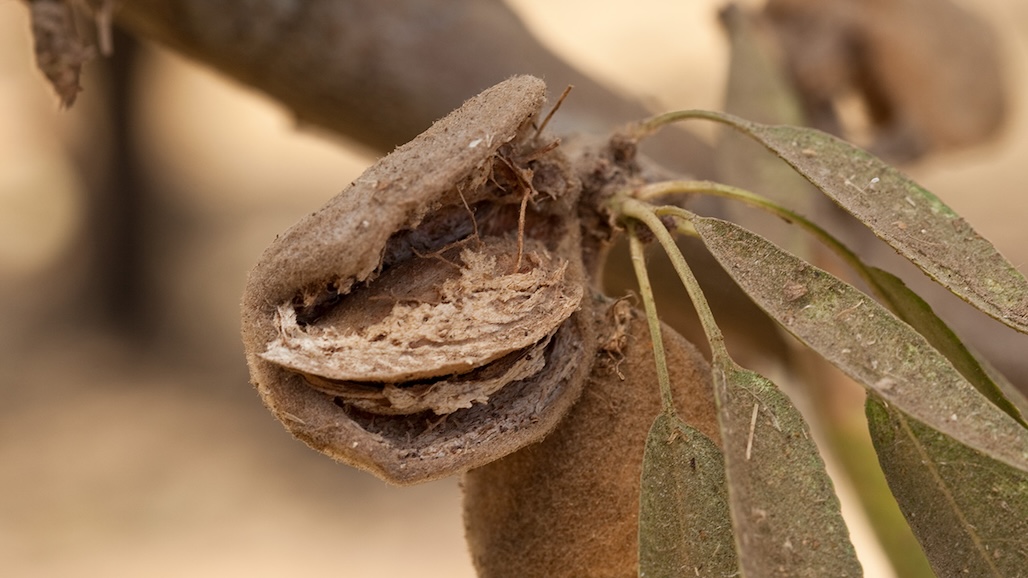
    A hullsplit almond showing a large number of carpophilus beetles (Carpophilus truncatus). Photo by Jhalendra Rijal.

    “This year, we at least have the one year of experience with this pest, and we have generated information that is relevant and practical for the growers,” said Rijal, a University of California Cooperative Extension integrated pest management advisor. For example: After an insecticide trial was largely ineffective (likely because the beetle spends most of its life cycle protected within the nut), Rijal has been emphasizing cultural practices like orchard sanitation.

    Sharing those crucial updates is one reason why the annual UCCE North San Joaquin Valley Almond Day is essential for growers, industry professionals and pest control advisers. This year’s event was held on Jan. 21 at the Modesto Centre Plaza.

    During Almond Day 2025, Jhalendra Rijal, UCCE IPM advisor, discusses the differences between Carpophilus truncatus and related beetle species. Photo by Mike Hsu

    “It’s the meeting on everyone’s calendar,” said Rijal, who co-organized the event alongside his UC Agriculture and Natural Resources peers, Brent Holtz and Cameron Zuber.

    With support from Farm Credit, the 2025 Almond Day attracted about 140 people, who heard about a range of best practices on almond production and pest management from six UC experts.

    “This is a great educational tool,” said meeting attendee Ali Arshad, a Blue Diamond grower who operates several ranches in San Joaquin and Stanislaus counties. “I like to come attend their seminars as much as possible; they’re very educational and informative – and very helpful too.”

    Scientists offer advice on managing carpophilus beetle, red leaf blotch in almonds

    Fellow grower Donny Hicks, who has attended 14 Almond Day meetings, concurred about the usefulness of the event. “Everything that was covered today is applicable to what I do,” he said.

    Troubled by the presence of Carpophilus truncatus on his orchard in Hughson, Stanislaus County, Hicks said he recently partnered with Rijal to set some traps on his property, hoping to grow scientists’ understanding of the pest.

    “It takes growers to help advance that knowledge and be the ‘guinea pigs’ somewhat,” Hicks explained. “At the same time, if it helps us growers as a whole, that’s a good thing.”

    During his opening talk, Rijal reiterated the need for growers to clean up the remnant “mummy” nuts on the ground that serve as overwintering habitat and a food source for the next generation of beetles in the spring.

    “Do the sanitation so you can destroy the population from the beginning and you will have less of a problem,” said Rijal, who also shared a visual ID guide that can help growers identify the specific pest in their orchard and thus better target their control methods.

    Growers also heard practical advice on an emerging almond disease, red leaf blotch, caused by the fungus Polystigma amygdalinum. Named for the orange-red patches of discoloration on leaves, red leaf blotch in almond has led to significant crop loss across Mediterranean countries. Unknown in California prior to last year, there was an explosion of reports throughout the San Joaquin Valley during 2024.

    “It was pretty surprising, both the quickness and vastness of the spread,” said Alejandro Hernandez-Rosas, a UC Davis Ph.D. candidate in the lab of Florent Trouillas, UC Cooperative Extension specialist in the Department of Plant Pathology at UC Davis.

    During his presentation, Hernandez-Rosas said a preventative application of fungicide at petal fall – and then again at two and five weeks after petal fall – appear to work best to manage this disease. Fungicide applications made after the blotchy leaf symptoms appear will not be effective, Hernandez-Rosas said, and further research needs to be done to determine the most effective products and optimal timing for growers to make the most of their applications.

    And because leaf litter is the “primary source” of the disease inoculum, Hernandez-Rosas added that cultural practices focused on speeding cleanup or decomposition of leaf litter are critical to reduce disease severity. However, it is only effective if done over a wide area in conjunction with neighbors.

    Advanced symptoms of red leaf blotch (RLB) include large, yellow-orange blotches (roughly 1/2″) that turn reddish-brown in their center. Photo credit: Alejandro Hernandez and Florent Trouillas

    Rodents, irrigation, replanting and whole orchard recycling

    Both Arshad and Hicks mentioned that they intend to tackle the gopher problem in their orchards.

    “I plant a cover crop every year and the gophers tend to really like it – so I get overrun with those gophers,” Hicks explained. “I’m trying to find that balance of not letting them overtake my orchard but still being able to cover crop – because that’s beneficial too.”

    With many growers voicing a desire to learn about burrowing rodents, Almond Day organizers were pleased to schedule a presentation by Roger Baldwin, professor of Cooperative Extension in the Department of Wildlife, Fish and Conservation Biology at UC Davis.

    Baldwin presented the available control options for not only pocket gophers but also ground squirrels and meadow voles. He stressed the need to understand the biology and ecology of the rodents to maximize efficacy; for example, whereas ground squirrels prefer green foliage as their main food source in the spring, they switch to seeds in the summer/fall – which would thus be a better time to use pelletized baits.

    In choosing from baiting, trapping, habitat modification, burrow fumigation, biocontrols and other options, Baldwin recommended combining different strategies and approaches in an integrated way.

    “Mixing and matching tools will give you the best possible results,” he said.

    The utility of combining methods was also a key takeaway from the presentation by Moneim Mohamed, UCCE irrigation and soils advisor. Highlighting the latest tools and innovations, Mohamed outlined the soil-based, weather-based and plant-based methods to collect data that can help growers make the most of their water.

    Mohamed said using even just one approach is beneficial in optimizing irrigation scheduling – but more is even better. “A combination of the three methods is the best,” he said.

    Cameron Zuber, UCCE orchard crops farm advisor for Merced County, discussed considerations related to replanting an orchard, including field and soil conditions and the management of plant-parasitic nematodes and aggressive pathogens and pests. He also encouraged attendees to visit growingthevalleypodcast.com for more information on tree nuts and a host of other topics.

    Finally, Brent Holtz, UCCE orchard systems farm advisor for San Joaquin County and a trailblazer for whole orchard recycling, presented an overview of WOR. He then shared recent findings on its effects on fungal pathogens, and ways to mitigate drawbacks of WOR – such as the initial carbon-to-nitrogen imbalance when the recycled almond wood chips are first spread on a field.

    Hicks, who has already tried WOR in his orchard, is also the grower relations manager for RPAC, a Los Banos-based company that grows, processes and markets almonds. Hicks said he also brings what he learns during Almond Day to his fellow growers – illustrating the multiplier effect of such educational events.

    “I have growers who possibly will be doing whole orchard recycling, and I can share that information,” Hicks said.

    UC Agriculture and Natural Resources brings UC information and practices to all 58 California counties. Through research and Cooperative Extension in agriculture, natural resources, nutrition, economic and youth development, our mission is to improve the lives of all Californians. Learn more at ucanr.edu.

  • Monitoring Spider Mites in Almond Orchards

    Monitoring Spider Mites in Almond Orchards

    Almond growers are all too familiar with the challenges posed by pests in their orchards. Despite not being on the top of a grower’s concern list, spider mites can inflict serious damage to an almond orchard, and rather quickly if populations get out of control. However, effective monitoring and the use of beneficial insects can play a crucial role in managing these pests and ensuring a healthy almond harvest.

    Understanding Spider Mites
    Spider mites are tiny arachnids that thrive in warm, dry conditions, making almond orchards an ideal habitat. These pests feed on the leaves of almond trees, causing stippling, yellowing, and eventually leaf drop. Severe infestations can lead to reduced photosynthesis, weakened trees, and lower yields. Therefore, it is essential to keep a close eye on spider mite populations and take timely action to prevent economic losses.

    The Role of Beneficial Insects
    One of the most effective natural treatments for spider mites is the use of beneficial insects, such as six-spotted thrips. These tiny predators feed on spider mites and can significantly reduce their populations. David Haviland, a University of California Cooperative Extension (UCCE) entomology farm advisor, emphasizes the importance of relying on six-spotted thrips for mite management. These thrips are highly adaptable, reproduce quickly, and provide numerous operational benefits. They occur naturally, are free, and do not leave residues, pre-harvest intervals, or worker safety issues to worry about.

    In addition to six-spotted thrips, other natural enemies of spider mites include predatory mites and lady beetles. These beneficial insects can help maintain a balance in the orchard ecosystem, reducing the need for chemical interventions. However, it is crucial to monitor the populations of both spider mites and their natural enemies to make informed decisions about pest management.

    Effective Monitoring Techniques
    Monitoring for spider mites involves regular inspections of the orchard, particularly in dusty or water-stressed areas where mites are most likely to thrive. Checking on the underside of leaves for the presence of spider mites is the most effective way to identify them in the orchard. According to the University of California Agriculture and Natural Resources (UC ANR) Integrated Pest Management (IPM) Program, growers should check for spider mites at least weekly during the warmer months. Presence-absence leaf sampling is a useful tool for determining whether treatment is necessary. If there are 1.4 mites per leaf or 38% of leaves are infested, it is time to consider intervention to prevent the population from reaching damaging levels.

    To-Do List for Growers

    1. Seasonal Monitoring: From March to early May, monitor orchards for both predators and spider mites at least once every two weeks. Increase monitoring frequency to at least once a week from June to September when mite populations can rapidly increase.
    2. Weekly Inspections: Regularly inspect your orchard, especially in dusty or water-stressed areas, to check for spider mites. Use a hand lens to detect mite eggs, hatched spider mites, and predators.
    3. Presence-Absence Leaf Sampling: Use this method to determine if treatment is necessary. If there are 1.4 mites per leaf or 38% of leaves are infested, take action.
    4. Monitor Beneficial Insects: Assess the populations of natural enemies like six-spotted thrips, predatory mites, and lady beetles to ensure they are sufficient to control spider mites.
    5. Consider Selective Miticides: If natural predators are not enough, consider using selective miticides that are less harmful to beneficial insects.
    6. Follow ABC Guidelines: Utilize resources and guidelines provided by the Almond Board of California (ABC) for effective mite management.

    For more detailed information on monitoring spider mites, growers can refer to the guidelines provided by the UC ANR IPM Program here.

    Spider mites could pose a significant threat to almond orchards, but effective monitoring and the use of beneficial insects can help manage these pests without increasing inputs. By relying on natural predators like six-spotted thrips and other beneficial insects, growers can reduce the need for chemical interventions, lower costs and promote a healthier orchard ecosystem. — By the Almond Board of California