Category: Industry News

  • Pacific Nut Producer April Issue

    Pacific Nut Producer April Issue

    PNP April Issue
    PNP April Issue

    [btn btnlink=”https://malcolmmedia.com/order-a-back-issue/back-issue-pacific-nut-producer-magazine/” btnsize=”full” txtcolor=”#ffffff” color=”#FFF” bgcolor=”#492500″ btnnewt=”1″ nofollow=”1″]Order A Back Issue[/btn]

    [btn btnlink=”http://malcolmmedia.com/pacific-nut-producer-magazine-subscriptions/” btnsize=”full” txtcolor=”#ffffff” bgcolor=”#492500″ btnnewt=”1″ nofollow=”1″]Subscribe Free[/btn]
    [three_fifth_last]

    Contents of the April Issue:

    Harris Family Enterprises
    From Humble Beginnings to Successful Business

    Almond Alliance 39th Annual Convention
    Registration Is Open for This In-Person Event

    Orchard Views
    Patrick Cavanaugh Retires

    April Orchard Tasks
    Almonds, Hazelnuts, Pecans, Pistachios, Walnuts

    [/three_fifth_last]

  • High Density Planting of Hazelnuts: Considerations and Precautions

    High Density Planting of Hazelnuts: Considerations and Precautions

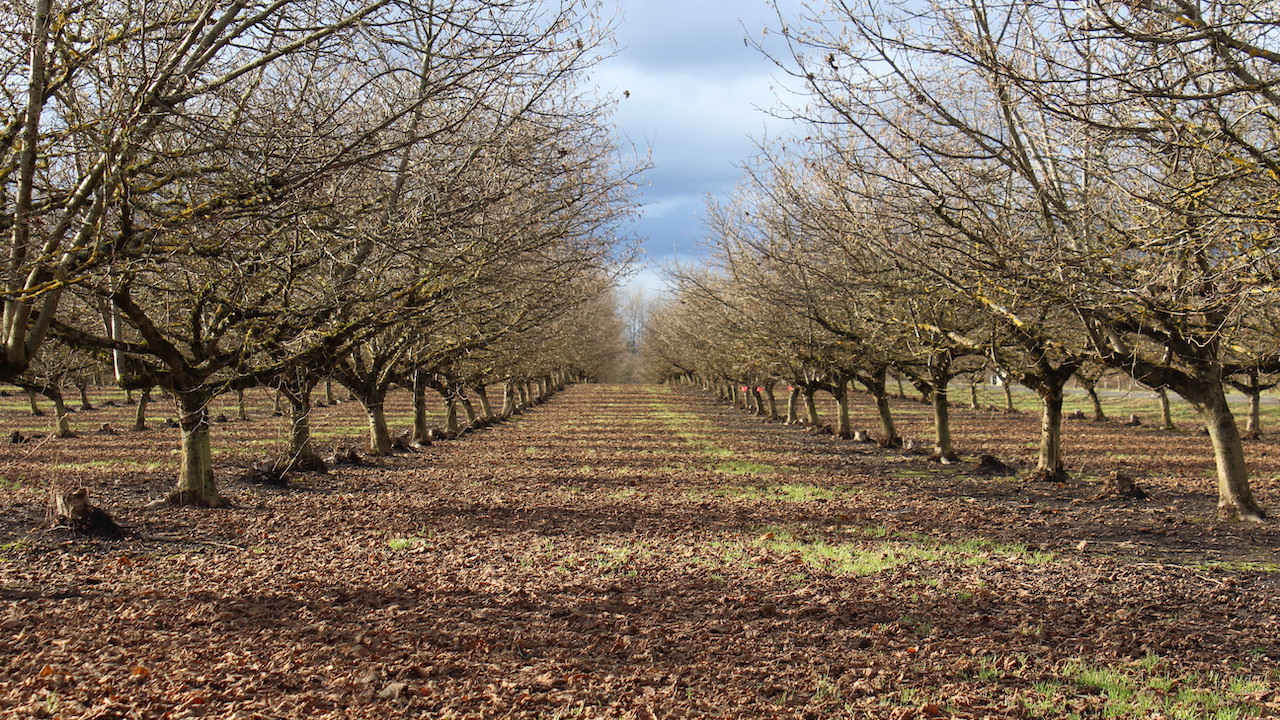
    High or double-density planting is becoming more common in the Pacific Northwest hazelnut industry, but there are some important things to know when considering this practice. Watch this brief interview with hazelnut grower and nurseryman Rich Birkemeier as he briefly provides some considerations and precautions in adopting this practice.  Read more about growing hazelnuts in Pacific Nut Producer Magazine.
    Please thank this video’s sponsor Trece for their industry support.
  • USDA Announces New & Expanded Pandemic Assistance for Farmers

    USDA Announces New & Expanded Pandemic Assistance for Farmers

    Agriculture Secretary Tom Vilsack announced today that USDA is establishing new programs and efforts to bring financial assistance to farmers, ranchers and producers who felt the impact of COVID-19 market disruptions. The new initiative—USDA Pandemic Assistance for Producers—will reach a broader set of producers than in previous COVID-19 aid programs. USDA is dedicating at least $6 billion toward the new programs. The Department will also develop rules for new programs that will put a greater emphasis on outreach to small and socially disadvantaged producers, specialty crop and organic producers, timber harvesters, as well as provide support for the food supply chain and producers of renewable fuel, among others. Existing programs like the Coronavirus Food Assistance Program (CFAP) will fall within the new initiative and, where statutory authority allows, will be refined to better address the needs of producers.

    USDA Pandemic Assistance for Producers was needed, said Vilsack, after a review of previous COVID-19 assistance programs targeting farmers identified a number of gaps and disparities in how assistance was distributed as well as inadequate outreach to underserved producers and smaller and medium operations.

    “The pandemic affected all of agriculture, but many farmers did not benefit from previous rounds of pandemic-related assistance. The Biden-Harris Administration is committed to helping as many producers as possible, as equitably as possible,” said Vilsack. “Our new USDA Pandemic Assistance for Producers initiative will help get financial assistance to a broader set of producers, including to socially disadvantaged communities, small and medium sized producers, and farmers and producers of less traditional crops.”

    USDA will reopen sign-up for CFAP 2 for at least 60 days beginning on April 5, 2021. The USDA Farm Service Agency (FSA) has committed at least $2.5 million to improve outreach for CFAP 2 and will establish partnerships with organizations with strong connections to socially disadvantaged communities to ensure they are informed and aware of the application process.

    The payments announced today (under Part 3, below) will go out under the existing CFAP rules; however, future opportunities for USDA Pandemic Assistance will be reviewed for verified need and during the rulemaking process, USDA will look to make eligibility more consistent with the Farm Bill. Moving forward, USDA Pandemic Assistance for Producers will utilize existing programs, such as the Local Agricultural Marketing Program, Farming Opportunities Training and Outreach, and Specialty Crop Block Grant Program, and others to enhance educational and market opportunities for agricultural producers.

    USDA Pandemic Assistance for Producers – 4 Parts Announced Today

    Part 1: Investing $6 Billion to Expand Help & Assistance to More Producers

    USDA will dedicate at least $6 billion to develop a number of new programs or modify existing proposals using discretionary funding from the Consolidated Appropriations Act and other coronavirus funding that went unspent by the previous administration. Where rulemaking is required, it will commence this spring. These efforts will include assistance for:

    • Dairy farmers through the Dairy Donation Program or other means:
    • Euthanized livestock and poultry;
    • Biofuels;
    • Specialty crops, beginning farmers, local, urban and organic farms;
    • Costs for organic certification or to continue or add conservation activities
    • Other possible expansion and corrections to CFAP that were not part of today’s announcement such as to support dairy or other livestock producers;
    • Timber harvesting and hauling;
    • Personal Protective Equipment (PPE) and other protective measures for food and farm workers and specialty crop and seafood producers, processors and distributors;
    • Improving the resilience of the food supply chain, including assistance to meat and poultry operations to facilitate interstate shipment;
    • Developing infrastructure to support donation and distribution of perishable commodities, including food donation and distribution through farm-to-school, restaurants or other community organizations; and
    • Reducing food waste.

    Part 2: Adding $500 Million of New Funding to Existing Programs

    USDA expects to begin investing approximately $500 million in expedited assistance through several existing programs this spring, with most by April 30. This new assistance includes:

    • $100 million in additional funding for the Specialty Crop Block Grant Program, administered by the Agricultural Marketing Service (AMS), which enhances the competitiveness of fruits, vegetables, tree nuts, dried fruits, horticulture, and nursery crops.
    • $75 million in additional funding for the Farmers Opportunities Training and Outreach program, administered by the National Institute of Food and Agriculture (NIFA) and the Office of Partnerships and Public Engagement, which encourages and assists socially disadvantaged, veteran, and beginning farmers and ranchers in the ownership and operation of farms and ranches.
    • $100 million in additional funding for the Local Agricultural Marketing Program, administered by the AMS and Rural Development, which supports the development, coordination and expansion of direct producer-to-consumer marketing, local and regional food markets and enterprises and value-added agricultural products.
    • $75 million in additional funding for the Gus Schumacher Nutrition Incentive Program, administered by the NIFA, which provides funding opportunities to conduct and evaluate projects providing incentives to increase the purchase of fruits and vegetables by low-income consumers
    • $20 million for the Animal and Plant Health Inspection Service to improve and maintain animal disease prevention and response capacity, including the National Animal Health Laboratory Network.
    • $20 million for the Agricultural Research Service to work collaboratively with Texas A&M on the critical intersection between responsive agriculture, food production, and human nutrition and health.
    • $28 million for NIFA to provide grants to state departments of agriculture to expand or sustain existing farm stress assistance programs.
    • Approximately $80 million in additional payments to domestic users of upland and extra-long staple cotton based on a formula set in the Consolidated Appropriations Act, 2021 that USDA plans to deliver through the Economic Adjustment Assistance for Textile Mills program.

    Part 3: Carrying Out Formula Payments under CFAP 1, CFAP 2, CFAP AA

    The Consolidated Appropriations Act, 2021, enacted December 2020 requires FSA to make certain payments to producers according to a mandated formula. USDA is now expediting these provisions because there is no discretion involved in interpreting such directives, they are self-enacting.

    • An increase in CFAP 1 payment rates for cattle. Cattle producers with approved CFAP 1 applications will automatically receive these payments beginning in April. Information on the additional payment rates for cattle can be found on farmers.gov/cfap. Eligible producers do not need to submit new applications, since payments are based on previously approved CFAP 1 applications. USDA estimates additional payments of more than $1.1 billion to more than 410,000 producers, according to the mandated formula.
    • Additional CFAP assistance of $20 per acre for producers of eligible crops identified as CFAP 2 flat-rate or price-trigger crops beginning in April. This includes alfalfa, corn, cotton, hemp, peanuts, rice, sorghum, soybeans, sugar beets and wheat, among other crops. FSA will automatically issue payments to eligible price trigger and flat-rate crop producers based on the eligible acres included on their CFAP 2 applications. Eligible producers do not need to submit a new CFAP 2 application. For a list of all eligible row-crops, visit farmers.gov/cfap. USDA estimates additional payments of more than $4.5 billion to more than 560,000 producers, according to the mandated formula.
    • USDA will finalize routine decisions and minor formula adjustments on applications and begin processing payments for certain applications filed as part of the CFAP Additional Assistance program in the following categories:
      • Applications filed for pullets and turfgrass sod;
      • A formula correction for row-crop producer applications to allow producers with a non-Actual Production History (APH) insurance policy to use 100% of the 2019 Agriculture Risk Coverage-County Option (ARC-CO) benchmark yield in the calculation;
      • Sales commodity applications revised to include insurance indemnities, Noninsured Crop Disaster Assistance Program payments, and Wildfire and Hurricane Indemnity Program Plus payments, as required by statute; and
      • Additional payments for swine producers and contract growers under CFAP Additional Assistance remain on hold and are likely to require modifications to the regulation as part of the broader evaluation and future assistance; however, FSA will continue to accept applications from interested producers.

    Part 4: Reopening CFAP 2 Sign-Up to Improve Access & Outreach to Underserved Producers

    As noted above, USDA will re-open sign-up for of CFAP 2 for at least 60 days beginning on April 5, 2021.

    • FSA has committed at least $2.5 million to establish partnerships and direct outreach efforts intended to improve outreach for CFAP 2 and will cooperate with grassroots organizations with strong connections to socially disadvantaged communities to ensure they are informed and aware of the application process.

    Please stay tuned for additional information and announcements under the USDA Pandemic Assistance to Producersinitiative, which will help to expand and more equitably distribute financial assistance to producers and farming operations during the COVID-19 national emergency. Please visit www.farmers.gov for more information on the details of today’s announcement.

    USDA touches the lives of all Americans each day in so many positive ways. In the Biden administration, USDA is transforming America’s food system with a greater focus on more resilient local and regional food production, ensuring access to healthy and nutritious food in all communities, building new markets and streams of income for farmers and producers using climate-smart food and forestry practices, making historic investments in infrastructure and clean-energy capabilities in rural America, and committing to equity across the Department by removing systemic barriers and building a workforce more representative of America. To learn more, visit www.usda.gov.
  • Managing Crown Gall in Walnut May Reduce Incidence of Thousand Cankers Disease

    Managing Crown Gall in Walnut May Reduce Incidence of Thousand Cankers Disease

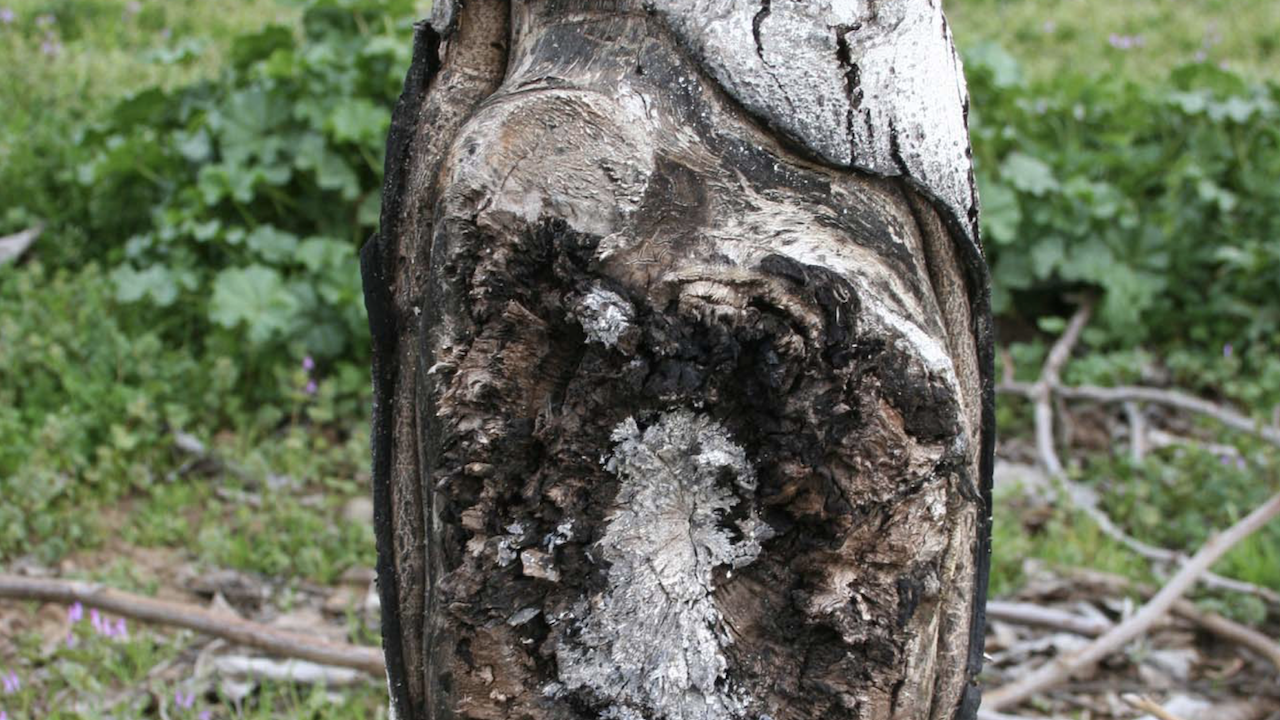
    As the pandemic precluded an in-person UC Tri-County Walnut Day this year, we’d like to share this informative video from Walnut Days past, as Thousand Cankers Disease continues to be an issue for California walnut growers.  If your walnut orchard is suffering from Thousand Cankers Disease, chances are that you may have other pathogens infecting your trees as well.  Watch this brief interview with UCCE Farm Advisor Elizabeth Fichtner and the late UC Davis Entomologist & Chemical Ecologist Steven Seybold as they share some key insights on disease management and prevention. Read more walnut IPM in Pacific Nut Producer Magazine.
    Please thank this video’s sponsor Trece for their industry support.
  • CA Walnuts to Launch Global Marketing Initiative with Coordinated “Power of 3” Events across the Globe

    CA Walnuts to Launch Global Marketing Initiative with Coordinated “Power of 3” Events across the Globe

    The California Walnut Commission recently announced the second annual “Power of 3” global marketing campaign, which builds on the successful 2020 campaign. “Power of 3” will launch on March 3rd with a first-ever global event celebrated in the USA, Germany, India, Japan, South Korea, Spain, Turkey, the United Kingdom and the Middle East to showcase how they like to get their daily handful of walnuts.

    The Power of 3:

    1. Launches March, the 3rd month of the year.
    2. Emphasizes the rich essential plant-based omega-3 ALA content of walnuts (2.5 grams/ounce).
    3. Encourages a handful a day (28-30 grams) as a simple way to improve overall nutrition.

    This campaign is a fun and engaging way to build on one of California walnuts’ core benefits as the only nut that is a rich source of plant-based omega-3 ALA (2.5 grams/ounce). ALA is an essential nutrient needed by the human body that can only be provided through the diet and has been associated with benefits for heart health, brain health and healthy aging. A one ounce serving of walnuts provides plant-based protein (4 grams), fiber (2 grams) and is good source of magnesium. Walnuts are also a good source of vitamin B6 (0.2mg/oz) and an excellent source of copper (0.45mg/oz) and manganese (0.1mg/oz) all of which contribute to the normal functioning of the immune system.

    “There was tremendous excitement around the globe for the Power of 3 campaign last year and we are thrilled to bring it back on an even bigger scale in 2021,” shares Pamela Graviet, Senior Marketing Director, International, for the California Walnut Commission. “This campaign makes it simple for consumers to remember just how easily they can improve their overall diet with a handful of walnuts.”

    The campaign will employ a variety of communications tools, including a video that is a core component of the campaign and will be used across all markets. Recipes, developed by influencers in each country, will be shared across the globe providing inspiration to consumers. Other elements will vary by market including digital and social media, blog posts, sweepstakes, influencer programs, recipe tips and tricks, easy recipes, instore promotions, advertisements and more to generate awareness that a handful of California walnuts is a powerful addition to the diet.

    The Science behind Plant-Based Omega-3 ALA

    All omega-3s provide health benefits, so it’s important to get these good fats from a variety of sources. As the only nut significantly high in omega-3 ALA (2.5g per one ounce/28g), one of the easiest ways to get more ALA into your diet is to start with walnuts.

    ALA and Heart Health

    A study from Advances in Nutrition found that ALA may help improve heart health just as we have seen in studies focused on EPA and DHA1. The literature review provided evidence showing the potentially beneficial role ALA may have in primary and secondary prevention of cardiovascular disease, including stroke and heart attack. According to a clinical trial published in The Journal of Nutrition, eating a diet rich in omega-3 ALA, from foods like walnuts, may help to lower the risk of heart disease through anti-inflammatory effects2. Given the current promising data, there is a need for well-controlled clinical trials to clarify the effects of ALA on risk for cardiovascular disease and to determine the recommended amount of ALA to consume for heart health benefits.

    ALA and Brain Health

    A review study from Progress in Lipid Research assessed the tissue levels of omega-3 DHA formed from ALA3. They reported several important findings. The first was that ALA leads to the synthesis of EPA in some cases, and in particular, may contribute to DHA levels in the brain. Evidence from a variety of studies suggests dietary ALA may be able to fulfill the human requirement for DHA in the body when higher levels of ALA (at least 1.2g) are consumed. Assessing the synthesis of EPA and DHA from ALA in humans is limited to blood level measurements. The takeaway from this study is that through its conversion process, ALA may play a role in maintaining DHA levels in important tissues such as the brain. More research is needed to fully understand the effect of this process in the body.

    ALA and Healthy Aging

    A study published in the Journal of the American College of Cardiology (2020) looked at regular consumption of foods rich in marine or plant-based omega-3s and risk of death among individuals who have suffered a heart attack4. In addition, research from one of the largest clinical trials looking at the benefits of a Mediterranean diet suggested older Spanish individuals (ages 55-80) with a high cardiac risk who supplemented a high fish diet with dietary ALA saw a reduced risk of all-cause mortality. Specifically, study participants who consumed at least 0.7% of their daily calorie intake from ALA had a 28% reduced risk of all-cause mortality.

  • Almond Board Joins Group to Speed CA’s Shift to Safer Pest Management

    Almond Board Joins Group to Speed CA’s Shift to Safer Pest Management

    Yesterday, the California Department of Pesticide Regulation and California Department of Food and Agriculture launched a broad new work group to accelerate the systemwide adoption of safer, sustainable pest control practices.

    The 25-member Sustainable Pest Management Work Group includes farmers, community members, university researchers and representatives from commodity groups and the pesticide industry. They are charged with identifying pathways to minimize the use of toxic pesticides and expand the use of integrated pest management practices; better protect public and environmental health; and engage, educate and promote collaboration to achieve these goals.

     “Transitioning away from toxic pesticides requires us to speed up the development of effective alternatives,” said CalEPA Secretary Jared Blumenfeld. “By giving our farmers a suite of integrated pest management tools, we can better protect farmworkers and some of California’s most vulnerable communities. This dynamic task force will give us the roadmap to achieve this bold vision.”

    “California agriculture is recognized not only for its quality and quantity, but also for the sustainable, innovative, forward-thinking way it is grown,” said CDFA Secretary Karen Ross. “Our farmers have been leaders in adopting integrated pest management and partnering with universities and technical assistance providers to meet our high standards for food, environmental and worker safety. This work group represents a broad array of perspectives to inform the next decade of research and development investment and new partnerships to continue the production of nutritious, delicious food and high quality agricultural products with the least impact to our surrounding communities.” 

    Funded in last year’s budget, the group’s work will build upon the recommendations of the Alternatives to Chlorpyrifos Work Group whose 2020 report identified alternatives to the hazardous insecticide and outlined actions to further support agriculture and the health of local communities, farmworkers and the environment. A new status update details additional actions DPR has taken based on the 2020 report, and how DPR and CDFA are working together to provide additional funding to the University of California and California State University to expand integrated pest management research and education. California prohibited virtually all uses of chlorpyrifos as of Dec. 31, 2020.

    The Sustainable Pest Management Work Group is part of the State’s larger commitment to accelerating the transition away from hazardous pesticides. To support the move, Governor Newsom is proposing to fund additional support for the transition by replacing the current flat-fee mill assessment on pesticide sales with a new risk-based tiered mill assessment, where higher toxicity pesticides are assessed a higher fee.

    The members of the Sustainable Pest Management Work Group include:


    1. Jenny Broome, Driscoll’s
    2. Don Cameron, Terranova Ranch
    3. Casey Creamer, California Citrus Mutual
    4. Jim Farrar, UC Integrated Pest Management (IPM)
    5. Chris Geiger, City of San Francisco
    6. Kim Harley, UC Berkeley
    7. Lisa Herbert, Sutter County Agricultural Commissioner
    8. Nina Ichikawa, Berkeley Food Institute
    9. Dan Kaiser, Environmental Defense Fund
    10. Susan Kegley, Pesticide Research Institute
    11. Margaret Lloyd, UC Extension – small farm advisor
    12. Suguet Lopez, Líderes Campesinas
    13. Gabriele Ludwig, Almond Board of California
    14. Pam Marrone, Chestnut Bio Advisors, Formerly Marrone Bio Innovations
    15. Nayamin Martinez, Central California Environmental Justice Network
    16. John McKeon, Taylor Farms
    17. Cliff Ohmart, Pest Control Advisor (PCA)
    18. Scott Park, Park Farms
    19. Margaret Reeves, Pesticide Action Network
    20. Taylor Roschen, California Farm Bureau
    21. Sarah Ryan, Environmental Director Big Valley Band of Pomo Indians
    22. Daniel Sonke, Campbell Soup Company
    23. Paul Walgenbach, Bayer
    24. Ron Whitehurst, Pest Control Advisor (PCA)
    25. Houston Wilson, UC Organic Agriculture Institute
  • $1.9 Million Hawaii Micro-Grant Program For Small-Scale Ag

    $1.9 Million Hawaii Micro-Grant Program For Small-Scale Ag

    The Hawai`i Department of Agriculture (HDOA) is now accepting applications for the Micro-Grants for Food Security Program, which provides support for small-scale gardening, herding and livestock operations to help produce food in areas that are insecure.

    In August 2020, the U.S. Department of Agriculture (USDA) awarded Hawai`i a total of $1,938,556.80 for this grant program which was established under the 2018 Farm Bill.  Nathan Trump, President of the Hawaii Macadamia Nut Association, commented that many macadamia growers may be able to qualify for this program, with grants of up to $5,000 for individuals and $10,000 for organizations to help purchase equipment and supplies for agricultural projects.

    Information on the Request for Proposals may be found at the Hawai‘i State Procurement website at: https://hands.ehawaii.gov/hands/opportunities/opportunity-details/20023 . The maximum award for an individual is $5,000 for a project of 12 months, $2,500 for a six-month project. Under the grant program rules, religious organization, food banks and food pantries may also apply. Applications/proposals must be emailed to hdoa.addrfp@hawaii.gov and received by noon, April 23, 2021.

    “Through the pandemic, there has been an increase in backyard and small-scale farming which has helped families to economically supplement their basic food needs,” said Gov. David
    Ige. “This grant program presents a unique opportunity to support subsistence agriculture in Hawai`i.”

    “Small-scale farmers and food gardens are often left out of federal funding programs,” said Phyllis Shimabukuro-Geiser, chairperson of the Hawai`i Board of Agriculture. “In these cases, we know that a little support can go a long way to help food security for our families and communities.”

    Examples of the types of activities that may be funded under this grant include:

    Small-Scale Gardening – purchase tools or equipment, soil, seeds, plants, canning equipment, refrigeration, composting equipment, towers, hydroponic and aeroponic farming.

    Small-Scale Herding and Livestock Operations – purchase animals, buy, erect or repair fencing for livestock, activities or supplies associated with setting up or equipping a slaughter and processing facility, including purchasing mobile slaughterhouses.

    -Expanding Access to Food and Knowledge of Food Security – create or expand avenues for the sale of food commodities – includes paying for shipping of purchased items related to growing or raising food for local consumption.

    Additional information, including Frequently Asked Questions, are available at the grant portal at: https://hands.ehawaii.gov/hands/opportunities/opportunity-details/20023

    To assist interested parties with the application requirements, a Zoom webinar has been scheduled for:

    https://zoom.us/j/98372262871?pwd=MklnZWFMTXlsbXhjLzFIYXZLMHVEQT09

    Meeting ID: 983 7226 2871

    Passcode: HDOAMDB

    Information and a recording of the webinar will also be posted at: https://hdoa.hawaii.gov/add/md/

    Eligible proposals will be reviewed by a panel in each county and awards are expected to be announced in May 2021, with first disbursement of funds expected in July 2021.

    Questions regarding the application process may addressed to HDOA’s Market Development Branch at (808) 973-9595 or email: hdoa.addrfp@hawaii.gov

  • Alternative to Ag Open Burning Incentive Program

    Alternative to Ag Open Burning Incentive Program

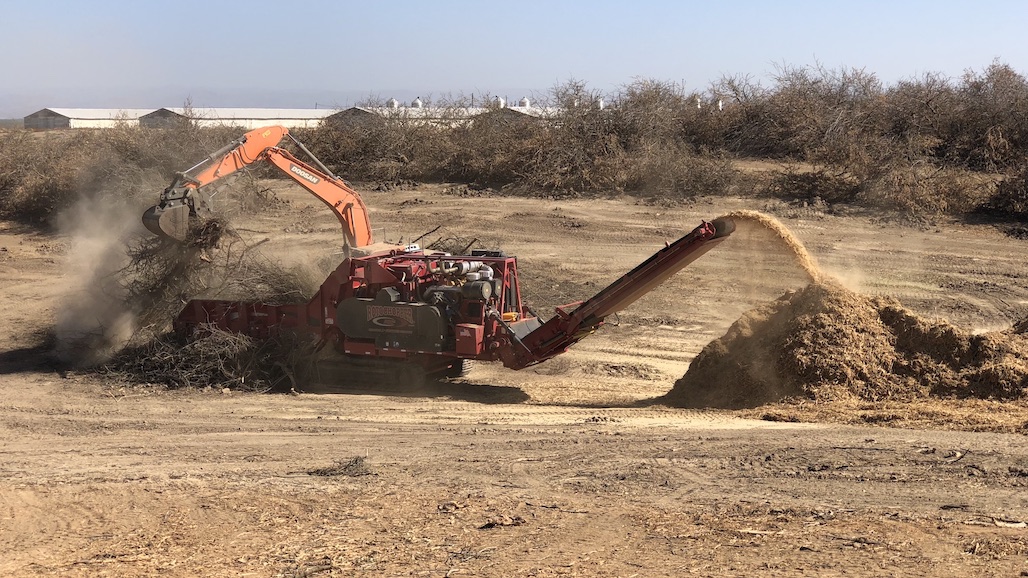
    Almond Alliance of California – The San Joaquin Valley Air Pollution Control District (Air District) is accepting applications for the Alternative to Agricultural Open Burning Incentive Pilot Program. This program provides incentives to commercial agricultural operations located within Air District boundaries to chip or shred agricultural material from orchard and vineyard removals and use for soil incorporation or land application on agricultural land as an alternative to the open burning of the agricultural materials.

    The Almond Alliance and Almond Board of California continue to encourage almond growers to utilize this program, especially given the recent Air Resources Board (CARB) approved plan to phase out all open agricultural burning by 2025 in the San Joaquin Valley.

    Applicants must have not chipped, nor can begin chipping, any of the acres and/or orchard to be removed at the location referenced in their application until they have an executed voucher.

    Applications are processed on a first-come, first-served basis while funds are available. The review and approval process consists of an application review and site inspection.  A voucher is executed and sent to the applicant upon determination of an eligible and complete application and inspection.  The approval process typically takes 7-10 business days.

    Land conversions intended for non-agricultural purposes are not eligible for funding.

    To be eligible, farmers have to use the material for soil incorporation or land application as an alternative to the burning of the material. Eligible crop types include orchard and vineyard removals.  Applicants who will be chipping the material with soil incorporation may receive up to $600 per acre, for a maximum of $60,000 per year.  Farmers who wish to chip without soil incorporation are eligible for up to $300 per acre with a $30,000 maximum per year.

    Almond Alliance Chairman Mike Curry of Johnson Farms indicated that it was easy to apply stating “It’s very simple paperwork. It’s pretty straightforward.” Adding that growers who have applied for Air District funding to assist with the purchase of low-dust harvesting equipment or to replace diesel pumps will find the application process similar.

    For Program Guidelines, Click Here.

    For Program Application, Click Here.


    San Joaquin Valley Air Pollution Control District Contact Information:
    Phone: (559) 230-5800
    Email: grants@valleyair.org
    Website: www.valleyair.org

  • CA Prune Board Addresses Non-Tariff Barriers for Nuts & Dried Fruit

    CA Prune Board Addresses Non-Tariff Barriers for Nuts & Dried Fruit

    As the world leader in prune exports, the California Prune Board is preemptively addressing issues that affect the trade of dried fruits and nuts with a three-year project focused on preserving the use of sulfuryl fluoride. With the support of the Foreign Agriculture Services arm of USDA, the California Prune Board (CPB) has secured funding to lead a Technical Assistance for Specialty Crops (TASC) program titled “Preserving sulfuryl fluoride for dried fruit exports to the European Union.”

    “This project hits on all the major non-tariff barriers,” says Gary Obenauf, CPB Production Research Coordinator and lead on the TASC project. “Exports of nuts and dried fruits require reliable measures that ensure consumers around the world are receiving a safe product and this project is paramount in gathering the information needed, enabling California Prunes and other commodities to retain and expand export markets.”

    While the project specifically investigates the voids in residue data associated with the use of sulfuryl fluoride for treating U.S. dried fruit and tree nuts, the research ultimately addresses the stringent criteria to limit emissions for continued and optimal sulfuryl fluoride use in all export markets for a variety of commodities. The study is being conducted by top experts in their fields from Stanford, Yale, USDA’s Agricultural Research Service (ARS), University of California, and DFA of California.

    “Global trade interest in eliminating greenhouse gas emissions is growing, and we’re getting asked about sulfuryl fluoride use in several markets,” stated Spencer Walse, a research chemist for ARS. “This project provides an opportunity to continue sulfuryl fluoride use globally and preserves the quality of products while maintaining food safety and security. If we don’t protect the use of sulfuryl fluoride, the ability to export to various countries, including the EU, diminishes.”

    With new use patterns that need to be reflected globally, efficacy data is generated for market access into new export opportunities. Many countries, including India and Australia, require residue data to accompany the efficacy data to ensure consumer safety.

    “We studied methyl bromide decades ago and found the use patterns didn’t apply, so we had to adapt for sulfuryl fluoride,” added Obenauf. “This project allows us to update regulatory use patterns which have evolved since we started this work.”

    Phytosanitary techniques are vital to the export industry. The benefits of updating regulatory information through this research and gaining data on sulfuryl fluoride scrubbing extend far past the dried fruit and nut industries and will allow continued use of the gas globally.

    California is the world’s largest producer of prunes providing approximately 40 percent of the world’s supply and over 90 percent of the U.S. supply. Today, there are more than 40,000 bearing acres of California Prune orchards concentrated in the Sacramento and San Joaquin Valleys.
  • Leaffooted Bug Species May be Changing

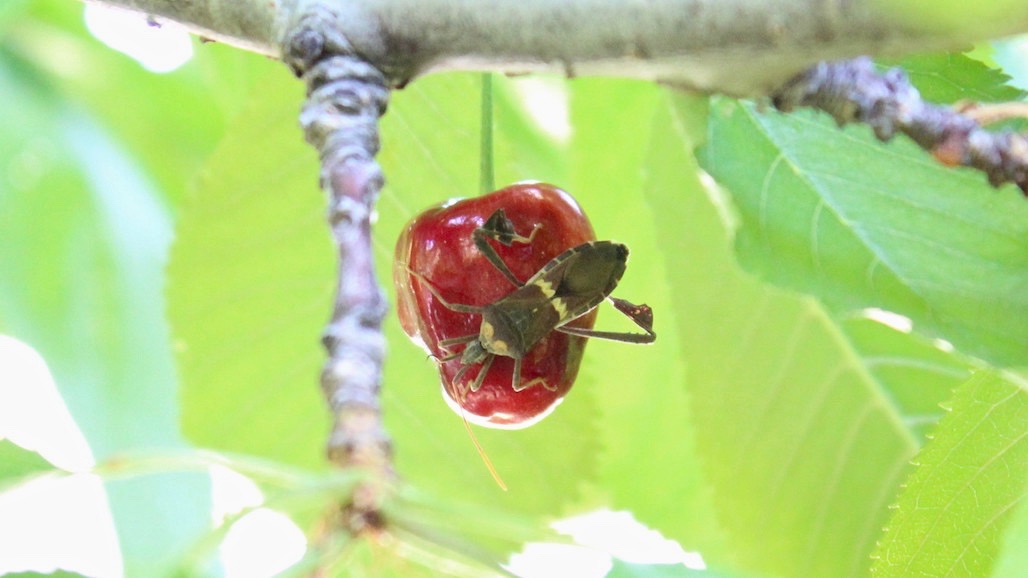
    Leaffooted Bug Species May be Changing

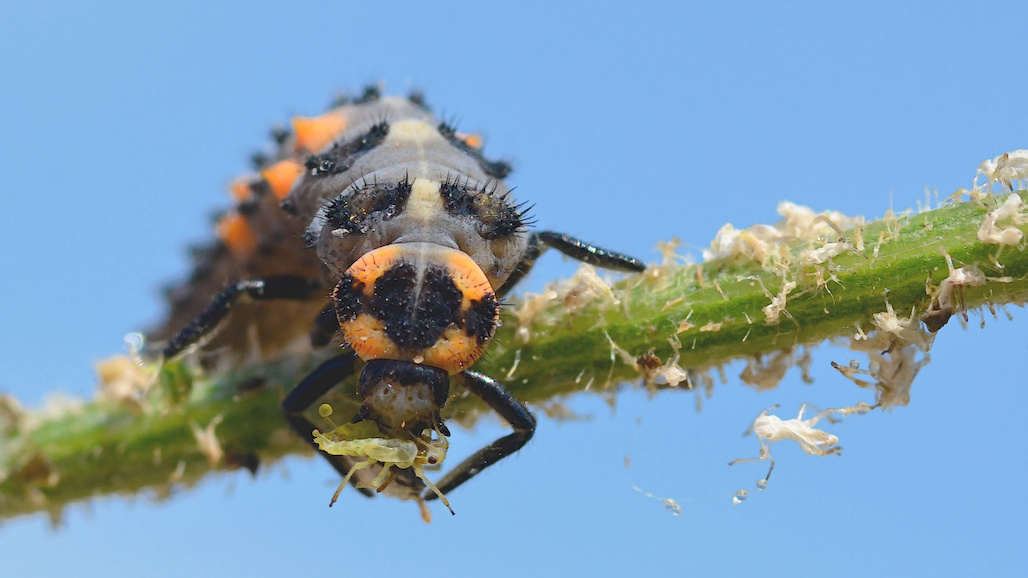
    Almond Board of California — Insect pest management in almond and pistachio orchards largely focuses on reducing damage from navel orangeworm (NOW). Yet, after navel orangeworm, large bugs such as leaffooted bugs (LFBs) and stinkbugs are considered to be among the most damaging insects.

    Leaffooted bug species of particular concern in the past have included Leptoglossus clypealisLeptoglossus occidentalis, and Leptoglossus zonatusLeptoglossus clypealis is occasionally noted to be numerous: In 2013, L. clypealis was a particularly abundant LFB in orchards; however, since that time, L. clypealis seems to be less common than another LFB, L. zonatus.

    Recognizing and understanding the differences between these two LFB is key to effective management.
    L. clypealis is shown on the left and L. zonatus on the right. Photo courtesy of Dr. Joyce.

    L. zonatus is a larger LFB than L. clypealis and has longer mouthparts that allow it to feed on developing fruits longer into the growing season. Prior to 2013, L. zonatusdid not appear regularly in almonds in California, and it was not noted in University of California Integrated Pest Management manuals as being a pest of almonds – while this species was present in California, perhaps it was not particularly numerous. Since 2013, L. zonatus has frequently been observed in almonds during the growing season and at harvest, and now seems to occur more regularly in orchards than L. clypealis. It may be that the larger LFB L. zonatus is displacing L. clypealis.

    From 2014-2016, researchers identified LFB collections in almond and pistachio orchards from Chico to Bakersfield as consisting of two species: L. clypealis and L. zonatus. A 2017 study by Dr. Andrea Joyce, an entomologist at the University of California, Merced, investigated population genetics of these two species and found that L. clypealiscollections have high genetic diversity and many genetic types (haplotypes). This suggests that these L. clypealiscollections from the Central Valley are within this insect’s native range. However, the insect collections of the other species, L. zonatus, consisted of two genetically divergent types, or strains. One L. zonatus strain was widespread, and occurred through the Central Valley from Chico to Bakersfield, and the second genetic type occurred in the central and southern San Joaquin Valley. Work to geographically map out where the two genetic types of L. zonatus occur is ongoing.

    The presence of two strains of L. zonatus is important for insect pest management. It is highly likely that each insect strain is susceptible to different parasitoids, predators and pathogens. Two insect strains can also vary in their response to insecticides, as well as their attraction to pheromone lures.

    Currently, pheromone attractants are being developed for this LFB. It is vital to determine if the same pheromone blend will equally attract the two strains of L. zonatus. Dr. Joyce and colleagues will continue research on the two strains of L. zonatus this year, comparing their biological parameters, examining whether the two strains are cross attracted in lab bioassays, and if they cross mate in the field. The hope is that any pheromones and attractants developed for L. zonatus can be used to manage both strains of this species. A monitoring tool such as a pheromone trap for these insects would be particularly useful in a grower’s IPM toolbox.

    Growers can support researchers in determining the distribution of the two strains by collecting any LFBs they identify or notifying Dr. Joyce when large numbers of LFBs are observed. Growers may email Dr. Andrea Joyce if they sight LFBs or have questions about this pest at  
    ajoyce2@ucmerced.edu.

    Note: Additional Almond Board-funded research is being conducted by Dr. Jocelyn Millar to identify pheromones and related attractants for the two major LFB pests in California nut crops. These tools could potentially be utilized for monitoring or control of these species.