Category: Industry News

  • 2021 Oregon Hazelnut Crop Forecast

    2021 Oregon Hazelnut Crop Forecast

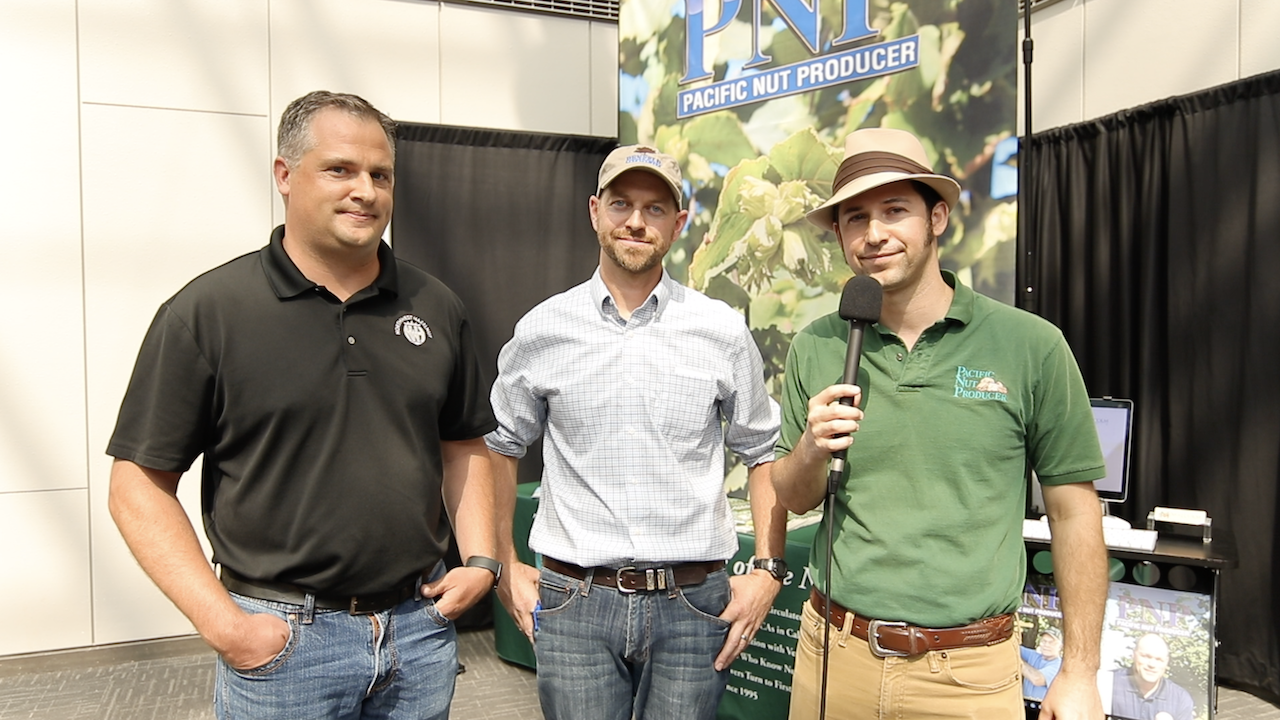
    The USDA National Agricultural Statistics Service has cancelled the release of their 2021 hazelnut crop forecast this year due to a labor shortage.  So what can growers anticipate of this year’s Oregon hazelnut crop? Watch this brief interview with Shaun George & Sean Denfeld to find out, and read more about it in Pacific Nut Producer Magazine. Don’t currently receive the magazine? Subscribe for free at: https://malcolmmedia.com/subscribe/

    Please thank this video’s sponsor George Packing Company for their industry support.

  • New Director Leaders at the Almond Board of California

    New Director Leaders at the Almond Board of California

    The new Board of Directors of the Almond Board of California (ABC) took their seats on Wednesday with five voting members – three of them new to the board – beginning new terms to help oversee ABC’s support of one of California’s most important agricultural crops.

    Board members, whose terms officially began Aug. 1, also elected Brian Wahlbrink as chair and George Goshgarian Jr. as vice chair.

    “This is a knowledgeable, talented board,” Wahlbrink said. “Our board members come from across our industry and around our state. They bring a great energy and an impressive range of experience, and we’re all eager to continue moving California almonds forward as one of the state’s most valuable and important crops.”

    The 10-member board of ABC has five grower members – three representing independent growers and two representing growers working with cooperatives – and five handler members, also with three independents and two co-op reps.

    The new grower representatives are:

    • Paul Ewing, an independent from RPAC Almonds in Los Banos. He was re-elected and takes a 1-year term.
    • Joe Gardiner, an independent from Treehouse California Almonds in Earlimart. He was an alternative on the previous board and takes a 3-year term.
    • Christine Gemperle, a co-op grower from Gemperle Orchards in Ceres. She was also a former alternate and takes a 3-year term.

    The new handler representatives are:

    • Darren Rigg, an independent handler from Minturn Nut Co in Le Grand. He was re-elected and takes a 1-year term.
    • Bob Silveria, an independent handler from Vann Family Orchards in Williams. He will serve a 3-year term.

    In addition, the board has five new alternates:

    • Brandon Rebeiro, an independent grower from Gold Leaf Farming in Modesto.
    • Chris Bettencourt, an independent grower from Westley.
    • Kent Stenderup, a co-op grower from Stenderup Ag Partners in Bakersfield and former chair of the ABC Board.
    • Dexter Long, an independent handler from Hilltop Ranch in Ballico. He was re-elected as an alternate.
    • Chad DeRose, an independent handler from Famoso Nut Co. in McFarland. He was also re-elected as an alternate.

    The ABC board sets policy and recommends budgets to the Secretary of Agriculture in major areas including production research, public relations and advertising, nutrition research, statistical reporting, quality control and food safety.

    About the Almond Board of California

    ABC is a Federal Marketing Order dedicated to promoting California almonds to domestic and international audiences through marketing efforts and by funding and promoting research about almonds’ health benefits, efficient and sustainable farming, food safety and more. ABC works on behalf of the more than 7,600 almond growers and processors in California, many of whom are multi-generational family operations.

  • Pacific Nut Producer August Issue

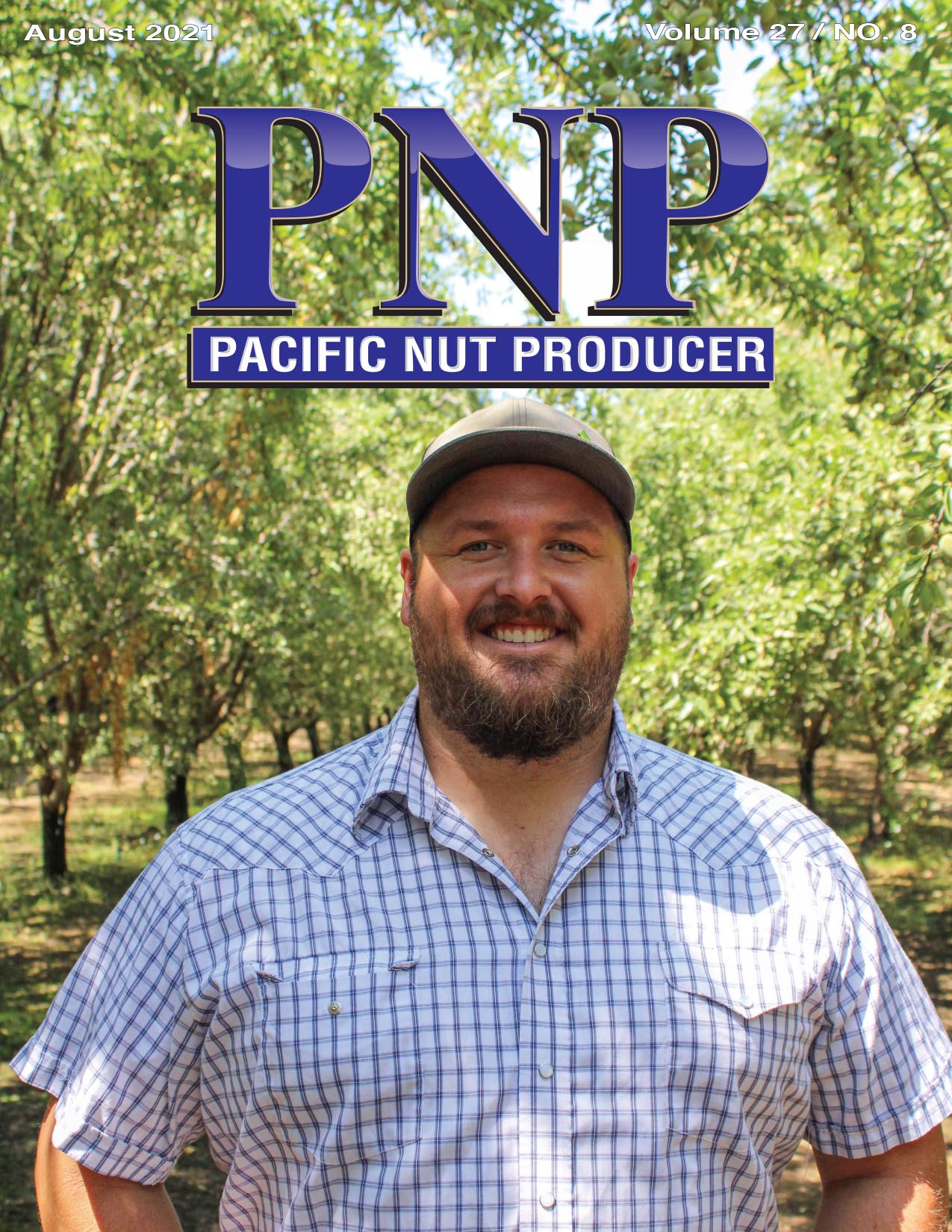
    Pacific Nut Producer August Issue

    PNP821
    Pacific Nut Producer August Issue

    [btn btnlink=”https://malcolmmedia.com/order-a-back-issue/back-issue-pacific-nut-producer-magazine/” btnsize=”full” txtcolor=”#ffffff” color=”#FFF” bgcolor=”#492500″ btnnewt=”1″ nofollow=”1″]Order A Back Issue[/btn]

    [btn btnlink=”http://malcolmmedia.com/pacific-nut-producer-magazine-subscriptions/” btnsize=”full” txtcolor=”#ffffff” bgcolor=”#492500″ btnnewt=”1″ nofollow=”1″]Subscribe Free[/btn]
    [three_fifth_last]

    Contents of the August Issue:

    Ryan Valk Educates & Entertains
    Fifth Generation Farmer Connects Using Social Platform

    Pollination Points
    Considerations for Cover Crops in Drought Conditions

    August Orchard Tasks
    Almonds, Hazelnuts, Pecans, Pistachios, Walnuts

    [/three_fifth_last]

  • US Pistachio Shipments Up Despite Logistical & Economic Challenges

    US Pistachio Shipments Up Despite Logistical & Economic Challenges

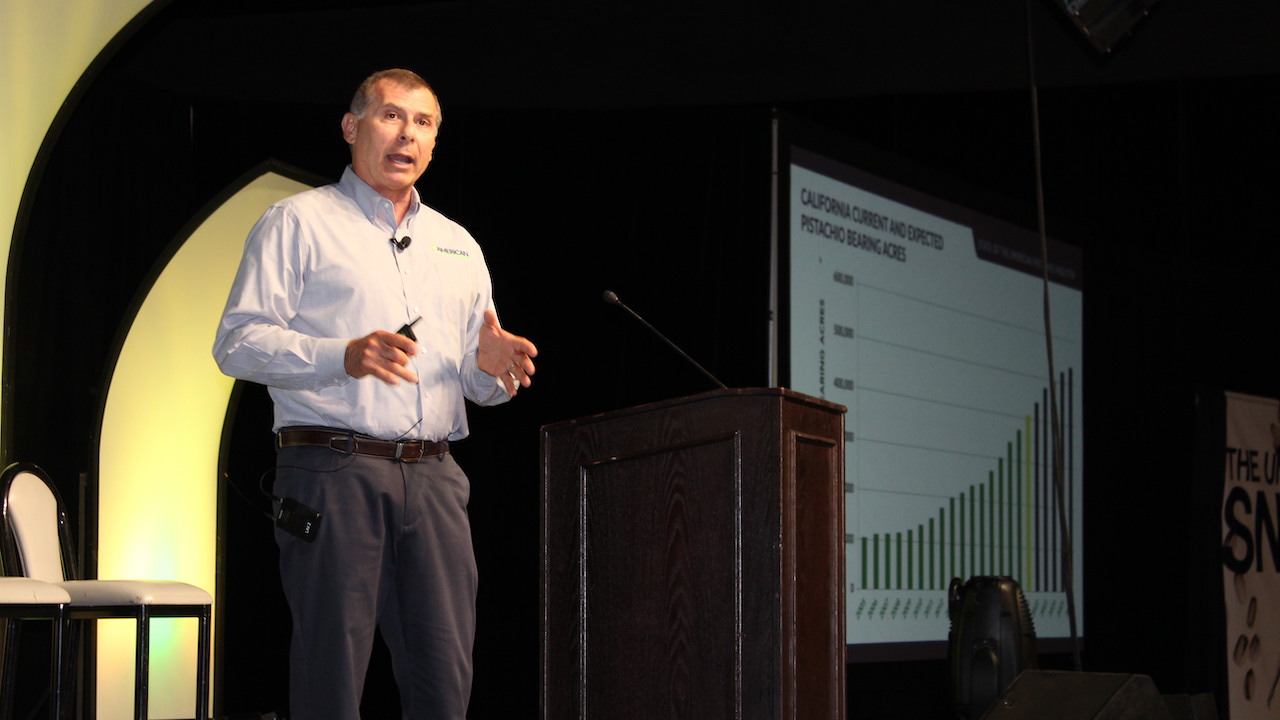
    Despite continued pandemic, trade and logistical issues, American Pistachio Growers President Richard Matoian shared at their annual Summer Luncheon that pistachio shipments are up, which is critical for the success of this growing commodity. Watch this brief interview with Richard as he explains, and read more about it in Pacific Nut Producer Magazine.
    Please thank this video’s sponsor Suterra for their industry support.
  • Ag Goals & Progress of Voluntary Agreements for Bay-Delta Flows

    Ag Goals & Progress of Voluntary Agreements for Bay-Delta Flows

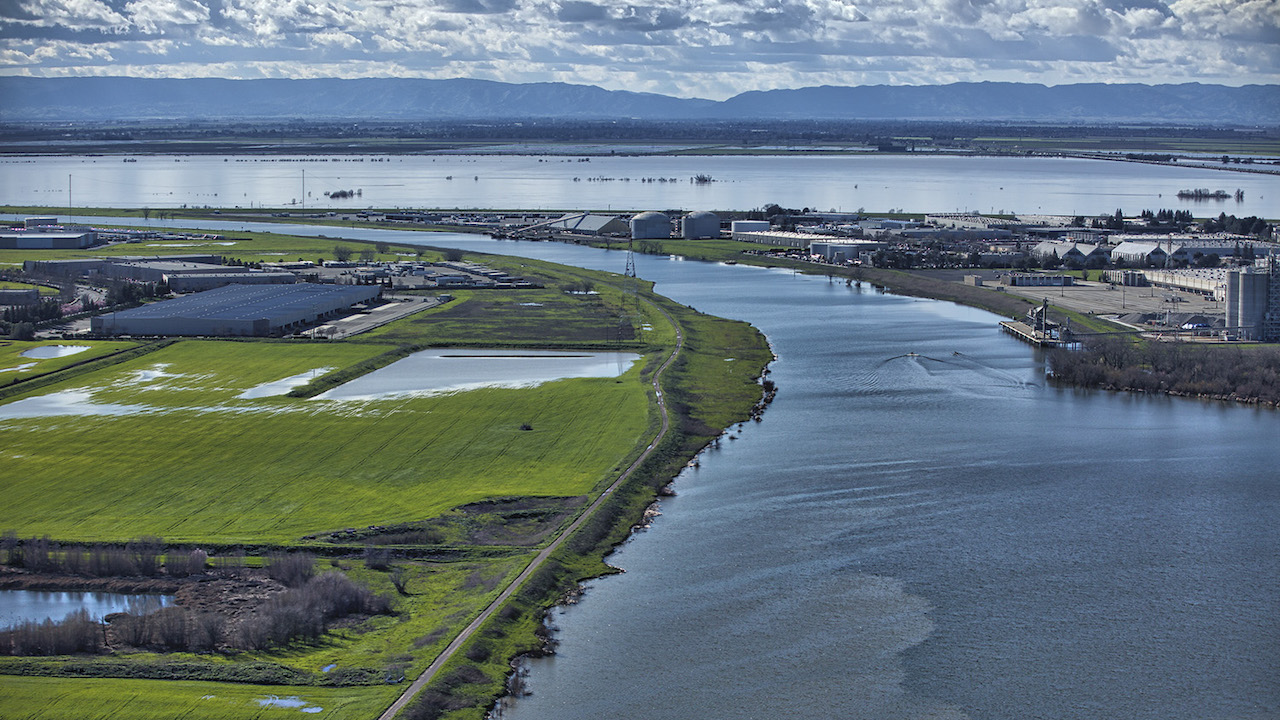
    What is now being referred to as a 20 year drought in California has caused many problems for not only farmers, but all Californians and wildlife. In addition to the dire need for water infrastructure renovations, farming groups are also very focused on pursuing voluntary agreements for alternatives to the California State Water Resources Control Board plan for Bay-Delta flows.  Watch this brief interview with Merced County farmer, Randy Fiorini who shared some insights from the Delta Stewardship Council as the discussions on voluntary agreements have resumed.
    Please thank this video’s sponsor Suterra for their industry support.
  • 2021 Crop Forecast with American Pistachio Growers

    2021 Crop Forecast with American Pistachio Growers

    Just how “off” of an off-year do we expect the California pistachio crop to be this season?  Obviously factors of drought and increasing bearing acreage will play major roles in the outcome of this year’s harvest, but watch this brief interview with APG President Richard Matoian as he shares the crop forecast.  Read more about it in Pacific Nut Producer Magazine.
    Please thank this video’s sponsor Suterra for their industry support.
  • FARM Act Funding for Pilot Programs to Produce Biocarbon Products from Tree Nuts

    FARM Act Funding for Pilot Programs to Produce Biocarbon Products from Tree Nuts

    The Almond Alliance of California today commended Rep. Josh Harder (C-10) for including funding to support ten nationwide pilot programs to convert tree nut by-products into biocarbon products in the Future of Agricultural Resiliency and Modernization (FARM) Act.

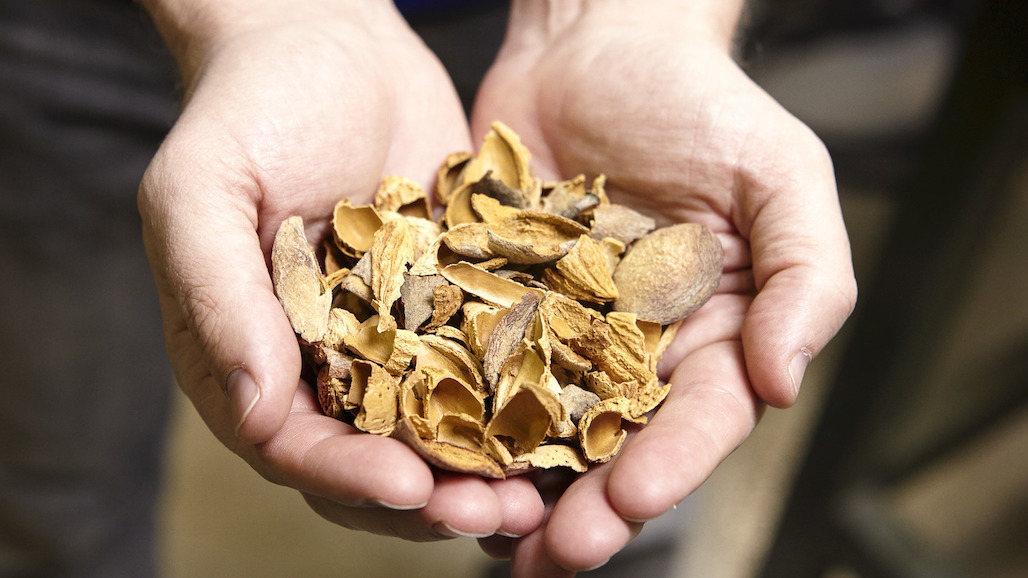
    Almond Alliance President Elaine Trevino explained that in California the funding will help accelerate efforts to develop new biofuels or other biocarbon products derived from almond harvest by-products.  For example, in a process called “pyrolysis” almond harvest by-products can produce biochar, a soil amendment with excellent carbon sequestration potential and syngas and bio-oils, which can be used directly to fire furnaces or more importantly as inputs to produce motor vehicle biofuels and other biochemicals.

    Trevino commented, “California’s almond growers are proud to be innovators who remain focused on sustainability and are constantly looking to put everything we grow to its highest and best use.  We expect that biofuels produced using California Grown almond by-products will become a major contributor towards meeting California’s carbon neutral goals.  We appreciate Congressman Harder’s ongoing support of almond growers and especially his inclusion of funding for pilot projects in the FARM Act that will catalyze development of climate-friendly biocarbon and biofuel products.”

    About the Almond Alliance

    The Almond Alliance of California (AAC) is a trusted non-profit organization dedicated to advocating on behalf of the California almond community. California almonds generate more than $21 billion in economic revenue and directly contribute more than $11 billion to the state’s total economy. California’s top agricultural export, almonds create approximately 104,000 jobs statewide, over 97,000 in the Central Valley, which suffers from chronic unemployment. The AAC is dedicated to educating state legislators, policy makers and regulatory officials about the California almond community. As a membership-based organization, our members include almond processors, hullers/shellers, growers and allied businesses. Through workshops, newsletters, conferences, social media and personal meetings, AAC works to raise awareness, knowledge and provide a better understanding about the scope, size, value and sustainability of the California almond community.

    For more information on the Almond Alliance, visit https://almondalliance.org/ or check out the Almond Alliance on Facebook, Twitter and Instagram.

  • Merced Grower Works with Farmland Trust to Protect Acreage from Urban Development

    Merced Grower Works with Farmland Trust to Protect Acreage from Urban Development

    Merced County almond, walnut and peach grower, Randy Fiorini is proud to be the first farmer to work with both the Henry Mayo Newhall Foundation and California Farmland Trust in a conservation fundraising campaign to protect agricultural land from urban expansion. Watch this brief video with Randy Fiorini as he explains the program and needed support to realize his goal.

    Please thank this video’s sponsor Suterra for their industry support.

  • Washington Issues Rules to Protect Farm Workers from Wildfire Smoke

    Washington Issues Rules to Protect Farm Workers from Wildfire Smoke

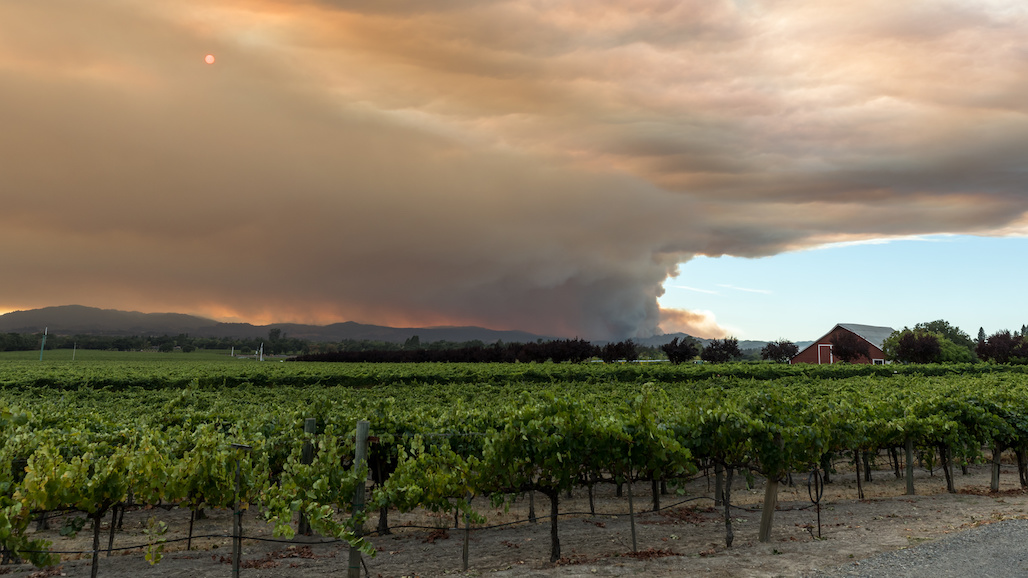
    Washington is under a state of emergency, with more than 600 wildfires reported already this year. That’s about double the normal rate, according to the state Department of Natural Resources. Where there’s fire, there’s smoke that can expose outdoor workers in construction, agriculture, and other jobs to health risks from breathing particulate matter in the air.

    To help these and other workers, the Department of Labor & Industries (L&I) filed emergency rules today to help protect employees exposed to wildfire smoke. Washington is just the second state to issue regulations regarding workers and wildfire smoke. California was the first, adopting its rules in 2019.

    “This wildfire season is shaping up to be even worse than last year,” said L&I Director Joel Sacks. “We’re establishing these emergency rules to protect employees who have to work outside, breathing in smoky air all day long.”

    Smoke from wildfires contains chemicals, gases, and fine particles that can harm health. The most concerning hazard is associated with the smallest particles, or Particulate Matter (PM), that are less than 2.5 micrometers (PM 2.5). These particles can get deep into the lungs, worsening existing health conditions like asthma, negatively impacting heart health, and increasing the risk of death.

    The new wildfire smoke rules spell out to employers how to identify harmful smoke exposure risks and when to notify their workers. They also require employers to:

    • Train employees and supervisors about wildfire smoke;
    • Ensure employees showing symptoms of wildfire smoke exposure are monitored and receive medical care when necessary; and,
    • Take actions to eliminate or reduce exposures to wildfire smoke where feasible, when levels of particulate matter are high.

    The rule sets the standard for dangerously poor air quality at PM 2.5 concentrations of 55.5 micrograms per cubic meter (μg/m3) or an Air Quality Index (AQI) of 151.

    Measures to eliminate or reduce worker exposure may include:

    • Moving work to enclosed buildings, structures, or vehicles where the air is adequately filtered;
    • Moving employees to areas with lower smoke exposure;
    • Reducing work intensity;
    • Providing additional rest periods; and,
    • Providing employees with respirators, such as an N95 or a KN95 disposal mask at no cost for voluntary use when levels of particulate matter are high.

    Although not required, L&I also recommends employers take action to reduce employee exposure to dangerous air at even lower levels of particulate matter, especially for sensitive groups with asthma or other lung conditions.

    Monitoring air quality
    The emergency wildfire smoke rules include several ways employers can check PM 2.5 levels. They can check sites including the EPA’s AirNow website or state Department of Ecology’s Air Monitoring Network and download mobile apps like “EPA AirNow” or “Air Quality WA.” They can also purchase equipment to check it themselves.

    What’s next
    The emergency rules are in effect immediately (July 16, 2021); employers will be given a brief grace period before enforcement begins.  
    L&I gathered stakeholder input and referenced California’s regulations to develop the emergency wildfire smoke rules. L&I will announce opportunities to provide input on permanent rules in the coming months.

  • Third Edition of NMSU’s Extension Troublesome Weeds Publication Now Available

    Third Edition of NMSU’s Extension Troublesome Weeds Publication Now Available

    The third edition of a booklet to help identify noxious and invasive weeds in New Mexico is now available.

    “Noxious and Troublesome Weeds of New Mexico” provides information on about 67 plant species that are ranked in five categories – noxious weeds categories A, B and C, watch list, and troublesome weeds not included on the noxious weeds list.

    New Mexico State University’s College of Agricultural, Consumer and Environmental Sciences Cooperative Extension Service has published the third edition of this booklet in cooperation with the New Mexico Department of Agriculture, Bureau of Land Management, U.S. Forest Service, New Mexico Vegetation Management Association, U.S. Department of Agriculture and New Mexico State Highway and Transportation Department.

    “It has been more than a decade since the booklet was updated,” said Leslie Beck, NMSU Extension weed specialist. “We tried to include a wide spectrum of plants within different families so when people use the booklet, they will have a starting point for identification.”

    The booklet includes species common and scientific name with description of the plant, including its stems, leaves and flower appearances; various names it is known as; how it reproduces; and the do’s and don’ts for managing the plants.

    “The state map has been updated to indicate which counties each species is found,” Beck said. “Also we have included photos of each of the plants to help with the identification.”

    First published in 2006, and revised in 2010, “Troublesome Weeds of New Mexico” has been a popular tool for identifying the plants.

    “Since the last revision a lot of the species have shifted into new noxious weed categories, or the plant may have been taken off or added to the list,” Beck said.

    The 41 noxious species are divided into three categories in regards to how prevalent they are across the state from currently limited distribution, to severe infestation, to widespread.

    Six species that have the potential of becoming problematic are on the watch list.

    “This is the part of the publication that has changed the most,” Beck said. “More data is needed to determine if these species should be considered a problem. We ask people to document the location of these plants and contact appropriate authorities, such as their local county NMSU Extension offices or NMDA.”

    In addition to the noxious weed and watch list species, the 2021 edition includes 20 species that are considered troublesome weeds.

    “These are plants that have been commonly observed as invaders of multiple cropping systems, such as landscapes, gardens, agriculture, rangelands and pastures,” Beck said. “They may be native to the Southwest but commonly invade certain cropping systems as a weed.”

    This list does not include every plant species with the potential to negatively affect the state’s environment or economy.

    “These species were selected because they have frequently been sent to me for identification,” Beck said. “Some of them are a little bit more common than others.”

    The PDF version of the publication is available at https://aces.nmsu.edu/pubs/_circulars/CR698.pdf. A printed copy of the booklet, sized to fit in a back pocket, will be available soon. — By Jane Moorman, New Mexico State University