Category: Industry News

  • Japanese Consumers Crave California Almonds, Walnuts & Pistachios

    Japanese Consumers Crave California Almonds, Walnuts & Pistachios

    According to the USDA Foreign Agricultural Service, a strong demand for U.S. Tree Nut products continues in Japan, driven by the growing health-oriented trends among Japanese consumers. In 2021, fresh and dried nut imports to Japan totaled $491 million, of which 78.2 percent or approximately $384 million was from the United States. The key market sectors for U.S. Tree Nuts are in bakery and retail, valued at $215.1 million. Almonds and walnuts are almost exclusively supplied by the United States.

    General Information:

    Historically, walnuts and chestnuts were grown wild or cultivated on a very small scale for local consumption. Since Japan started importing nuts in the 1950’s, nuts such as almonds and mixed nuts have been used as a snack to eat with alcoholic drinks or as ingredients for cookies and chocolates. Except for certain walnut production areas, only in recent years have nuts been used for cooking. The Japan Nuts Association was established in 1993, with seventy-three importers and distributors.

    Market Trends:

    Japan has almost no production of nuts, except for very limited production of walnuts (approximately one hundred eighty tons per year). As a result, consumers of nut products rely heavily on imports. The market had been very limited, but stable, because nuts were mostly used as ingredients for the bakery and confectionary industry and the retail price for nuts was relatively higher. Over the past decade, consumption of almonds and walnuts has gradually increased, with imports reaching 42,489 metric tons (MT) (a record high) and 22,527 MT, respectively. Meanwhile, chestnuts have seen dramatic declines in import volumes over the past twenty years. Pistachio imports have been stable but has gradually increased in small amounts over the past couple of years.

    The key market sectors for tree nuts are bakery (55 percent) and retail (33 percent). For confectionary and baking industry, the following processed nut items have been most widely used:

    Walnuts: 1) Raw shelled light-color medium pieces, 2) Raw or roasted shelled light-color small pieces

    Almonds: 1) Blanched powder, 2) whole, 3) Roasted cuts, 4) Sliced

    Pistachios: 1) In-shell, 2) Raw shelled, 3) Praline rolled into paste, 4) Cuts (for topping)

    In the baking sector, walnuts are the most frequently utilized tree nuts, in a variety of bread items and Japanese sweets. In the retail sector, nuts in a 40-55g package or 100g package are popular at convenience stores and supermarkets, and 200g or 500g package are popular at specialty stores, and internet shops. At the retail stores, nuts are placed on the shelf for the baking ingredients and/or the shelf for the snacks. Salted mixed nuts for snacking or accompanied with alcoholic drinks are traditional methods of consumption and still popular in the retail sector. However, unsalted straight nuts are gaining in popularity due to the proliferation of information on the health benefits and versatility in usage for each type of nut. Snack nuts mixed with dry fruits, such as trail mix, are still not common but cereal snack bars, some sold with the Nutritional Supplement Foods label, with nuts and dry fruits have been popular in the Japanese market.

    In the retail sector, mixed nuts are sold best among nuts categories (including peanuts), followed by peanuts and chestnuts. In recent years, Japanese consumers have become more health-conscious and have become more educated on the nutritional benefits both almonds and walnuts provide. Strategic marketing and promotion of the health and beauty benefits have continued to be effective by major television stations as well as on internet and social media sites. Health-related messaging includes key words like omega-3, anti-oxydant, vitamin E, vitamin B, minerals, oleic acid, anti-aging, reducing cholesterol, zero cholesterol, healthy blood vessels, healthy brain, healthy skin, etc. This type of messaging has been key to promoting nuts and nut products to Japanese consumers.

    During the peak of the COVID-19 pandemic in 2020-2021, sales of nuts and dry fruits increased in the retail sector due to consumer dining changes, from dining-out to dining in the household. Some stores reported between 120-130 percent increased sales and the expansion of shelf space by 10 percent. Overall, snacking became one of the growing trends during the stay-at-home/teleworking environment. “New Snacking” included nuts, dry fruits, and vegetable chips. In addition to this, consumers made shifts to “unsalted” nuts, as a healthier alternative.

    Pistachio’s use as an ingredient is another in-demand product. Major snack/confectionary manufacturers created new snacks using more nuts including pistachios. Major manufacturers including Morinaga and Tirol have new ice cream and chocolate products utilizing pistachios. Major convenience stores such as 7-Eleven and Family Mart created desserts with pistachios, which have also been sold in cafes and at other specialty stores. In addition to this, one of the major specialty store chains KALDI started selling pistachio spread. A pistachio specialty store “Pista and Tokyo” recently opened at one of the premium locations near Tokyo Station, demonstrating the strong popularity pistachios have gained among Japanese consumers. Imports for U.S. pistachios have been flat but have been gradually increasing over time. Import data from December 2020 to November 2021, shows an increase of 146.3 percent compared to the previous year. Approximately 93 percent of total pistachio imports in 2020 were from the U.S., with the rest mostly originating from Iran and Italy.

    Imports of Tree Nuts:

    Each type of nut is imported mainly from a sole exporter because of specific production conditions such as climate, soil, and ability for mass production and quality control. That dependence can cause unstable supplies and prices; and Japanese importers are seeking a wider variety of potential suppliers to fulfill market demand. The United States dominates as supplier of almonds, walnuts, and pistachios, and ships in lesser quantities. Australia supplies the majority of macadamia nuts; chestnuts are imported primarily from China and Korea, while Turkey is the largest supplier of hazelnuts. Cashews and coconuts are sourced mostly from other countries.

    The U.S.-Japan Trade Agreement (USJTA) entered into force on January 1, 2020 and is in year three of enforcement. Following implementation of USJTA, nearly 90 percent of U.S. food and agricultural products imported into Japan are now duty free or receive preferential tariff access. In 2021, Japan imported $491 million in fresh or dried nuts from the world, of which 78.2 percent (approximately $384 million) was from the United States.

    Major Tree Nuts Importers, Processors and Distributors in Japan

    Japan is a very competitive market, and buyers in the food and beverage industry are inundated with meeting requests. Therefore, they often do not respond to “cold calls” or requests for meetings with individual companies. Instead, they prefer to find new products at large trade shows, or specially targeted trade showcases, where they can look at many products at once. Therefore, the best way to find buyers is to participate in one of the food related trade shows or showcases in Japan. The ATO organizes U.S. pavilions at the Supermarket Trade Show in February and FOODEX Japan in March, and many Japanese buyers are invited to stop by the U.S. pavilion to meet with exhibitors. The ATO also supports exhibitors at the shows by providing a market briefing, business meeting lounge, etc. Please contact the ATOs for more information about trade shows. The recommended trade shows featuring USA Pavilions in Japan are as follows:

    -FOODEX Japan in Kansai 2022, July 27-29, 2022, Intex Osaka, Osaka

    -FABEX Kansai 2022, September 7-9 2022, Intex Osaka, Osaka

    -Supermarket Trade Show 2023, February 15-17, 2023, Makuhari Messe, Chiba

    -FOODEX Japan 2023, March 7-10, 2023, Tokyo Big Sight, Tokyo

    Contact Information:

    The Japan Nuts Association represents the interests of wholesalers, processors, and trading firms. For their member list, please visit: http://www.jna-nut.org/?page_id=16

    FAS/USDA Offices in Japan

    URL: http://www.usdajapan.org/ Agricultural Trade Office, Tokyo ATOTokyo@ usda.gov

    Tel: + 81-3-3224-5118 Agricultural Trade Office, Osaka ATOOsaka@ usda.gov

    Tel: + 81-6-6315-5904 

    — By Juri Noguchi, USDA Foreign Agricultural Service

  • CA Senators Feinstein and Padilla Join Efforts To Hold Summit to Resolve Ag Export Trade Crisis

    CA Senators Feinstein and Padilla Join Efforts To Hold Summit to Resolve Ag Export Trade Crisis

    The Almond Alliance of California today thanked  California’s U.S. Senators Dianne Feinstein and Alex Padilla for joining with a collaborative of major agriculture associations in urging a summit with all stakeholders – ocean shipping carriers and agricultural exporters – to resolve gridlock at the nation’s ports, where billions of dollars of exports are stuck on the docks.

    “The agriculture community of California thanks and appreciates our Senate delegation for standing up to end this gridlock which has crippled California farmers for the last year,” stated Almond Alliance President Aubrey Bettencourt.

    The call to action – spelled out in a letter from the senators – urged a wide range of interests to come to the table to address this crisis. The communique was sent to

    March Bourdon, President of CMA CGM Maritime, the United States Secretary of Agriculture, the United States Secretary of Transportation, and the National Economic Council.

    The senators implored those officials to work with American agricultural exporters to immediately expand export opportunities.

    “We urge you to work with California agricultural producers to ensure their products, especially perishables, expeditiously get to export markets worldwide during this important season,” the senators wrote. “We look forward to working with you to achieve our shared goals.”

    In their communique, Senators Feinstein and Padilla underscored the urgency of the crisis:

    Our “agricultural commodities have been significantly hampered in exporting their products because of container and equipment shortages, canceled bookings, and inadequate receiving windows.

    “According to the attached letter from several of California’s major agricultural producers, three out of four containers at U.S. ports are returning to Asia empty, resulting in a significant backlog of sold product in need of transportation.”

    That letter from national and state agricultural groups specifically demands for an immediate federal effort to convene a meeting of ocean carrier companies and agricultural exporters to address the tremendous export trade imbalance which is crippling American agriculture and damaging the American economy.

    Signatories of that second letter include leadership of the California Farm Bureau; Western Growers Association; National Milk Producers Federation; U.S. Dairy Export Council; Western United Dairies; the Almond Alliance of California, and the California Walnut Handlers Alliance.

    To read letter:  Click Here

  • California Almond Subjective Forecast Estimates Smaller Crop

    California Almond Subjective Forecast Estimates Smaller Crop

    The 2022 California Almond Subjective Forecast published by the U. S. Department of Agriculture’s National Agricultural Statistics Service (NASS) estimates that the crop harvested in 2022 will come in at 2.8 billion pounds, 4 percent below last year’s 2.92 billion pounds.

    Forecasted yield is 2,040 pounds per acre, 8 percent below the 2021 yield of 2,210 per acre.

    Richard Waycott, Almond Board of California

    “A lower crop estimate was not totally unexpected versus last year’s 2.9 billion pounds,” said Richard Waycott, president and CEO of the Almond Board of California (ABC). “Some growers’ crops this spring were impacted by frost, while all growers are managing continuing concerns about water availability. However, demand for California almonds around the globe remains strong and California almond growers are prepared to meet that demand.”

    The Subjective Forecast is the first of two production reports from NASS for the coming crop year. It is based on opinions from a phone survey conducted from April 19 to May 6 of randomly selected California almond growers. The sample of growers, which changes every year, is spread across regions and different sized operations.

    On July 8, NASS will release its second production estimate, the 2022 California Almond Objective Report, which is considered more accurate and is based on actual almond counts using a more statistically rigorous methodology to determine yield.

    This Subjective Forecast comes two weeks after NASS released the 2021 California Almond Acreage Report, which gave a preliminary estimate for bearing acreage in 2022 at 1.37 million acres, about 3.8 percent larger than its estimate for 2021 of 1.32 million bearing acres.

    NASS conducts the annual Subjective Forecast, Objective Report and Acreage Report to provide the California almond industry with the data needed to make informed business decisions. These reports are the official industry crop estimates.

  • How to Protect Your Farmland for Future Generations in California

    How to Protect Your Farmland for Future Generations in California

    Many California farms are run by families who have cultivated the land for several generations.  It’s not just land, it’s not just an investment — it is part of what defines them and their mission to feed the world. Watch this brief interview with Charlotte Mitchell from the California Farmland Trust as she shares how to protect their legacy of farming for generations to come.
    Please thank this video’s sponsor Suterra for their industry support.
  • Oregon Hazelnut Grower Shares Experience with Mechanized Pruning

    Oregon Hazelnut Grower Shares Experience with Mechanized Pruning

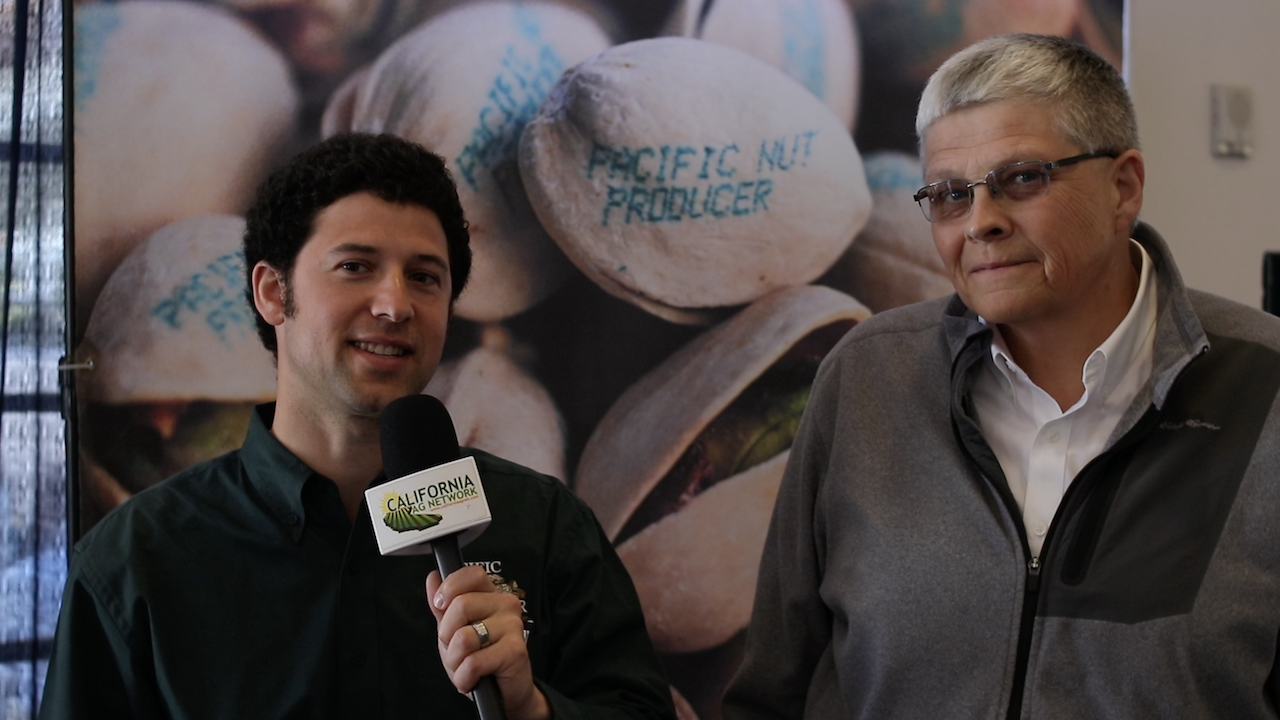
    Due to increasing labor costs and shortages in recent years, many painstaking tasks on the farm are now being mechanized, and Pacific Northwest hazelnut growers are beginning to see mechanical pruning as a more reliable and economical alternative to traditional hand-pruning. But when is an appropriate time to begin this practice for those who have just recently planted new orchards? Watch this brief interview with Kevin Coleman from KCK Farms as he shares his experience adopting the practice.  Read more about orchard mechanization in Pacific Nut Producer Magazine. If you’re not currently receiving the print publication, subscribe for free at: https://malcolmmedia.com/subscribe/
    Please thank this video’s sponsor George Packing Company for their industry support.
  • EU Proposes New MRL Regulation on Imported Pistachios

    EU Proposes New MRL Regulation on Imported Pistachios

    It appears that aflatoxin will not be the only naturally occurring mold sabotaging pistachio shipments destined for the European Union.  The EU is proposing a new MRL regulation on Ochratoxin A in pistachio imports to go into effect January 1, 2023. But what is Ochratoxin A and what should the pistachio industry know about this? Watch this brief interview with Thomas Jones from the Safe Food Alliance as he explains.  Read more about it in Pacific Nut Producer Magazine.
    Please thank this video’s sponsor Trece for their industry support.
  • Navel Orangeworm Sterile Insect Technique Moving Forward

    Navel Orangeworm Sterile Insect Technique Moving Forward

    Many tree nut growers are aware of the pistachio industry’s investment and government support of sterile insect technique as another tool to suppress navel orangeworm populations in the orchard, but recognize that the research takes time and money. So how far have we come and does the technique still have promise for combatting the tree nut industry’s number one insect pest? Watch this brief video to find out, featuring Ted Sheely, a cotton and pistachio grower who has been following this program long before it was used for navel orangeworm. Read more in Pacific Nut Producer Magazine.
    Please thank this video’s sponsor Trece for their industry support.
  • Almond Nitrogen Fertilizer Recommendations Following Whole Orchard Recycling

    Almond Nitrogen Fertilizer Recommendations Following Whole Orchard Recycling

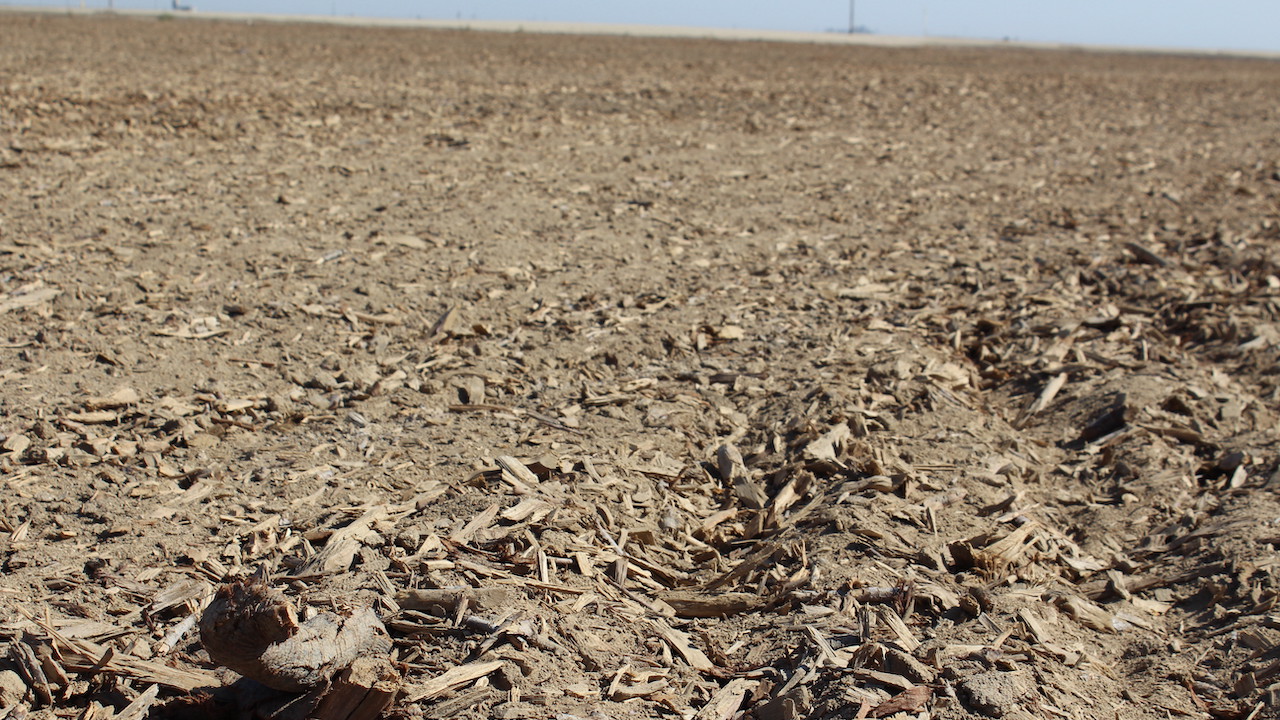
    Whole orchard recycling has been a great alternative to the traditional burning of aging almond orchards; however, incorporating the carbon rich wood chips back into the soil presents concerns for nitrogen availability upon replanting.  Watch this brief interview with UCCE Farm Advisor Brent Holtz as he shares his nitrogen application recommendations for replanting almonds following orchard recycling based on recent studies, and be sure to read his monthly Almond Tasks column in Pacific Nut Producer Magazine.
    Please thank this video’s sponsor Trece for their industry support.
  • Growers Limited to Insecticides for Control of Walnut Husk Fly

    Growers Limited to Insecticides for Control of Walnut Husk Fly

    As growers prepare to begin monitoring their orchards for walnut husk fly emergence in June, watch this brief interview with Jhalendra Rijal from the Tree & Vine Expo, as he shares more about the nature of this pest and the limited tools growers have to control it.  Read more in-depth information about walnut husk fly control in the May issue of Pacific Nut Producer Magazine.
    Please thank this video’s sponsor Trece for their industry support.
  • National And State Ag Groups Call For Meeting On Export Trade Imbalance

    National And State Ag Groups Call For Meeting On Export Trade Imbalance

    Today, a collaborative of major agriculture associations released the attached letter sent to the United States Secretary of Agriculture, the United States Secretary of Transportation, and the National Economic Council.

    The letter calls for an immediate federal effort to convene a meeting of ocean carrier companies and agricultural exporters to address the tremendous export trade imbalance which is crippling American agriculture and damaging the American economy.

    Signers of the letter include leadership of the California Farm Bureau; Western Growers Association; National Milk Producers Federation; U.S. Dairy Export Council; Western United Dairies; the Almond Alliance of California, and the California Walnut Handlers Alliance.

    In addition to being sent to national leaders in government, the letter was sent to Governor Gavin Newsom’s office, all members of the California Congressional delegation, and the California Secretaries of Transportation and Agriculture.

    The request comes after a series of local, state, and national news stories, including articles in the New York Times, NPR, and the San Francisco Chronicle, detailed the impact that the export trade imbalance is having on agriculture products waiting to be exported to customers overseas. The letter also includes shocking statistics detailing how severe the problem is.

    “American almonds, dairy products, fresh produce, and other agricultural communities have been unable to reliably ship sold product to buyers worldwide and can no longer bear the burden of the persistent ocean shipping obstacles.  This has included empty container and equipment shortages, broken export contracts and canceled bookings, and inadequate receiving windows by shipping carriers that have gone unaddressed for over a year…These export shipping challenges have been damaging to our community, our industry, and our nation’s position in the global economy, depressing our foreign market opportunities.”
    View the letter HERE.