Category: Industry News

  • Invasive Stink Bug Habitat Could Expand with Climate Change

    Invasive Stink Bug Habitat Could Expand with Climate Change

    A foul-smelling, voracious, wide-spread pest of fresh fruits and tree nuts could become even more ubiquitous with climate change.

    A recent modelling study found that changing weather could increase suitable habitat for the brown marmorated stink bug in the United States by 70%. The study, published in Pest Management Science, draws on data from a three-year stink bug monitoring effort in 17 states as well as several potential climate scenarios. However, whether the insects will thrive in new places depends on the conditions of each area and potential mitigation measures.

    “Every system will change with climate change, so the fact that you can grow garbanzo beans, lentils or wheat without these pests now, doesn’t mean that you will not have them in a few years,” said study lead author Javier Gutierrez Illan, a Washington State University entomologist. “There are mitigating things that we can do, but it is wise to prepare for change.”

    The study found that overall, there is likely to be a northward shift in stink bug-friendly conditions. Regions that may be particularly affected include the Mid-Atlantic, areas surrounding the Great Lakes, and the valleys of the West Coast, such as the Sacramento Valley in California and the Treasure Valley in Idaho.

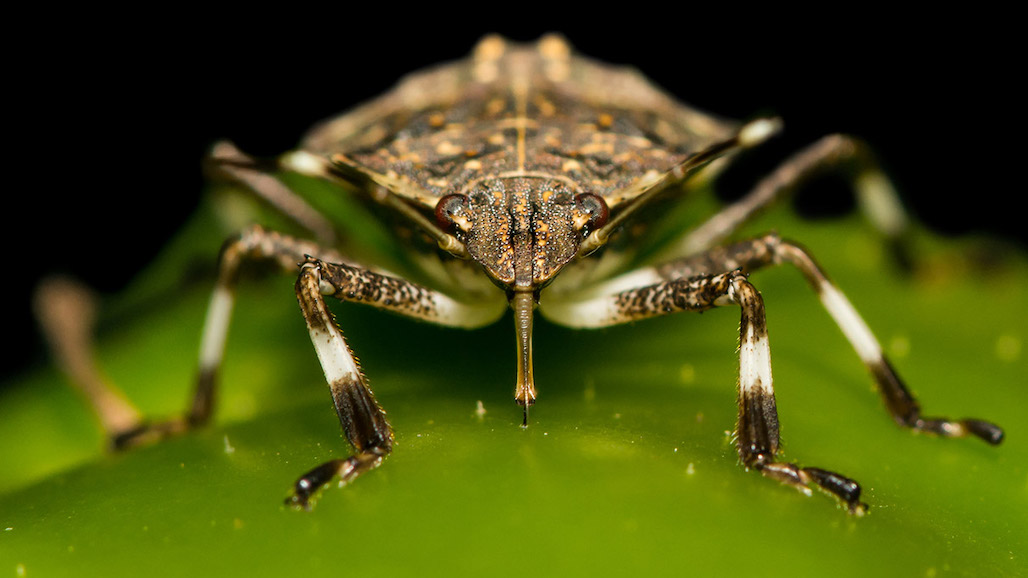
    The brown marmorated stink bug is a generalist herbivore — it is known to feast on nearly 170 different plants including crops and ornamental plants. Originating in Asia, this type of stink bug first appeared in the U.S. about 20 years ago and has since spread coast to coast. It’s been detected in 46 states and considered a pest in 15 of them.

    Brown marmorated stink bug on a blackberry plant. Photo by Gheorhge on iStock

    Homeowners may recognize brown marmorated stink bugs because they like to overwinter indoors. In fact, the study found that proximity to populated areas appeared to help the insects get established in new places, but once there, they did not need to be near people to proliferate. Other factors like availability of water mattered more for their abundance.

    People are likely inadvertently transporting stink bugs in vehicles or farm equipment to areas that would otherwise be hard for them to reach by flying alone, said Gutierrez Illan.

    Stink bugs dislike cold winters, but the rising temperatures brought by climate change are not necessarily a good thing if the land becomes too dry. They need water, so the researchers said that changing patterns of precipitation will likely influence where the stink bugs will thrive.

    In some states including Washington, officials and researchers are employing a parasitoid insect, called the samurai wasp, to control stink bugs. The wasps lay their own eggs inside stink bug eggs. This not only destroys the affected eggs, but when the wasp larvae hatch, they eat other developing stink bugs. Measures like these might help prevent or minimize stink bug spread into new areas, Gutierrez Illan said.

    For Washington growers, the researcher recommended using WSU’s DAS, or Decision Aid System, a web-based tool which provides information to help prepare for changes to their agricultural systems, including the possible appearance of these pests.

    Gutierrez Illan also advised growers to familiarize themselves with the brown marmorated stink bug through sites like stopbsmb.org, even if they have never had the pest in their fields.

    “Most growers learn from their parents or from the previous generation, but the information that they had is probably no longer as useful because the climate is changing, so they need these types of tools,” Gutierrez Illan said.  — 
  • Fumigation Considerations Before Replanting an Orchard

    Fumigation Considerations Before Replanting an Orchard

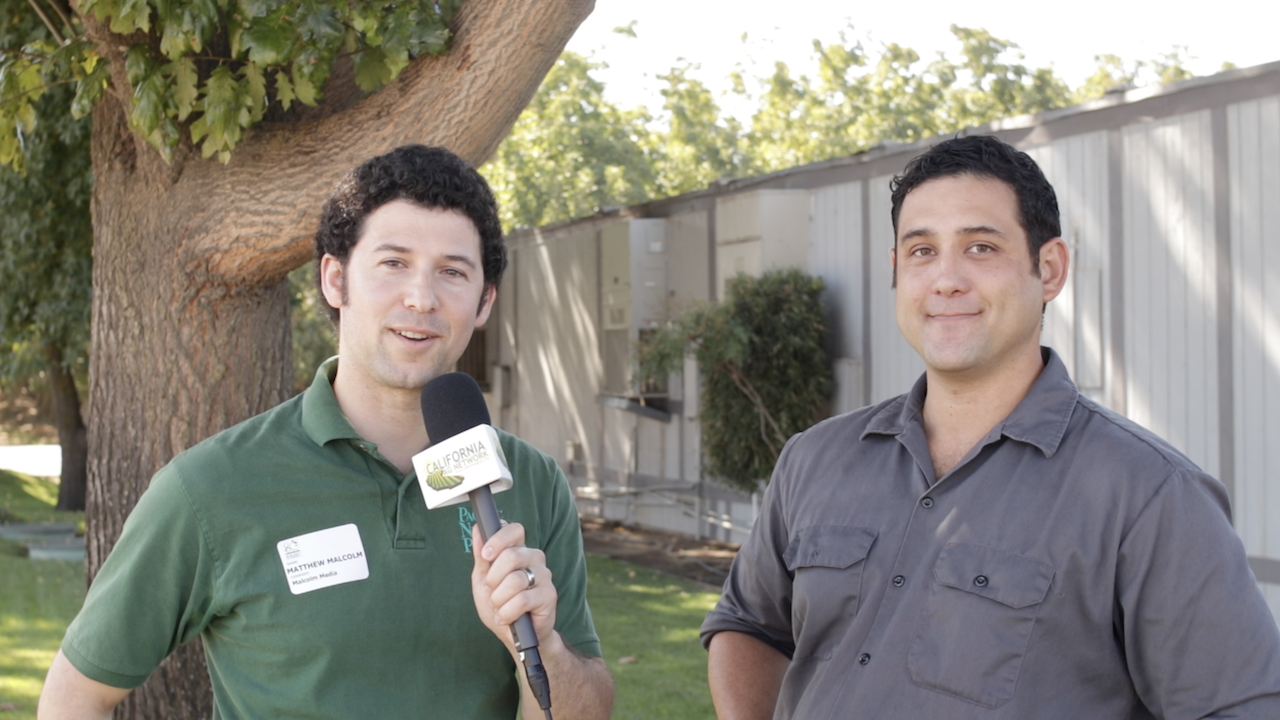
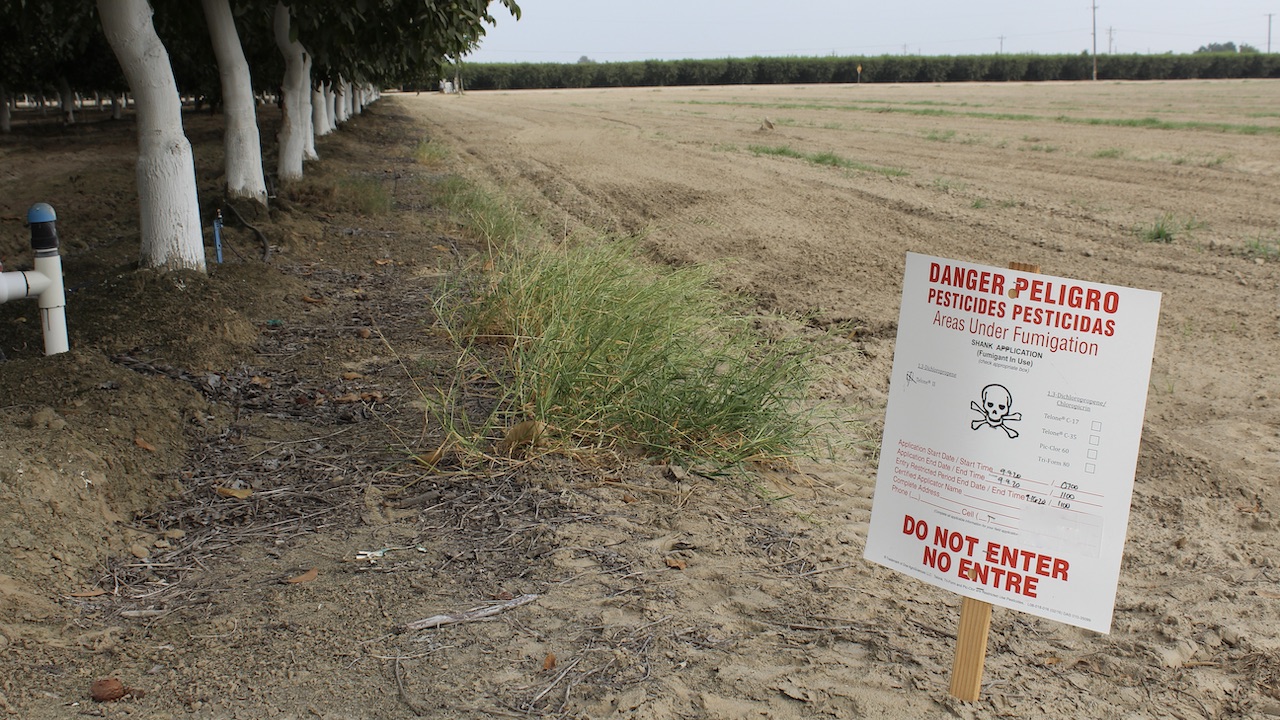
    It’s that time of the year when orchards are being pulled and growers begin preparing their soil for future plans.  For growers looking to replant their orchards, watch this brief interview with UC Riverside Nematologist Andreas Westphal as he shares some considerations to take for fumigation when it comes to nematode pressure.

    Please thank this video’s sponsor Suterra for their industry support.

  • Sucker Control Options for Hazelnut Growers

    Sucker Control Options for Hazelnut Growers

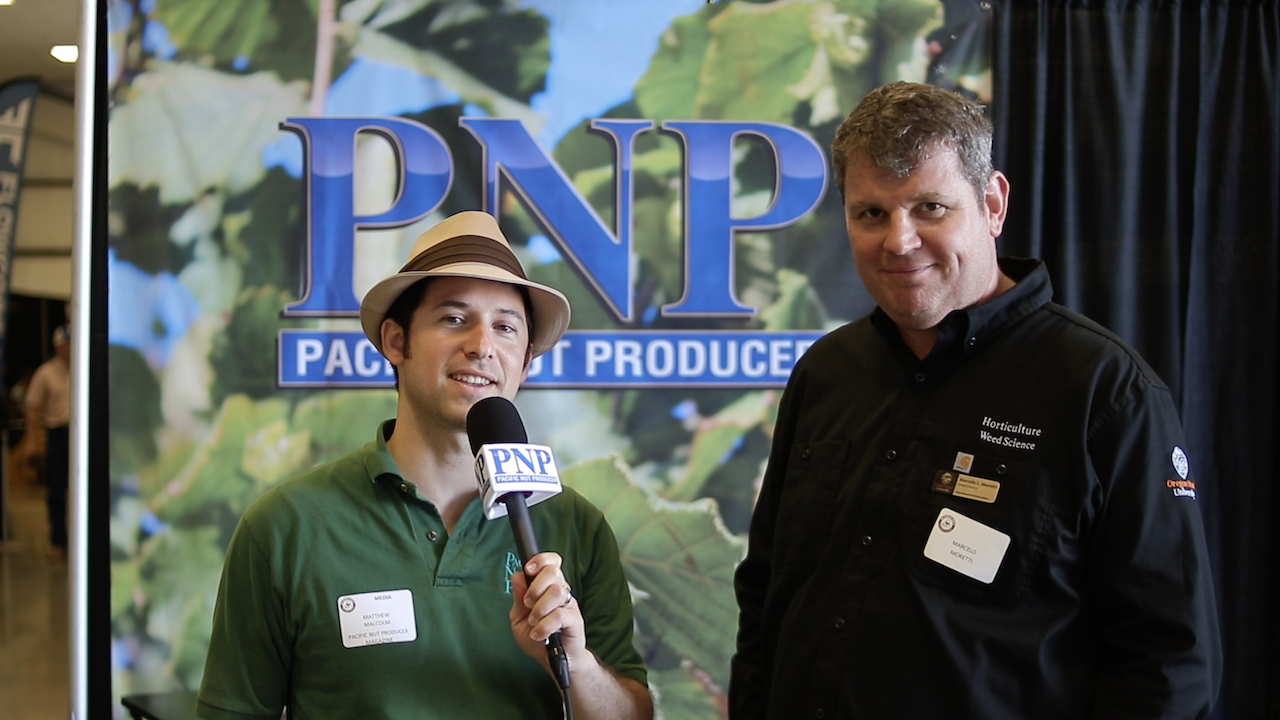
    Probably more than any other tree nut crop, hazelnuts love to produce suckers, especially in their early years of development.  Too many suckers can divert a young tree’s energy and slow down the overall growth and productivity of the tree.  Watch this brief interview with Marcelo Moretti from Oregon State University as he shares what growers can do to mitigate this.  Read more about it in Pacific Nut Producer Magazine. Don’t currently receive this monthly publication? Subscribe for free at: https://malcolmmedia.com/subscribe/

    Please thank this video’s sponsor Suterra for their industry support.

  • New UCCE Advisor to Serve Tree Fruit & Nut Growers in Merced and Madera

    New UCCE Advisor to Serve Tree Fruit & Nut Growers in Merced and Madera

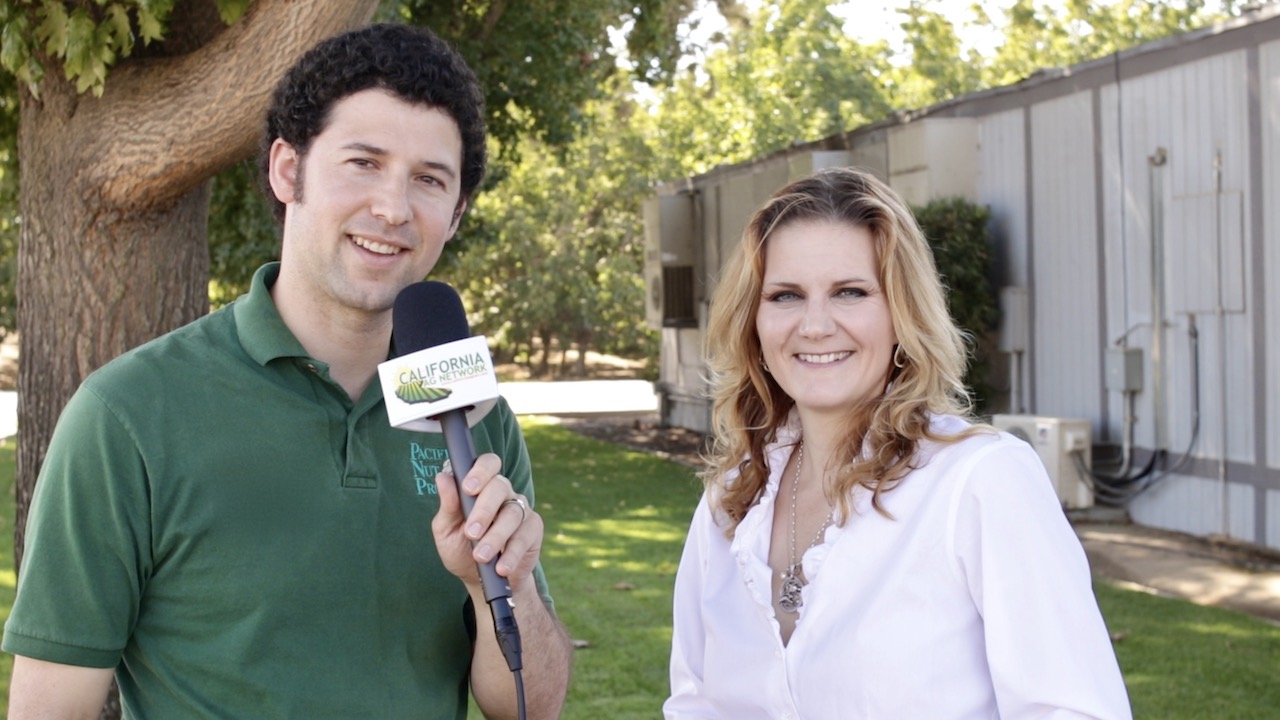
    The UC Cooperative Extension is pleased to introduce one of their newest Orchard Crops Advisors, Cameron Zuber, who will be serving tree fruit and nut growers in Merced and Madera Counties. Watch this video interview to get to know Cameron, his history with California agriculture, and what his research and extension focuses are.  Cameron can be reached at (209) 385-7403 or cazuber@ucanr.edu.

    Please thank this video’s sponsor Suterra for their industry support.

  • CA Almond Export Situation Improves, Almond Alliance Update

    CA Almond Export Situation Improves, Almond Alliance Update

    As almond growers were preparing for harvest this year, there were major concerns as to whether their crop would have a home overseas, due to port and logistical issues (both locally and worldwide).  The Almond Alliance of California quickly worked to bring authorities together to address this issue and do whatever it takes to get product onboard ships destined to our almond export countries.  Watch this video with Almond Alliance President Aubrey Bettencourt, as she shares how conditions have improved with more work to be done. She will be presenting more information on this at the Tree & Vine Expo on November 8 in Stanislaus and at the Grape, Nut & Tree Fruit Expo on November 11 in Fresno, so be sure to register FREE at https://agexpo.biz/ to attend.

    Please thank this video’s sponsor Suterra for their industry support.

  • Pacific Nut Producer November Issue

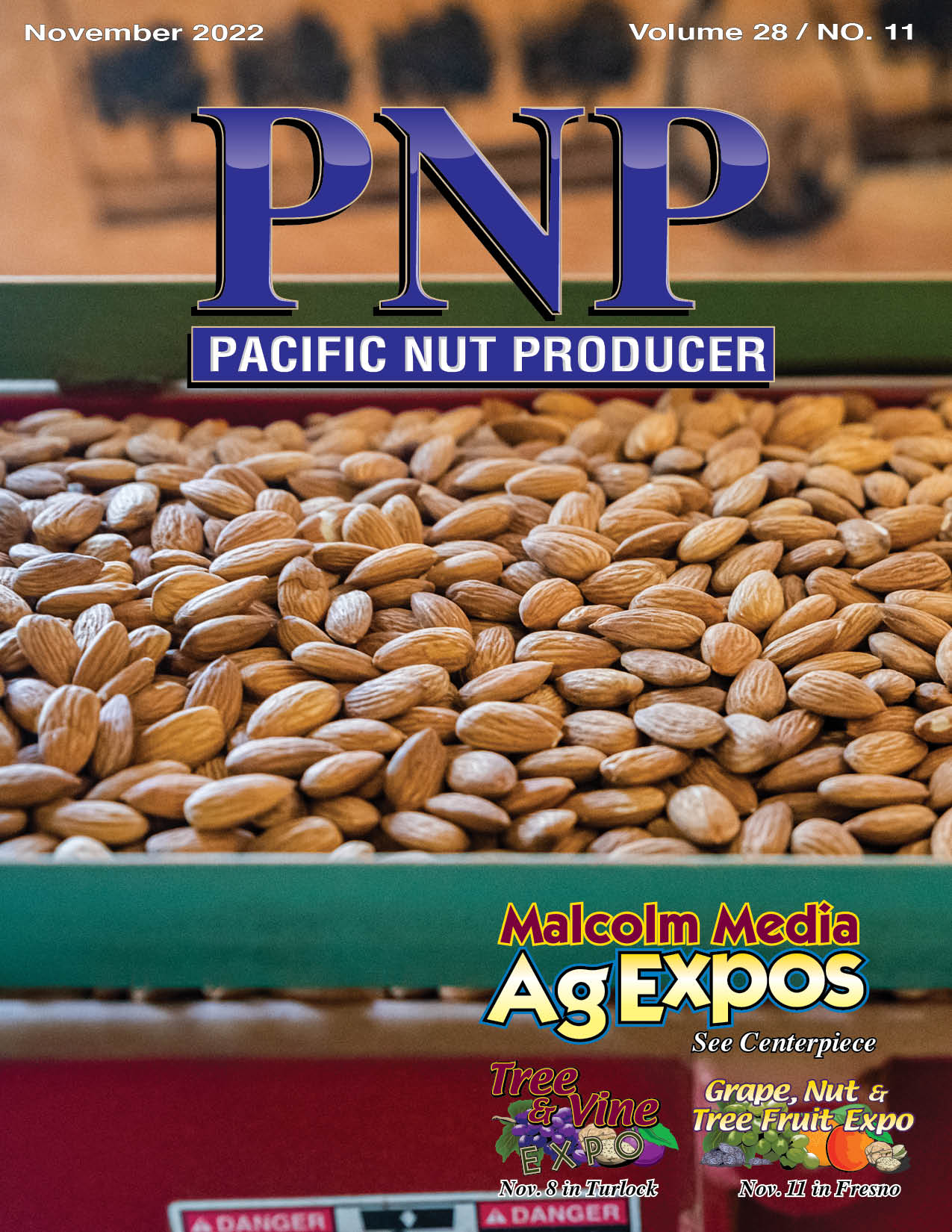
    Pacific Nut Producer November Issue

    PNP1122
    Pacific Nut Producer November Issue

    [btn btnlink=”https://malcolmmedia.com/order-a-back-issue/back-issue-pacific-nut-producer-magazine/” btnsize=”full” txtcolor=”#ffffff” color=”#FFF” bgcolor=”#492500″ btnnewt=”1″ nofollow=”1″]Order A Back Issue[/btn]

    [btn btnlink=”http://malcolmmedia.com/pacific-nut-producer-magazine-subscriptions/” btnsize=”full” txtcolor=”#ffffff” bgcolor=”#492500″ btnnewt=”1″ nofollow=”1″]Subscribe Free[/btn]
    [three_fifth_last]

    Contents of the November Issue:

    Almond Industry Growth Stunted by Trade Issues
    How We Got Here & What to Expect in the Near Future

    The Irrigation Corner
    Cost-Saving Tips for Drip/Micro Irrigation Systems

    Study Reveals Pistachios are an Antioxidant Powerhouse
    Pistachios Rival Other Antioxidant-Containing Foods

    November Orchard Tasks
    Almonds, Hazelnuts, Pecans, Pistachios, Walnuts

    [/three_fifth_last]

  • CA Walnut Board Federal Marketing Order Amendatory Referendum Takes Next Steps

    CA Walnut Board Federal Marketing Order Amendatory Referendum Takes Next Steps

    In August 2021, the California walnut industry initiated a process to modernize the (California Walnut Board) Federal Marketing Order rules governing grades, standards, inspections, and certifications.

    In April 2022, USDA conducted an open hearing in order to collect input from the CWB, growers, handlers, and public at large. Since the hearing, USDA conducted a thorough evaluation of the requested amendments and published the proposed rule on October 25, 2022, in the Federal Register.

    A 30-day comment period is provided to allow interested persons to respond to this proposal. All written exceptions received within the comment period will be considered, and a producer referendum will be conducted before any of these proposals are implemented.

    Summary from the Federal Register:

    This recommended decision proposes amendments to Marketing Order No. 984 (Order), which regulates the handling of walnuts grown in California. The proposed amendments are based on the record of a public hearing held via videoconference technology on April 19 and 20, 2022. The California Walnut Board (Board), which locally administers the Order, recommended proposed amendments that would eliminate mandatory inspection and certification of inshell and shelled walnuts, and of shelled walnuts for processing; create a new mechanism for determining and collecting handler assessments; add authority to charge interest for late payments; establish an assessment rate of $0.0125 per inshell pound of walnuts; expand the definition of “to handle” to include “receive”; and remove volume control authority. In addition, the Agricultural Marketing Service (AMS) proposed to make any such changes to the Order as may be necessary to conform to any amendment that may result from the hearing.

    About the California Walnut Board

    The California Walnut Board (CWB) was established in 1948 to represent the walnut growers and handlers of California.The CWB is funded by mandatory assessments of the handlers. The CWB is governed by a Federal Walnut Marketing Order. The CWB promotes usage of walnuts in the United States through publicity and educational programs. The CWB also provides funding for walnut production, food safety and post-harvest research.

  • Almond Alliance Welcomes Sara Arsenault, New Vice President

    Almond Alliance Welcomes Sara Arsenault, New Vice President

    The Almond Alliance is pleased to announce and welcome Sara Arsenault as its new Vice President. In her new position, Arsenault will oversee state and federal advocacy, including the upcoming Farm Bill, promoting the Almond industry and community’s policy priorities to keep our farmers farming, promote food and consumer safety and international trade, as well as assist in political action, membership services, and association development.

    “We’re excited to welcome Sara aboard,” said Aubrey Bettencourt, President and CEO of the Almond Alliance. “Her California roots and nationwide experience are a perfect fit for the Almond community, and her focused, enthusiastic, and committed approach is a perfect fit for the Alliance. Sara will be an excellent addition to the team as the Alliance continues to expand and lead as the voice for almonds in Sacramento, Washington D.C., and beyond.”

    Before joining the Almond Alliance, Arsenault led the federal policy division for the California Farm Bureau (CAFB), where she managed the federal policy team and developed the organization’s federal legislative and regulatory strategies.

    Before her time at CAFB, Sara spent nearly five years in Washington, D.C., most recently working for the National Association of State Departments of Agriculture (NASDA), where she represented the Commissioners, Directors, and Secretaries of Agriculture from all 50 states and four U.S. territories at the federal level. Previously, she spent time working on Capitol Hill and in the private sector, where she led client implementations for a property management software company, Yardi, Inc., on their e-commerce platform.

    Sara is a native of Northern California and began her academic career at Modesto Junior College. She went on to obtain her Bachelor of Science degree in animal science and meat science and technology at Texas A&M University.

    About the Almond Alliance

    Almond Alliance is the leading authority in state and national policy, championing American almond farmers, industry, and community for the continued global growth, innovation, and success of American almonds and agriculture. As the voice of almonds, the Alliance represents the fourth-largest commodity in the United States and the third-largest American export.

    Established in 1980, the Almond Alliance is a non-profit trade association with a local and international network of almond processors, hullers/shellers, growers, and allied businesses. The Alliance is dedicated to providing resources and solutions for our members, ensuring industry success and growth opportunities.  Learn more at almondalliance.org.

  • Almond Alliance Names New Director Of Membership And Events

    The Almond Alliance has named Annie Romero the Director of Membership and Events. She will be responsible for developing strategy and overseeing the implementation of all member programming and services. Romero will also oversee the planning and production of the Almond Alliance’s Annual Convention, as well as various membership events throughout the year.

    “Annie Romero’s combination of knowledge, experience, and sincere appreciation and respect for the Almond industry and community is absolutely remarkable and essential for this new role,” said Aubrey Bettencourt, Almond Alliance President and CEO. “Most recently, Annie coordinated the successful 2022 Shakin’ It Up Almond Alliance Convention and redesigned and rebranded the Alliance’s multifaceted membership program to better represent and allow access to the almond community and allies. We are very excited to have Annie take on this new role and opportunity for the organization as she works to ensure the Alliance keeps its promises to its members every day.”

    Romero joined the Almond Alliance in 2016 and previously oversaw marketing and communications. She has a baccalaureate degree in social science from California State University, Stanislaus.

    Romero was raised in Turlock, CA, where she resides today with her husband and daughter.

    About the Almond Alliance

    Almond Alliance is the leading authority in state and national policy, championing American almond farmers, industry, and community for the continued global growth, innovation, and success of American almonds and agriculture. As the voice of almonds, the Alliance represents the fourth-largest commodity in the United States and the third-largest American export. Established in 1980, the Almond Alliance is a non-profit trade association with a local and international network of almond processors, hullers/shellers, growers, and allied businesses. The Alliance is dedicated to providing resources and solutions for our members, ensuring industry success and growth opportunities. Learn more at almondalliance.org

  • USDA’s Cost of Pollination Survey Going Out to California Growers

    USDA’s Cost of Pollination Survey Going Out to California Growers

    On Nov. 1, USDA’s National Agricultural Statistics Service (NASS) will mail the 2022 Cost of Pollination Survey to over 2,700 CA crop producers. The survey will be sent to nearly 16,000 producers nationwide.

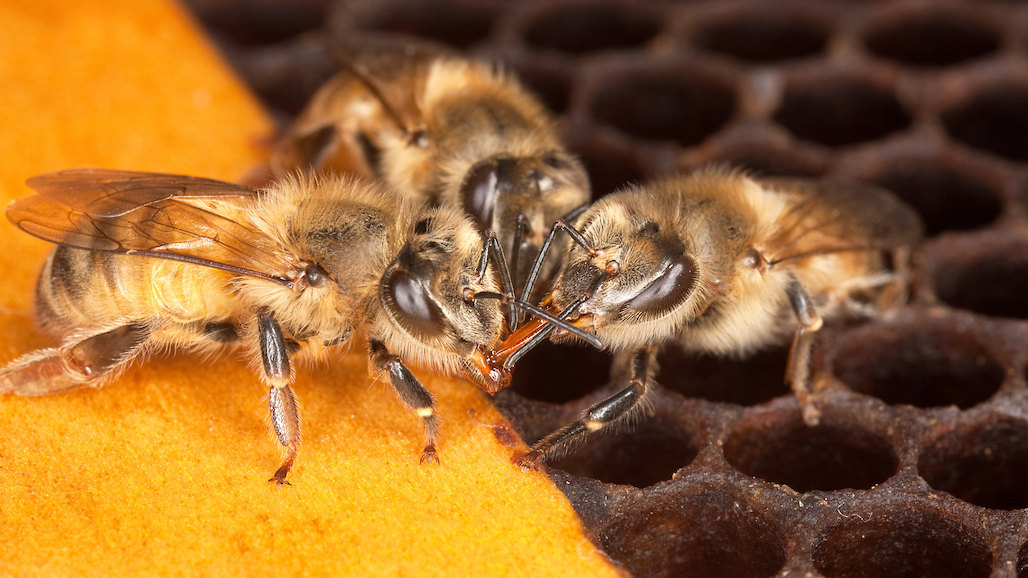
    “Honey bees are important pollinators of crops ranging from almonds to zucchinis,” said Gary R. Keough, director of the NASS Pacific Regional Office. “To help accurately depict the health of the pollination industry in the United States, NASS will ask crop producers about their use of honey bees, the fees they paid for honey bee pollination, and any other expenses related to pollinating their crops.”

    Survey recipients are asked to respond securely online at agcounts.usda.gov through the Respondent Portal, by mail, or fax. Those who do not respond by Nov. 14 may be contacted by a NASS representative to arrange an interview to complete the survey.

    All information reported by producers will be kept confidential, as required by federal law. NASS will publish the survey data Jan. 11, 2023, on the NASS website at nass.usda.gov and in the NASS Quick Stats searchable database at www.quickstats.nass.usda.gov.

    For more information about the Cost of Pollination Survey and NASS’s bee and honey program, visit www.nass.usda.gov/Surveys/Guide_to_NASS_Surveys/Bee_and_Honey/. NASS’s other honey bee reports include the Honey report published every March and the Honey Bee Colonies report published every August.

    These and all NASS reports are available at www.nass.usda.gov/Publications/. For more information, call the NASS Pacific Regional Field Office at 1-800-851-1127.