Blue Diamond Growers is kicking off the spring season with a fresh new product line that is hitting the snack nuts aisle in May: Thin Dipped Almonds. These delicious, better-for-you option of chocolate-dipped almonds will be available at Walmart in convenient, four-ounce bags.
“We are so excited to present our customers with yet another incredible innovation within Blue Diamond’s iconic snack almond portfolio,” said Raj Joshi, Sr. Vice President of Global Consumer Division, Blue Diamond Growers. “Whether you’re a health nut or not, Thin Dipped Almonds offer a smart choice when it comes to sweet snacking. The thin layer of chocolate enhances the almond’s natural crunch while allowing snackers to enjoy a delicious, sweet treat – without the guilt!”
Thin Dipped Almonds come in two irresistible flavors: Double Dark Chocolate and Dark Chocolate Sea Salt Caramel. Both products contain 50% less sugar than the average chocolate-covered almonds. One serving (about 19 almonds) has 170 calories and five grams of protein. Thin Dipped Almonds are free of cholesterol, high in Vitamin E, contain no artificial colors or flavors, and do not have a shiny wax or gloss finish.
Blue Diamond is a world-class leader in consumer trend analysis and flavor forecasting that leads to new products like Thin Dipped Almonds and many other unique flavors within the Blue Diamond Growers snack almond line up. Check out all the Blue Diamond snack almond flavors on the website at www.bluediamond.com.
About Blue Diamond
Blue Diamond Growers, a grower-owned cooperative representing approximately 3,000 of California’s almond growers, is the world’s leading almond marketer and processor. Established in 1910, it created the California almond industry and opened world markets for almonds. Blue Diamond is dedicated to delivering the benefits of almonds around the world and does so by providing high-quality almonds, almond ingredients, and branded products. Headquartered in Sacramento, the company employs more than 1,800 people throughout its processing plants, receiving stations and gift shops. To learn more about Blue Diamond Growers, visit www.bluediamond.com and follow the company on Facebook, Instagram, LinkedIn and Twitter.
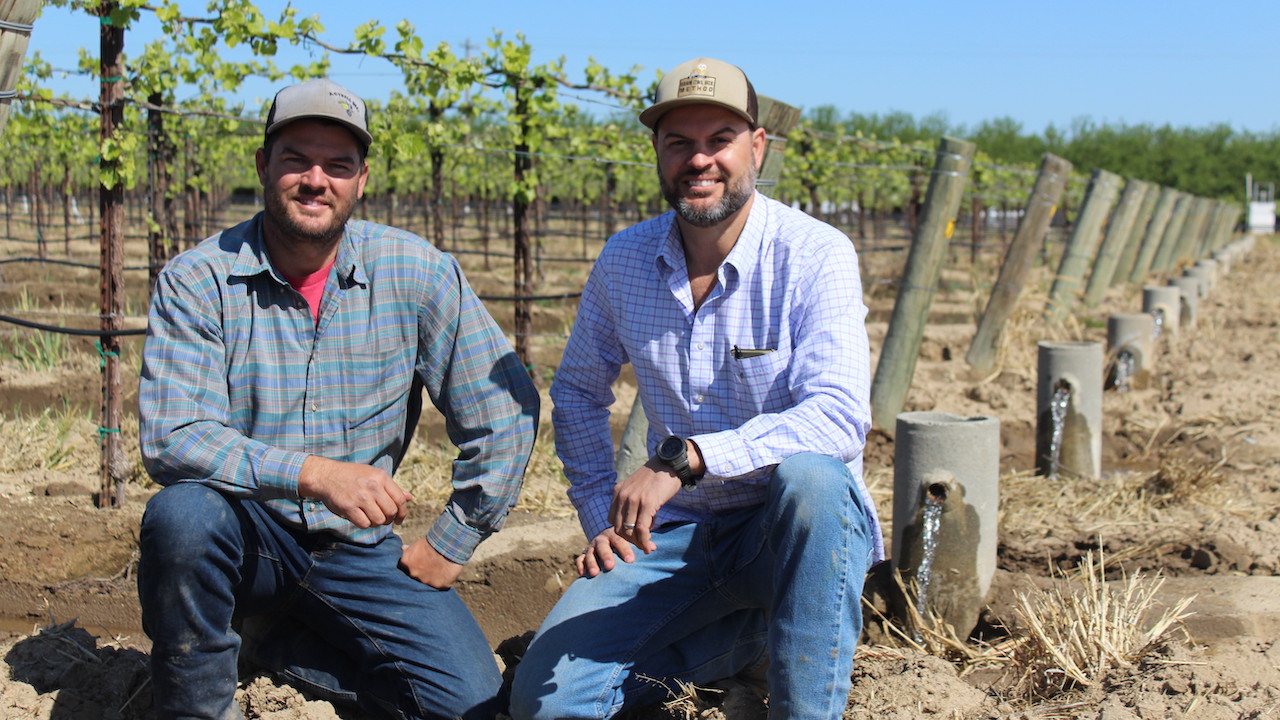
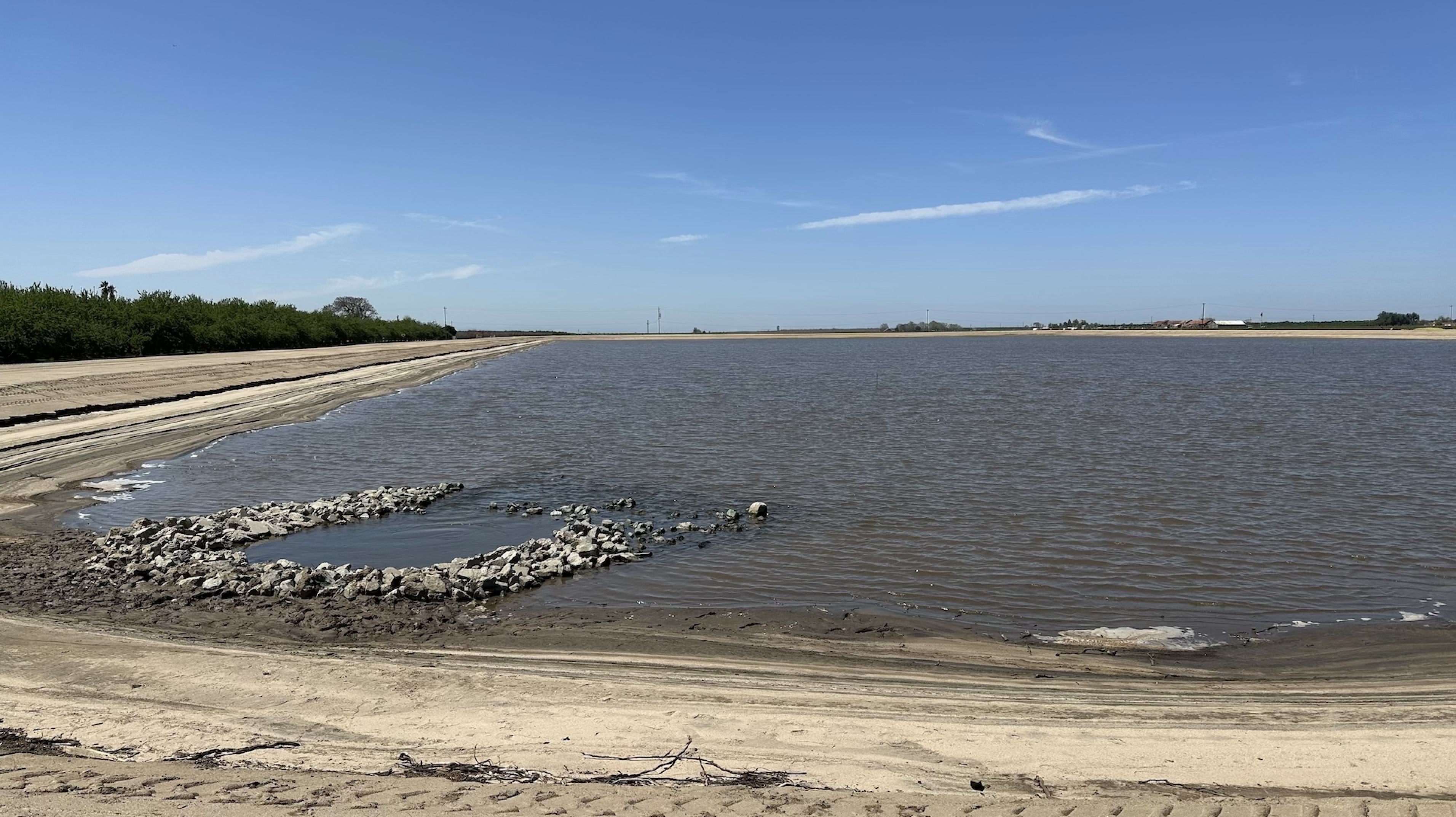
While growers still have many questions and concerns as to how flooding their vineyards and orchards for groundwater recharge purposes may impact their day-to-day farming operations and eventual crop yields, Madera almond & wine grape grower Nick Davis is more concerned with making the most of the recent rainfall and snowmelt to recharge their much needed soil profiles following extended drought conditions.
Please thank this video’s sponsor Ranch Systems for their industry support.
While farmers are accustomed to paying for the water they use, growers in Madera Irrigation District have recently been getting their water for free for groundwater recharge purposes. While the snow melts and water is aplenty, growers are working quickly to set their farms up to be able to spread some of this water across their fields, in a ditch, or a basin to replenish their groundwater supply. This not only serves to benefit the farmer, but the entire community as well. Watch this video with Thomas Greci, General Manager of the Madera Irrigation District as he explains.
Please thank this video’s sponsor Ranch Systems for their industry support.
The U.S. Department of Agriculture (USDA) today announced plans to purchase Almonds for distribution to various food nutrition assistance programs. Purchases will be made under the authority of Section 32 of the Act of August 24, 1935, with the purpose to encourage the continued domestic consumption of these products by diverting them from the normal channels of trade and commerce.
A Solicitation will be issued in the near future and will be available electronically through the Web-Based Supply Chain Management (WBSCM) system. A hard copy of the solicitation will not be available. Public WBSCM information is available without an account on the WBSCM Public Procurement Page. All future information regarding this acquisition, including solicitation amendments and award notices, will be published through WBSCM, and on the Agricultural Marketing Service’s website at www.ams.usda.gov/selling-food. Interested parties shall be responsible for ensuring that they have the most up-to-date information about this acquisition. The contract type is anticipated to be firm-fixed price. Deliveries are expected to be to various locations in the United States on an FOB destination basis.
Pursuant to Agricultural Acquisition Regulation 470.103(b), commodities and the products of agricultural commodities acquired under this contract must be a product of the United States and, shall be considered to be such a product if it is grown, processed, and otherwise prepared for sale or distribution exclusively in the United States. Packaging and container components under this acquisition will be the only portion subject to the World Trade Organization Government Procurement Agreement and Free Trade Agreements, as addressed by FAR clause 52.225-5.
Offerors are urged to review all documents as they pertain to this program, including the latest—
To be eligible to submit offers, potential contractors must meet the AMS vendor qualification requirements. The AMS point of contact for new vendors can be reached by phone at (202) 720-4237 or by email to NewVendor@usda.gov. Details of these requirements are available online at: https://www.ams.usda.gov/selling-food/becoming-approved. Once qualification requirements have been met, access to WBSCM will be provided. Bids, modifications, withdrawals of bids, and price adjustments shall be submitted using this system. Submission of the above by any means other than WBSCM will be determined nonresponsive.
Inquiries may be directed to the Contracting Specialist, Samantha Klagenberg via email at samantha.klagenberg@usda.gov
To participate in this opportunity and for more information about becoming a registered vendor with USDA, visit THIS GUIDE from Almond Board of California.
“We’d like to thank USDA for accepting the Almond Alliance’s request for this program, and for the departments continued support and partnership in solutions our almond farmers, industry, and communities.” — Almond Alliance of California
The Honey Bee Health Coalition released Spanish-language editions of the Tools for Varroa Management Guide and the Guide to Varroa Mite Controls for Commercial Beekeeping Operations. The guides have helped beekeepers deploy effective varroa control that reduce colony losses and avoid potential spread of infectious disease among honey bee colonies.
The Honey Bee Health Coalition released the 8th Edition of the Tools for Varroa Management Guide last year. The guide provides information on the latest testing and treatment options for beekeepers in the USA and Canada to keep bees healthy and manage varroa mites. An expert team of beekeepers, entomologists, Extension agents, apiary inspectors and federal regulators spent more than six months editing the document to bring it up-to-date with changes in best practices and treatment options. The guide details new information on varroa control products including products that have been approved for use since the 7th edition was released in 2018.
The Guide to Varroa Mite Controls for Commercial Beekeeping Operations lays out a vision that addresses the risks of resistance created by off-label chemical treatments of varroa. Widespread mite resistance to amitraz poses a serious threat to the long-term business of every commercial beekeeping business and threatens food security. Continuous use of off-label amitraz, with increasing dosages and frequency of use as it becomes less effective, is very likely to cause amitraz to lose its effectiveness more quickly; a trend beekeepers are already seeing. The guide aims to help commercial beekeepers evaluate a variety of Varroa control methods that can be integrated into a management plan to protect their bees and their business. It includes 6 case studies of commercial beekeepers who stick to the label are run successful operations.
The Honey Bee Health Coalition brings together beekeepers, growers, researchers, government agencies, agribusinesses, conservation groups, manufacturers, brands and other key partners to improve the health of honey bees and other pollinators. Its mission is to collaboratively implement solutions that help achieve a healthy population of honey bees while also supporting populations of native and managed pollinators in the context of productive agricultural systems and thriving ecosystems. The Coalition focuses on accelerating the collective impact of efforts in four key areas: forage and nutrition; hive management; crop pest management; and communications, outreach and education.
The Honey Bee Health Coalition is a project of the Keystone Policy Center, a nationally recognized nonprofit that brings together diverse stakeholders to find collaborative, actionable solutions to public policy challenges.
La Honey Bee Health Coalition publica ediciones en español de dos guías sobre el control de la Varroa
Keystone, Colo.— Honey Bee Health Coalition ha publicado ediciones en español de la Guía de Herramientas para el Manejo de la Varroa y de la Guía de Control del Ácaro Varroa para Operaciones Apícolas Comerciales. Las guías han ayudado a los apicultores a desplegar un control eficaz de la varroa que reduce las pérdidas de colmenas y evita la posible propagación de enfermedades infecciosas entre las colmenas de abejas melíferas.
Honey Bee Health Coalition publicó el año pasado la 8ª edición de la Guía de herramientas para la gestión de la varroasis. La guía ofrece información sobre las últimas pruebas y opciones de tratamiento para que los apicultores de EE.UU. y Canadá mantengan sanas a las abejas y controlen los ácaros de la varroa. Un equipo de expertos formado por apicultores, entomólogos, agentes de extensión, inspectores de colmenas y reguladores federales dedicaron más de seis meses a editar el documento para actualizarlo con los cambios en buenas prácticas y opciones de tratamiento. La guía detalla nueva información sobre los productos de control de varroa, incluidos los productos que han sido aprobados para su uso desde que se publicó la 7ª edición en 2018.
La Guía para el control del ácaro Varroa en la Apicultura Comercial expone una visión que aborda los riesgos de la resistencia creada por los tratamientos químicos de la Varroa no indicados en la etiqueta. La resistencia generalizada de los ácaros al amitraz supone una grave amenaza para el negocio a largo plazo de todas las empresas apícolas comerciales y amenaza la seguridad alimentaria. Es muy probable que el uso continuo de amitraz, con dosis y frecuencia de uso cada vez mayor haga que este pierda efectividad más rápido, una tendencia que los apicultores ya están observando. La guía pretende ayudar a los apicultores comerciales a evaluar una serie de métodos de control de Varroa que pueden integrarse en un plan de gestión para proteger a sus abejas y su negocio. Esta incluye 6 estudios de casos de apicultores comerciales que siguen las indicaciones de las etiquetas y dirigen operaciones exitosas.
La versión completa en español de las Herramientas para la Gestión de Varroa se ofrece gratuitamente en el sitio web de la Honey Bee Health Coalition en la siguiente dirección.
La versión completa en español de la Guía de Control del Ácaro Varroa en la Apicultura Comercial se ofrece también gratuitamente en el sitio web de la Honey Bee Health Coalition en la siguiente dirección.
La Honey Bee Health Coalition reúne a apicultores, cultivadores, investigadores, agencias gubernamentales, agroindustrias, grupos conservacionistas, fabricantes, marcas y otros socios clave para mejorar la salud de las abejas de la miel y otros polinizadores. Su misión es implementar soluciones colaborativas que ayuden a conseguir una población sana de abejas melíferas y, al mismo tiempo, apoyar a las poblaciones de polinizadores autóctonos y gestionados en un contexto de sistemas agrícolas productivos y ecosistemas prósperos. La Coalición se centra en acelerar el impacto colectivo de los esfuerzos en cuatro áreas clave: forraje y nutrición; gestión de colmenas; gestión de plagas de cultivos; y comunicaciones, divulgación y educación.
La Honey Bee Health Coalition es un proyecto del Keystone Policy Center, una organización sin ánimo de lucro reconocida a nivel nacional que reúne a diversas partes interesadas para encontrar soluciones de colaboración a los retos de las políticas públicas.
The 2023 California Almond Subjective Forecast published Friday by the U. S. Department of Agriculture’s National Agricultural Statistics Service (USDA-NASS) estimates that the crop harvested in 2023 will come in at 2.50 billion pounds, 3 percent below last year’s 2.57 billion pounds.
Richard Waycott, President & CEO, Almond Board of California
Forecasted yield is 1,810 pounds per acre, down 90 pounds from 2022 and the lowest since 2005. “A lower crop estimate was not unexpected considering all that growers dealt with last year and during this year’s bloom,” said Richard Waycott, president and CEO of the Almond Board of California (ABC). “The cold, wet weather kept bees in their hives and reduced the hours they could pollinate orchards. In the past three years, growers have faced high costs, shipping issues, drought and more. But the water picture is better, at least for this year, shipping continues at record levels and global demand continues to grow. California’s almond farmers are prepared to meet that global demand.”
The report said: “Record rainfall and unprecedented stormy conditions impacted pollination. Limited bee flight hours were reported in all growing regions. There were reports of downed trees due to high winds and oversaturated soil. Yields are expected to be the lowest in years, with variation observed across varieties and orchard locations. Colder than normal temperatures continued through March and April, resulting in a delayed crop.”
The Subjective Forecast is the first of two production reports from USDA-NASS for the coming crop year. It is an estimate based on opinions from a survey conducted from April 19 to May 6 of 500 randomly selected California almond growers. The sample of growers, which changes every year, is spread across regions and different sized operations, and they had the option to report their data by mail, online or phone.
On July 7, USDA-NASS will release its second production estimate, the 2023 California Almond Objective Report, which is based on actual almond counts in nearly 1,000 orchards using a more statistically rigorous methodology to determine yield.
This Subjective Forecast comes two weeks after USDA-NASS released the 2022 California Almond Acreage Report which found total almond acreage had dropped in 2022 to 1.63 million, 1.2 percent down from 1.65 million in 2021. It also estimated 1.38 million bearing acres in 2023, up from 2022’s estimate of 1.35 million bearing acres.
USDA-NASS conducts the annual Subjective Forecast, Objective Report and Acreage Report to provide the California almond industry with the data needed to make informed business decisions. These reports are the official industry crop estimates.
The California Farm Bureau’s Young Farmers and Ranchers (YF&R) program is designed to identify, grow and develop young Farm Bureau members and provide them with opportunities and experiences to help them become effective leaders in the agriculture community.
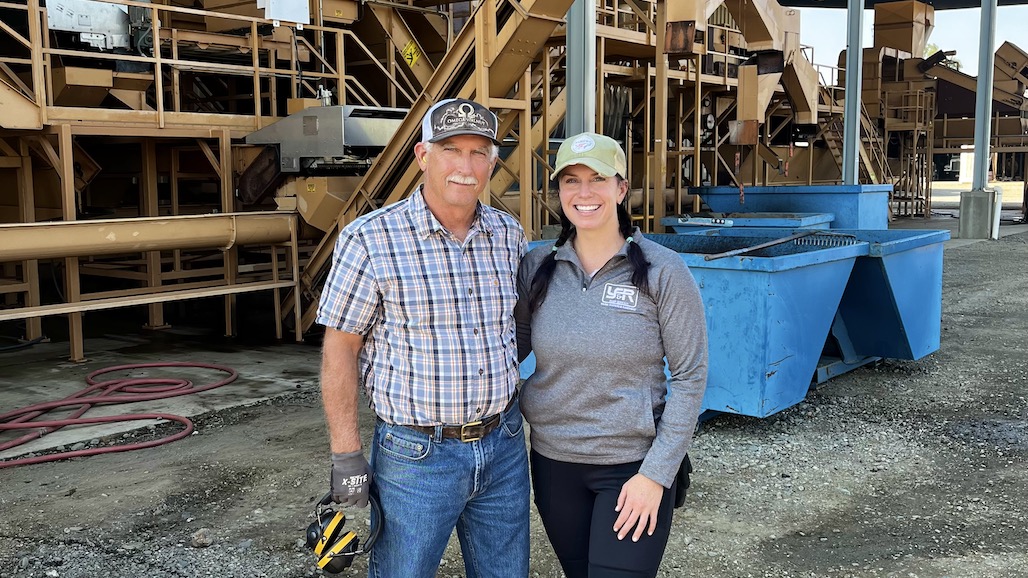
But when Jocelyn Anderson, a fourth-generation almond and walnut grower from Willows joined the state YF&R Committee in 2018, little did she realize the opportunities that would be made available to her, the latest being the United Nations Climate Change Conference, where she told delegates from around the world about ways California farmers are working to save water.
“I was able to meet people from around the world, farmers and people in policy. I didn’t know what to expect but came out excited. Attendees said we need to work with farmers, or climate policies won’t work,” she said about the meetings in Sharm El-Sheikh, Egypt, in November. “I think it opens the door for ag to continue to be at the table, make policymakers understand what we need to be successful and form better agreements together.”
Mark Littlefield, President and CEO of AgWest Farm Credit, said developing future leaders like Anderson is why California’s Farm Credit organizations have been supporting the YF&R program for nearly 15 years.
“The Young Farmers and Ranchers program has a great track record of developing future leaders in agriculture, both nationally and here in California,” Littlefield said. “Farm Credit is proud to have provided over $145,000 over the years to support YF&R’s efforts to promote farming and build stronger and sustainable rural communities.”
Other Farm Credit organizations supporting the program are American AgCredit, CoBank, Colusa-Glenn Farm Credit, Fresno Madera Farm Credit and Yosemite Farm Credit. The organizations are part of the nationwide Farm Credit System – the largest provider of credit to U.S. agriculture.
California Farm Bureau President Jamie Johansson agreed that the YF&R program helps develop farming leaders.
“The California Farm Bureau is proud to support the next generation of farmers and ranchers through the Young Farmers and Ranchers program,” Johansson said. “We see firsthand how participants in YF&R can make a difference locally, nationally and even internationally. The future of agriculture is in good hands, thanks to the contributions and dedication of our YF&R community.”
Anderson’s great-grandparents began the family’s farming legacy, growing oranges in Anaheim on land now occupied by Disneyland. In 1950, her grandparents moved north to begin operations in Glenn County. The farm has grown to 1,000 acres and also includes a walnut hulling operation.
Besides learning everything her father, Gary, knows about farming so she can eventually assume the reins, Anderson has spent several years in YF&R activities at the state and national levels. She served on the California YF&R Committee for several years before becoming vice chair and in 2022 the organization’s chair. During the last two years of her service, she was also an American Farm Bureau YF&R Committee member and helped organize state and national leadership conferences.
The most recent California YF&R conference was held in early December in Monterey and attracted more than 120 members.
She said developing expertise in agricultural issues so she could become a strong advocate was an important outcome of her participation.
“It’s important that we have people fighting for ag in the future,” she said. “We have the fifth-largest agricultural economy in the world in California, with close to 400 different crops and livestock grown here. But it’s also one of the most regulated states and we face issues other states haven’t faced yet. Being an advocate for what small family farms need to be successful is doing what’s best for my family farm and everyone else’s.”
Through her YF&R involvement, she was introduced to Solutions from the Land (SfL), a nonprofit formed in 2009 to put farmers, ranchers and foresters at the forefront of resolving food system, energy, environmental and climate challenges. SfL has brought farmers to the U.N. Climate Summits for a decade and participated in discussions during the past five years. This year, the summit featured its first ag-themed day.
She discussed how California farmers are using water more efficiently. For example, she said GSA Farms drains water used in hulling operations back into the fields so it can percolate into the ground and help recharge the aquifer. She also talked about how the farm reuses the shells and leaves from the hulling operations to fertilize the soil for planting winter wheat.
Anderson said she constantly encourages young people involved in agriculture to get involved in YF&R because it allows them to be advocates for the industry and to share their own stories with others.
“I think it’s extremely important to belong,” she said. “Not only does it create a network for you, it’s also important that we have people fighting for ag in the future.”
Keith Hesterberg, President and CEO of Fresno Madera Farm Credit, agreed.
“The state continues to impose increasingly stringent and expensive regulations on California’s farmers and ranchers,” Hesterberg said. “While many of these new requirements are well-intentioned, state officials need to understand how the cumulative impact is affecting farmers’ ability to keep their businesses going. The best voice for agriculture is family farmers who can share their experiences and provide alternative solutions that can ensure that California continues to feed the nation for generations to come.”
Anderson and other panelists who spoke at the U.N. Climate Change Conference panel “Water Is the Face of Climate Change” in Egypt last November.
About Farm Credit:
AgWest Farm Credit, American AgCredit, CoBank, Colusa-Glenn Farm Credit, Fresno Madera Farm Credit and Yosemite Farm Creditare cooperatively owned lending institutions providing agriculture and rural communities with a dependable source of credit. For more than 100 years, the Farm Credit System has specialized in financing farmers, ranchers, farmer-owned cooperatives, rural utilities and agribusinesses. Farm Credit offers a broad range of loan products and financial services, including long-term real estate loans, operating lines of credit, equipment and facility loans, cash management and appraisal and leasing services…everything a “growing” business needs. For a link to this article and for more information, visit www.farmcreditalliance.com
About the Young Farmers & Ranchers Committee:
The Young Farmers & Ranchers Committee is a program for agriculturalists between the ages of 18 and 35 involved in production, banking, business, and many other areas of the industry. YF&R provides opportunities to develop leadership skills through involvement in Farm Bureau at the county, state, and national levels. YF&R members are a vital part of the organization. Each member’s efforts help California Farm Bureau to effectively represent the diversity of farmers and ranchers across the state. For more information, visit https://www.cfbf.com/ag-programs/young-farmers-ranchers
Voting began Friday, April 21, to select one independent grower position and two independent handler positions on the Almond Board of California (ABC) Board of Directors. Alternate seats for those spots are also open as well as a second grower alternate seat that was not filled in 2022. Voting ends May 25.
Candidates for the independent grower positions:
Grower Position #1, Member (1-year term):
Mallvinder Singh Kahal, Madera, (petitioner)
Paul Ewing, Los Banos (incumbent)
Grower Position #1, Alternate:
Katie Staack, Hughson (incumbent)
Grower Position #2 Alternate (3-year term**):
Brad Klump, Escalon, (petitioner)
Jaime Silva Esteves, Denair (petitioner)
**2 years remaining on term.
Candidates for the independent handler positions:
Handler Position #1, Member (3-year term):
Alexi Rodriguez, Caruthers (incumbent)
Handler Position #3, Member (1-year term):
Darren Rigg, Le Grand (incumbent)
Handler Position #1, Alternate:
Ron Fisher, Modesto (incumbent)
Handler Position #3, Alternate:
Chad DeRose, McFarland (incumbent)
“Every vote is important, and it’s equally important to have as much of the industry as possible represented in the voting,” said ABC President and CEO Richard Waycott. “The Board of Directors represents more than 7,600 growers and 100 handlers and guides the work of the Almond Board to help the industry succeed in these continuing complicated times.”
The ABC board, made up of five handler and five grower representatives, sets policy and recommends budgets in major areas, including marketing, production research, public relations and advertising, nutrition research, statistical reporting, quality control and food safety.
Results will be announced June 1 and the new board will start its term Aug. 1.
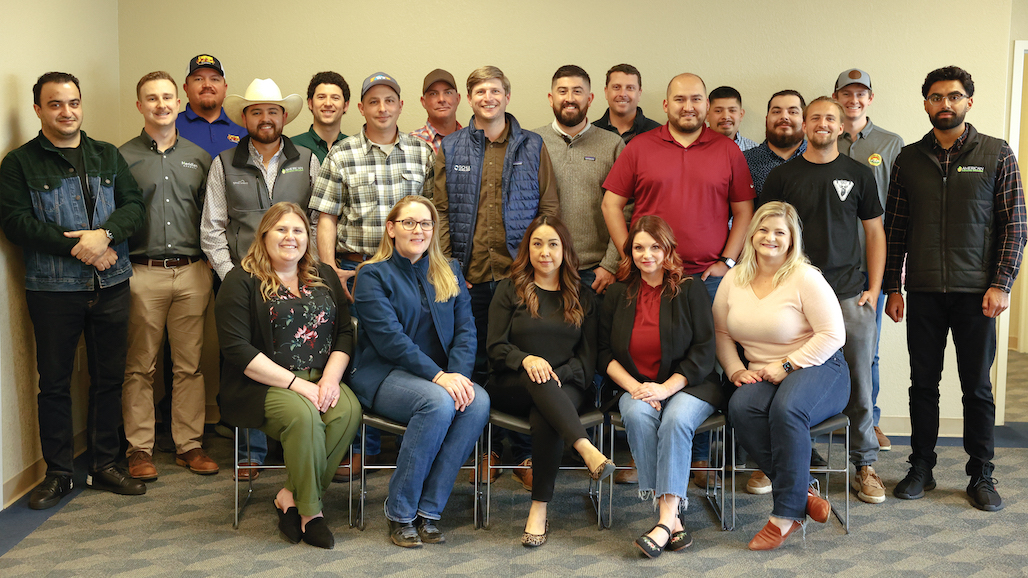
American Pistachio Growers (APG) recently announced its 13th LeadOn pistachio industry leadership class. Selecting motivated individuals with vested interest in the success and future of the U.S. pistachio industry, APG has developed this program to prepare the next generation of pistachio industry leaders. This year-long program is designed to provide a unique experience, consisting of leadership training and industry education seminars led by APG and industry leaders, hands-on educational opportunities that build upon the knowledge base provided by seminar presenters, field experience and a firsthand view of how the pistachio Committees/Board work, to prepare participants for leadership service.<
En route to graduate at APG’s annual conference in February 2024, this will be the largest class to go through the program. The LeadOn class this year includes:
Pacific Nut Producer is proud to have its Editor-In-Chief, Matthew Malcolm, in the LeadOn program this year. “I have always admired American Pistachio Growers, the organization’s leadership and members,” Malcolm shared. “I’m thrilled to participate with my fellow class members in learning to become a stronger advocate and voice for the western pistachio industry through this program.”
APG convened its 13th LeadOn program at the International Agri-Center in Tulare on March 16th, where APG President, Richard Matoian provided an orientation of the program and overview of the mission of APG, which is to collectively advance the American Pistachio industry through research, promotion, advocacy and programs that directly benefit our members. Following Matoian’s remarks, UCCE Farm Advisor Emeritus Bob Beede spent the rest of the day with the group covering Pistachio Production 101. This was the first of many gatherings for the new LeadOn class. Those going through the program will invest 62-74 hours over the course of a year participating in board/committee meetings, training seminars, industry tours, and of course, APG’s annual Pistachio Industry Conference.
American Pistachio Growers President Richard Matoian addressing the 13th LeadOn class for their initial orientation and training in Tulare, CA.







 The Subjective Forecast is the first of two production reports from USDA-NASS for the coming crop year. It is an estimate based on opinions from a survey conducted from April 19 to May 6 of 500 randomly selected California almond growers. The sample of growers, which changes every year, is spread across regions and different sized operations, and they had the option to report their data by mail, online or phone.