Category: Industry News

  • Common Threads Honors 13 Women in Ag for their Service

    Common Threads Honors 13 Women in Ag for their Service

    Anthropologist Margaret Mead once said, “Never doubt that a small group of thoughtful, committed citizens can change the world; indeed, it’s the only thing that ever has.”

    That is the core of Common Threads, an awards program that recognizes women in agriculture in the San Joaquin Valley and Northern California for their service to agriculture and to their communities. As the Common Threads North awards program put it:

    “Agriculture is the common thread of all honorees. Their contributions are symbolic of the rich, colorful threads used to fashion a multifaceted tapestry, not unlike the agricultural diversity of our region. The common threads of our tapestry display an array of cultures, ages, and regions. Some threads are vivid and bright, like the colorful bounty of our land’s harvest. Some are as soft as well-used denim and a little faded with age. Some have the tensile strength of iron; others the complexity and richness of fine lace.”

    Colleen Cecil, executive director of the Butte County Farm Bureau and a member of the Common Threads North committee, which recognizes women from Stanislaus County north to the Oregon border, said it was important to honor the contributions of women to agriculture.

    “Women are often overlooked because they’re busy working bees in the background and they don’t get the spotlight,” Cecil said.

    “Other programs recognize outstanding people, but this is the only one I know of about women in ag. It’s special to get this award because you’ve been nominated by others who hold you in high regard. I’ve had the opportunity to read the applications and letters of recommendation, and I just want to give everyone an award. We’re grateful to be able to bring attention to these women.”

    Rebecca Quist, the chair of the Common Threads Fresno committee, which recognizes women in Fresno, Kern, Kings, Madera, Merced and Tulare counties, noted that the committee’s honorees represent a wide variety in ages.

    “Ag has no age limit. The women we recognize are legacy women – whether they’ve done things quietly behind the scenes or they’re part of a newer generation where they’re out-front advocating in a public forum,” she said.

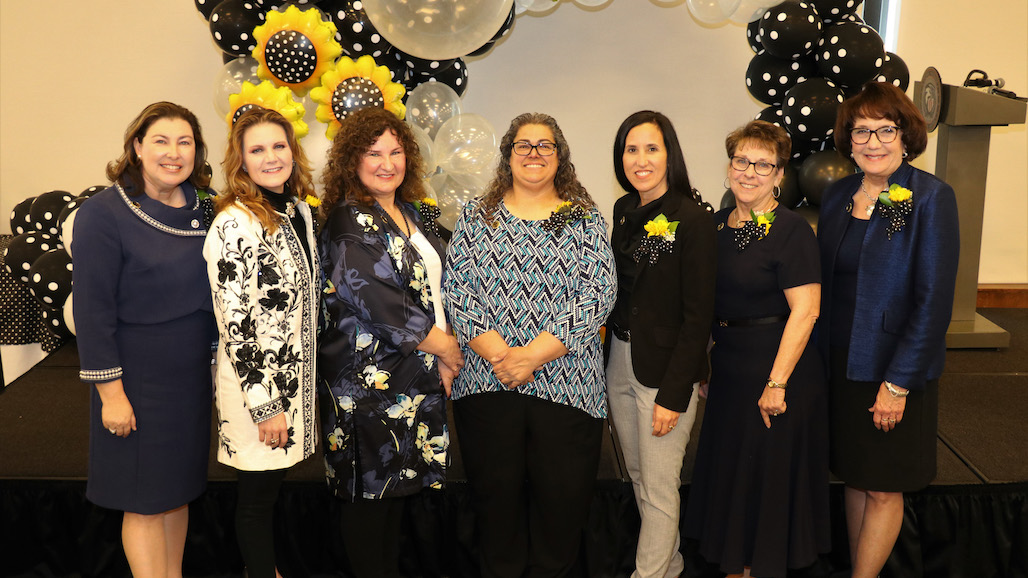
    In the Fresno area, seven honorees were honored on March 1 at a luncheon in Clovis: Lucy Areias, Fresno; Aubrey Bettencourt, Hanford; Juanita Calzadillas-Pedrozo, Merced; Holly Rosa, Hanford; Nanette Simonian, Fowler; Sheri Kanagawa, Hanford; and Tricia Stever Blattler, Honorary Recipient, Tulare.

    And in the north, six women were recognized at a dinner in Winters on April 5:  Geri Byrne, Tulelake; Bonnie Fernandez-Fenaroli, Woodland; Bobbin Mulvaney, Sacramento; Audrey Z. Tennis, Chico; Linda Walker, Los Molinos; and Sharron Zoller, Kelseyville.

    North CA Honorees (Left to right): Bobbin Mulvaney (Sacramento), Audrey Z. Tennis (Chico), Sharron Zoller (Kelseyville), Linda Walker (Los Molinos), Geri Byrne (Tulelake), Bonnie Fernandez-Fenaroli (Woodland).

    AgWest Farm Credit, American AgCredit, CoBank and Fresno Madera Farm Credit have collectively contributed more than $35,000 to support Common Threads as top-level sponsors since 2015. The organizations are part of the nationwide Farm Credit System – the largest provider of credit to U.S. agriculture.

    Mark Littlefield, President and CEO of AgWest Farm Credit, said Farm Credit supports Common Threads because of the importance of women in agriculture.

    “Each of the women honored this year has made outstanding contributions to California agriculture, whether managing operations of their family farming business, through work in organizations supporting agriculture or both,” Littlefield said. “And since so many younger women are taking on even more important roles in farming and ranching, they will help ensure a strong future for agriculture in the state.”

    Keith Hesterberg, President and CEO of Fresno Madera Farm Credit, added that the philanthropic efforts of women in agriculture are a cornerstone of the health of farming communities around the state.

    “Since the founding of our nation, rural America has evolved through a unique commitment to volunteerism that has strengthened and improved our communities,” Hesterberg said. “The Common Threads winners truly exemplify this trait as all have given generously of their time over the years to work on projects that have made a real difference.”

    The Common Threads program also benefits the recipients’ communities, Holman noted, as some of the proceeds from the awards events benefit a charity designated by each of the honorees.

    About Farm Credit: AgWest Farm Credit, American AgCredit, CoBank and Fresno Madera Farm Credit are cooperatively owned lending institutions providing agriculture and rural communities with a dependable source of credit. We specialize in financing farmers, ranchers, farmer-owned cooperatives, rural utilities and agribusinesses. Farm Credit offers a broad range of loan products and financial services, including long-term real estate loans, operating lines of credit, equipment and facility loans, cash management and appraisal and leasing services…everything a “growing” business needs. For more information, visit www.farmcreditalliance.com

    About Common Threads: The Common Threads program was launched in 1997 by the California Agricultural Leadership Foundation and the College of Agricultural Sciences and Technology and the Ag One Foundation at California State University, Fresno. The Agricultural Leadership Foundation launched Common Threads North in 2003 in conjunction with the College of Agricultural and Environmental Sciences at the University of California, Davis, California Women in Agriculture and nine county Farm Bureaus.
  • Blue Diamond Growers’ Former CEO Awarded California Cultivator Award

    Blue Diamond Growers’ Former CEO Awarded California Cultivator Award

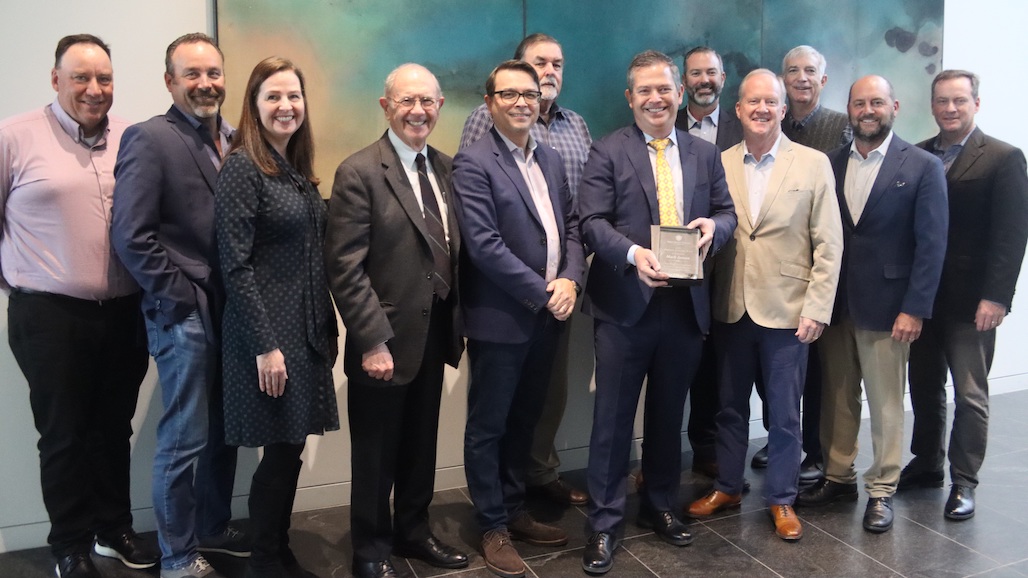
    The Ag Council of California recently celebrated Mark Jansen as the 2023 California Cultivator Award recipient on March 30, 2023, during the association’s 104th Annual Meeting in Monterey.

    Mark Jansen served as president and chief executive officer of Blue Diamond Growers for 12 years and is CEO emeritus. Mark led Blue Diamond in transforming the cooperative into an industry-leading global branded food manufacturer and marketer with his leadership focus on innovation, safety, quality, and strategic growth. With a vision on long-term growth, Mark introduced the capabilities and fostered partnerships around the globe to build the Almond Breeze® portfolio, which is now the world’s leading almondmilk brand.

    Over his tenure, Mark grew revenue by 9.4 percent CAGR and improved profit returns to the co-op’s almond grower-owners by 2,000 percent. In 2021, Mark was honored as one of the Sacramento region’s most admired CEOs.

    Blue Diamond’s Board of Directors Chair Dan Cummings said, “Mark has earned the respect and admiration of our grower-owners with his personable style and engagement in the industry.” Dan added, “His contributions have poised us for future growth and success.”

    Among his accomplishments, Mark served as chair of the California Chamber of Commerce Board of Directors, as well as chair of the organization’s International Forum and chair of its Audit Committee. His service also includes: the Board of Trustees for the International Nut and Dried Fruit Council, chair of the Graduate Institute of Cooperative Leadership, and previous vice chair of the Almond Board of California.

    “I have great respect and admiration for Mark as a leader who is passionate about the cooperative values,” California Department of Food & Agriculture Secretary Karen Ross said. “These values are the guiding principles of a successful business, and with Mark’s leadership, Blue Diamond has served its grower members with added value and integrity to be a respected global leader.”

    Ag Council President Emily Rooney said, “We are pleased to honor Mark with this special award. Mark’s leadership and commitment to the betterment of Blue Diamond are unparalleled. We know his efforts will have positive outcomes for the cooperative for many years and thanks to him – as Mark himself would say – ‘the best is yet to come.’”

    As background, the California Cultivator Award recognizes and honors a person who clearly has made significant contributions to agriculture or who has demonstrated leadership and personal commitment beyond the normal expectations of a person serving the farmer-owned business sector.

    Congratulations to Mark Jansen upon being selected to receive this distinctive award.

  • Almond Board Retains Search Firm to Aid 2023 CEO Transition

    Almond Board Retains Search Firm to Aid 2023 CEO Transition

    The Almond Board of California retained Russell Reynolds Associates, a leading global executive search and leadership advisory firm, as the exclusive search firm to aid the transition to a new president and CEO. Current President and CEO Richard Waycott informed the Almond Board of California (ABC) Board of Directors that after 21 years he plans to step away from his ABC responsibilities at the end of 2023 to pursue other interests.

    An ABC search committee led by Board Chair Alexi Rodriguez retained Russell Reynolds Associates to help in the national CEO search. The firm has more than 50 years of experience working with public, private and nonprofit organizations in the U.S. and around the globe. Individuals interested in applying are invited to submit a curriculum vitae and brief explanation of interest in electronic form to almondboard@russellreynolds.com. Inquiries and nominations should also be sent to that email address.

    “This is an exceptional leadership opportunity for the right executive to serve the more than 7,600 growers and 100-plus handlers who have made almonds one of California’s largest crops,” Rodriguez said. “We are excited to see where our search will lead.”

    About the Almond Board of California

    California almonds make life better by what we grow and how we grow. The Almond Board of California promotes natural, wholesome and quality almonds through leadership in strategic market development, innovative research and accelerated adoption of industry best practices on behalf of the more than 7,600 almond farmers and processors in California, most of whom are multi-generational family operations. The Almond Board of California is a non-profit organization that administers a grower-enacted Federal Marketing Order under the supervision of the U.S. Department of Agriculture. It was established in 1950 and is based in Modesto, CA. For more about the Almond Board or California almonds, visit Almonds.com.

  • $40 Million to Bring High-Speed Internet to Rural New Mexico

    $40 Million to Bring High-Speed Internet to Rural New Mexico

    As news to our New Mexico pistachio and pecan growers, the U.S. Department of Agriculture (USDA) Secretary Tom Vilsack today announced that the Department is investing $40 million to provide high-speed internet access for people living and working in rural areas in New Mexico.

    Today’s investments are made possible because of funding from President Biden’s historic Bipartisan Infrastructure Law, which provides $65 billion to expand reliable, affordable, high-speed internet to all communities across the U.S. The announcement reflects the goals of President Biden’s Investing in America agenda to rebuild our economy from the middle-out and bottom-up through investments such as the Bipartisan Infrastructure Law.

    “The Bipartisan Infrastructure Law has given USDA unprecedented resources to close the digital divide in rural America,” Secretary Vilsack said. “Connecting rural Americans to reliable, high-speed internet helps farmers and businesses operate more efficiently and break into new markets. It helps build and keep wealth in rural communities. USDA is committed to making sure that people, no matter where they live, have access to high-speed internet. That’s how you grow the economy – not just in rural communities, but across the nation.”

    The $40 million in grants comes from the fourth funding round of the ReConnect Program. The Department will announce additional investments in the coming weeks. USDA has invested $1.7 billion since the beginning of the Biden-Harris Administration through the ReConnect Program to bring high-speed internet access to rural Americans.

    The three projects being announced today in New Mexico are:

    • The Western New Mexico Telephone Company Inc. is receiving a $23.8 million grant to deploy a fiber-to-the-premises network to provide high-speed internet access to people in Catron County. The company will make high-speed internet affordable by participating in the Federal Communications Commission’s (FCC) Lifeline and Affordable Connectivity Programs (ACP). It also will provide a $34.99 monthly plan with 75 megabits per second upload and download speeds for subscribers within the project area who are enrolled in the ACP.
    • The E.N.M.R. Telephone Cooperative is receiving a $2.6 million grant to deploy a fiber-to-the-premises network to provide high-speed internet access to people in De Baca, Guadalupe, Harding, Quay, San Miguel, Socorro and Union counties. E.N.M.R. will make high-speed internet affordable by participating in the FCC’s Lifeline and Affordable Connectivity Programs. This project will serve socially vulnerable communities in De Baca, Guadalupe, San Miguel and Socorro counties.
    • The Peñasco Valley Telephone (PVT) Cooperative is receiving a $13.9 million grant to deploy a fiber-to-the-premises network to provide high-speed internet access to 550 people, 48 farms and 11 businesses in Chaves, Eddy, Otero and Lincoln counties. PVT will make high-speed internet affordable by participating in the FCC’s Affordable Connectivity Program (ACP). PVT also offers a program that can provide free internet for households participating in the ACP. This project will serve socially vulnerable communities in Chaves, Eddy and Otero counties.

    Background: ReConnect Program

    To be eligible for ReConnect Program funding, an applicant must serve an area that lacks access to service at speeds of 100 megabits per second (Mbps) download and 20 Mbps upload. The applicant must also commit to building facilities capable of providing high-speed internet service with speeds of 100 Mbps (download and upload) to every location in its proposed service area.

    Background: Bipartisan Infrastructure Law

    President Biden forged consensus and compromise between Democrats, Republicans and Independents to demonstrate our democracy can deliver big wins for the American people. After decades of talk on rebuilding America’s crumbling infrastructure, President Biden delivered the Bipartisan Infrastructure Law – a historic investment in America that will change people’s lives for the better and get America moving again.

    The Bipartisan Infrastructure Law provides $65 billion to ensure every American has access to affordable, reliable high-speed internet through a historic investment in broadband infrastructure deployment. The legislation also lowers costs for internet service and helps close the digital divide, so that more Americans can take full advantage of the opportunities provided by internet access.

    To learn more about investment resources for rural areas, visit www.rd.usda.gov or contact the nearest USDA Rural Development state office.

    USDA Rural Development provides loans and grants to help expand economic opportunities, create jobs and improve the quality of life for millions of Americans in rural areas. This assistance supports infrastructure improvements; business development; housing; community facilities such as schools, public safety and health care; and high-speed internet access in rural, tribal and high-poverty areas. For more information, visit www.rd.usda.gov.

  • Almond Board Team Bolsters Nutrition Research and Pest Management

    Almond Board Team Bolsters Nutrition Research and Pest Management

    Two experts – one with a background in nutrition research; the other in pest management – have joined the Almond Board of California’s Research and Innovation team.

    As the associate director of nutrition research, Elena Hemler has been working on a new process to prioritize which research projects the Almond Board funds based on the marketing potential and the nutrition relevance of the topics.

    As a senior pest management specialist, Lauren Fann has been busy familiarizing herself on the research that has been conducted in the almond industry and looking beyond almonds for solutions to emerging problems such as plant bugs.

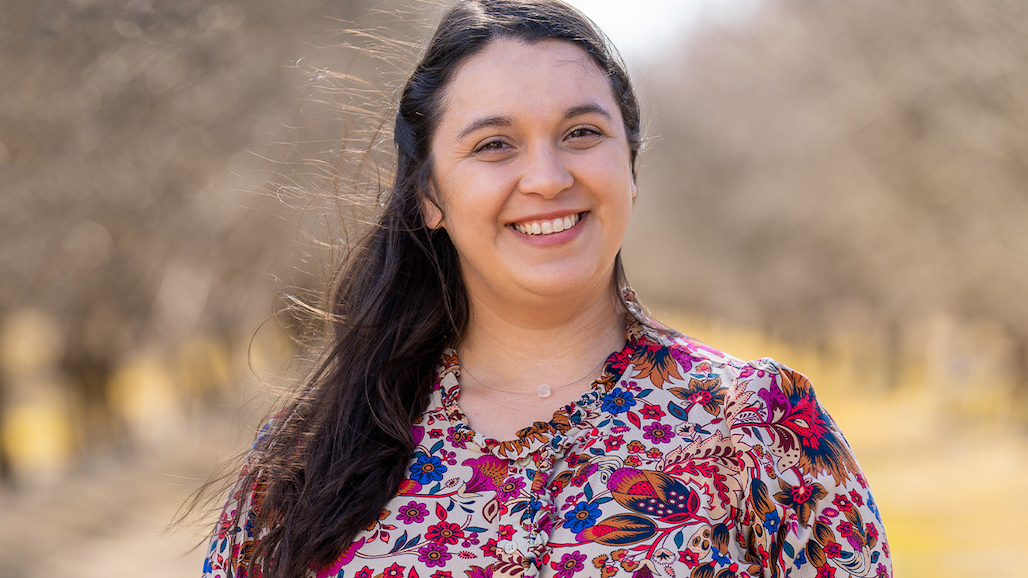
    Elena Hemler will serve as associate director of nutrition research at the Almond Board of California (image courtesy of the Almond Board of California)

    Hemler is based in Boston. She comes to the Almond Board after having worked in healthcare technology and conducting nutrition research at the Harvard School of Public Health. She was attracted to the Almond Board because of its long track record of investing in nutrition research studies in areas such as heart health, weight management, immunity and skin care.

    “I’ve always been very interested in the large body of research on the health benefits of almonds,” Hemler said. “I was familiar with ABC when I worked in academia and was always impressed with ABC’s reputation for funding high-quality research.”

    Hemler grew up in the Boston area. In her spare time, she and her partner Jacob enjoy hiking, biking and camping in the mountains of Vermont and New Hampshire.

    Fann works out of the Almond Board’s Modesto office. Prior to the ABC, she was a graduate research assistant at the University of Kentucky, where she completed her PhD in Entomology. Her research was focused on integrated pest management strategies of the brown marmorated stink bug, Halyomorpha halys, in small acreage and organic vegetable systems.

    One of Fann’s goals at the Almond Board is to help develop effective new tactics that growers can use to expand their sustainable pest management options. She embraces the opportunity to help growers, PCAs and researchers meet the changing needs of the industry.

    “In a similar way that insects are often misunderstood or underappreciated, I want to help growers find the tools that work and change the narrative, highlighting the positive impacts of the almond industry.”

    Fann is a native of the Rio Grande Valley in South Texas. When she’s not at work, she enjoys traveling and hiking, often with her dog Dylan. — By the Almond Board of California

  • Almond Industry Golf Tournament to Benefit California FFA

    Almond Industry Golf Tournament to Benefit California FFA

    Almond Board of California — Almond industry members who enjoy golf are invited to tee it up again this year as part of an effort to support students who intend to pursue careers in agriculture. The Almond Board of California’s Almond Leadership Program (ALP) Class of 2023 will host its fifth annual golf tournament May 4 at Dragonfly Golf Course in Madera.

    Money raised from the event will be donated to the California FFA Foundation and awarded in the form of scholarships to FFA members, a cause hits home with tournament co-chair Darryl Hadlich. “Being an FFA alumni and an American FFA Degree recipient, it means everything to me to be able to help this organization,” he said.

    The cost is $700 per foursome. That includes golf fees and cart as well as breakfast and lunch. There will be prizes for best score in the scramble format, long drive and closest to the pin. Registration and breakfast will begin at 6:30 a.m. with a shotgun start at 8 a.m. There are also sponsorship opportunities ranging from $250 to $2,350 that include a foursome as well as advertising as part of event promotions.

    “This event is important because the students who benefit from the scholarships are important,” said Rebecca Bailey, specialist in industry relations for the Almond Board. “These current ag students are the future leaders of the California ag industry and within their local communities. College is expensive, so being able to support students as they pursue higher education will help to ease financial and stress-related burdens.”

    The goal of the event is to raise $15,000 from the tournament, which is one of two major fundraising efforts organized each year by the members of the Almond Leadership Program. The second is a silent auction conducted during the annual Almond Conference in December.

    “I was once one of those kids wearing that blue corduroy jacket and I fully understand what this money can do to help the organization’s education efforts,” Hadlich added. “It’ll be a great day full of food, sunshine and golf; all while supporting the future of the agriculture industry. What more can you ask for?”

    The leadership program seeks to engage members of the almond community in creating a culture of lifelong leadership development, networking, education and service.

    To see a flyer with information about the tournament, click here. To register, please fill out this entry form. Questions should be sent to event co-chairs Darryl Hadlich at dhadlich@wiseconn.com or Vance Millwee at vance@treehousealmonds.com.

  • Eating Almonds Before Meals May Help People with Prediabetes

    Eating Almonds Before Meals May Help People with Prediabetes

    Two new research studies with almonds, one conducted over three days and the other over three months, demonstrated benefits to blood sugar control for Asian Indians with prediabetes and overweight/obesity – and the three-month almond intervention broke new ground, reversing prediabetes, or glucose intolerance, to normal blood sugar levels in nearly one quarter (23.3%) of the people studied.

    In both studies, 60 people ate 20 g (0.7 oz) of almonds, around a small handful, 30 minutes before breakfast, lunch, and dinner throughout the study durations. Researchers expressed their enthusiasm for these almond studies and the first-of-its-kind statistically significant reduction in measures of prediabetes by calling the reversal of prediabetes through diet “the holy grail of medicine.” Better glucose control over time through dietary strategies like including almonds could help stave off diabetes progression. Nearly 70% of individuals with prediabetes will develop diabetes within their lifetime.Both studies were randomized controlled trials funded by the Almond Board of California. The researchers hypothesized that the almond snack before major meals, known as “preloading,” would reduce glucose and insulin fluctuations after meals and reduce overall hyperglycemia compared to the control diet. The findings complement the breadth of research on different populations on how almonds support healthy blood sugar as part of a balanced diet.

    “Results from our studies indicate almonds might be a key differentiator in helping regulate blood glucose levels as part of a dietary strategy. These results showcase that the simple addition of a small portion of almonds before each meal can quickly and drastically improve glycemic control in Asian Indians in India with prediabetes in just three days. Eating 20 g of almonds 30 minutes before an oral glucose load showed a significant decrease in blood sugar and hormones. Almonds’ nutritional makeup of fiber, monounsaturated fats, zinc, and magnesium work together to help provide better glycemic control and reduce hunger,” said lead author Dr. Anoop Misra, Professor and Chairman, Fortis-C-DOC Centre of Excellence for Diabetes, Metabolic Diseases, and Endocrinology (New Delhi). “Our outcomes provide a promising dietary strategy for reducing prediabetes progression and returning people to normal glucose regulation.”

    His collaborators agree. “In view of the increasing prevalence of diabetes, dietary strategies like consuming almonds 30 minutes before major meals offers a good option to decrease the spike in blood glucose levels after meals,” said Dr. Seema Gulati, head, Nutrition Research Group, National Diabetes, Obesity, and Cholesterol Foundation.

    The longer-term study:

    This three-month longer-term study was with overweight or obese Asian Indian adults who had prediabetes. Participants were randomized into either the almond treatment group or into the control group, and both were provided with diet and exercise counseling as well as home-use glucometers to measure their glucose levels, which were recorded in diaries along with dietary intake and exercise.

    Study measures comprised a variety of anthropometrics: body weight; circumferences of waists, hips, and arms; skinfolds of customary locations of the body; and body fat estimates. Biochemical measures included insulin, blood sugar, hemoglobin A1c, C-peptide, glucagon, proinsulin, high sensitivity C-reactive protein, tumor necrosis factor alpha, and lipids.

    Eating 20 g (0.7 oz) almonds ahead of breakfast, lunch, and dinner, for three months resulted in first-of-its kind statistically significant reductions for the treatment group in body weight, body mass index, waist circumference, skinfold tests for shoulder and hip areas, as well as improved handgrip strength. Similarly, reductions were seen for fasting glucose, postprandial insulin, hemoglobin A1c, proinsulin, total cholesterol, LDL-cholesterol, and very low-density lipoprotein. Importantly, no changes occurred with beneficial HDL-cholesterol, meaning this cardioprotective lipid was maintained despite other observed biochemical alterations.

    These substantial metabolic improvements led to nearly one-fourth (23.3%) of the prediabetes study participants returning to normal blood glucose regulation. These findings are meaningful for global public health given the prevalence of diabetes, the troubling rates of progression from prediabetes to diabetes, and are specifically relevant to Asian Indians in India who are disproportionately impacted because of their greater tendency to progress from prediabetes to diabetes.

    Researchers think the nutrients in almonds may play a role in the observed health benefits from this study. “The natural combination of monounsaturated fatty acids and soluble fiber could be responsible for the positive metabolic outcomes,” Dr. Misra said. “Almonds may slow stomach emptying, which could help people ingest less food and fewer calories to promote weight management, which is important in helping reverse the course of prediabetes back to normal blood sugar regulation.”

    While the results are extremely promising, the researchers noted some limitations, including the relatively small sample size and limited period of intervention. They also noted that the study included Asian Indians who had well-controlled prediabetes, and the researchers cannot extrapolate the same impact of a premeal load of almonds in participants with type 2 diabetes. Including participants with poorly controlled metabolic states as well as those with diabetes could be useful.

    The short-term study:  

    • Part 1: One Day Oral Glucose Tolerance Testing (OGTT): Participants were first divided into two groups of 30. The first group consumed a 20 g (0.7 oz) portion of almonds. The second group received no almonds and both groups were given an OGTT.
    • Part 2: Three-Day Blood Glucose Monitoring: Using a continuous glucose monitoring system (CGMS), researchers compared the glycemic effects of preloading three meals a day (breakfast, lunch, dinner) with 20 g (0.7 oz) of almonds for three consecutive days in 60 participants, with the participants who received no preloading of almonds.

    Upon conclusion of the short-term study, researchers found that indicators for hyperglycemia, such as blood glucose, serum insulin, glucagon, and C-peptide (only OGTT results) were lower for the almond group versus the control group. There was an 18.05% decrease in PPBG levels, indicating improved regulation of glycemic responses among the almond consumers.

    Results from the continual glucose monitoring system showed statistically significant improvement in glucose variability over the first 24 hours in the almond group, indicating appropriate glucose control. Specifically, PPHG levels were lowered by 10.07% in the almond group compared to control. Additionally, treatment with premeal almond loading significantly improved several indicators that reflect daily glycemic control compared to the control group: lower mean 24-hour blood glucose concentration, less time spent above an elevated blood glucose level of 140 mg/dL, lower peak 24-hour glucose levels, decreased post-prandial blood glucose levels, lower minimum glucose levels at night, and lower overall hyperglycemia.

    Limitations of the short-term study include a limited period of intervention with a smaller sample size comprising people with prediabetes. Also, nutritional intervention studies can trigger behavioral changes in both groups as the participants are made aware of their risk during the recruitment process and were given dietary instruction prior to the study. Further research is needed to investigate the effects of almond preloading consumption on the same measures in different ethnicities and in individuals with diabetes and normal body weights to be able to provide broader recommendations.

    In summary, with both studies, Dr. Misra and colleagues found that study participants who ate 20g (0.7oz) of almonds 30 minutes before a meal showed significant improvements in glycemic control compared to not eating almonds before meals over three months. Almonds can be part of a nutritious dietary solution offering good potential for the reversal of prediabetes to normal glucose regulation in some Asian Indians and therefore potentially prevent or delay the development of diabetes in people with prediabetes.

    A one-ounce (28 g) serving of almonds provides 4 g (14% DV) fiber and 15 essential nutrients, including: 77 mg (20% DV) magnesium, 210 mg (4% DV) potassium, and 7.27 mg (50% DV) vitamin E, making them a perfect nutrient-rich snack for those with impaired glucose tolerance or type 2 diabetes.  — Article by the Almond Board of California

  • New Farm Bill May Incentivize On-Farm Ag Tech Innovations

    New Farm Bill May Incentivize On-Farm Ag Tech Innovations

    Just as the previous Farm Bill has supported farmers with cost-share programs like EQIP to improve their sustainability, the specialty crop sector of ag is pushing for the coming Farm Bill to support on-farm ag tech innovations in a similar way.  Watch this brief interview with California Fresh Fruit Association President Ian LeMay to learn more.

    Please thank this video’s sponsor Ranch Systems for their industry support.

  • Yan Can Cook with Pistachios, Introducing APG’s Newest Ambassador

    Yan Can Cook with Pistachios, Introducing APG’s Newest Ambassador

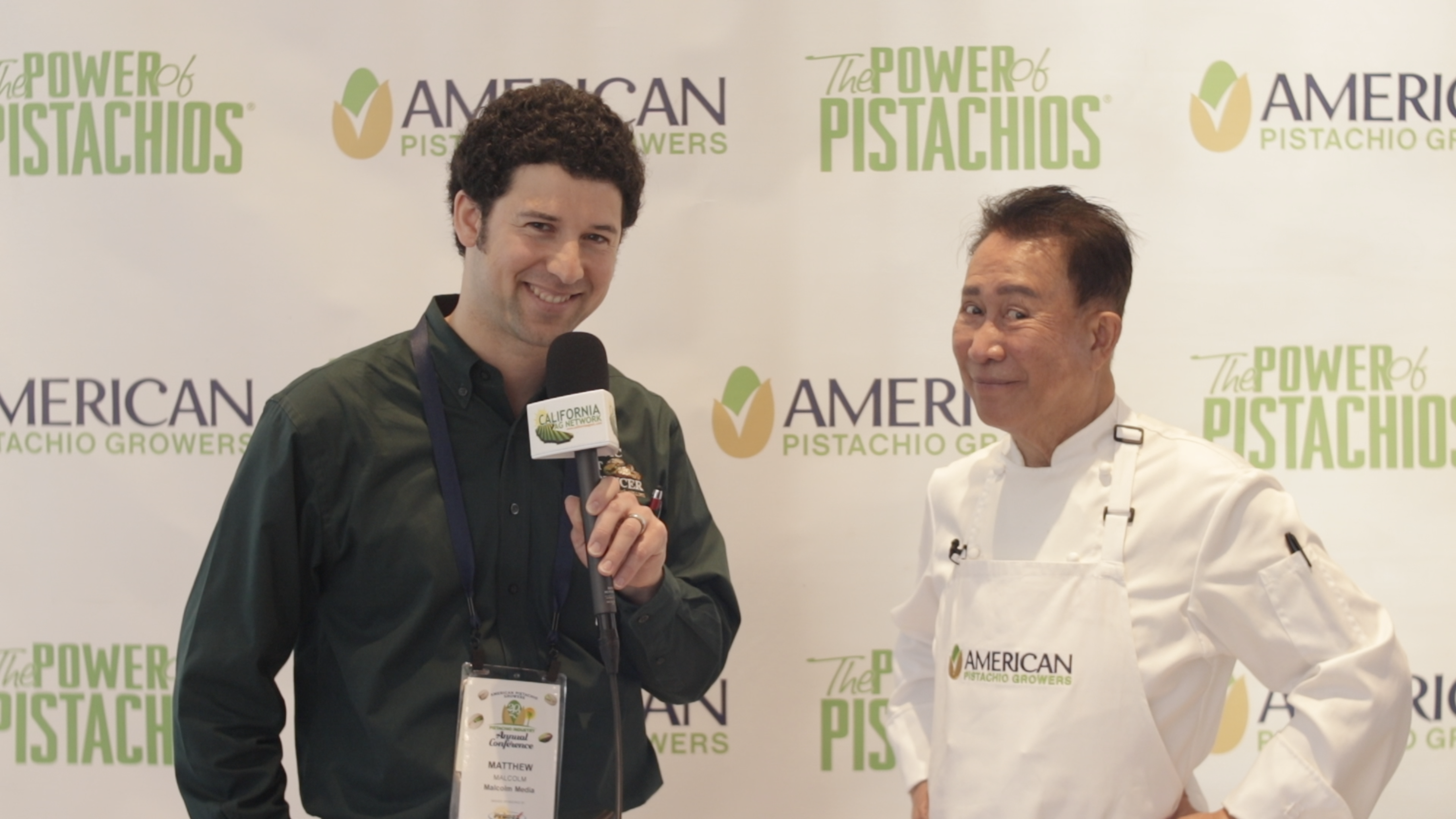
    American Pistachio Growers was pleased to introduce their newest ambassador Martin Yan at their recent annual conference in a fun cooking competition setting.  World-renowned chef, famous for his 1982 cooking show, Yan’s new motto might very well be “Yan Can Cook with Pistachios and So Can You.” Watch this video and read more about it in Pacific Nut Producer Magazine.

    Special Thanks to American Pistachio Growers for sponsoring this video.

  • Pistachios Named Nut of the Year and Economic Impact

    Pistachios Named Nut of the Year and Economic Impact

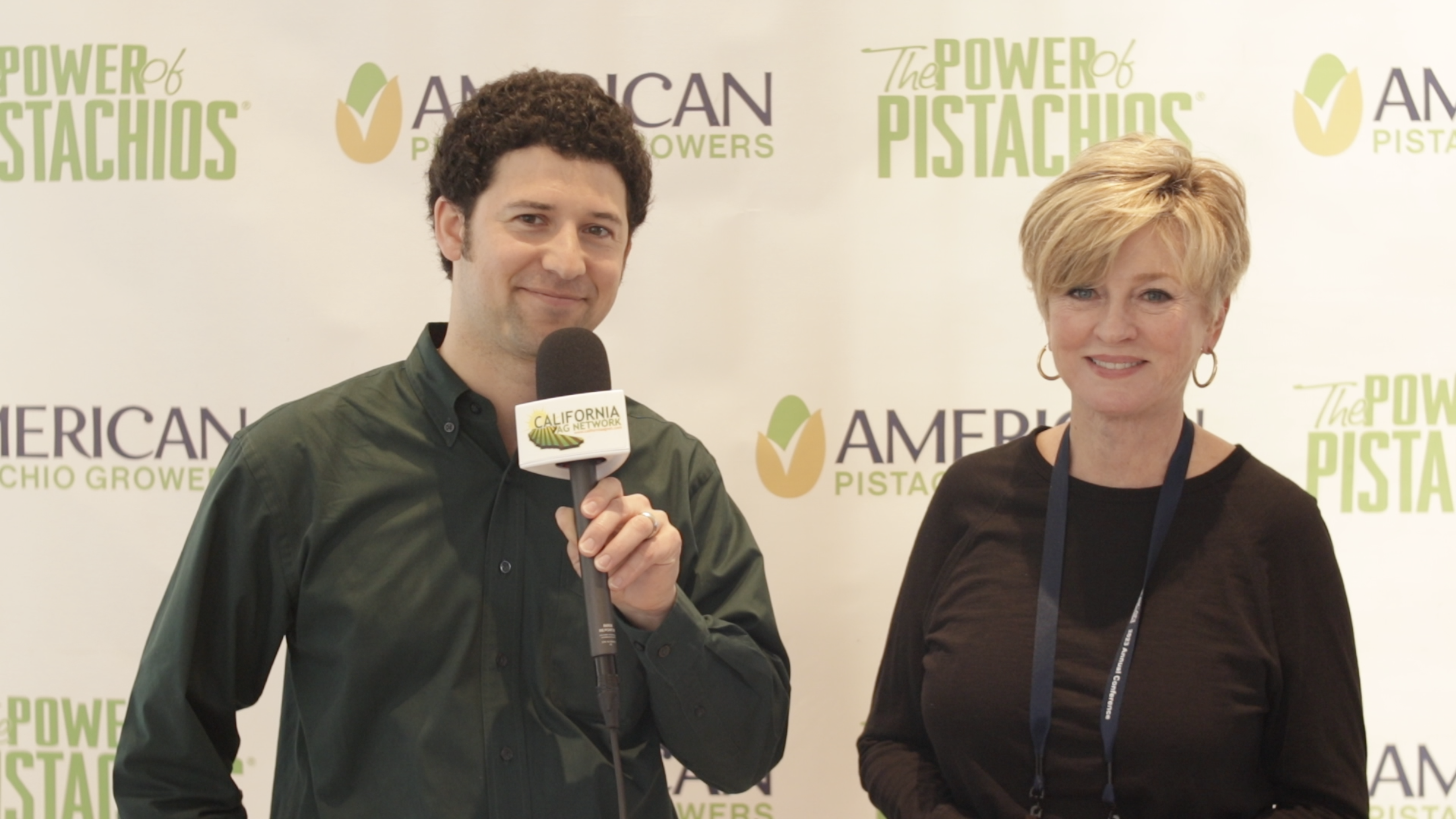
    In a recent national food trends report, pistachios were named nut of the year.  Pistachio color, flavor and natural health benefits were highlighted as an official 2023 trend.  Watch this brief interview with Judy Hirigoyen from American Pistachio Growers (APG) as she explains the significance of this announcement.  Hirigoyen also highlights APG’s recent economic impact study.  Read more about it in Pacific Nut Producer Magazine.

    Special Thanks to American Pistachio Growers for sponsoring this video.