Category: Industry News

  • Blue Diamond Growers Launches USDA Climate-Smart Grant Program

    Blue Diamond Growers Launches USDA Climate-Smart Grant Program

    Blue Diamond Growers has launched its USDA Partnerships for Climate-Smart Commodities Grant Program with its 3,000 grower-owners. The program is a major step in expanding the use of climate-smart practices in almond orchards.

    The initial launch of the Blue Diamond USDA Climate-Smart Grant Program offers almond growers no-cost seed and a financial incentive for implementing cover crops and/or conservation cover on their land. These practices will not only work towards sequestering carbon but will also enhance the biodiversity of orchards, while improving soil health. As part of this program, growers will work with civil society technical partners, Pollinator Partnership and Project Apis m. to implement these practices.

    “This is an exciting and unique opportunity for growers outside of the traditional federal, state, and local resources that are typically available to them,” said Dan Sonke, Sr. Director of Sustainability, Blue Diamond Growers. “We know that cost and technical barriers are the largest hurdles to overcome when implementing climate-smart practices. This project provides resources to accelerate our grower-owners’ advances in soil health, biodiversity, and climate-smart agriculture.”

    The program will also work to identify almond-specific methods for quantifying the greenhouse gas (GHG) impacts of implementing climate-smart practices and will explore market-based mechanisms to reward growers for their stewardship work.

    The USDA Partnerships for Climate-Smart Commodities Grant Program further extends Blue Diamond’s current Orchard Stewardship Incentive Program (OSIP). OSIP currently has more than 50% of Blue Diamond acreage enrolled, the largest amount of almond acreage in the world participating in a sustainability program, with over 15% of Blue Diamond’s acreage being Bee Friendly Farming (B.F.F.) certified.

    “Not only does this program benefit growers, but food companies and retailers as well,” continued Sonke. “Customers can partner with Blue Diamond to support the use of climate-smart practices which benefit the climate, soil health, and orchard biodiversity, and thereby procure almonds with a measured GHG reduction quantification that helps meet their own climate and sustainability targets.”

    With planning and grower communication underway now, Blue Diamond Growers will largely begin to implement the grant-related practices across California beginning in October, after this year’s harvest.

    For more information on Blue Diamond Grower’s sustainability efforts, please visit bluediamond.com/sustainability.

    About Blue Diamond Growers®
    Blue Diamond Growers, a grower-owned cooperative representing approximately 3,000 of California’s almond growers, is the world’s leading almond marketer and processor. Established in 1910, it created the California almond industry and opened world markets for almonds. Blue Diamond is dedicated to delivering the benefits of almonds around the world and does so by providing high-quality almonds, almond ingredients and branded products. Headquartered in Sacramento, the company employs more than 1,800 people throughout its processing plants, receiving stations and gift shops. To learn more about Blue Diamond Growers, visit www.bluediamond.com.

  • LandFlex Program Awards $16 Million in Farmer Contracts, Providing Immediate Well Protection for 34,000 Homes

    LandFlex Program Awards $16 Million in Farmer Contracts, Providing Immediate Well Protection for 34,000 Homes

    The Department of Water Resources (DWR) has announced the successful conclusion of LandFlex Phase 2, providing $16,775,162 in grants to support grower contracts within various Groundwater Sustainability Agencies (GSAs) for the protection of rural at-risk water systems and advancements in groundwater sustainability.

    The awarded funds will be allocated to three GSAs as follows:

    Lower Tule Irrigation District GSA: Grant award in the amount of $7.7 million
    Pixley Irrigation District GSA: Grant award in the amount of $ 5 million
    Westlands Water District GSA: Grant award in the amount of $4 million
    “At the heart of LandFlex‘s success is its proven effectiveness in addressing critical water resource challenges,” said Anja Raudabaugh, Chief Executive Officer of Western United Dairies. “Initially designed to combat drought conditions, the program has demonstrated remarkable versatility by also proving its mettle in flood protection and identifying active recharge potential. This adaptability has positioned LandFlex as an innovative and indispensable tool for growers to meet sustainability goals in both dry and wet periods.”

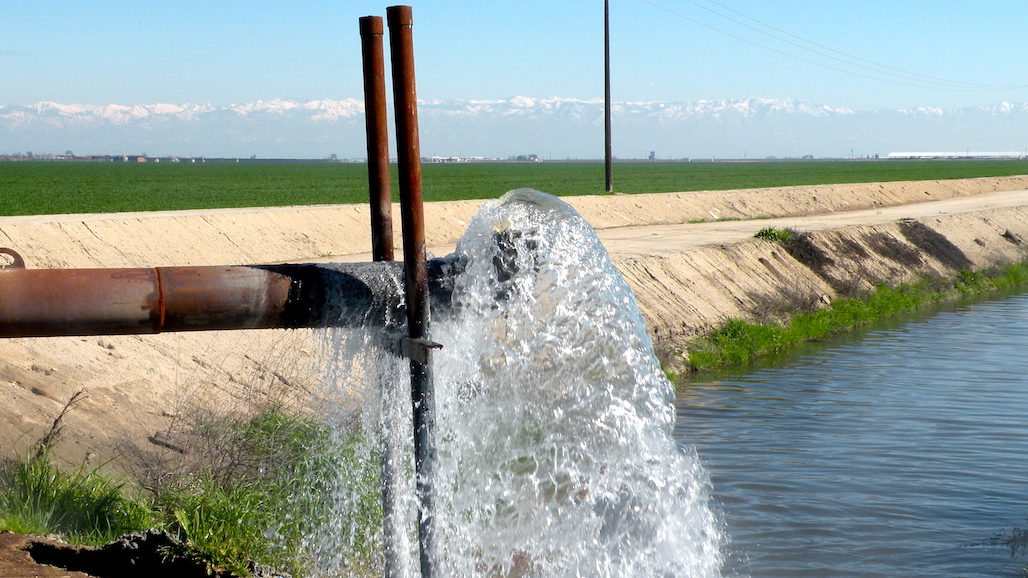
    One of the program’s key achievements is the immediate protection it provides to drinking water wells serving 34,259 households in underserved communities. By swiftly reducing water demand, LandFlex alleviates pressure on these communities and overburdened water systems while simultaneously supporting the sustainability of both the communities and the agricultural industry.

    Moreover, LandFlex plays a pivotal role in accelerating compliance with the Sustainable Groundwater Management Act (SGMA). Growers who participate in the program can plan ahead and explore innovative farming methods that align with long-term sustainability goals, ensuring the resilience of water systems and critical water infrastructure.

    “LandFlex owes its success to the voluntary participation of growers who are committed to supporting their communities and farming for the future,” said Aubrey Bettencourt, President and Chief Executive Officer of the Almond Alliance. “The program was oversubscribed, and their active involvement showcases their determination to find immediate solutions rather than waiting until 2040 to achieve sustainability goals. By participating in LandFlex, these growers contribute significantly to the well-being of underserved communities and the long-term resilience of at-risk water systems while investing in new farming practices to ensure California agriculture is leading and vibrant for the 21st century.”

    The LandFlex program stands as a testament to the power of collaboration between growers, government entities, and local communities. By focusing on the protection of water resources and underserved communities, LandFlexexemplifies the importance of finding innovative, practical, and actionable solutions to address pressing water challenges.

    For more information about LandFlex, please visit landflex.org.

    About the Almond Alliance
    Almond Alliance is the leading authority in state and national policy, championing American almond farmers, industry, and community for the continued global growth, innovation, and success of American almonds and agriculture. Established in 1980, the Almond Alliance is a non-profit trade association with a local and international network of almond processors, hullers/shellers, growers, and allied businesses. The Alliance is dedicated to providing resources and solutions for our members, ensuring industry success and growth opportunities. Learn more at almondalliance.org.

  • World Boxing Champion Jose Ramirez to be Featured at American Pistachio Growers Luncheon

    World Boxing Champion Jose Ramirez to be Featured at American Pistachio Growers Luncheon

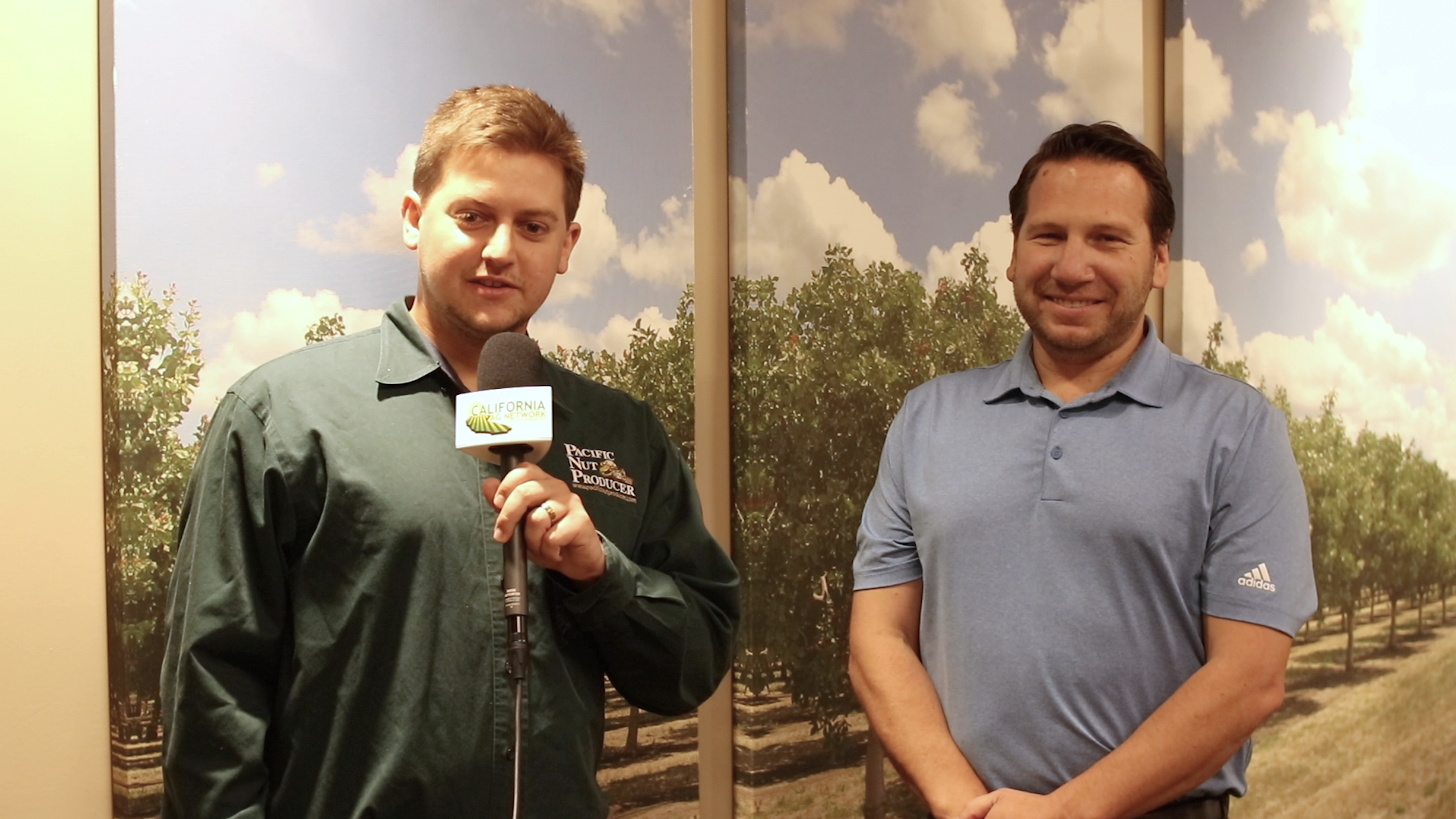
    American Pistachio Growers (APG) Annual Membership luncheon is coming up on Friday, July 28th at the Visalia Convention Center.  In addition to pistachio crop and marketing updates, APG is excited to have world boxing champion and Central Valley native Jose Ramirez joining the growers for the program.  Watch this video featuring Wes Wilson from APG to learn more, and register to attend HERE.  Pacific Nut Producer Magazine is proud to partner with APG for this special event, so be sure to see us there.

    Please thank this video’s sponsor Thunder Creek Equipment for their industry support.

  • Almond Board of California Directors Announce Clarice Turner as Next CEO

    Almond Board of California Directors Announce Clarice Turner as Next CEO

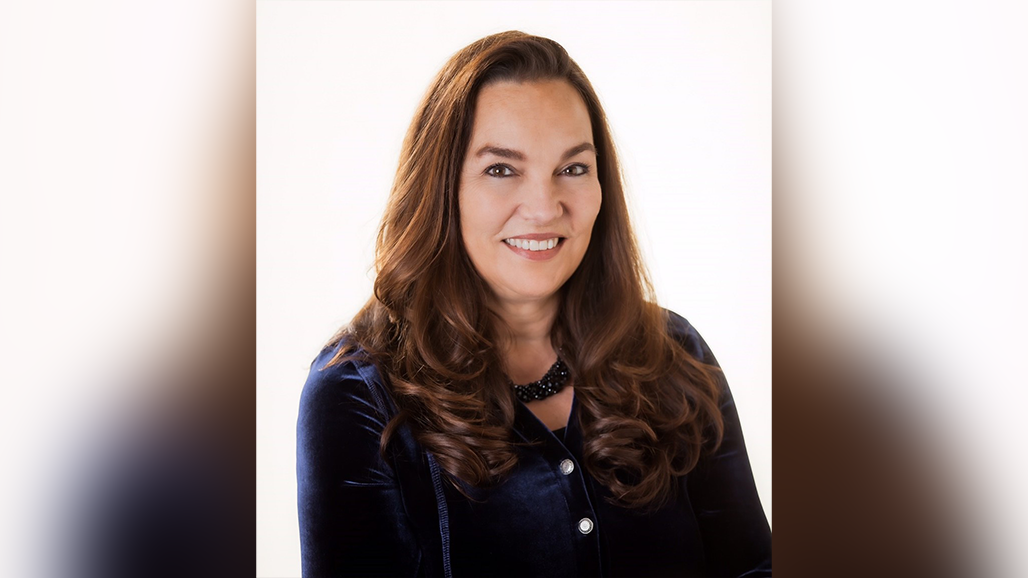
    The Almond Board of California Board of Directors selected Clarice Turner, an experienced global leader in consumer goods, food service and wine and spirits, as the next president and CEO.

    Turner is joining the Almond Board of California (ABC) after most recently serving as president of iconic Napa Valley winery Joseph Phelps Vineyards. She has also held CEO and senior executive positions at Boudin Bakery, Starbucks Coffee Company, YUM! Brands, Papa Murphys International and PepsiCo.

    The ABC Board is excited to welcome Clarice to the California almond industry,” said board chair Alexi Rodriguez. “A tremendous amount of thought and effort went into the search process and we couldn’t be more pleased with the result. Clarice brings extensive knowledge and experience that we believe will be a great benefit to the organization and the industry.

    Turner is a ninth generation Californian and has a long history of serving on corporate and non-profit boards including the Culinary Institute of America, Delicato Family Wines, the National Restaurant Association, Washington State University School of Business and San Francisco State University Lam School of Business.

    Along with her former global executive positions, Turner was also an international business major at Fudan University in China and understands the role different nationalities play in trade, business and culture.

    “I am honored to lead the Almond Board of California, Turner said. “It’s a once in a lifetime opportunity to combine my California heritage, roots in generational farming and executive experience to build on the strong foundation established in 1950. I look forward to working collaboratively with the staff, board, growers, handlers and industry stakeholders in the coming years.

    Rodriguez said that in September, Turner will begin working closely with the board, current President and CEO Richard Waycott and the ABC executive team to ensure a smooth transition over the coming months.

    “We are thankful for Richard, not just for his commitment to the industry over the last 21 years, but also for his support during this transition period to make certain Clarice and the organization are set up for success moving forward,” Rodriguez said.

    Waycott informed the board of directors in November 2022 that he planned to step away from his ABC responsibilities at the end of 2023 to pursue other interests.

    About the Almond Board of California

    California almonds make life better by what we grow and how we grow. The Almond Board of California promotes natural, wholesome and quality almonds through leadership in strategic market development, innovative research and accelerated adoption of industry best practices on behalf of the more than 7,600 almond farmers and processors in California, most of whom are multi-generational family operations. The Almond Board of California is a non-profit organization that administers a grower-enacted Federal Marketing Order under the supervision of the U.S. Department of Agriculture. It was established in 1950 and is based in Modesto, CA. For more about the Almond Board or California almonds, visit Almonds.com.

  • Over 25 Farming Robots to be Featured at FIRA USA 2023 this Fall in Salinas

    Over 25 Farming Robots to be Featured at FIRA USA 2023 this Fall in Salinas

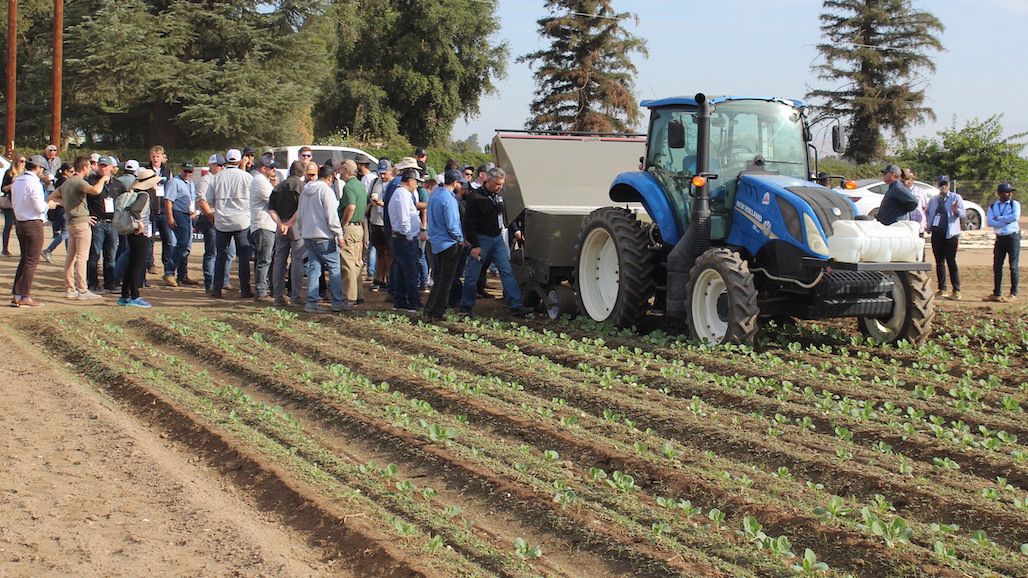
    Weeding, harvesting, picking, carrying,… Robots are today’s answer to many challenges facing agriculture. And they will show up this fall in Salinas for the second edition of FIRA USA. From September 19 to 21, the Salinas Sports Complex, home of the famous California Rodeo Salinas, will be the place to discover the autonomous farming solutions in action. During three days, expo, demos, pitch sessions and even a robot parade will take place in the Salad Bowl of the World. Please note that the traveling event through California FIRA USA not only focuses on vegetables: trees and vineyards are also at the heart of the environmental and labor issues that agriculture must address… just like FIRA USA!  For this reason, Malcolm Media is partnering with FIRA-USA, and California Ag Network, California Fruit & Vegetable, Pacific Nut Producer, and American Vineyard Magazines are among the proud sponsors of this special event, so be sure to come see us there.

    25+ robots for farming autonomously

    FIRA’s organizers, French association GOFAR, Western Growers and University of California ANR/The VINE announce that already 25 robots have signed up for FIRA USA 2023.

    “Even if FIRA USA 2022 in Fresno was already a success, this year marks a real turn: four months before the event, we already confirmed 25 robots – and it’s just the beginning!”notes Maialen Cazenave, co-director in charge of the partnerships at GOFAR. “Coming from California, other states in the US, and even from Europe, we expect another 10 to 20 robots to partner with us – and we have space to welcome them both on the exhibition area and on the demo zones (on vegetables, fruits, orchards, and vineyards)”.

    From weed control to fruits picking, robots main functions at FIRA USA

    Here is the list of the 25 robots from the companies that already confirmed their participation in FIRA USA 2023:

    • ●  Bluewhite (USA – California): Bluewhite’s Pathfinder transforms any brand of existing orchard or vineyard tractor into a fully autonomous fleet, capable of executing multiple tasks, such as spraying, herbicide, discing, mowing, or harvesting, with high precision and operating efficiency.
    • ●  Naïo Technologies (France and USA – California): Oz, Ted, Orio and Jo: light electric and autonomous ag. robots to offer a sustainable alternative to the use of herbicides that can interface with smart implements to offer a high precision weeding, seeding, mowing and a very precise guidance of the implements.
    • ●  Carbon Robotics (USA – California): high-precision LaserWeederTM leverages sophisticated AI deep learning technology, computer vision, robotics, and lasers.
    • ●  Stout Industrials (USA – California): the Stout Smart Cultivator is a software-defined, tractor-drawn implement that uses machine vision and artificial intelligence to cultivate and weed fields using mechanical blades.
    • ●  Agtonomy (USA): A fully electric, reference tractor that executes labor-intensive field missions such as mowing, spraying, transport, and weeding, in the toughest terrain.
    • ●  Ecorobotix (Switzerland): ARA is a high-precision sprayer developed by Ecorobotix, which enables the ultra-targeted application of herbicides, fungicides, insecticides or fertilizers, reducing the use of them up to 95%.
    • ●  Solinftec (Brazil): scouting robot that scans the crops and record their growth rates, plant health the prevalence of any weeds, suited for farms around 500 acres and works with several types of row crops including corn, soybeans, cotton, wheat, canola and many others.
    • ●  Nexus Robotics (Canada): weeding and scouting robot that provides farmers with real-time information about the size and health of their crops.
    • ●  Verdant Robotics (USA – California): multi-action, autonomous farm robot capable of millimeter-accurate spraying, laser weeding, and AI-based digital crop modeling.
    • ●  GUSS Automation (USA – California): GUSS autonomous sprayers provide a solution to labor challenges while increasing efficiency, precision and safety in orchards, vineyards, and high-density orchards.
    • ●  SeedSpider (USA – California): the WeedSpider can be configured to efficiently and accurately mechanically weed, mechanically thin, or precision spray commercial vegetable crops.
    • ●  Farm-ng (USA – California): Amiga is a modular, all-electric micro-tractor that can turn-in-place, haul, lift, carry tools, cultivate, and is easy to adapt to any farm’s cropping systems and cultural practices.
    • ●  Monarch Tractor (USA – California): fully electric, driver-optimal, smart Tractor platform built to empower farmers by enabling profitable implementation of sustainable and organic practices.●  Mantis Ag Technologies (USA – California): from thinners to sprayers and cultivators, the line of products turns intelligence, automation and data into smart, practical solutions for growers.●  Burro (USA – California): Burros use computer vision, high precision GPS, and AI to follow people to navigate autonomously from A to B while carrying various payloads.●  Robotics Plus (New Zealand): modular platform, designed to accommodate swappable attachments for spraying – mowing, trimming and weed control under development.●  Aigen (USA – Washington) : robotics platform powered by the sun, directly. Like a plant! We aim for affordability and scale, while others aim for high profit margins. We start with the farmer first, and build our platform from there.●  EDETE (Israel): end-to-end artificial pollination service comprising 2 steps that mimics the natural pollination process: 1. collecting and 2. distributing pollen.●  K.U.L.T. (Germany): agricultural machines for soil cultivation and weeding solutions for vegetable production, field crops, ornamental production, herbs, grassland, vineyards, orchards,

      ●  Sabanto (USA – Iowa): aftermarket autonomy system installed on tractors.

      The US largest in-field demo zone for robots

      FIRA USA will host the largest demo zone of farming robots.

      Managed by Triangle Farms, Pacific Ag Rentals and the University of California, the crops will be available for the robots to show their functions on vegetables, fruits, orchards and vineyards.

      To exhibit and/or make a robot demos, manufacturers can contact Maialen Cazenave:

      fira.usa@fira-agtech.com

      Registrations to FIRA USA 2023 are open, please visit: www.fira-usa.com

      About GOFAR

      The GOFAR non-profit organization undertakes to promote and develop the agricultural robotics sector at international level. Like RobAgri, whose objective is to facilitate the technical development of agricultural robots, GOFAR meets the increasing need for visibility and networking of the agricultural robotics sector.

      About Western Growers

      Founded in 1926, Western Growers represents local and regional family farmers growing fresh produce in Arizona, California, Colorado and New Mexico. Our members and their workers provide over half the nation’s fresh fruits, vegetables and tree nuts, including nearly half of America’s fresh organic produce. Some members also farm throughout the U.S. and in other countries so people have year-round access to nutritious food. For generations, we have provided variety and healthy choices to consumers.

      About The Vine, UC ANR

      The VINE, an initiative of University of California, Agriculture and Natural Resources, is California’s agriculture, food, and biotech innovation network. Our mission is to harness the power of open innovation to help industries and entrepreneurs grow and scale globally while catalyzing technology innovation and commercialization for productive, sustainable, and equitable food systems.

      We connect entrepreneurs to a vast network of public and private sector resources, build collaborations that accelerate technology solutions to solve industry challenges, and grow regional capacity to support global innovation as an economic opportunity.

  • USDA Final Forecast Projects Slightly Larger 2023 Almond Crop

    USDA Final Forecast Projects Slightly Larger 2023 Almond Crop

    The 2023 California Almond Objective Measurement Report published Wednesday by the U.S. Department of Agriculture’s National Agricultural Statistics Service (USDA-NASS) estimates that the crop harvested in 2023 will come in at 2.6 billion meat pounds, 1% percent above last year’s 2.57 billion pounds.

    The estimate is up 4 percent from USDA-NASS’s Subjective Forecast in May and comes after one of the wettest winters on record, limited bee flights because of rain and wind, and a cool spring. USDA’s Forecasted yield is 1,880 pounds per acre, down 20 pounds from 2022 and the lowest since 2009.

    The slight increase comes partly because of larger nut size and despite difficult conditions, USDA-NASS said. “Record level rainfall and unprecedented stormy conditions hindered bee pollination activity in orchards across the state. Cooler than normal temperatures continued through early summer and delayed the maturity of the crop,” the report said.

    “Almond farmers have faced a series of challenges in recent years, and this wet, cool winter and spring created different obstacles after three years of drought. Yet the forecast for a larger crop shows the resiliency of California almond orchards,” said Richard Waycott, president and CEO of the Almond Board of California (ABC). “Almond farmers have worked hard while dealing with higher production and financing costs and a bloom with highly compromised bee flight hours. They are very thankful, however, for the abundant rain and snow which vastly improved the water situation, at least for now, and for shipping logistics that continue to improve. The perseverance of California’s almond farmers is admirable as is their commitment to meet future growth in global demand with high quality California almonds.”

    The forecast for the average nut set per tree is 3,953, 3 percent down from 2022. The Nonpareil average nut set of 4,004 is 1 percent more than last year. The average kernel weight for all varieties sampled was 1.67 grams, up 14% percent from the 2022 average weight. The Nonpareil average kernel weight was 1.69 grams, up 9 percent over from last year.

    The 2023 Objective Report is based on actual almond counts using a statistically rigorous methodology. The survey was conducted from May 26 to July 3 and 1,824 trees were sampled in 912 orchards, 32 more orchards than in 2022. USDA-NASS conducts the annual Subjective Forecast, Objective Report and Acreage Report to provide the California almond industry with the data needed to make informed business decisions. — By the Almond Board of California

  • California Grower Concerns for Bees & Monarchs being Listed as Endangered Species

    California Grower Concerns for Bees & Monarchs being Listed as Endangered Species

    Native California bees and monarch butterflies may soon be listed as endangered species.  While California farmers, and almond growers in particular, want to take care of and protect these important pollinators, listing them as endangered could prove problematic for farming as we know it. Watch this interview with Josette Lewis from the Almond Board of California as she explains.

    Please thank this video’s sponsor Thunder Creek Equipment for their industry support.

  • Midseason Pistachio Crop Forecast and Shipment Update

    Midseason Pistachio Crop Forecast and Shipment Update

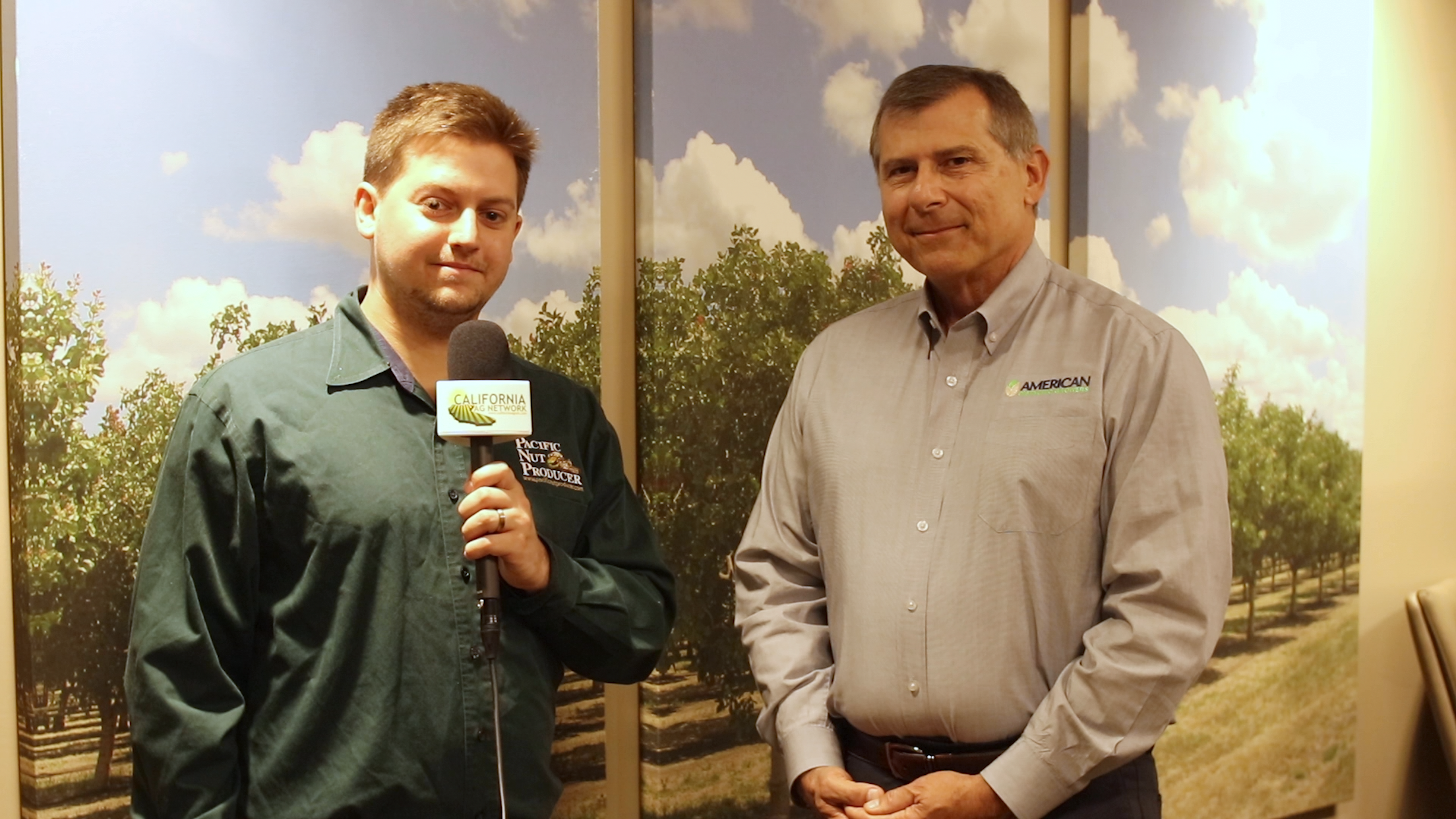
    As U.S. Pistachio growers anticipate a larger crop this season, watch this brief interview with Richard Matoian from American Pistachio Growers on just how large a crop may come to fruition this season, as well as some great news on the rise in pistachio export shipping trends.  Read more about it in Pacific Nut Producer Magazine. (Editor’s Note: We are pleased to announce an additional news anchor, Joseph Malcolm, debuted in this video report)

    Please thank this video’s sponsor Thunder Creek Equipment for their industry support.

  • Walnut Production & Consumption in Ukraine Falling

    Walnut Production & Consumption in Ukraine Falling

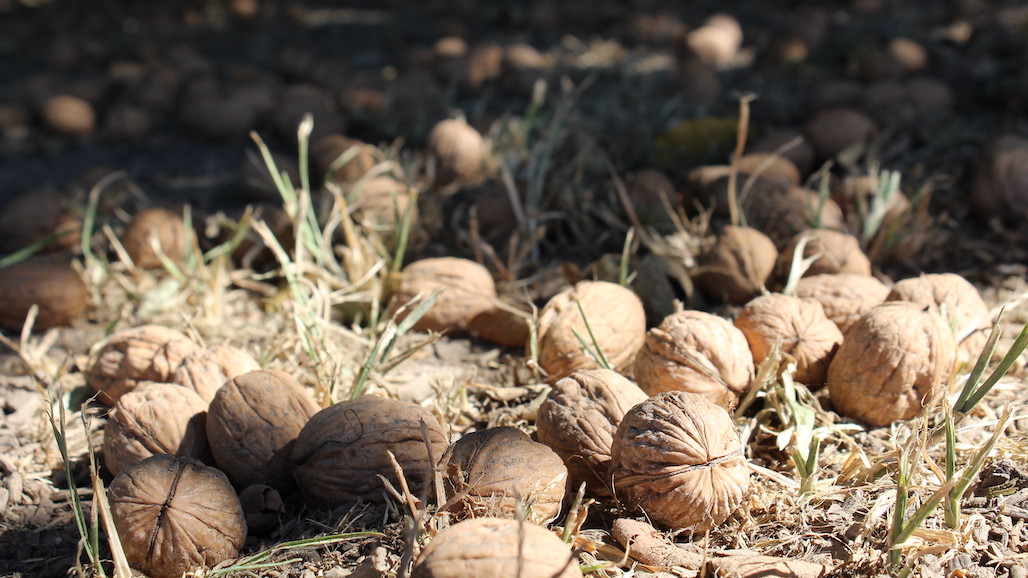
    The USDA Foreign Agricultural Service (Post) forecasts Ukraine’s walnut production at 106,500 metric tons for marketing year (MY) 2023/24, similar to MY2022/23. Production fell in 2022 because some production areas are currently in occupied territory at the time of the report writing. Exports are slow, plagued by quality issues, constrained logistics because of armed conflict, and growing competition in international markets. Domestic consumption of walnuts is a mixed bag. The number of refugees that left the country is pushing it down while lowering consumption of imported tree nuts due to decreased disposable incomes by the population keeping it up. Ending stocks increased for each consecutive MY while domestic prices are sliding down.

    The State Statistics Service of Ukraine (SSSU) published official walnut production numbers for CY2022. The total walnut reported area is 17,100 ha, a 5.5 percent decrease compared to the previous CY. The main reason behind the area drop was the loss of control by the Ukrainian government over certain regions of Donetsk, Zaporozhe, Luhansk, Mykolaiv, Kharkiv, and Kherson regions, which were occupied as the result of the armed invasion by Russia, which started in late February 2022. Total walnut production is reported at 107,660 MT, a 6.7 percent decrease compared to the previous year. Post accepts these as MY2022/23 estimates.

    The MY2023/24 production number forecast is based on the following production area assumptions by Post:

    -A slight decrease in production area in the household sector as some trees are retiring out of production, and usually, households are reluctant to replace these with new ones.

    -There will be no increase in production areas by enterprises. Establishing new tree plantations is a long-term investment that seems especially risky during the active phase of armed conflict.

    The resulting MY2023/24 production area forecast is 16,900 hectares, a one-percent decrease compared to the previous MY.

    Below is a graph that depicts the Normalized Difference Vegetation Index (NDVI), a standardized measure of healthy vegetation. High NDVI values indicate healthier vegetation. Low NDVI values indicate low or no vegetation. Based on the year-to-year comparison of NDVI for Ukraine, presented below, FAS Kyiv would like to note that MY2023/24 growing conditions since June 2023 went below the long-term average (black line on the graph below) and started to resemble those observed in MY2022/23.

    The available information about subsurface soil moisture (see the relevant picture below) does not suggest improving growth conditions in the short term.

    Based on NDVI’s similarities with MY2022/23, Post forecasts MY2023/24 walnut production at 106,470 MT, similar to MY2022/23, with the potential to revise it downwards should the situation with soil moisture continue to deteriorate.

    Most walnuts harvested in Ukraine are produced by individuals or small private family farms, harvesting trees on their land or near their farms. This category of producers is not typically concerned with applying fertilizers and agrochemicals and uses manual labor for harvesting and shelling walnuts. Harvested walnuts are typically sold to intermediaries, who assemble batches designated for export.

    The production area farmed in such an extensive manner has decreased in the last several years. For CY2015, over 95 percent of the Ukrainian total walnut production area was on small, private, family farms. These farms represented 73 percent of the total Ukrainian walnut production area for CY2022. Post predicts this downward trend in walnut production on family farms will continue in the medium to long term as aging trees are losing their productivity and being chopped down. However, it should be noted that family farms still enjoy a dominant position in production volumes as they hold an absolute majority of the bearing tree area compared to industrial growers – 81 percent for CY2022.

    Since 2009, Ukrainian farmers have begun developing walnut orchards for commercial purposes. The average size of these commercial orchards ranges from 20 to 50 ha. Some regions, especially Central and Southern Ukraine, require irrigation to secure expected yields. At the same time, orchards in the northern part of Ukraine may experience lower yields because of the cooler climate. That is why around 30 percent of all commercial walnut gardens are located in the Vinnytsia region (Central Ukraine), according to SSSU data for CY2022.

    The growth in commercial production farms in pre-war years could be attributed to continued state financial support for orchard and berry producers (please refer to the Policy Section for more details) and the opening of the agricultural land market in Ukraine (see Policy Section). Industry reports note that farmers invested in developing high-yield commercial orchards of multiple walnut varieties, installing irrigation systems, and applying fertilizers. In southern Ukraine, seedlings could be planted in autumn, but in northern Ukraine, it is still advisable to plant in spring to avoid winter frost damage for newly planted trees. Walnuts are generally harvested from the end of September through the end of October.

    According to SSSU’s data, commercial growers did not plant new walnut orchards for CY2022, which indicates that professional growers are reluctant to get involved in long-term investments during the active phase of armed conflict with Russia. It should be noted that the initial investment required to establish an orchard range from $1,200 to $1,800 per ha. According to Post’s estimates (see PSD table at the end of the report), stocks are peaking because of export issues (see Exports Section). The wide availability of the product (including low-cost and low-quality generated by the households) is the main factor pushing down domestic walnut prices (see Walnut Export Prices Graph in Trade section). Subsequently, low prices are triggering a drop in profit margins of commercial growers, thus discouraging them from getting on board with the new investments.

    Tighter competition (both from domestic households and foreign competitors) forces existing commercial producers to become more efficient. According to a recent media report (in Ukrainian), one of the industrial growers, farming 91 hectares of trees, has purchased a tree shaker and harvester to speed up harvesting and be less dependent on the hired workforce. Specialization is one of the signs that Ukrainian walnut farmers have started perceiving it as their primary business.

    According to industry experts, the main body of existing industrial walnut orchards was planted 8-12 years ago with seedlings that would reach their full potential after ten years since they were planted. New walnut orchards can be expected to reach their full potential from four to five years after initial planting. FAS Kyiv notes that improvements in plant genetics may make walnut production more appealing for new companies considering entry into this business.

    Producers prefer Ukrainian-origin seedlings. However, due to increased demand and the inability of local seedling producers to meet the higher demand, some new seed varieties are imported from neighboring countries, like Moldova and Belarus, which feature similar growing conditions. Some growers are experimenting with imported seedling varieties to gain a competitive advantage in yield and quality. The Ukrainian State Registry of Plant Varieties (in Ukrainian) lists approximately 39 different walnut varieties in CY2023, allowing commercial growers to pick and choose commercially sustainable varieties in their area.

    Most of Ukraine’s household walnut producers do not treat trees for diseases. However, with more commercial walnut production coming online and taking over poorly managed and aging orchards, these newly established commercial producers reportedly pay greater attention to production technologies (beyond irrigation) to increase growing efficiencies. For example, these growers are researching ideal growing areas, investing in nurseries to improve genetic stock, and applying fertilizers and pesticides to their orchards.

    Sorting is predominantly done manually to ensure the quality and consistency of the product batches. Walnut production in Ukraine is still mainly a labor-intensive business, with most walnuts harvested by hand or rudimentary nut-picking devices in family farms used by the previous generation of growers. According to industry sources, family farms are known for their product’s unstable quality, pushing them into the low-level segment among foreign buyers.

    According to industry reports, commercial walnut production yields have increased, as well as the quality of their product. The majority of farmers did not initially consider installing shelling equipment at the stage when they were establishing their orchards. It happened because they relied on the opinions of suppliers of walnut seedlings, who were promising unrealistically high prices for in-shell walnuts to benefit their sales. Commercial growers ended up directly competing with family farms, which naturally had lower production costs and thus could sustain lower asking prices in the in-shell walnut market.

    Recognizing the price spread between shelled and in-shell walnuts (see Walnut Export Prices Graph in Trade section), the most advanced walnut producers started purchasing a wide range of equipment, allowing them to shell and pack their product to avoid competition at the crowded, low-end in-shell market. According to industry experts, the average conversion rate between shelled to in-shell walnuts in Ukraine ranges between 33-38 percent. This ratio is expected to improve in the future with the development of commercial production. Conversion rates for the recently established walnut orchards average around 55 percent. However, the share of these plantations is still relatively small, so the impact on the national average is minimal.

    The latest trend is that farmers started applying for long-term banking credits to establish vertically integrated production clusters, including an orchard, a processing facility with a packaging unit, and a certified quality control lab. For example, a walnut producer received a $15 million credit payable within seven years issued by the state-owned UkrExim Bank (in Ukrainian) in CY2021. Post is not aware of any similar investments for CY2022.

    Another part of the business for commercial growers is walnut wood, used for local furniture manufacture. Additionally, some wood is exported. Commercial walnut growers plant other trees during orchard development to harvest wood after a few years.

    Other products related to value-added walnut production are treated leaves for medicinal use and walnut (green/young nut) preserves. In recent years, Ukrainian consumers’ demand for walnut oil has increased, primarily from EU importers. There is also some domestic demand for walnut oil as a critical ingredient in the premium segment of natural cosmetic products.

    Continue reading the full report from USDA-FAS HERE.

  • Legendary Civic Leader, Philanthropist & Almond Grower Donnie Joe Huffman Passes

    Legendary Civic Leader, Philanthropist & Almond Grower Donnie Joe Huffman Passes

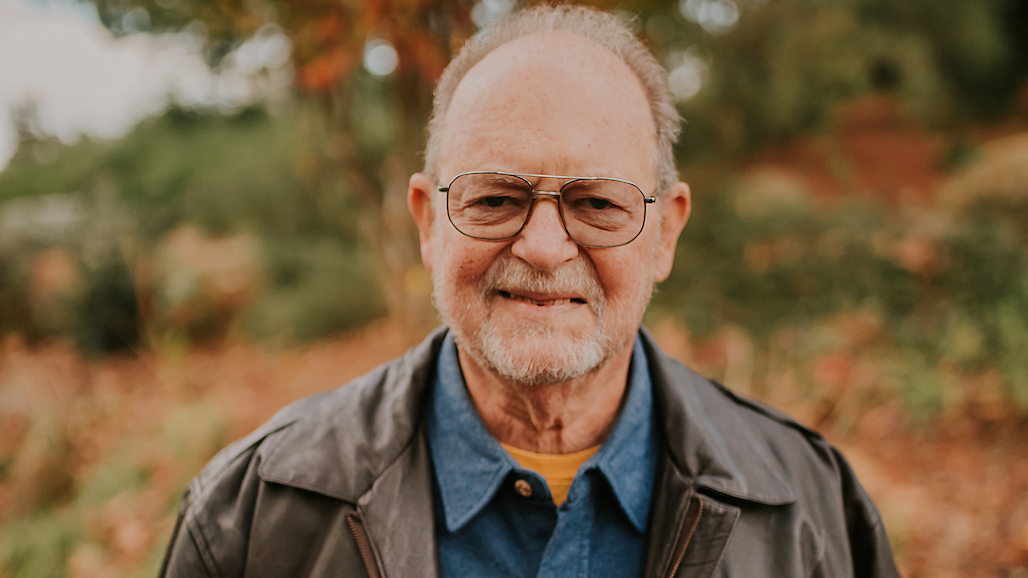
    Donnie Joe Huffman of Vacaville,  a legendary volunteer and civic leader,  champion of agriculture, and a dedicated philanthropist, passed away peacefully at his home on June 17, 2023, surrounded by family. He was 83, but as a Leap Year baby–born Feb. 29, 1940 in Thayer, Mo.– he was 20.

    A former governor of the Kiwanis Club, District 8, Donnie served as president of the Vacaville Chamber of Commerce and chaired both the Vacaville Fiesta Days Committee and the Vacaville Onion Festival. He founded and directed the Friends of the Solano County Fair, and the Friends of the Dixon May Fair, leading the two organizations to provide more than $270,000 in college scholarships for Solano County residents majoring in agriculture.

    Donnie was the second of five children born to James Elmer “Pete” and Minnie Swope Huffman. In 1942, his parents, grandfather James Thomas Swope, and his siblings Gertie and Virginia, left Thayer, Mo.,  in a flatbed truck to relocate to Solano County.  During the 2,000-mile trip, Donnie and Gertie sat cushioned between boxes in the truck bed, while the baby, Virginia, rode in front with the adults.  Two more children, Bobby and Sharon, would be born in California.

    Donnie remembers that their first home, in Cordelia,  was a “one-bedroom home with dirt floors.” The Huffmans worked at the Monez, Oberti, and Lanza family ranches in Suisun Valley.

    Donnie attended Armijo High School, Fairfield, and as a teenager growing up in the 1950s, enjoyed dancing, cruising and hot-rodding at M&M Skateway in Suisun, Sid’s Drive-In in  Fairfield, and Dream Bowl in Napa.

    He was known as a diligent, industrious and “get-er-done” worker throughout his life. As a youngster, he shined shoes in downtown Fairfield, and labored in fruit orchards in Suisun Valley, giving half his wages to his then single mother. As a teenager, he worked at service stations owned by Rudy Ramirez and Joe Danboise, at Hyde’s Department Store, and at Hannigan Soda and Donut Shop, Fairfield.

    Donnie began his automotive career in 1958 at Digerud Auto Parts in Fairfield and then Ghilotti Brothers in San Rafael before managing Digerud Auto Parts, 349 Merchant St., Vacaville, from 1965-1968.

    Donnie married his sweetheart, Claudia “Tootie”  Bergmann in 1960. They raised two children, Shelli and Don Jr. The couple celebrated their 63rd wedding anniversary on April 16.

    Donnie and Tootie purchased Digerud Auto Parts of Vacaville in 1968, renaming it Don’s Auto Parts. In 1972, they relocated the business to 749 Mason St, Vacaville, operating it until 1995. His employees fondly nicknamed him “The Whip.”

    A genial leader, tireless volunteer and dedicated philanthropist, Donnie founded the Friends of the Solano County Fair in 1993, serving as its president until 2006; and founded the Friends of the Dixon May Fair in 2000, serving as its president until March 2023.   Donnie and Tootie spearheaded a college scholarship program at each of the fairs. Since 2000, the Friends of the Dixon May Fair alone has awarded a total of $248,750 to Solano County residents majoring in agriculture. In tribute to their work, the program was renamed the Donnie and Tootie Huffman Scholarship Program in 2022, and a $5000 scholarship to the top applicant bears his name.

    With Donnie at the helm of the Friends of the Dixon May Fair, the service-oriented and fund-raising arm of the fair, the Friends raised thousands of dollars serving beverages to fair attendees. The Friends donated the funds for college scholarships, buckles to award-winning exhibitors, and funded building and grounds improvements. Among the projects, valued in the millions: paving the midway and building the RV park, the Pig Pavilion, the Wine Pavilion, and the Friends’ Plaza.

    Donnie was a lifetime member of the Vacaville Museum (a bench in the courtyard memorializes the Huffmans’ 50th wedding anniversary). He was active in Vacaville Lodge 134 Masonic Temple, and the Independent Order of Odd Fellows, No. 83, as well as the 20-30 Club, Western Fairs Association, California Fairs Financing Authority, and the North Bay Stand Down

    An agriculturist with 50 leased acres of almonds, Donnie was active in the Solano County Farm Bureau. He was a longtime swine leader for the Town and Countryt 4-H Club and emcee of the wildly popular Dixon May Fair Hogcalling Contest, urging the hogs to go “hamward bound” and the callers “to bring home the bacon.”

    Like Will Rogers, who said “A stranger is just a friend I haven’t met yet,”  Donnie was known as “generous to a fault” and “someone who never tooted his own horn—he just got it done.” He enjoyed good times, laughter, traveling, crabbing, fishing, gardening, NASCAR races, and classic cars. His favorites included a ’52 Oldsmobile convertible and a ’56 Chevy.

    Surrounded by the love of his family and friends, he considered himself “the luckiest man in the world.”

    Donnie liked to joke about being a Leap Year baby. “I was three years old when I began working for Rudy Ramirez; 5 years old I when joined the Digerud Auto Parts and got hitched; 7 when I bought Digerud Auto Parts; 10 when I became a grandpa;18 when I became a great grandpa; and at 20 (in 2022), I’m almost of drinking age.”

    Donnie is survived by wife Claudia “Tootie” Huffman of Vacaville; daughter Shelli Huffman Vasquez (John) of Vacaville; son Don Huffman (Jennifer) of Napa; and sister Sharon Hulse of Fairfield. He is also survived by seven grandchildren:  John Michael Vasquez (Pamela), Mary Vasquez (Rene Pimentel), Jacqueline “Kristy” Vasquez (Sean Fuller), Sarah Lincoln (Kevin), Annabelle Rosenthal (Sam), Allie Huffman and Ava Huffman; and seven great-grandchildren Ciana Vasquez Pimentel, Alejandro Vasquez Pimentel, Hunter Lincoln, Dionicio Vasquez Pimentel, Kensley Lincoln, Amelia Vasquez Fuller, Penelope Vasquez, with an eighth (Baby Lincoln) on the way.

    Other family members include his brother-in-law Kenneth (Diane) Bergmann, sister-in- law Donna (Douglas) Moreau, brother-in-law Richard (Glynda) Bergmann, nieces and nephews; David (Renee) Palagi, Darien Bergmann, Karen Bergmann Purcell, Erin Stack, Sean Stack and Katy Bergmann, Erika Bergmann, great nieces and nephews; Megan Palagi, Chad Palagi, Amy Palagi and Amanda Purcell. Donnie also was a father figure and mentor to many, including David Bunge and Eric Baker.

    Donnie was preceded in death by his parents, James Elmer  Huffman and Minnie Swope Huffman Mulcahy; his sisters Virginia Sue Huffman and Gertie Palagi;  brother Bobby Huffman;  brother-in-law Ben Hulse;  nephew Frank Palagi; cousin P.J. Huffman;  mother-in-law Claudia Nelda Chaney, father-in-law Elmer Ralph Bergmann, and many aunts and uncles.

    In lieu of flowers, Donnie had asked that any memorial contributions be made to a favorite charity or to Friends of the Dixon May Fair, P.O. Box 6208, Vacaville, Calif. 95696.

    A memorial service will take place at 11 a.m., Tuesday, July 18 in the Rockville Stone Chapel, Rockville Cemetery, 4219 Suisun Valley Road, Fairfield, with burial to follow.

    A celebration of life—commemorating what would have been his 21st birthday—is set for 5:30 to 7:30 p.m., Thursday, Feb. 29 in Denverton Hall,  Dixon May Fair, 655 S. First St., Dixon.