Category: Industry News

  • New Technologies Featured at World Ag Expo That California Farmers Should Know About

    New Technologies Featured at World Ag Expo That California Farmers Should Know About

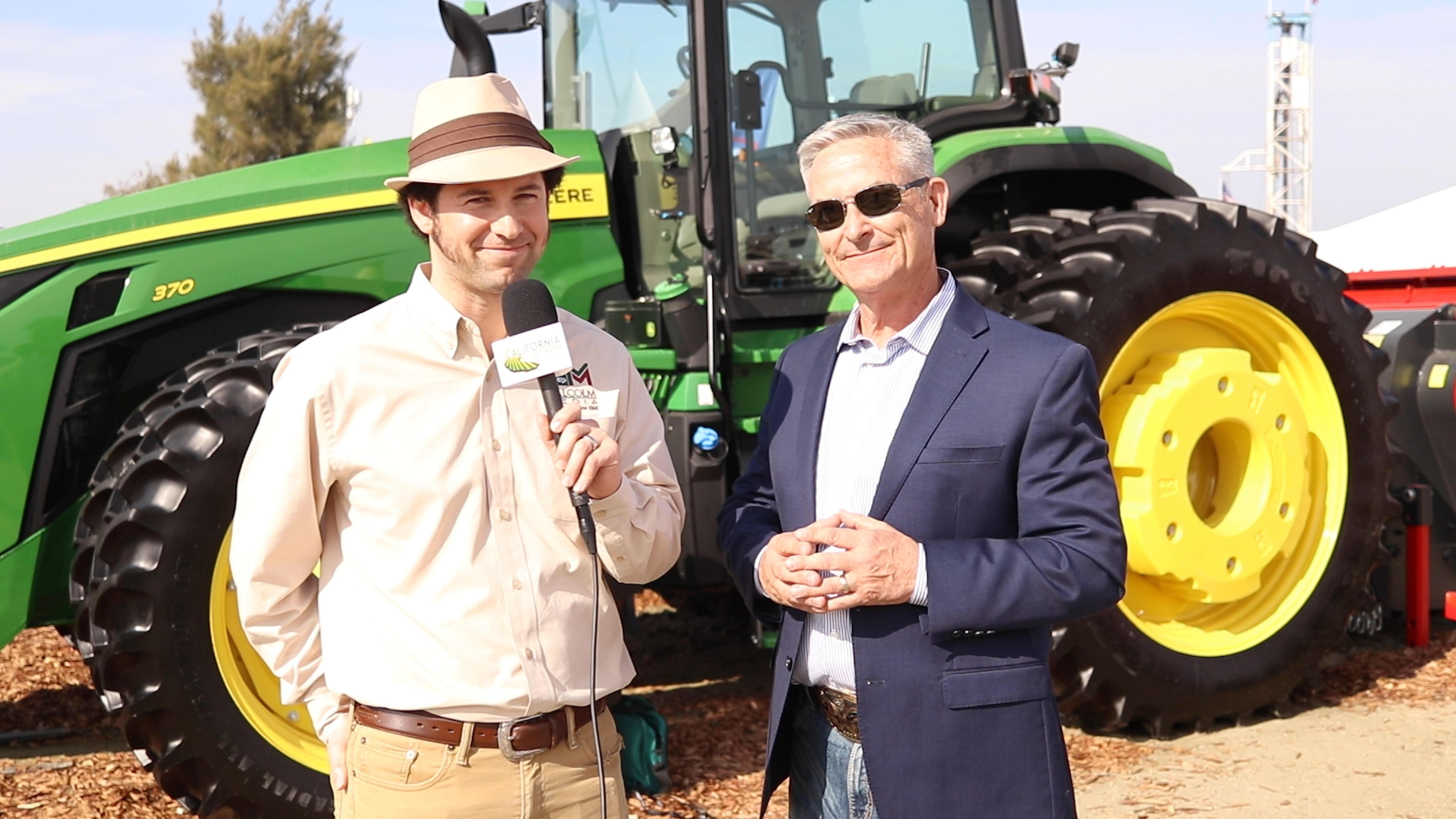
    Boasting over 100,000 attendees from 49 States and 81 countries, the World Ag Expo was another big hit this year.  With  a sea of vendors to navigate across the International Agri-Center grounds in Tulare, it’s hardly feasible for attendees to see it all.  Check out this brief video featuring several companies that Malcolm Media visited with during the event that shared some novel technologies and equipment to support and sustain California farmers needs well into the future.

    Please thank this video’s sponsor afimilk for their industry support.

  • North San Joaquin Valley Issued ‘AA’ BDO Zone Rating For Tree Nut Biomass

    North San Joaquin Valley Issued ‘AA’ BDO Zone Rating For Tree Nut Biomass

    BEAM Circular, the Almond Board of CaliforniaStanislaus County and Ecostrat are pleased to announce the issue of a rare ‘AA’ rating to the North San Joaquin Valley Bioeconomy Development Opportunity Zone centered in Modesto, CA, North America’s first BDO Zone rating for Orchard Biomass, Nut Tree Shells and Almond Hulls.

    The North San Joaquin Valley BDO Zone investment grade rating denotes ‘very high quality’ feedstock supply chains and infrastructure. The region exhibits a longstanding industry supported by 6,300 nut tree growers and suppliers along with a robust network of processors and separators of nuts from shells and hulls in concentrated locations. Decreasing local demand for local biomass along with significant quantities of feedstock currently available for the cost of transportation create ideal conditions for large-scale bio-project development. Significant infrastructure advantages include flexible zoning, access to natural gas, rail connectivity, and proximity to an extensive highway system.

    “The ‘AA’ rating for the North San Joaquin Valley’s BDO Zone is a testament to our region’s unique positioning for global leadership in the bioeconomy,” stated Karen Warner, CEO of BEAM Circular. “Local communities here are proactively investing in the infrastructure, partnerships, and innovation that will allow us to grow world-class bioindustrial manufacturing facilities in the heart of the most productive agricultural state in America. This region is ready to support and scale the future of sustainable bioproduction.”

    “Almond biomass is uniquely concentrated with well established transport systems. With this rating and the research investments made by the almond industry, we stand ready to partner with companies in bio-based industries,” said Josette Lewis, Vice President and Chief Scientific Officer of the Almond Board of California.

    “Rated for over a million tons of underutilized project-available feedstock, this first ‘AA’ BDO Zone rating for tree nut biomass underscores the high level of regional readiness for biomanufacturing within the North San Joaquin Valley,” said Jordan Solomon, Chairman of the BDO Zone Initiative. “The zone offers very low-risk supply chains and is positioned as a prime target for top-tier and innovative bio-based projects. The collaborative efforts of organizations dedicated to realizing this BDO Zone highlight the region’s visionary approach and the bold stance it takes in the global bioeconomy.”

    “Stanislaus County is proud to be investing in the growth of our region’s bioproduction leadership,” said Mani Grewal, Chairman of the Stanislaus County Board of Supervisors. “We are building upon our historic strengths in agriculture and manufacturing to grow the bio-based industries of the future. We welcome collaboration with new projects that create quality jobs and advance the economic vitality of our community.”

    To see the full BDO Zone Rating for North San Joaquin Valley please click here, or visit www.bdozone.org.

    About the North San Joaquin Valley

    The North San Joaquin Valley (NSJV) is the ideal location for scaling globally competitive biomanufacturing. The NSJV is a tri-county region of 1.6 million people consisting of Merced, San Joaquin, and Stanislaus Counties, located in the heart of the most productive agricultural land in the United States. A global leader in large-scale agricultural production and food processing, the region’s combination of existing manufacturing infrastructure and abundant biomass feedstocks are unparalleled. The NSJV’s proximity to the San Francisco Bay Area and regional centers of technology innovation gives it access to world-class biotechnology and advanced manufacturing innovation.

    BEAM Circular is building a vibrant regional ecosystem for the circular bioeconomy in California’s agricultural heartland. Anchored in the North San Joaquin Valley, the non-profit organization facilitates public-private collaboration through the BioEconomy, Agriculture, & Manufacturing (BEAM) Initiative to scale the most promising innovations in bioindustrial manufacturing and to advance solutions that support economic and environmental outcomes for local communities. For more information about BEAM Circular, visit www.beamcircular.org.

    About the Almond Board of California

    California almonds make life better by what we grow and how we grow. The Almond Board of California promotes natural, wholesome and quality almonds through leadership in strategic market development, innovative research, and accelerated adoption of industry best practices on behalf of the more than 7,600 almond farmers and processors in California, most of whom are multi-generational family operations. Established in 1950 and based in Modesto, California, the Almond Board of California is a non-profit organization that administers a grower-enacted Federal Marketing Order under the supervision of the United States Department of Agriculture. For more information about the Almond Board of California, visit www.almonds.com.

    About Stanislaus County

    Stanislaus County is located in the heart of the San Joaquin Valley, the geographical center of California. The county, with an economy and heritage deeply rooted in the agricultural sector, is quickly becoming one of the fastest growing regions of the state and a center of bioindustrial innovation. The bioindustrial manufacturing sector was identified as a strategic priority industry in the Stanislaus 2030 Investment Blueprint, and Stanislaus County provided seed funding to launch the BioEconomy, Agriculture, & Manufacturing (BEAM) Initiative in January 2023.

    About The BDO Zone Initiative

    The BDO Zone Initiative certifies regional readiness for bio-based manufacturing, creates global connections with project developers, and ignites an influx of clean energy opportunities.

    A BDO Zone rating is an internationally recognized standards-based technical risk assessment of biomass feedstock, supply chain, and infrastructure risk with respect to the development potential of new biofuel, renewable chemical, biogas, and bioproduct plants. Investment grade ratings attract new bio-based manufacturing plants to the areas where they are most likely to succeed – and create jobs.  To view all current and upcoming BDO Zone designations, visit www.bdozone.org.

    About Ecostrat

    Ecostrat is the North American Leader in supplying biomass due diligence for biofuels, renewable chemicals, biogas, and bio-product project development and finance. Ecostrat led the USDOE/BETO funded project to develop the new investment Standards and Ratings for Biomass Supply Chain Risk which were subsequently used in the development of the CSA W209:21 Biomass supply chain risk National Standard of Canada.

    Ecostrat’s Advisory Group combines the BSCR Standards with powerful predictive analytics to understand and minimize supply chain risk. Its Biomass Supply Group has 25 years of experience in sourcing and supplying more than 5 million tons of biomass feedstock for bioenergy, biofuel, and biochemical projects across North America. For more information about Ecostrat, visit the company’s website at www.ecostrat.com.

  • Efficacy of a Hull Split Spray vs. Sanitation for NOW Control

    Efficacy of a Hull Split Spray vs. Sanitation for NOW Control

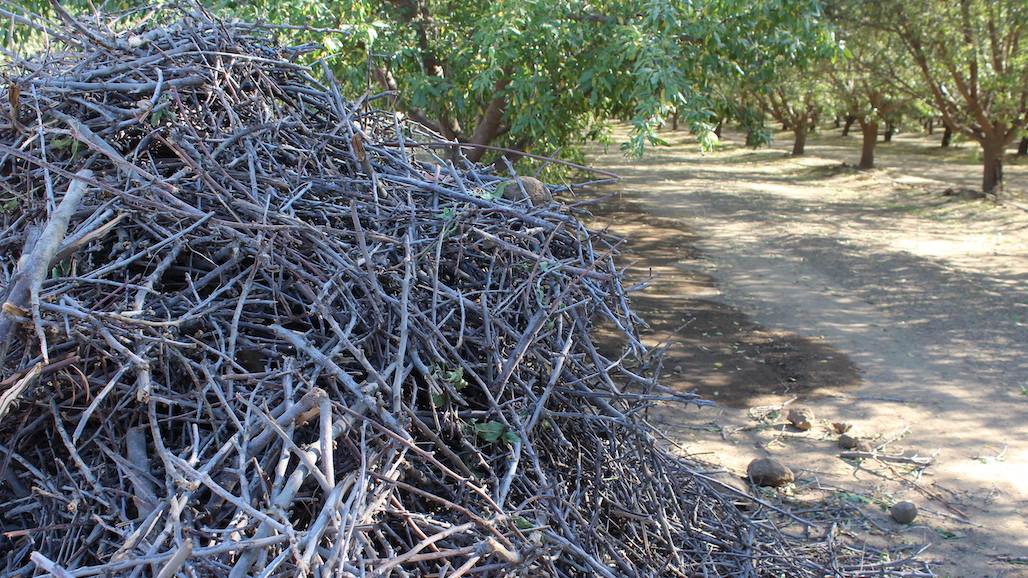
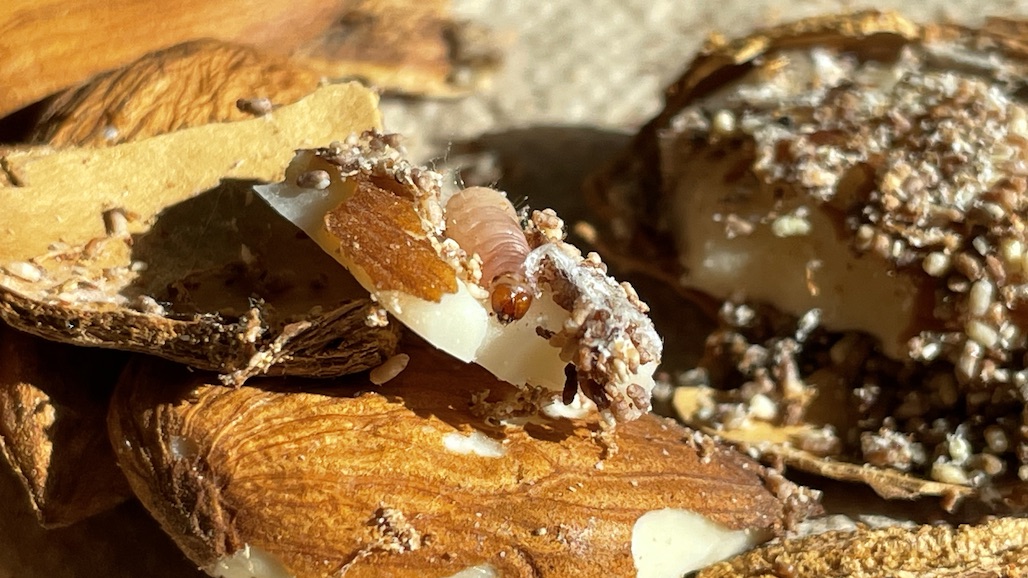
    Navel orangeworm (NOW) is most effectively controlled with the cultural practice of winter sanitation. Winter shaking almond trees to remove mummy nuts has proven to decrease next year’s NOW damage better than any other approach. The reason for this is clear. NOW overwinters as larvae in mummy nuts left in the tree after harvest and it is in these nuts the population carries over into the next season. Adult moths emerge in spring, mate, and lay eggs on mummies that are still in the trees as the females can’t find the new crop nuts until hull split. The second generation will then put direct pressure on the new crop nuts at hull split and the third generation will chew the nuts up during the harvest period.

    The way almond prices have been going recently, there’s no doubt that everyone is going to have to spend dollars as wisely as possible for the foreseeable future. Although cleaning the trees of mummies during the winter isn’t cheap, it is the method of NOW control where you clearly get the most bang for the buck spent. We’re really playing a numbers game here, and this is one practice that is stacked in our favor by the biology of this pest.

    For example, let’s assume a potential of 50 mummies per tree and 30 of them each have 1 NOW larvae. Half of those are female, and each female lays approximately 85 eggs. At harvest in late July we’re into the third generation, and for arguments sake let’s assume there’s no natural mortality.

    Look at what could theoretically happen to the worm population in one Nonpareil tree with 30 infested over-wintering mummies and no control:

    • 1st generation: 15 females x 85 eggs/female = 1,275 larvae
    • 2nd generation: 1,275/2 (half female) x 85 eggs = 54,188 larvae
    • 3rd generation: 54,188/2 x 85 = 2,302,990 larvae per tree at harvest!!!
                        (Thankfully, there IS natural mortality or else we’d be knee deep in worms!)
    Now, look at the impact of a hull split spray aimed at the second NOW generation. We know that sprays give at best about 60 percent control. This reduces the population but is not nearly as good as sanitation as you will see.
    • 2nd generation: 54,188 larvae x 40% survival after the spray = 21,675 larvae
    • 3rd generation: 21,675/2 x 85 = 921,196 larvae per tree to attack the crop at harvest.
    Now, look at what sanitation does in comparison. Start with the same 30 infested mummies per tree, then winter clean down to 2 mummies per tree. One is female, one is male.
    • 1st generation: 1 female x 85 eggs/female = 85 larvae
    • 2nd generation: 85/2 (half female) x 85 eggs = 3,613 larvae
    • 3rd generation: 3,613 larvae/2 x 85 = 153,531 larvae per tree at harvest.

    (If you can beat the 3rd generation by an early harvest you’re even further ahead.)

    So, a hull split spray reduced the worm population by 60 percent, but sanitation by itself, without spraying, reduced the population by 94 percent! When more NOW larvae make it through the winter, more egg laying will occur next season regardless of what else you do. In relation to the number of mummies left in the tree, expensive chemical treatments next season will only slow the rate of worm damage increase.

    If you have scarce dollars to spend on NOW control, spend them this winter when they will do the most good in a sanitation program. If the entire neighborhood works at this, the positive effect will be multiplied many times over for everyone. If you’ve got neighbors that don’t seem to get it, cleaning your orchard will still be a tremendous help to you. If you have no mummies, the first generation in the spring won’t be able to build up and establish a population in your orchard. You’ll benefit since they’ll have to fly in from the neighbors after hull split before they can begin to hurt your crop.

    Be sure to finish the job by destroying the infested nuts once they’re on the ground. Mow and shred the mummies before March 1st so NOW moths don’t have a chance to emerge. When you’re enjoying mowing during bloom in the spring, take personal satisfaction in seeing the chips and pieces of almond fragments and mangled worm parts fly out from under your mower! — By Joseph Connell, UCCE Farm Advisor Emeritus, Butte County

  • 2023-2024 Winter Chill, Dormancy & Walnut Management Update

    2023-2024 Winter Chill, Dormancy & Walnut Management Update

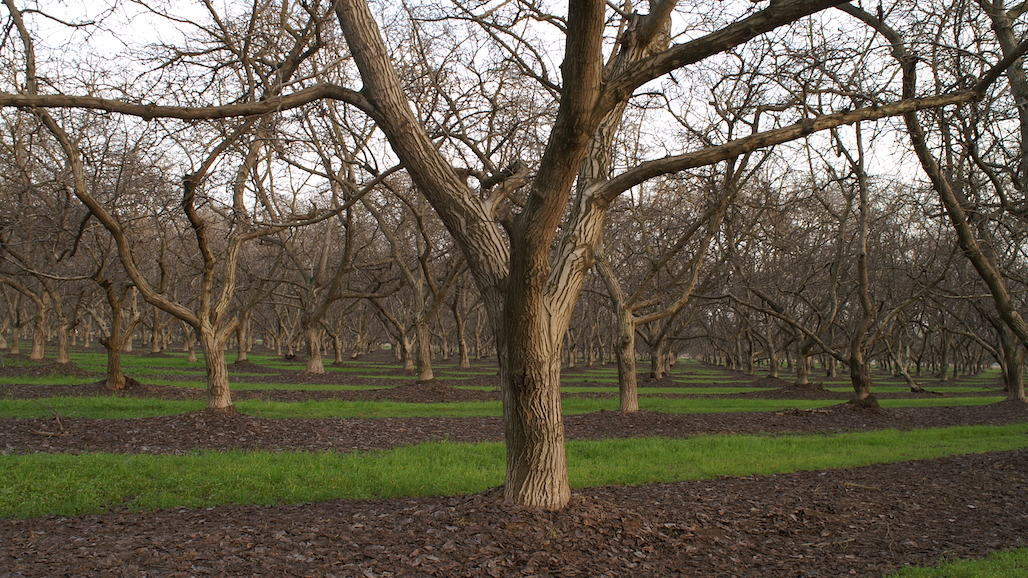
    Walnuts are one of the highest chill requirement tree crops in California. Though it’s easy to forget given the luxuriously high amounts of chill last year, multiple recent winters have fallen short of the chill accumulation needed for a tight, economical walnut bloom (e.g. 2014, 2015, 2020). Inadequate winter chill accumulation can result in delayed budbreak, scattered or prolonged budbreak and buds on southern sides of branches never opening. Prolonged bloom can result in a wider variety in nut sizes, more small nuts, and multiple shakes, while also complicating timing of control measures for blight or husk split pests. In the next 20-40 years, Central Valley walnut orchards will get 14-20% less winter chill than in the 1950s when many of our grandparents were farming. Anecdotal experience suggests the chilling requirement for ‘Chandler’ is around 60-65 chill portions as quantified by the Dynamic Model. Given decreased chill projections it is likely that currently planted ‘Chandler’ orchards will not meet their chilling requirement in at least one out of ten years in most of the Central Valley in the coming decades, if left to their own devices. While we wait for high quality lower chill varieties to develop, how can walnut growers manage the chilling requirements of the orchards in the ground now? This has been the topic of many recent years of UC research with funding from the California Walnut Board and the California Department of Food and Agriculture.

    Looking at a sampling of four CIMIS weather stations using the UC Fruit & Nut Center chill calculator tool, on average the Sacramento Valley has accumulated 41 chill portions to date (written January 14th). This is about 20% below last year, and more in keeping with the winter of 2019-2020. While 2019-2020 was a low chill accumulation winter, that was due in large part to a fairly warm February. Thus, it’s too early to say if this is a year in which dormancy breaking treatments would be beneficial. Keep an eye on the UC Fruit & Nut Center’s chill calculator. Nonetheless, it’s good to be aware for future winters that there are options in the toolbox.

    For three winters, we have been studying the impact of a number of dormancy breaking treatments to give growers tools to deal with low chill winters (see here for more detail on previous years). Rather than wait for low chill years to come along, we’ve created warm winter conditions in large, open-top chambers that we’ve built around mature Chandler trees at the UC Davis campus. These trees were coupled with unheated trees that got sufficient winter chill. Approximately 30-40 days before (what we hoped would be) budbreak, dormancy breaking treatments were applied to different scaffolds in each tree. We then monitored budbreak over many weeks to quantify timing of 50% budbreak, the duration of budbreak and the percent of buds that opened on a scaffold.

    Over the course of three years, we’ve tested hydrogen cyanamide, often marketed as Dormex®, a blend of nitrogen compounds marketed as Erger®, an analogue of the plant hormone cytokinin, marketed as Mocksi®, and calcium ammonium nitrate (CAN-17), all of which were compared with a water control. Dormex is the only one of these products currently labeled for use as a dormancy breaker in walnuts (see label for more use details). Erger and CAN-17 are labeled as fertilizers. Over the last two years (2021 and 2022), we found that at least in terms of budbreak timing, it appears Dormex at 2% and 4% and CAN-17 at 20% could prompt heated scaffolds to behave like they had received enough chill, whereas Erger at 6% only partially compensates for lack of winter chill. Dormex at 4% moved timing even earlier than the sufficiently chilled control, whereas Erger moved the timing but only about halfway between the timing of the heated control and the sufficiently chilled control. No effect was seen using Mocksi over two years.

    This previous winter-spring, we put Dormex at 2% and 4% head-to-head. Given that last year was a very high chill winter, it was hard to force insufficient chill accumulation, even with our heated tents. Ambient trees accumulated 78-82 chill portions, while heated trees accumulated 10-12% less, 69-74 chill portions. Both Dormex at 2% and 4% moved terminal and lateral budbreak timing on the heated trees to similar values as seen in the unheated control, in essence compensating for the chill difference. Dormex at 2% also increased the percent of buds that opened, to values as high (lateral buds) or higher (terminal buds) than the unheated control scaffolds. Budbreak percent was not different between Dormex at 4% and the water control within heated or unheated trees. In other words, under these conditions of 69-74 chill portions, it would not have been beneficial to use Dormex at a rate higher than 2%. However, even given this range of chill accumulation, which is considered sufficient, 2% Dormex increased lateral budbreak from 29% to 42% and terminal budbreak from 89% to 98%. That said, in unheated trees, which accumulated 78-82 chill portions, there was no significant increase in budbreak from Dormex use at either rate.

    With generous collaboration from two grower hosts, we also compared Dormex at both 2% and 4% and CAN-17 last year at a field scale, to be able to collect yield data, in addition to budbreak data. At one healthy orchard just a few years into its prime yielding years (10th leaf) near Glenn County, where 73 chill portions accumulated (similar to heated trees on campus), we saw the same change in budbreak timing (3 days earlier) across each treatment when compared to no treatment. This did not lead to significant differences in yield, contrary to what the increased percentage of budbreak in the campus heated tented trees might have led us to expect. Yields ranged on average from 6,240-6,690 lb per acre across treatments. Across size quality measurements (percent jumbos, large, average nut weight, edible yield), nuts from the Dormex treatments were not significantly different from the control, though relative to the control nuts, the CAN-17 treatment had a lower average percentage of large and jumbo nuts (52% v. 64%) and lower average weight (9.15 g v. 10.09 g). There were no differences in color quality as measured by reflected light index (RLI) among any of the treatments.

    At the Chandler orchard at the Nickels Soils Lab, where 82 chill portions were accumulated (similar to unheated trees on campus), there was a small but significant change in timing of budbreak in each treatment relative to the control (3 days). Surprisingly, however, there was also an increase in yield in the 4% Dormex treatments relative to the control, yielding on average more than 1,400 lb more per acre (5,216 lb vs. 6,857 lb). The average yields in the Dormex at 2% treatment and the CAN-17 treatment were also numerically higher than the control (1,019 lb higher and 719 lb higher, respectively), but there was a great deal of variability in different replicates, making it difficult to statistics to decipher if yield differences can be attributed to the treatments. There were no differences between any of the treatments and the control treatment across size quality measurements (percent jumbos, large, average nut weight, edible yield) or color quality (RLI).

    It is perilous to draw conclusions about dormancy treatment efficacy at a field scale based on one high chill year’s data. The difference in yield effects at the Glenn County orchard and Nickels Soils Lab is intriguing. The Nickels site is an older orchard at a tighter spacing, suffering from significant limb dieback from shading coupled with Botryosphaeria infections. One possible explanation for the yield difference would be that the Nickels site benefitted from treatments that encouraged additional budbreak, whereas at the healthy, high yielding Glenn County orchard there was already sufficient budbreak without intervention. Knowing that June drop generally reduces cropload, it’d make sense that increased budbreak, as we saw in the campus trees with 2% Dormex, would not necessarily lead to increased yield. Given high chill accumulation in healthy orchards, dormancy breaking treatments are unlikely to pay for themselves at current walnut prices. If chill accumulation is lower than ~60 chill portions, our heated tent data indicates they may pay for themselves, but we’ll need yield data at production scale to know for sure. The Nickels results point to the possibility that dormancy breaking treatments may be of use in orchards with limb dieback. At the same time, we need to be cautious to watch for swings in yield this coming year that may result from over-taxing the already struggling trees. Particularly given how tight walnut budgets are these days, I’d wait for more data before trying out this orchard-renewal strategy at a large scale if I were a grower.

    We’ll continue this project with funding from the California Department of Food and Agriculture to improve understanding of ideal rates and timings, and the physiological response to these treatments inside the trees. Stay tuned! — By Katherine Jarvis-Shean, Orchard Systems Advisor UCCE Sacramento-Solano-Yolo

  • Preventing Bacterial Blast Damage in Almond This Year

    Preventing Bacterial Blast Damage in Almond This Year

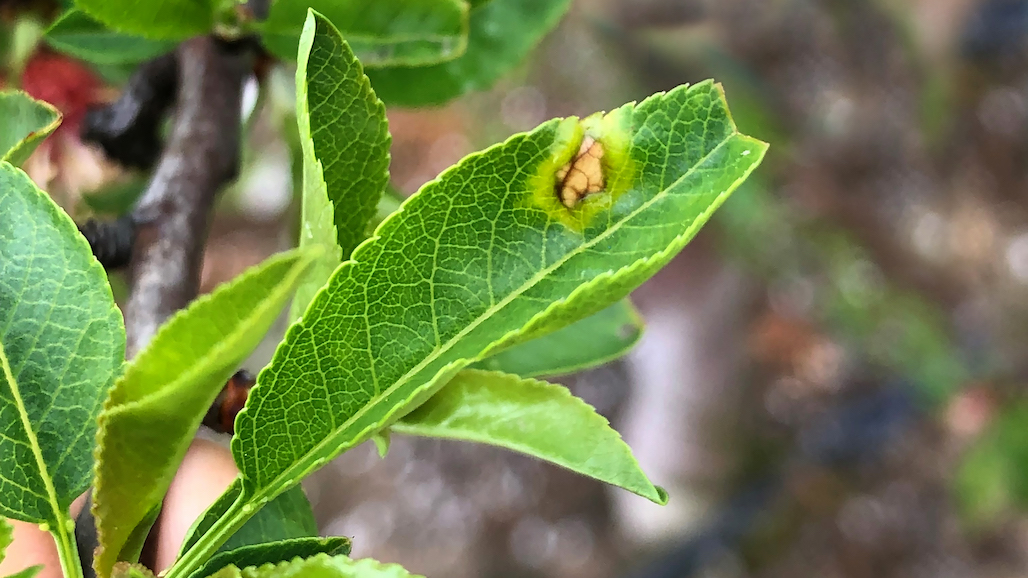
    In 2023, the cold, wet weather during bloom and leaf-out resulted in bacterial blast damage in many Sacramento Valley almond orchards. If conditions this year are cold and wet during bloom, we may see a recurrence of blast: make a plan now to keep blast damage to a minimum.

    The Bottom Line:

    • Bacterial blast can be a problem when cold, wet conditions coincide with bloom or leaf-out.
    • Copper resistance is common in the pathogen: spraying copper is ineffective for preventing blast in many orchards.
    • Frost protection is the most economical prevention option and will help prevent damage from both frost and bacterial blast.
    • The antibiotic kasugamycin (Kasumin®) is effective for preventing blast when applied up to 7 days before cold, wet weather. It has received approval for availability this year under an emergency exemption registration (Section 18) but is not currently labeled for almond under a full registration (Section 3).The Details:

      Pseudomonas syringae pv. syringae (Pseudomonas) is a bacterium which can infect all aboveground parts of an almond tree. If leaves, flowers, or spurs are infected, the resulting disease is bacterial blast. Pseudomonas is ubiquitous in orchards, so bacterial blast is likely to develop whenever environmental conditions are cold and wet, which favors this disease. Pseudomonas is spread by water hitting the trees, either from rain or sprinklers. If this wetting occurs at the same time as frost damage, Pseudomonas can enter the tree through cells damaged by freezing. Trees are especially susceptible to frost damage during bloom and leaf-out, when tender new growth is exposed to cold temperatures.

      Preventing infection by Pseudomonas is the only way to control bacterial blast. Frost protection in an orchard is your best defense and your most inexpensive prevention strategy: if the trees are not damaged by frost, Pseudomonas will not be able to enter the tree to cause disease. As a second line of defense, research has shown that kasugamycin (Kasumin®) is effective for preventing bacterial blast when applied no more than 7 days before cold, wet weather. Note that kasugamycin is currently not labeled for use in almond, but has become available this season due to a Section 18 exemption. If the weather warrants treatment, kasugamycin can be used as a preventative spray up to two times during bloom. For this spray, complete coverage is crucial for control: all tender new growth must be covered in a protective layer of the antibiotic for it to be effective. Any tissue left uncovered will be unprotected.

      What about copper? Current work by UC researchers shows that copper-resistance is common in Pseudomonas throughout the state. Many of the orchards heavily affected by blast in 2023 received multiple dormant sprays containing copper. In some cases, mixing mancozeb with copper may provide some level of control, but research shows that this mixture is not as effective as kasugamycin and the copper can cause phytotoxicity. — By Jaime Ott, UCCE Tehama, Shasta, Glenn, and Butte Counties

      For more information on bacterial blast, check out these articles at sacvalleyorchards.com

      Bacterial blast/canker: What do we know? – an update on the factors predisposing orchards to damage by bacterial blast, and more details about control strategies for bacterial blast

      Bacterial Blast and Canker – a good description of the various symptoms seen with bacterial blast

  • Diamond of California® Debuts Crunchy Nut Toppers in Four Flavors

    Diamond of California® Debuts Crunchy Nut Toppers in Four Flavors

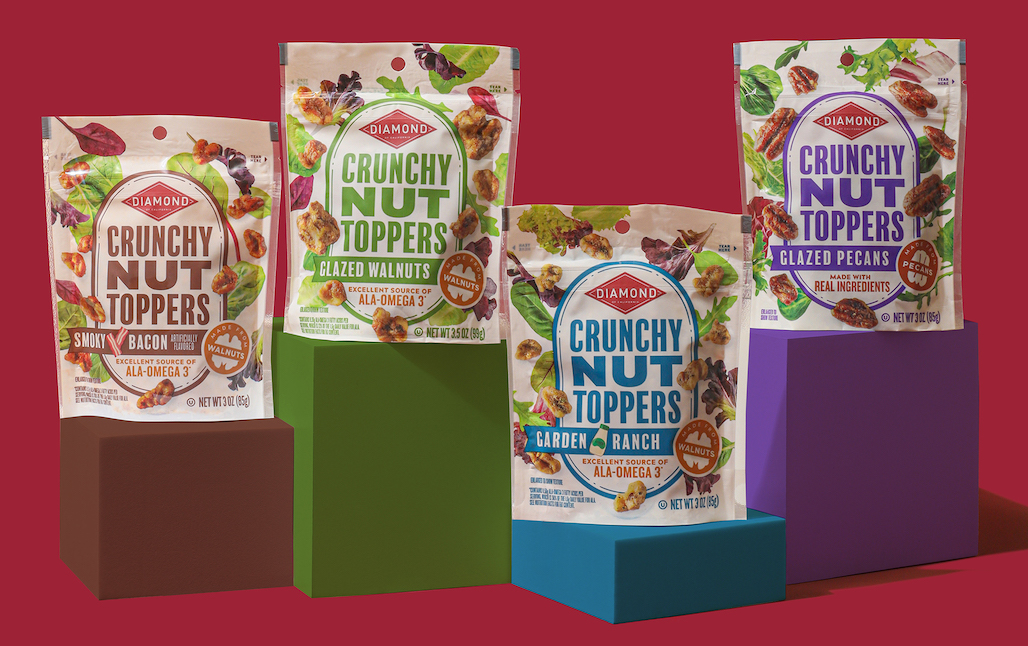
    Diamond of California®, the century-old producer of “Made for Homemade” specialty nuts and pioneer of nut-based culinary products like Snack Walnuts, Snack Pecans and Nut Pie Crusts, announces today the launch of its newest innovation, Crunchy Nut Toppers (SRP: $2.99/3oz). Crunchy Nut Toppers are made with bite-size pieces of nutrient-dense walnuts (an excellent source of ALA-Omega 3) and pecans, and are seasoned with simple ingredients to create a salad topping you can feel good about. Use them to add a crave-able crunch to salads, baked potatoes, veggie sides, and more. Crunchy Nut Toppers are available now online and in-stores nationwide in four flavors including bacon-free Smoky Bacon Walnuts, dairy-free Garden Ranch Walnuts, Glazed Walnuts, and Glazed Pecans.

    “At Diamond of California® we continue to use our walnuts and pecans to create innovative and functional products that make at-home meals effortless and delicious,” said Craig Tokusato, CMO of Diamond of California®. “We all know a little extra flavor and crunch elevates any dish so we hope this new line of ready-to-use Crunchy Nut Toppers inspires home cooks to make good food even better. We recommend using them wherever you might add bacon bits, crispy onions, or croutons.”

    Diamond of California® Crunchy Nut Toppers are now available nationwide on shop.diamondnuts.com and in the salad topper section of major retailers like, Food Lion, Winn-Dixie, Lowes Foods, Food City, Big Y, Gelson’s, Save Mart, Lucky, Food Maxx, and coming soon to Amazon. To learn more about Crunchy Nut Toppers and for more information on Diamond of California® visit their website or follow along @DiamondNuts on Instagram and Facebook.

    About Diamond of California®

    Diamond of California®, the century-old producer of specialty nuts, has worked with walnut growers since 1912, making the company one of the earliest pioneers of the farm-to-table movement. The company packages fresh walnuts, almonds, pecans and other culinary nuts in whole, sliced, diced, and chopped forms. Their most recent innovations, Ready-to-Use Nut Pie Crusts and Ready-to-Eat Snack Walnuts & Pecans, can be found in the baking and snack aisles respectively. Headquartered in Stockton, California, Diamond of California® is located in the state’s heartland, where most of its orchards lie. Diamond of California® believes that nuts make good food even better. That’s why they’ve offered fresh, high quality and great tasting nuts that are truly made for homemade, for over 100 years.

  • Tulare County Sheriff and Congressional Candidate Addresses Tree Nut and Beehive Theft

    Tulare County Sheriff and Congressional Candidate Addresses Tree Nut and Beehive Theft

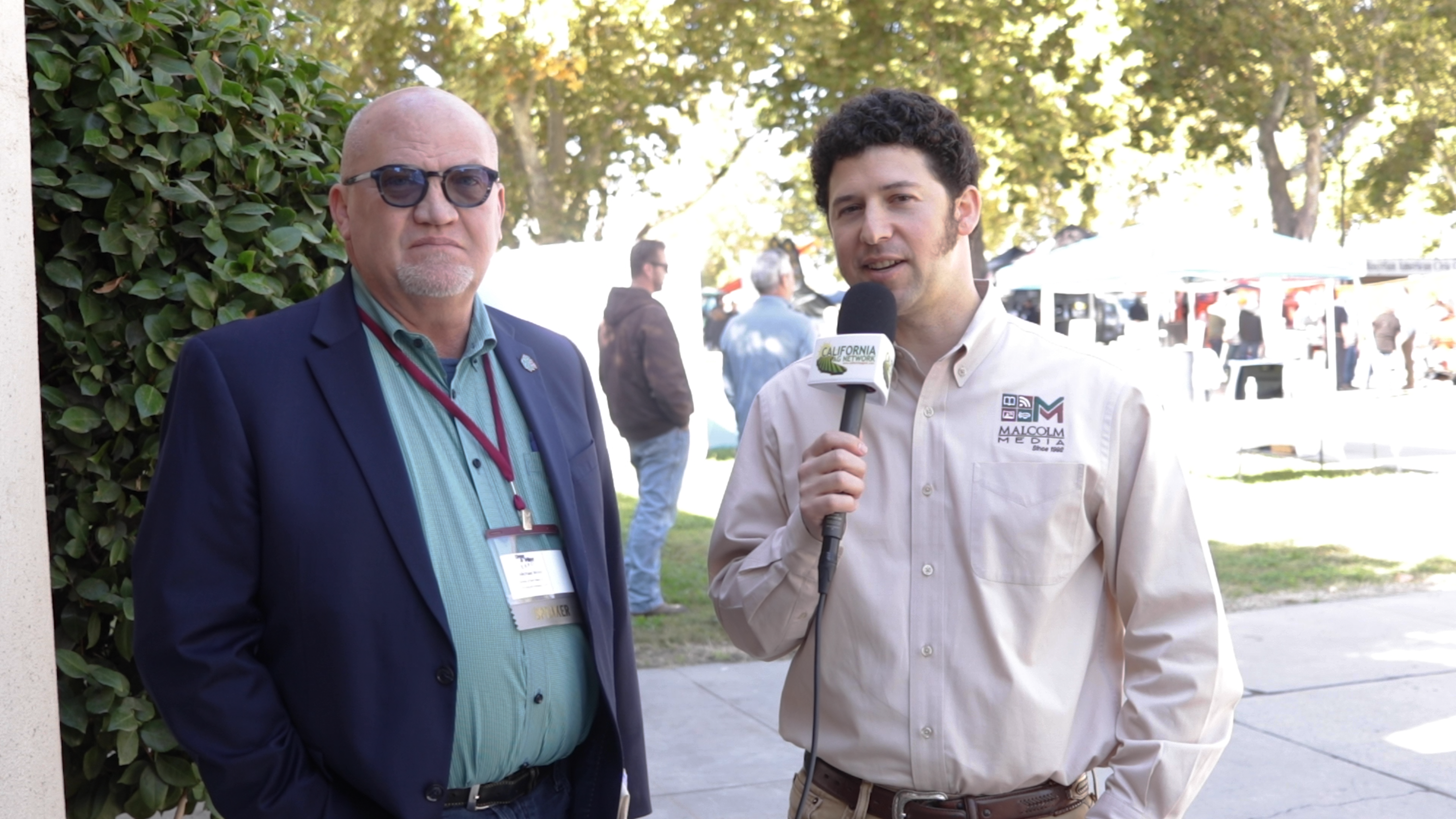
    As California almond orchards are coming to life again in beautiful bloom, most of the nation’s beehives have been strategically placed around orchards all over the state in hopes of a solid 2024 crop set.  Should growers be concerned about these hives disappearing overnight? Watch this brief interview Tulare County Sheriff Mike Boudreaux who addresses this, along with the historical issues of tree nut theft, and measures that have been taken to mitigate these problems. Boudreaux is also running for Congress, and he shared how he plans to represent California farmers if elected to the 20th Congressional District seat vacated by Kevin McCarthy.

  • Growth Opportunities for the Western Pecan Industry

    Growth Opportunities for the Western Pecan Industry

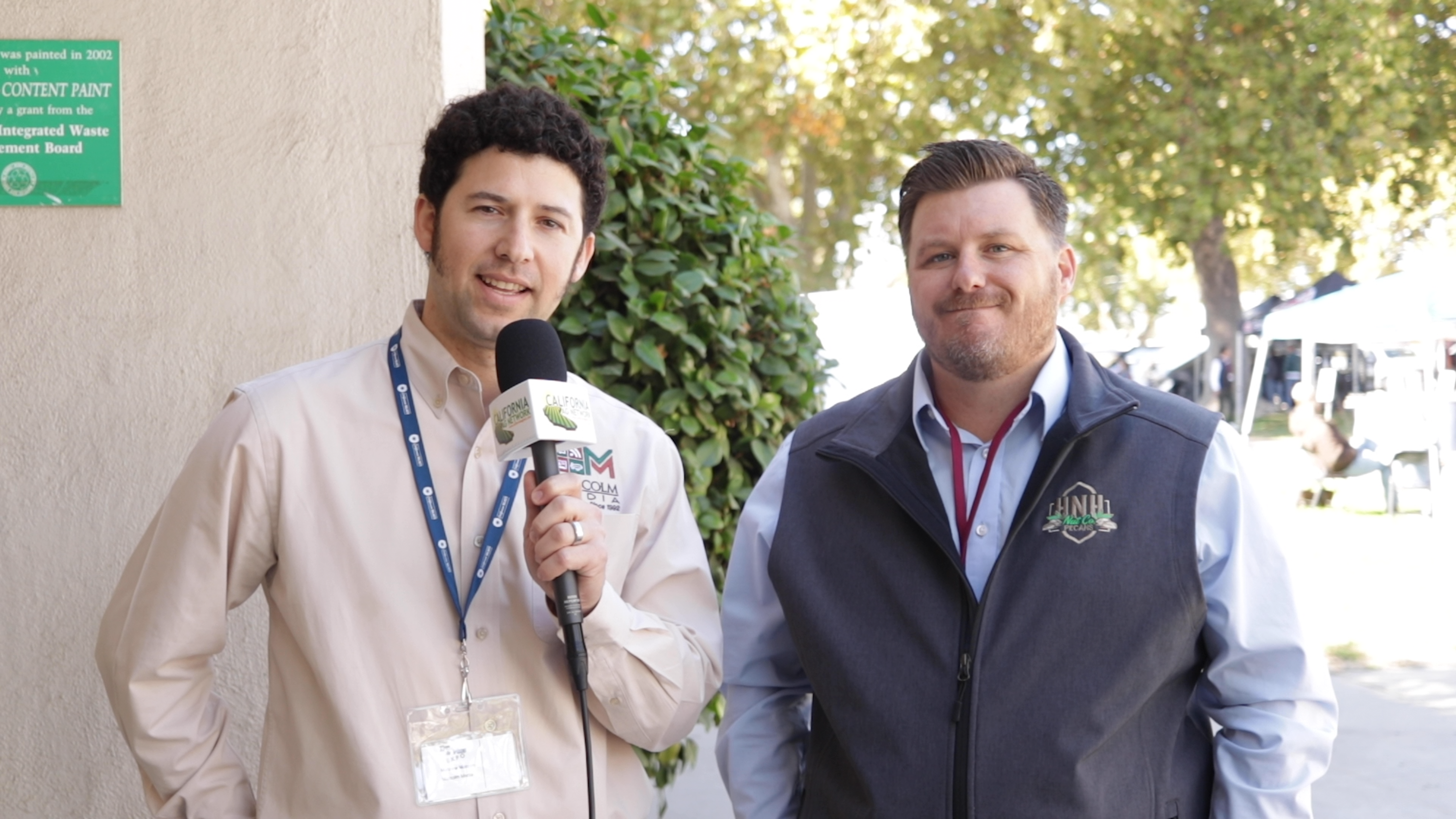
    While the southern states have historically led the nation in pecan production by far, acreage and production trends in the West are rising, according to California pecan grower/processor and American Pecan Council Board Member Blake Houston. Watch his video interview with Matthew Malcolm at the recent Tree & Vine Expo in Turlock, based on his State of the Pecan Industry presentation.  Read more about it in Pacific Nut Producer Magazine.

  • California Growers Celebrate Legislative Win Supporting Groundwater Recharge

    California Growers Celebrate Legislative Win Supporting Groundwater Recharge

    Last Fall, Governor Newsom signed SB 659, The California Water Supply Solutions Act of 2023, sponsored by the California Association of Winegrape Growers and the Regional Water Authority in Sacramento.  But what does this mean for California farmers implementing groundwater recharge practices in the coming months?  Watch this video with Michael Miiller from the California Association of Winegrape Growers to find out.

  • Hazelnut Market Improves, Oregon Growers Celebrate Higher Prices

    Hazelnut Market Improves, Oregon Growers Celebrate Higher Prices

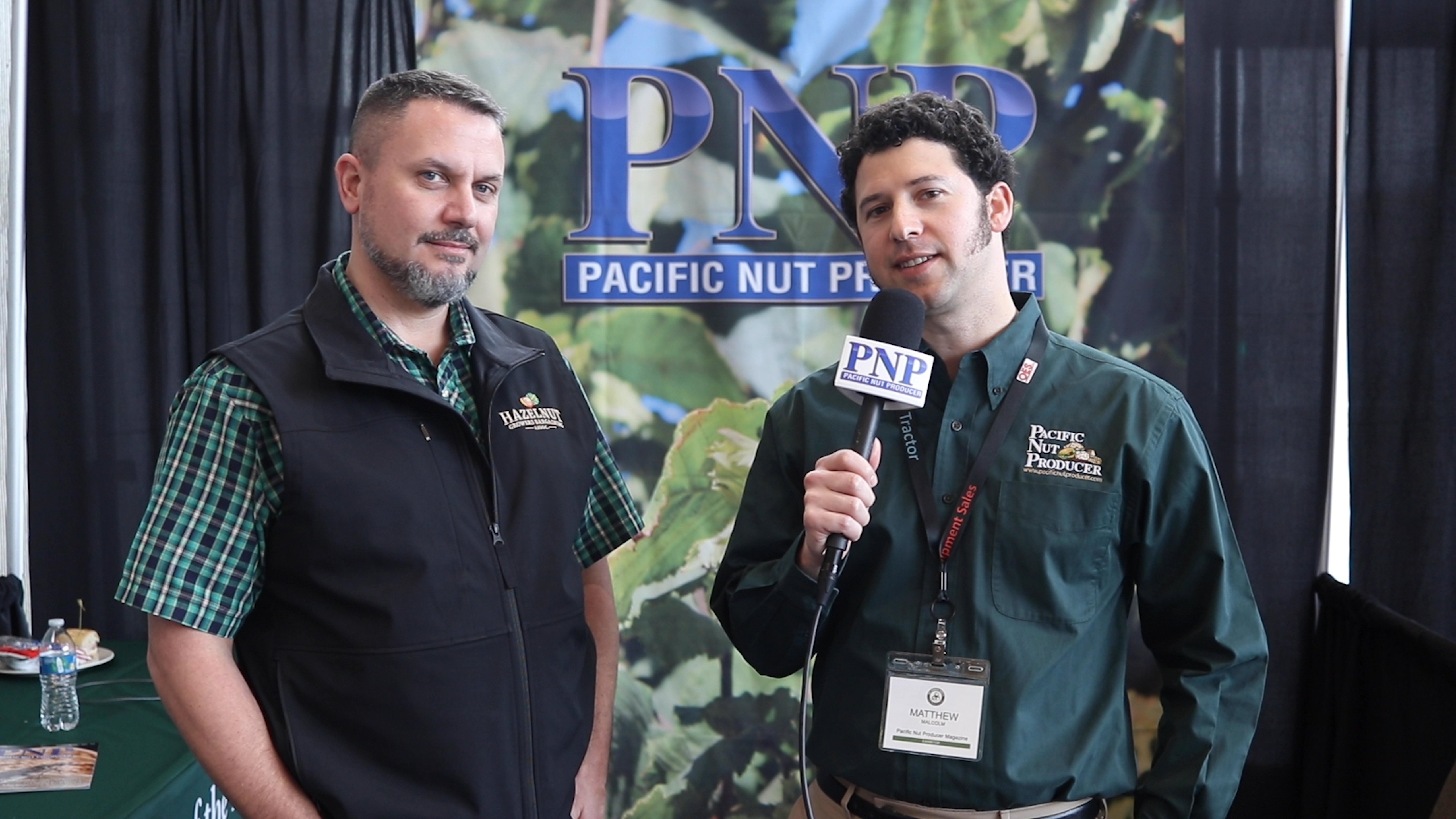
    Pacific Northwest hazelnut growers at the recent Nut Growers Society Winter Meeting were happy with the news of improving market conditions and prices for their 2023 crop.  Watch this brief video with Terry Ross from the Hazelnut Growers Bargaining Association for the specifics, and read more about it in Pacific Nut Producer Magazine.

    Please thank this video’s sponsor George Packing Company for their industry support.