Category: Industry News

  • Regulators Gain First-Hand Insight at Almond Board Environmental Stewardship Tour

    Regulators Gain First-Hand Insight at Almond Board Environmental Stewardship Tour

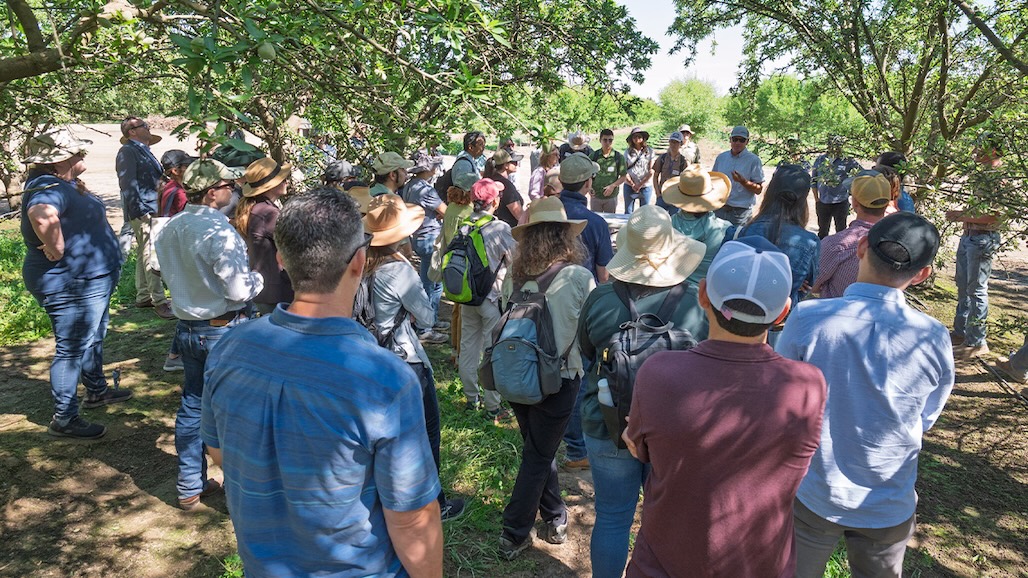
    Almond Board of California — More than 50 representatives from key regulatory agencies attended the Almond Board of California’s (ABC) annual Environmental Stewardship Tour on May 9, an initiative created over 20 years ago to provide policymakers with practical insights into almond farming and industry stewardship practices. This year’s tour took place at orchards owned by the Bowman family in Modesto, where attendees gained a direct view of daily farming decisions and innovative stewardship research.

    Garret Bowman, a fourth-generation almond grower, along with his sons, welcomed attendees and explained his approach to orchard management through the growing season. He covered essential practices for irrigation and nutrient management, pest control, varieties and rootstocks. Bowman’s Pest Control Advisor demonstrated equipment used for monitoring navel orangeworm flights. This demonstration illustrated the complexity and deliberate nature of pest management practices, highlighting the thoughtful decision-making process growers undertake to optimize both crop yield and environmental health.

    Abhijeet Kulkarni, ABC’s principal of technical and trade issues, described the significance of directly engaging regulators in orchard settings. “Fundamentally, it’s about outreach to various regulatory agencies that impact our industry,” Kulkarni explained. “Many of these decision-makers don’t have extensive backgrounds in agriculture, so this tour provides them with the context needed to fully appreciate what growers deal with on a day-to-day basis.”

    A key feature of the tour was a longer-term nitrogen research project led by UC Davis’s Dr. Thomas Harter, examining the impact of moving to high-frequency, low dose nitrogen applications on the potential for off-site movement of nitrogen. With 21 groundwater monitoring wells and sophisticated analysis of nitrogen movement, this multi-disciplinary research provides unique data on agricultural practices’ influence on groundwater quality and greenhouse gas emissions. And it is one of the few locations where current models of leaching are being fact-checked.

    UC Davis’s Thomas Harter describes his ongoing research on nitrogen application and leaching during the tour.

    Early findings indicate significant reductions in nitrogen leaching below the root zone, demonstrating the practice change not only improves nitrogen use efficiency, but can lessen environmental impacts. “This research allows regulators to see firsthand the industry’s proactive efforts to minimize environmental impact through scientifically informed practices,” Kulkarni noted.

    Following the orchard tour, participants gathered for lunch at Marlin Flory’s barn, where ABC staff, led by ABC’s Director of Environmental Policy Gabriele Ludwig, presented additional updates on current stewardship research and outreach efforts. This session sparked active dialogue, with regulatory staff posing thoughtful questions about irrigation practices, almond byproduct utilization, and other aspects of almond production.

    During lunch, ABC’s Gabriele Ludwig answers questions and informed participants of other stewardship research ABC is supporting.

    “Regulators asked insightful questions on everything from how growers choose almond varieties to irrigation technology and sustainability practices,” Kulkarni said. “For many, this was their first time in an almond orchard, and the experience clearly opened their eyes to the intricate realities growers navigate daily.”

    Attendees included senior staff from agencies such as the California Department of Pesticide Regulation, California Air Resources Board, California Department of Food and Agriculture, the head of USDA Natural Resources Conservation Service for California, and the head of Region 9 of the Environmental Protection Agency (EPA). By the following Monday, EPA officials in Washington D.C. had already heard about the value of the tour.

    “We can’t directly influence regulatory decisions,” Kulkarni concluded, “but through education and open dialogue, we can ensure decision-makers understand our industry’s proactive role in environmental stewardship.”

  • Input Requested for Deregulation of American Chestnut Developed Using Genetic Engineering

    Input Requested for Deregulation of American Chestnut Developed Using Genetic Engineering

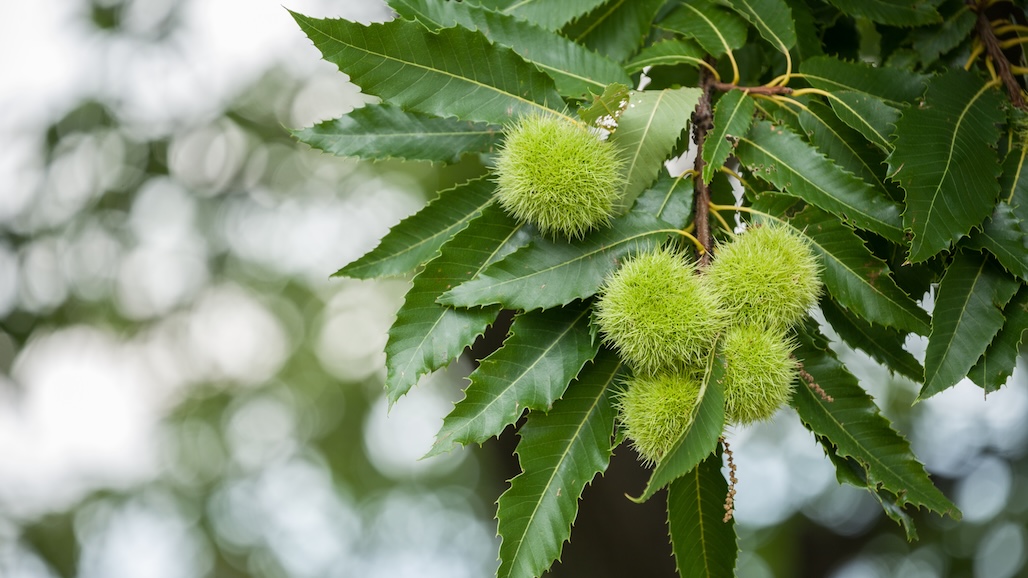
    The U.S. Department of Agriculture’s Animal and Plant Health Inspection Service (APHIS) is reopening public comment on a draft environmental impact statement (EIS) and draft plant pest risk assessment (PPRA) prepared in response to a petition seeking deregulation of an American chestnut variety, known as Darling 54. The State University of New York College of Environmental Science and Forestry (SUNY-ESF) produced this variety using genetic engineering for tolerance to chestnut blight.

    APHIS published the draft EIS for public comment on November 10, 2022. On December 12, 2023, SUNY-ESF informed APHIS that the plant tested was different than the plant listed in the petition. SUNY-ESF submitted a revised petition incorporating name corrections and providing clarification regarding the plant, additional updates and research findings related to molecular characterization, and other minor technical corrections.

    The Federal Register notice of availability of the draft EIS and draft PPRA can be viewed now on the APHIS News page. Beginning June 6, 2025, members of the public can submit comments for a period of 45 days through July 21, 2025, by going to www.regulations.gov and entering “APHIS-2020-0030” into the Search field.

  • Consider In-Orchard Shredding of Hazelnut Prunings

    Consider In-Orchard Shredding of Hazelnut Prunings

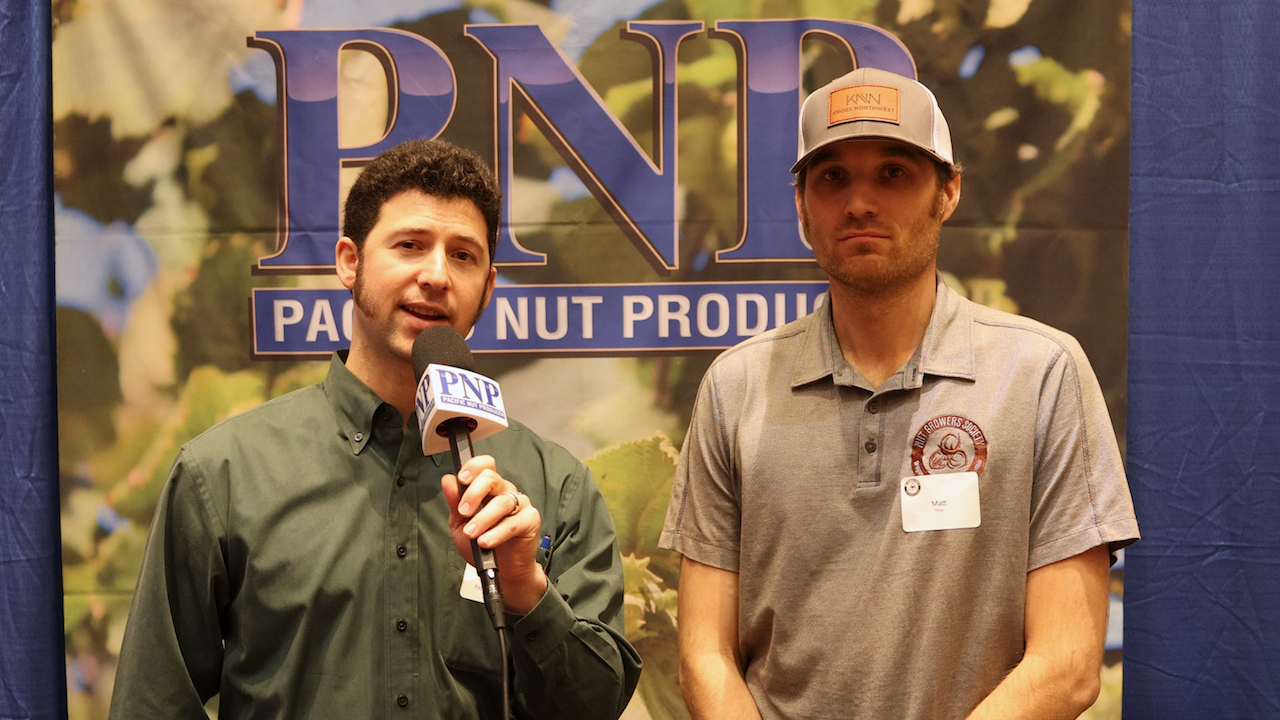
    Whether by hand or machine, pruning is a must for Oregon hazelnut growers; however, how to best get rid of the annual pruning debris is now up for debate. Pacific Nut Producer Editor Matthew Malcolm met with Oregon hazelnut grower Matt Schuster, who shared his experience with in-orchard shredding as his preferred method now for debris removal — a practice he stumbled upon some years ago — and the unique impact it has had on the farm.  Watch this brief interview and stay current on hazelnut industry news by reading your monthly issue of Pacific Nut Producer Magazine. Don’t currently receive the magazine? Subscribe for free at: https://malcolmmedia.com/subscribe/

    Please thank this video’s sponsor George Packing Company for their industry support.

  • How Farmers can Win in Sacramento

    How Farmers can Win in Sacramento

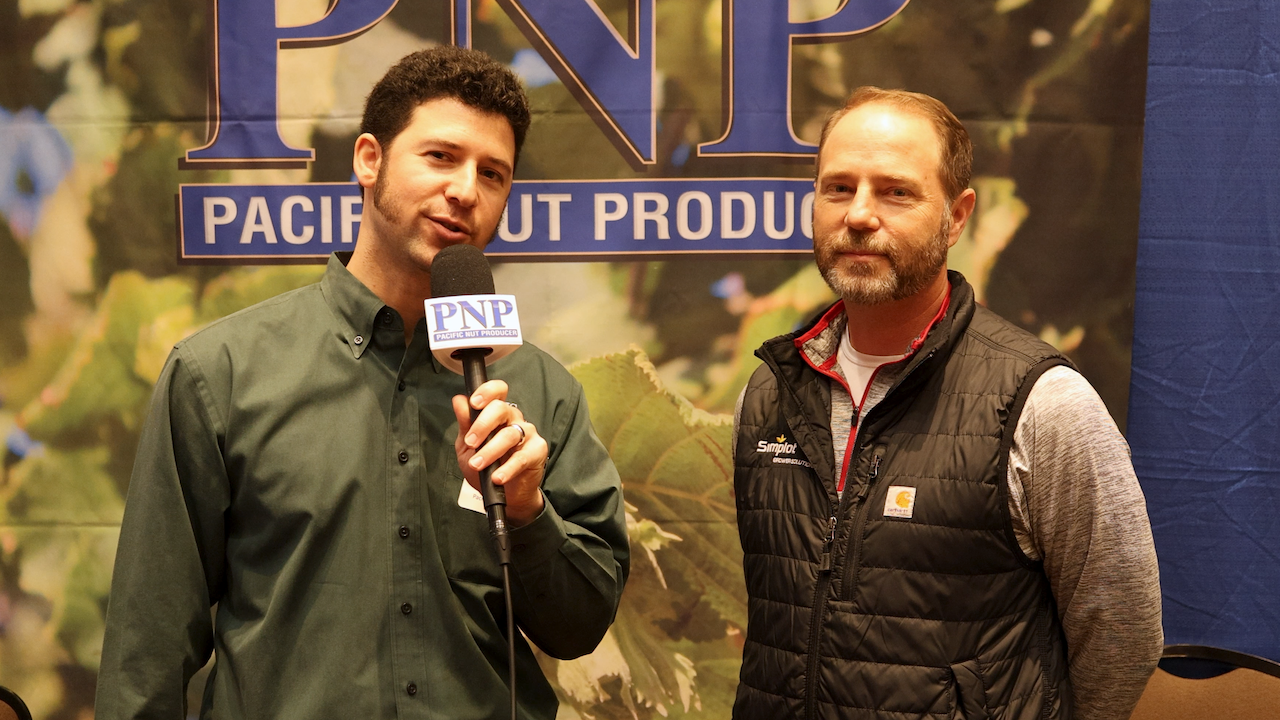
    California farmers are fed up with losing elections and poor representation in Sacramento. That’s why a number of agricultural organizations have combined forces to turn things around.  According to Darrin Monteiro of California Dairies, Inc., California agriculture can win in Sacramento and the time is now to rally together and invest in protecting our future in farming. Watch this interview with Darrin as he shares the mission of the Alliance of California’s Farmers & Ranchers, following a recent presentation with American Pistachio Growers’ Political Action Committee.

    Please thank this video’s sponsor SQM Specialty Plant Nutrition for their industry support.

  • Hazelnut Grower Shares Initial Experience with Cover Crops

    Hazelnut Grower Shares Initial Experience with Cover Crops

    Orchard floor management has been a longtime priority for hazelnut growers as well as other tree nut growers that mechanically harvest their nuts after dropping to the ground.  Smooth, level, bare, and debris-free have been the long-desired qualities for the orchard floor. The tide is turning though as growers are taking a greater interest in improving soil health and structure with cover crops. Pacific Nut Producer Editor Matthew Malcolm met with Oregon hazelnut grower Matt Miller as he shares his initial experience in transitioning his orchards to the use of cover crops.  Watch this brief interview and stay current on hazelnut industry news by reading your monthly issue of Pacific Nut Producer Magazine.

    Please thank this video’s sponsor George Packing Company for their industry support.

  • Four of the Biggest Challenges for California Tree Nut Growers also Bring Opportunities

    Four of the Biggest Challenges for California Tree Nut Growers also Bring Opportunities

    They say every cloud has a silver lining, and perhaps that could be said of the current market dynamics of the California tree nut industry. While the ominous clouds of tariffs, increasing regulatory burdens and limited water availability impact growers ability to farm everyday, there are opportunities that come with each of these challenges.  Watch this brief interview as Terrain Ag’s Specialty Crop Analyst Matt Woolf shares these opportunities with Matthew Malcolm on California Ag Network based on his recent presentation at the annual Convention of the Almond Alliance of California.

    Please thank this video’s sponsor SQM Specialty Plant Nutrition for their industry support.

  • USDA Secretary Rollins Supports U.S. Walnut Growers in U.K. Trade Mission

    USDA Secretary Rollins Supports U.S. Walnut Growers in U.K. Trade Mission

    The California Walnut Commission commends U.S. Secretary of Agriculture Brooke Rollins for her leadership and advocacy during last week’s trade mission to the United Kingdom, which highlighted significant opportunities for American agricultural exports.

    The mission – Secretary Rollins’ first since taking office – focused on advancing terms of a new U.S.-U.K. trade agreement aimed at reducing tariffs, eliminating trade barriers and expanding U.S. market access. The agreement is projected to generate a $5 billion opportunity for U.S. agriculture exports, benefiting farmers, ranchers and producers across the country.

    California Walnut Commission representatives Jack Mariani, CEO of Mariani Nut Company, and Robert Verloop, Executive Director and CEO of the California Walnut Commission, along with trade representatives Peter Meadows and Ian Forbes, from The Garden joined other commodity groups for a roundtable discussion at the U.S. Embassy in London. The event provided a platform for key stakeholders to engage with Secretary Rollins and discuss ways USDA trade promotion programs can support U.S. agricultural exports to the U.K.

    “Having a seat at the table with Secretary Rollins gave us the opportunity to reinforce the importance of the U.K. market to California walnut growers,” said Mariani. “As part of the discussion, we were able to highlight how funds from the USDA Market Access Program (MAP) have been able to support trade and consumer programs across the country. This support led to increased exports into the U.K. market, growing it into a top 10 export market for California walnuts.”

    During the mission, Secretary Rollins highlighted several U.S. agricultural products, including California walnuts, on her social media platforms, signaling support for American specialty crops abroad.

    “The California Walnut Commission applauds Secretary Rollins for her dedication to U.S. farmers, enabling access for American products in existing markets, and opening new markets with strong demand for our products,” said Verloop. “We look forward to continued collaboration with the Secretary and her team to advance the access and marketability of California walnuts around the world.”

    For more information on California walnuts and international distribution, visit www.walnuts.org.

    About the California Walnut Commission

    The California Walnut Commission (CWC) represents more than 3,700 California walnut growers and approximately 70 handlers, grown in multi-generational farmers’ family orchards. California walnuts, known for their excellent nutritional value and quality, are shipped around the world all year long, with more than 99% of the walnuts grown in the United States being from California. The CWC, established in 1987, promotes usage of walnuts through domestic and export market development activities as well as supports health research with consuming walnuts.

    To explore recipes and learn more about California walnut growers, industry information and health research, visit walnuts.org.

  • Remarkable Market Growth Trajectory for U.S. Beef, Fresh Fruit & Tree Nuts in Taiwan

    Remarkable Market Growth Trajectory for U.S. Beef, Fresh Fruit & Tree Nuts in Taiwan

    In 2024, Taiwan was the eighth-largest market for U.S. agricultural exports, valued at $3.8 billion, 16 percent greater than 5 years ago. The top five U.S. agricultural exports to Taiwan are beef and beef products, soybeans, corn, wheat, fresh fruits and nuts. In December 2024, an agreement as part of the U.S.-Taiwan Initiative for 21st Century Trade entered into force. The agreement covers trade facilitation, customs, anticorruption, and support for small- and medium-sized businesses. The agreement has yet to conclude other topics undergoing negotiation, including agriculture. The United States was the largest supplier of agricultural products to Taiwan in 2024, accounting for 25 percent of Taiwan’s import market, followed by Brazil (10 percent) and China (6 percent).

    Macroeconomic Perspective

    Taiwan is a high-income East Asian economy with a real gross domestic product growth of 4.3 percent in 2024, driven by increased investments and a rebound in exports. Retail sales and spending on food services have continued to expand. Easing inflationary pressures, a healthy labor market, high wages, and rising household income will continue to support consumer sentiment and spending in the coming years, including imported foodstuffs.

    Demographics and Market Trends

    Taiwan has a population of 24 million people and a growth rate of 0.03 percent in 2024, with the largest population on the north and west coasts. Taiwan’s urban population is 80 percent of the total, and the major urban areas are New Taipei City, Taipei (the capital), Taoyuan, Kaohsiung, Taichung, and Tainan. As a wealthy economy, consumers in Taiwan have strong purchasing power and frequently prioritize products with health benefits. E-commerce is growing in popularity as a platform for agricultural and food products. Taiwan is highly advanced in technology and social media, making digital marketing essential for businesses entering the market. Importers in Taiwan value the United States as a trustworthy trade partner.

    Key Opportunities for Expanding U.S. Exports to Taiwan

    Beef and Beef Products
    Beef and beef products are the largest U.S. agricultural export to Taiwan, valued at $709 million in 2024, increasing 29 percent during the past 5 years. Taiwan ranked sixth among U.S. markets for beef and beef product exports in 2024. The United States ships frozen and chilled beef to Taiwan in a variety of cuts, including rib fingers, short plate, chuck roll, shank, and top blade. Additionally, the United States dominates grain-fed beef supplies in Taiwan, a segment of the market that continues to expand. The United States is the largest supplier of beef and beef products to Taiwan, accounting for 52 percent of the total market share, followed by Australia (19 percent) and Paraguay (13 percent). Taiwan continues to significantly rely on beef imports to fuel growing domestic demand due to limited beef production.

    Soybeans
    Soybeans are the second-largest U.S. agricultural export to Taiwan, at $601 million in 2024. Taiwan was the seventh-largest market for U.S. soybean exports in 2024.The largest soybean supplier to Taiwan is Brazil, accounting for $748 million, followed by the United States and Canada. Taiwan is expected to increase its soybean imports, as it currently relies on imports to meet 98 percent of its demand.

    Corn
    Corn is the third-largest U.S. agricultural export to Taiwan, at $384 million in 2024. U.S. corn volume increased by 92 percent since 2020, becoming more price competitive against other suppliers of corn, leading to a recovery in market share. Brazil is the largest corn supplier to Taiwan at $544 million, followed by the United States and Argentina ($136 million). Brazil’s corn exports to Taiwan declined by 24 percent in 2024, whereas U.S. corn exports to Taiwan increased 52 percent. In 2024, the United States gained market share as it harvested the largest U.S. crop in the fall of 2023.

    Taiwan’s pork industry has recovered from various non-African swine fever diseases that reduced its feed demand. A recovery in feed demand drove recent import growth.

    Wheat
    Wheat is the fourth-largest U.S. agricultural export to Taiwan, at $325 million in 2024. Taiwan’s top suppliers are the United States, followed by Australia ($73 million) and Canada ($7 million). The United States has historically been the major wheat supplier to Taiwan, with market share fluctuating between 70 and 90 percent in the last 10 years. Taiwan imports 99 percent of its wheat demand.

    In recent years, per capita wheat consumption increased as Taiwan’s high-income and sophisticated consumers demanded more diverse offerings. Taiwan has a vibrant baking industry, including some high-profile award-winning bakers. In addition to western-style wheat products, Taiwan’s consumers also have access to a diverse range of traditional wheat products, including noodles, buns, and dumplings.

    Fresh Fruits
    In 2024, fresh fruit was the fifth-largest U.S. agricultural export to Taiwan at $262 million, a 34-percent increase compared to the 2020 figure. The United States is the largest supplier to Taiwan, followed by New Zealand ($255 million) and Japan ($222 million). The top fresh fruits that the United States exported to Taiwan were fresh apples, cherries, grapes, peaches, plums, and oranges, including both conventional and organic fruits.

    Apples are the top imported fruit in Taiwan, with an import volume of 156,419 metric tons (MT) globally in 2024. The United States regained market share from South Africa and Japan, with U.S. apple exports reaching 63,637 MT, accounting for 41 percent of the market share by volume. This shift is due to moth detections on South African apples in May 2023, which led to an export suspension to Taiwan. South African apple exports were only 7,021 MT in 2024, with the United States filling this supply gap. Although people in Taiwan consume a wide variety of fruits, apples remain an important fruit in daily life.

    Dairy Products
    In 2024, U.S. exports of dairy products to Taiwan were $108 million, declining 11 percent during the past 5 years. This decline was in value. Volume remained steady between 2020 and 2023 but declined from 21,000 MT to 19,000 MT in 2024 due to New Zealand’s competitiveness and lower prices. The top suppliers for dairy products in Taiwan for 2024 were New Zealand (40 percent of imports), the United States (10 percent), and France (9 percent). Due to the westernization of diets and the popularization of healthy eating concepts, the overall dairy market continues to expand. The popularity of drinks like lattes and milk tea in recent years has led to an increase in the demand for liquid milk in many convenience stores and beverage shops on the streets.

    The butter market in Taiwan will continue to show stable import demand, as local production of butter is only a few tons and cannot significantly meet the overall market demand. New Zealand, France, and Australia were the top butter suppliers to Taiwan in 2024, at $93 million, $28 million, and $9 million, respectively. The United States is the seventh-largest supplier at $4.9 million in 2024.

    Tree Nuts
    U.S. tree nut exports to Taiwan reached $85 million, up 27 percent from 2020. The United States is the largest supplier to Taiwan, with a market share of 39 percent, followed by Vietnam (31 percent) and China (14 percent). Almonds and walnuts are the most prevalent tree nuts in Taiwan, together accounting for more than half of total global imports. U.S. almond exports to Taiwan were $30 million, and U.S. walnut exports were $21 million in 2024. In addition, pistachios are a fast-growing category, and the United States is the prominent supplier of pistachios to Taiwan at $21 million in 2024. The United States is the only supplier of pecans, with exports of $5 million in 2024. Food manufacturers have successfully promoted and positioned tree nuts as a healthy snack, in which 60 percent of the imported tree nuts are mostly used for snack processing, while 40 percent are utilized in bakeries to enhance texture, flavor, and decoration.

    Trade Policy

    In December 2024, the first agreement from the U.S.-Taiwan Initiative for 21st Century Trade entered into force, but additional negotiations from the initiative on other topics, including agriculture, have not concluded. This agreement was signed on June 1, 2023, by representatives of the American Institute in Taiwan and the Taipei Economic and Cultural Representative Office in the United States and includes commitments on anticorruption, good regulatory practices, services domestic regulation, customs administration and trade facilitation, and small- and medium-sized enterprises. The first agreement from the U.S.-Taiwan Initiative on 21st Century Trade is available on the Office of the U.S. Trade Representative’s website.

    Conclusion

    Taiwan is a high-income economy with a large population and a major market for U.S. agricultural exports. U.S. agricultural and related products such as beef, soybeans, corn, wheat, fresh fruits, seafood, dairy products, tree nuts, and pork have a good opportunity to expand exports to Taiwan. Importers in Taiwan see the United States as a reliable business partner, with quality products, competitive prices, and transparent business practices.
  • New Technology is Helping Nut Growers Spray More Effectively – Especially at Hull Split

    New Technology is Helping Nut Growers Spray More Effectively – Especially at Hull Split

    SPONSORED CONTENT

    In California’s Central Valley, timing and precision are everything—especially during Hull Split, the most critical spray window of the season for nut growers. With the pressure on and no room for error, visibility into spray performance can make the difference between a successful season and significant crop losses.

    That’s where Fieldin comes in.

    A Fresno-based company with over a decade of experience serving nut growers, Fieldin has established itself as the gold standard in smart farm operations. With more than 300,000 acres of nut orchards under management, Fieldin’s platform helps growers streamline everything from spraying to mowing and harvesting, delivering actionable insights that improve efficiency and reduce costly mistakes.

    Now, Fieldin is expanding its value with cutting-edge spray monitoring technology, just in time for Hull Split.

    Introducing Remote Flow Monitoring

    Through a new partnership with ARAG and PAS, Fieldin now offers real-time flow monitoring that gives growers precise, in-the-moment visibility into their spray operations. This technology eliminates the guesswork around what was applied and how much, allowing farm managers to make data-driven adjustments on the fly.

    “The Hull Split spray is the most important of the season,” says Iftach Birger, Co-Founder and COO of Fieldin. “And when poor coverage means poor control, the risk of significant losses is real.”

    Research shows that three factors drive Hull Split spray performance: spray speed, GPA (gallons per acre), and canopy size. With Fieldin’s Remote Flow Monitoring, growers gain live visibility into both spray speed and GPA—the two most critical metrics for Hull Split accuracy—without needing to replace existing equipment or disrupt current workflows.

    Real-Time Visibility, Real-World Results

    Many growers rely on maps or assumptions to confirm their sprays. But these can be deceiving. In one case, Fieldin’s coverage maps indicated a block was fully treated—but flow data revealed the spray rate dropped near the end, leaving key sections under-treated. In another case, a 20% drop in application rate went undetected until Fieldin’s flow monitoring flagged it in real time.

    Without this technology, those issues would have gone unnoticed until it was too late, leading to reduced pest control, weakened nut quality, and potentially a second costly pass.

    Fieldin’s solution changes that. With Remote Flow Monitoring, managers can:

    • Verify coverage and GPA targets in real time

    • Streamline the calibration process

    • Identify underperforming machines or crews (e.g., RPM issues or clogged nozzles)

    • Avoid missed applications and unnecessary re-sprays

    • Protect yield, quality, and long-term resistance management

    Easy to Adopt, Built for the Field

    Best of all, the system integrates seamlessly with most sprayers and is quick to install. No major equipment changes are required, and Fieldin’s experienced team handles setup and onboarding to ensure success from day one.

    Though designed with Hull Split in mind, Remote Flow Monitoring delivers value across every spray event—from post-harvest cleanups to nutrient applications—making it a lasting investment in operational excellence.

    “We built this for real-world challenges,” Birger explains. “Growers need control and clarity, not complexity. That’s what we deliver.”

    Special Promotion for Hull Split Season

    To help new customers prepare for the Hull Split window, Fieldin is offering limited-time introductory pricing for its Remote Flow Monitoring solution.

    “This tool pays for itself quickly when you factor in the cost of a missed spray,” Birger says. “We’re here to make sure growers don’t have to take that risk.”

    To learn more or schedule a demo, visit fieldin.com.

    Follow Fieldin for more updates and in-season spray management tips:
    LinkedIn | Instagram | YouTube

  • Almond Alliance Honors Industry Leaders and Advocates

    Almond Alliance Honors Industry Leaders and Advocates

    The Almond Alliance proudly concluded its 43rd Annual Convention, held April 28 through May 1, 2025, at the iconic Town & Country Resort in San Diego. Under the theme “Making It Happen,” this year’s convention brought together almond industry leaders, innovators, and advocates nationwide to celebrate progress, share insights, and recognize excellence in every corner of the almond community.

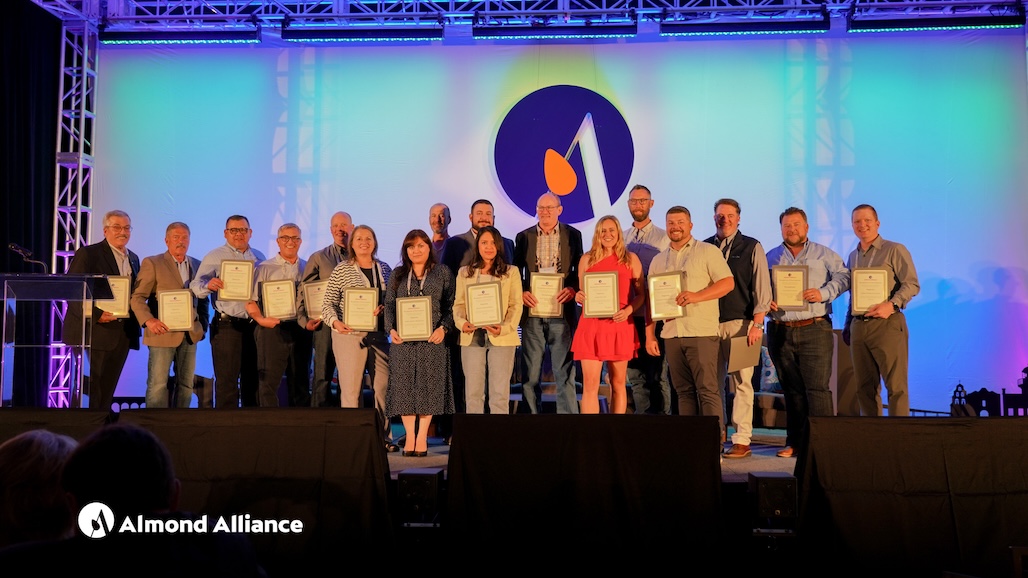
    A highlight of the convention was the annual awards ceremony, which honored individuals and organizations that exemplify leadership, advocacy, and a commitment to quality across the almond industry.

    Junior Almond Advocate Award: Josiah Wenger
    The Junior Almond Advocate Award celebrates a young leader passionate about agriculture and the almond industry. This year’s honoree, Josiah Wenger, is a 10-year-old student at Hart Ransom Elementary and a proud member of Shilo 4-H. Josiah’s imaginative storytelling earned him the title of 4th-grade winner in the California Foundation for Agriculture in the Classroom’s “Imagine This” story writing contest for his creative submission, “Not Just Another Nut Story.”

    Inspired by his father’s work at an almond huller, Josiah’s story brought the almond industry to life for readers. He particularly enjoyed researching almond facts, crafting a catchy title, and touring his dad’s workplace to gain behind-the-scenes insight into almond processing. The Almond Alliance Board of Directors is honored to recognize Josiah’s talent, curiosity, and advocacy as this year’s Junior Almond Advocate.

    Junior Almond Advocate Award Josiah Wenger

    Good Manufacturing Practice Audit Awards
    The Almond Alliance’s Good Manufacturing Practice (GMP) program provides almond-specific food safety guidelines designed to assist hullers, shellers, and processors in meeting regulatory and customer expectations. Through our voluntary, unannounced audits, members showcase their commitment to excellence in food safety.

    The following companies successfully completed GMP audits this year and were recognized at the convention:

    Processors: Almond Ace Packing, Blue Diamond Growers, California Custom Processing, LLC, Capay Canyon Ranch, Fisher Nut Company, LLC, Golden State Almonds Inc., Grizzly Nut, LLC, Harris Woolf Almonds, Hilltop Ranch, Inc., JSS Almonds, Mariani Nut Company, Montpelier Nut Company, Purity Organics, Riverwest Processing Inc., RPAC, LLC, Stewart & Jasper, Sterilization & Fumigation Services, Treehouse California Almonds, Valley Pride, Vann Family Orchards

    Huller/Shellers: Braden Hulling, C.F. Koehnen & Sons, Central Valley Almond Association, Chico Nut Company, Cortez Growers Association, Golden Empire Shelling, Inc., Golden Valley Almond Hulling & Shelling, Inc., Hilltop Ranch, Inc., Kernpareil, Inc., Montpelier Nut Company, Parreira Almond Processing, Paiva Hulling & Shelling, Pohl & Holmes, Inc., Salida Hulling Association, Stewart & Jasper Orchards, Superior Almond Hulling, Treehouse California Almonds

    Associate Member of the Year: Chandler Automation
    The Associate Member of the Year Award recognizes an outstanding partner whose dedication strengthens both the Almond Alliance and the broader industry. This year’s award was presented to Chandler Automation for its exceptional support, technical innovation, and enduring commitment to the almond sector.

    Led by Sean Chandler, the company is renowned for exceeding expectations in serving its customers and advancing industry standards. Their contributions to the Almond Alliance and Almond PAC have played a vital role in shaping critical initiatives and propelling the industry forward.

    Associate Member of the Year, Sean Chandler of Chandler Automation

    Members of the Year: Blake Vann & Katie Staack
    In an unprecedented year, the Almond Alliance sought experienced leaders to provide stability and guidance. This year’s Member of the Year Award was jointly awarded to Blake Vann and Katie Staack in recognition of their extraordinary service.

    Together, they stepped into leadership roles, overseeing CEO responsibilities and navigating the transition to new executive leadership. Their steady hands and clear vision helped ensure continued momentum and unity within the Alliance during a pivotal period.

    Almond Alliance Members of the Year Blake Vann and Katie Staack

    About the Almond Alliance
    Almond Alliance is the leading authority in state and national policy, championing American almond farmers, industry, and community for the continued global growth, innovation, and success of American almonds and agriculture.

    Established in 1980, the Almond Alliance is a non-profit trade association with a local and international network of almond processors, hullers/shellers, growers, and allied businesses. The Alliance is dedicated to providing resources and solutions for our members, ensuring industry success and growth opportunities. Learn more at almondalliance.org.