Category: Almonds

  • Blue Diamond Growers Names New Chief Operating Officer, Transition in Global Ingredients Division Leadership

    Blue Diamond Growers Names New Chief Operating Officer, Transition in Global Ingredients Division Leadership

    Blue Diamond Growers has named Dean LaVallee as the new Chief Operating Officer (COO) for California’s largest almond cooperative. In addition to serving as COO, LaVallee will continue to operate in his current role as Chief Financial Officer (CFO) and will report directly to Blue Diamond Growers’ President and Chief Executive Officer, Mark Jansen. As COO/CFO, LaVallee will oversee the Finance, Global Ingredients, and IT divisions within Blue Diamond Growers. He joined the cooperative in 2011.

    Dean LaVallee, Blue Diamond Growers, Chief Operating Officer and Chief Financial Officer

    “We are so pleased to expand Dean’s responsibilities to include that of Chief Operating Officer,” said 
    Jansen. “His strategic and proven leadership over the last decade within our organization has established a crucial foundation for Blue Diamond’s success in ensuring maximum returns to our grower-owners. In his new role, Dean will bring together the needed infrastructure, technology and resources for our continued growth and prosperity.”

    In other leadership news from the cooperative, long-time Blue Diamond Growers’ employee, Bill Morecraft, has announced his retirement at the end of this year after 35 years of service. Morecraft joined Blue Diamond Growers in 1986 working in Finance, Production Planning, and Sales Planning. He assumed leadership of the Global Ingredients Division in 2008 where he is credited with streamlining the product line, introducing a focus on value-added ingredients, and developing a close relationship with Blue Diamond’s Operations Team to increase profitability. Blue Diamond now processes and ships premium almond products to more than 90 countries.

    Bill Morecraft, Blue Diamond Growers, Senior Vice President Global Ingredients Division

    Effective September 1, Laura Gerhard was promoted to Vice President to assume leadership responsibilities for Blue Diamond’s Global Ingredients Division. Gerhard will lead day-to-day operations of the division, which supplies almond ingredients for processed and prepared food manufacturers, as well as for bulk purchase, around the world. She will also oversee the commercial success of the division’s global product portfolio, which includes a growing array of almond-based ingredients, such as almond protein powder, almond flour, and almond butter. Gerhard began her career with Blue Diamond Growers in 2017 as Director, Strategy and Planning with Global Ingredients. She added responsibility for Global Ingredient Division Marketing in 2020.

    Laura Gerhard, Blue Diamond Growers, Vice President Global Ingredients Division

    “It is leaders such as Bill who have helped to make Blue Diamond Growers the global leader in almonds that it is today,” said Jansen. “All of us at Blue Diamond sincerely thank Bill for his hard work, dedication, and numerous contributions over the years and wish him the best in his well-deserved retirement. I also want to congratulate Laura on her promotion. I have great trust in her leadership. Laura has been instrumental to our success in the Global Ingredients Division, where she has helped drive business growth, develop a strong team, and organize our business and strategic planning. I’m confident Bill, Laura, and their team will work closely to ensure a seamless transition for our customers.”

  • India’s Imports of Pistachios Expected to Grow, Almonds & Walnuts Decline

    India’s Imports of Pistachios Expected to Grow, Almonds & Walnuts Decline

    India recorded significant growth in almond, walnut, and pistachio imports in market year (MY) 2020/2021, increasing by 44, 20, and 34 percent, respectively, from MY 2019/2020. However, MY 2021/2022 almond and walnut imports are estimated to drop due to high domestic prices, increased domestic supply, reduced production in the United States, geopolitical tensions in regional suppliers (including Afghanistan), and various global shipping challenges. Conversely, India’s pistachio imports are estimated to rise 11 percent to 31,000 metric tons (MT). The domestic market for pistachios remains marginal, albeit with promising growth prospects and imports are estimated to reach 50,000 MT by MY 2024/2025.

    PRODUCTION:

    FAS New Delhi (Post) forecasts India’s market year (MY) 2021/2022 (August-July) almond production at 4,500 metric tons (MT) (kernel-weight basis), unchanged from last year’s estimate. Almond production is concentrated in India’s Union Territory of Jammu and Kashmir and in Himachal Pradesh state. Popular varietals grown include Shalimar, Makdoon, Waris, and Kagazi. Kashmir’s local horticultural department promotes the production of the Kagazi (thin-shell) variety due to its higher yield and late blooming characteristics. Shelling rates range between 20 and 30 percent for hard-shell varieties, and 40 percent for thin-shelled varieties.

    The Jammu and Kashmir territorial government, through its Almond Development program, aims to increase the region’s almond cultivated area by upwards of 12,000 hectares and phase-in new higher yielding cultivars. However, as of 2021, only one almond nursery is currently under development, and located in the Shopian district.

    CONSUMPTION:

    FAS New Delhi forecasts MY 2021/2022 Indian almond consumption at 135,000 MT, 10 percent below the current year estimate. The MY 2020/2021 consumption numbers, however, have been revised upward to 150,000 MT reflecting stronger local demand. An abnormal drop in international prices led to atypical demand growth. While domestic consumption increased an astronomical 31 percent between MY 2019/2020 and MY 2020/2021, India will likely see a demand correction in the upcoming market year, owing to higher domestic prices a result of reduced production in California. Global shipping constraints, including delays, transit congestions, and container shortages will also have an adverse impact.

    India’s almond demand nevertheless is still expected to remain high, with the domestic economy’s recovery coupled with consumer spending increases following in the wake of the COVID-19 second wave. Almond consumption in India’s hotel, restaurant, and institutional sector (HRI) is seen as increasing, which will offset a bit of the drop in retail demand. A return to traditional consumer activities, including outdoor events, weddings, and festive ceremonies, as well as dining out will further propel almond consumption in both the current market and forecast years. Almond sales through the end of 2021 are expected to remain strong in anticipation of this year’s festive season. Bulk sales, associated with business and corporate gift giving, are likely to regain their footing.

    Almonds’ nutritional benefits, with their “immunity building characteristics,have been widely touted during India’s COVID-19 second wave. This has inadvertently led to fundamental changes in consumer behavior, which will likely endure at a minimum in the near- to medium-term.

    The role of eCommerce, coupled to hyperlocal grocery delivery companies (i.e., Amazon, Big Basket, Flipkart, and Nature’s Basket), continue to stimulate almond consumption. Additionally, an evolving supply chain, with the growing consumer awareness of perceived health benefits, will drive almond consumption in the food processing, personal care, and Ayurveda industries. The increased use of almonds in breakfast cereal bars, snack foods, flavored dairy products, processed beverages, and confectionaries will help further demand growth.

    PRICES:

    Market year 2020/2021 saw initial high demand, thanks to the combination of lower sales prices and shipping delays. Beginning in August 2020, shelled almond prices were 20 percent lower ($759/MT) compared to the same period last year ($944/MT). By October 2020, supplies tightened over delayed shipments. However, domestic prices stabilized following a deluge of delayed shipments arriving almost simultaneously – a tidal wave of almonds hitting India’s shores.

    Strong demand at the onset of the season helped many businesses reduce their liquidity, recovering from COVID-19 induced losses incurred in March-June 2020. With relatively slowing demand and lower supplies, prices dipped between seven to 10 percent from November 2020 onward (figure 1).

    In March 2021, almond prices again rose as the COVID-19 second wave led to renewed nationwide lockdowns. The second wave undermined almond sales, weaking demand for the season’s new California-origin crop. Prices commenced an upward march, climbing 26 percent between May-July 2021. By August prices spike, hitting the $1,194/MT (India rupees (INR) 87,300/MT) mark for shelled almonds and $845/MT (INR 61,800/MT) for in-shell. Indian buyers are now waiting on the September shipments anticipating a new price correction.

    Industry sources are already reporting somewhat smaller kernel sizes in the initial shipments, but the expectation is that almond quality should improve with successive consignments. Market sentiment is expected to improve from October 2021 onwards as shipment transits and delays better.

    TRADE:

    FAS New Delhi forecasts India’s MY 2021/2022 almond imports at 125,000 MT, 18 percent below the MY 2020/2021 estimates. Post is revising the MY 2020/2021 import figures upward to 152,500 MT based on new trade estimates. Between August 2020 and May 2021, almond imports soared by 61 percent.

    U.S.-origin almonds account for 87 percent of India’s total import volume in MY 2020/2021, followed by Australian almonds in a distant second place with seven percent market share (table 2). Almond imports from the United States and Australia are typically in-shell, of the nonpareil or Carmel varieties, and are shelled locally (i.e., machine-cracked and hand sorted). Most other origins supply primarily shelled almonds. Packaged almonds account for about 10-12 percent of retail sales.

    Global shipping challenges including port delays and congestions, longer transit times, and container shortages are decimating Indian importers’ stocks. In some instances, consignment delays (some over a month), are impacting Indian buyerscash flows and the product’s market availability. These shipping challenges are likely to continue in the upcoming market year.

    India’s almond exports, at 200 MT in MY 2021/2022 are negligible. Exports in the 2020/2021 included shipments to the United Arab Emirates (UAE), Sri Lanka, and the United Kingdom (UK) (table 3).

    POLICY:

    India does not set quantitative restrictions on almond imports. U.S.-origin almonds face retaliatory tariffs of $0.56 per kilogram (kg) (INR 41/kg) for in-shell and $1.64 per kg (INR 120/kilogram) for shelled.

    India’s non-tariff barriers include narrow almond kernel standards prescribed by the Food Safety and Standards Authority of India (FSSAI). Industry sources indicate that the almond kernels standards are too restrictive to be widely applied across multiple commercial grades. Proposed quality/grade factors pertain to commercial contracts, these should not form the basis for import or retail controls.

    Traders sustain that there is a need for flexibility in grades to account for varying commercial situations, including varietal differences, crop quality variability, and pricing differentials, as opposed to physical parameters such as damage and the presence of foreign material.

    PRODUCTION:

    FAS New Delhi forecasts India’s MY 2021/2022 (September-August) walnut production at 36,000 MT (in-shell basis), up three percent over last year. Indian walnut production is cyclical, and yields can vary by almost 20 percent depending on weather conditions at the time of blossom and harvest.

    Walnuts are grown as a plantation crop in the northwestern Himalayan belt, extending through India’s northeastern region. Production is concentrated to Jammu and Kashmir. Popular varieties include Lake English, Drainovsky, Opex Caulchry, which combined account for 90 percent of the overall production area. However, Himachal Pradesh (Gobind, Eureka, Placentia, Wilson); Uttarakhand (Chakrata varietals); and the northeastern states of Sikkim and Arunachal Pradesh do contribute limited volumes.

    India’s walnuts come in various sizes and with varying characteristics. These are sorted into paper- shelled, thin-shelled, medium-shelled, and hard-shelled categories. The walnut harvest typically occurs from late August through September. In 2021, the Kashmiri government established three walnut nurseries which produced around 20,000 walnut seedlings for propagation (see, Kashmir Reader).

    India’s walnut production lacks advanced horticultural practices that are often found in other walnut growing countries. India does not engage in high-density planting, improved orchard management practices, stable yields, faster fruiting periods, nor has access to modern post-harvest infrastructure facilities. In Jammu and Kashmir, India’s primary production area, walnut trees are largely cultivated in an unorganized manner. Most of the trees are 40 years old; requiring a 15-year gestation period.

    Harvesting walnuts remains labor intensive. The COVID-19 national lockdown measures exacerbated labor costs, with many migrant workers forced to return to their home states. Sources indicate that higher yielding varietals, using high-quality grafted plants, are needed to increase domestic production.

    CONSUMPTION:

    FAS New Delhi forecasts MY 2021/2022 Indian walnut consumption to remain flat at 66,000 metric tons. Post is revising India’s MY 2020/2021 consumption to 66,000 MT, some 6,000 MT above the previous estimate. Indian consumers demand walnuts due to the nut’s perceived health benefits and improved packaging (i.e., vacuum-packed bags) that supports year-round consumption. Much like with almonds, traditional and modern retail stores along with eCommerce is spurring on greater consumer demand. Walnuts remain popular with consumers, who perceive the nut having significant health benefits (e.g., cholesterol reducer, diabetes risk abatement, and improved brain function). Walnut kernels are rich in proteins, healthy fats, minerals, and vitamin-B.

    About 70-75 percent of Indian walnuts are utilized domestically, with more than half of consumption occurring during the festive (October-November) months and winter season. Industry sources estimate that 17 percent of walnuts are used in food processing, with an additional four percent utilized in the personal care industry. The HRI sector uses walnuts as a key food ingredient, including in bakeries and the manufacture of traditional Indian sweets.

    PRICES:

    The MY 2020/2021 domestic walnut season kicked off with excellent demand and high prices. By December 2020, a price correction occurs as U.S.- and Chilean-origin imports make their landfall. Sources report quality concerns with imported products specifically less desirable darker colored walnuts from California. While traders hold that color does not affect product quality, Indian consumers favor lighter-colored walnut kernels. Domestic prices witnessed a drop in February 2021, as a result slower demand and market oversupply. Demand started recovering in May along with prices (figure 2).

    Prices will likely stay high for most of MY 2021/2022. Lower production coming from California, along with uncertainty with what will happen next with Afghanistan’s trade in the near-term following the Taliban’s seizure of the state, will keep prices elevated. Domestic average prices as of August 31, 2021, are $1,084/MT (INR 79,200/MT) for shelled walnuts and $692/MT (INR 50,600/MT) for in-shell.

    TRADE:

    FAS New Delhi forecasts MY 2021/22 Indian walnut imports at 34,000 MT, six percent below the MY 2020/2021 figure. This decline is anticipated as both high domestic prices and trade uncertainty from Afghanistan, the fifth largest exporter of walnuts to India in MY 2020/2021, are likely to reduce consumption. Post is revising its import estimates for MY 2019/2020 to 30,000 MT and MY 2020/2021 to 36,000 MT based on the latest trade data. From September 2020 to May 2021, the United States remained India’s main supplier with 55 percent market share, followed by Chile with 26 percent.

    India is primarily an in-shell walnut market. Sources indicate that India’s in-shell walnut imports grew 83 percent in September 2020-May 2021 (table 6), while shelled walnut imports declined by 25 percent.

    FAS New Delhi forecasts MY 2020/2021 Indian walnuts exports at 4,200 MT, up 11 percent from the previous market year. Post is revising its export estimate for MY 2019/2020 to 3,000 MT and MY 2020/2021 to 3,800 MT based on the latest trade data. In MY 2020/2021, India increased walnut export volumes to its traditional markets in the UAE, UK, Saudi Arabia, and Germany (table 7).

    Over 95 percent of India’s walnut exports are shelled kernels in vacuum packs, with 35-40 percent classified as “light halves,” 35-40 percent “amber halves/light broken,” and the remaining balance as “amber halves.” Market sources report that Indian walnuts are competitively priced against those of the United States, Chile, Turkey, and China.

    POLICY:

    India’s Open General License program permits walnut imports without quantitative restrictions. Both in-shell and shelled walnut imports are subject to a 100 percent tariff (effective February 2020). India is applying a retaliatory tariff on U.S.-origin in-shell walnuts at 20 percent above the applied BCD of 100 percent. However, California walnuts exports remain strong due to high consumer demand.

    On July 30, 2021, the FSSAI published the Food Safety and Standards (Food Product Standards and Food Additives) Third Amendment Regulations (2021) which cites the final standards for walnut kernels with an implementation date of February 1, 2022 (see, GAIN-INDIA – IN2021-0097 India’s FSSAI Issues Final Standards Walnut Kernels and Other Various Food Products). India’s walnut kernel standards apply to fresh products and includes a 15 percent permissible variation for color uniformity. The FSSAI also changed the damage limit from two to four percent based on the number of damaged units, using a percent-by-mass parameter.

    PRODUCTION:

    There is no commercial production of pistachios in India. Limited, unorganized production is confined to the Union Territory of Jammu and Kashmir.

    CONSUMPTION:

    FAS New Delhi forecasts India’s MY 2021/2022 (September-August) pistachio consumption at 30,900 MT, 11 percent above the current year estimate. India is traditionally a market for in-shell pistachios, with peak demand occurring from October through February. While there is some nominal demand throughout the year, sales typically increase during the Indian festive and wedding seasons. Pistachios are typically sold through retail and wholesale channels. Organized retail outlets, along with online stores, have also increased their market presence to cater to growing pistachio demand. Sources indicate that India’s market for pistachios may reach 50,000 MT by MY 2024/2025.

    The Indian consumer traditionally has preferred Iran- and Afghanistan-origin pistachios. This preference derives from consumers’ familiarity with the taste, texture, color, and shape of the tree nut. Conversely, U.S.-origin pistachios are relatively different in taste, have a distinct greenish tint, and are larger in size with a different texture. Popular Iranian varieties include Akbari, Kalleh, Fandoghi and Ahmad Aghaei, while California’s U.S. grade 21-25 No. 1 pistachios is the preferred American variety.

    Pistachios from Iran and Afghanistan have tapped successfully into the largely unorganized Indian traditional sweets (mithai) sector primarily due to cheaper pricing despite inconsistent product quality (i.e., broken/chipped kernels). The traditional Indian sweets market readily absorbs lower quality pistachios as a food ingredient.6 California pistachios command a premium due to consistent quality, size, and shape. The consumption of pistachios as a snacking nut is limited to affluent consumers, or about two-to-three percent of India’s population.7 Preferential pricing and mass-marketing activities can help build consumer awareness and demand for higher quality California pistachios.

    PRICE:

    During MY 2020/2021, domestic prices for in-shell pistachios ranged between $9.50 to $14.00/ kg (INR 700 to 1,000/kg), and shelled pistachios $14.00 to $22.00/kg (INR 1,000 to 1,600/kg). Higher quality California pistachios retail between $10.50 to $12.00/kg. The first half of MY 2020/2021 was difficult for Indian buyers, as they struggled with excessive inventories at the onset of the season due to the national COVID lockdown measures of March-June 2020. The situation this market year has improved, due to stabilized supply chains and pricing. Typically, profit margins for pistachios range between three to five percent for importers.

    TRADE:

    FAS New Delhi forecasts India’s MY 2021/2022 pistachio imports at 31,000 MT, 11 percent above MY 2020/2021. From September 2020 to May 2021, the UAE was the largest supplier of pistachios to India, followed by Afghanistan, the United States, and Hong Kong (table 10). Neither the UAE, nor Hong Kong produce pistachios, and are instead transshipping products from other origins, primarily from the United States. Historically, the United States, Iran, Afghanistan, and Turkey have been the largest suppliers of pistachios to India (figure 3).

    Shipment transit delays have been affecting Indian pistachio importers. According to sources, some importers continue to await pistachio containers that were intended to arrive in June 2021. Indian exports of pistachios for MY 2021/2022 are forecasted at 100 MT and will continue to remain negligible for the foreseeable future (table 11).

    India levies a 10 percent BCD on raw pistachios (in-shell and shelled), and 30 percent on roasted pistachios. Additionally, a Goods and Services Tax of 12 percent is applied on the customs and freight value, along with a Social Welfare Surcharge of 10 percent of the customs duty. — By Ankit Chandra, Mark Rosmann & Mariano Beillard, USDA Foreign Agricultural Service

  • Almond Alliance’s Elaine Trevino Nominated as US Chief Agricultural Negotiator

    Almond Alliance’s Elaine Trevino Nominated as US Chief Agricultural Negotiator

    On September 13th, President Biden announced his intent to nominate several individuals to serve as key economic and trade representatives, including the Elaine Trevino to serve as Chief Agricultural Negotiator at the United States Trade Representative.

    Elaine Trevino is the President of the Almond Alliance of California (AAC), a member-based trade association that advocates on regulatory and legislative issues in areas of international trade, food safety, water quality and availability, crop protection, air quality, worker safety, supply chain and feed quality. As the leader of an organization that advocates for California’s leading agricultural export, Elaine understands tariff and nontariff barriers to trade and the importance of maintaining America’s strong trade agreements and global positioning. Elaine has worked on advocating for funding for COVID-19 relief, addressing retaliatory tariffs, climate smart farming, public private partnerships for opening new markets and strengthening existing markets and addressing technical sanitary and phytosanitary barriers. Elaine works at the local and federal levels on addressing port congestion, supply chain disruptions and excessive costs.

    Elaine served as a Deputy Secretary at the California Department of Food and Agriculture for Governor Arnold Schwarzenegger and Governor Gray Davis. She was responsible for the oversight of the international export and trade programs, specialty crop block grant funding, division of marketing services, plant health and pest prevention and the statewide county fair network. Elaine serves on USDA’s Agricultural Policy Advisory Committee (APAC). Born and raised in the Central Valley of California, Elaine has a long history of community service and has a great respect for agriculture and the value of the industry to the overall economy. She received her undergraduate degree from the University of California Berkeley and attended the John F. Kennedy School of Government. Elaine and her family currently reside in Sacramento, California.

    Almond Alliance Chairman Mike Curry shared, “We are thrilled to see Elaine nominated for this position and know that her experience with us at the Almond Alliance will carry over into her new role – working first for farmers and ranchers, their families and the workers and businesses in the rural communities where we live. Her new position is responsible for conducting and overseeing international negotiations related to trade of the nation’s agricultural products – all of them including California almonds. Elaine’s nomination requires U.S. Senate confirmation (which will take time) and be assured that the Board of Directors of the Almond Alliance will lead a smooth transition in partnership with Elaine to identify and hire her successor. While we’re transitioning, the Board, Elaine and the Almond Alliance team will not skip a beat in our advocacy work on behalf of California almonds, both on the state and federal levels. Although we will miss Elaine’s leadership and energy, we are excited for the almond industry, the Central Valley (where she grew up) and California agriculture to have such a passionate and committed person serving in the Chief Agricultural Negotiator role.”

    Of Trevino, Matthew Malcolm, Editor of Pacific Nut Producer Magazine shared, “While faithfully serving the California almond industry in her role as President of the Almond Alliance of California, Elaine has also demonstrated time and time again her commitment to the greater agricultural community in her tireless efforts and involvement in addressing issues such as food supply chain disruptions, international trade disputes, securing funding for agricultural burn alternatives, and much more.  While she will be missed in her role at the Almond Alliance, we are thrilled with the opportunity she will have to represent the interests of farmers at such a critical time as this. We are confident that she will continue to do great things, as she has done for the almond industry.”

    Richard Waycott, President & CEO of the Almond Board of California concurred, “We are thrilled to see Elaine nominated for this critical position, in recognition of the importance of California agriculture and the role of specialty crops like almonds.  We’ve worked closely with Elaine and the Almond Alliance over the years in addressing global trade issues, and look forward to supporting her in her new role as chief ag negotiator.”

    Manuel Cunha President of the Nisei Farmers League added, “I believe Elaine will do a great job representing our agricultural industries. She knows the commodities and markets very well. She is bright and bold.  She understands the politics and knows how to communicate well with both farmers and legislators.”

    Of the nomination, United States Trade Representative Katherine Tai shared, “Elaine Trevino understands the importance of America’s farmers and farming communities to the vitality of our economy. Her experience will help the Biden Administration craft durable trade policy that creates broad-based prosperity. Throughout her impressive career serving in leadership positions at the state and federal level, Elaine has developed strong relationships with key stakeholders and demonstrated a keen understanding of trade and agriculture policy. If confirmed as Chief Agriculture Negotiator, Elaine would be the first woman of color and the first Latina in this critical position that will help USTR advance President Biden’s vision to increase American competitiveness. I hope the U.S. Senate can quickly confirm her to fill this important role so she can get to work on behalf of the American people.”

    Michael Dykes, D.V.M., president and CEO of the International Dairy Foods Association added, “Having had the pleasure of serving on the USDA Agricultural Policy Advisory Committee for Trade with Ms. Trevino in recent years, I’m confident she will position U.S. agriculture interests competitively, remain vigilant to protect U.S. businesses from myriad barriers to trade, and embrace diplomacy and relationship-building. As a resident Californian and former deputy secretary of the California Department of Food and Agriculture, Elaine Trevino is well aware of the importance of trade to California—the state exported $2 billion worth of dairy products in 2020— and to U.S. dairy. IDFA is eager to get to work with Ms. Trevino to continue the growth of our dairy exports and the global competitiveness of the dairy industry. We encourage the U.S. Senate to confirm her quickly.”

    “The role of Chief Agricultural Negotiator is essential in pursuing positive trade policy results for U.S. dairy farmers and in expanding overseas markets for dairy products,” said Jim Mulhern, president and CEO of National Milk Producers Federation (NMPF). “NMPF is pleased that in choosing Ms. Trevino to nominate for this position, President Biden has selected someone with the right background and clear understanding of trade’s importance to American agriculture, both of which are vital to success in this position. I’ve been fortunate to serve on the president’s Agricultural Policy Advisory Committee with Ms. Trevino and hope to see swift confirmation of her nomination by the Senate so she can commence the work that’s so key for farmers across the country.”

    “U.S. dairy farmers, exporters and manufacturers have been eagerly awaiting the nomination of a Chief Agricultural Negotiator given the sizable role that trade plays in providing a home for the equivalent of more than a day’s worth of U.S. milk production each week,” said Krysta Harden, president and CEO of US Dairy Export Council. “The world needs U.S. dairy and U.S. dairy needs the world. Our industry is eager for additional market opportunities to help us create more jobs here in America as we meet that demand with our high-quality, sustainably produced products. We urge the Senate to move swiftly to confirm Ms. Trevino and look forward to working closely with her to expand markets around the world.”

    Doug Palmer in the Politico Pro shared, “Biden has been under pressure from farm-state senators to fill the position, which Congress created 20 years ago to elevate the importance of agricultural issues in U.S. trade negotiations. Depending on the year, anywhere from 18 percent to 40 percent of the income U.S. farmers earn is derived from goods transported to other countries… By selecting Trevino, Biden helps fulfill his goal of bringing diversity into his administration, while also giving a key position to someone from the largest U.S. agricultural exporting state.”

    Palmer continued, “The Senate Finance Committee will schedule a hearing on Trevino’s nomination sometime after it has received her official paperwork from the White House. Her nomination is the last of six Senate-confirmed positions in the Office of the U.S. Trade Representative that Biden needs to fill. Of those, only U.S. Trade Representative Katherine Tai is already on the job.”

  • Losses in Over 20% of Sales due to Continued Port Congestion

    Losses in Over 20% of Sales due to Continued Port Congestion

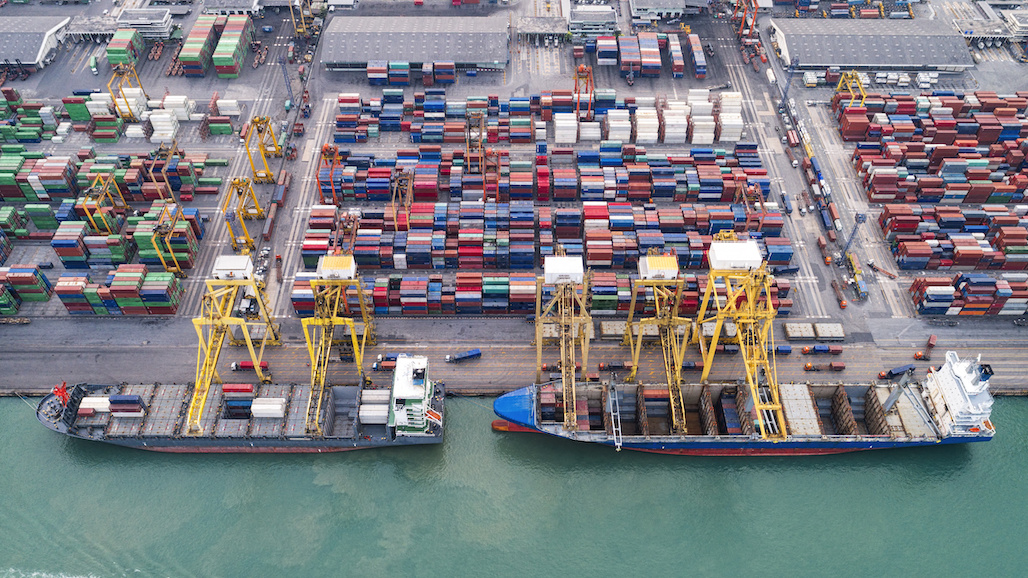
    Almond Alliance of California — The transportation crisis continues for agriculture exporters and seems to be worsening as the holiday season nears. Increased costs, rescheduling, cancellations, detention and demurrage charges up 300% and lost markets are some of the realities the industry is facing. Based on numerous sources, over 20% of sales cannot be completed due to ocean carrier rates, declining to carry export cargo, unreasonable demurrage and detention charges, and other practices.  As an industry that is international holiday focused, this issue continues to be a top priority for almonds.

    The Almond Alliance continues to focus on this issue and work closely with AgTC, several stakeholder organizations, logistic companies and of course the Port of Oakland.  Here is a summary of recent efforts related to port congestion and related Almond Alliance action items.

    Federal Maritime Update (FMC):

    The FMC launched an expedited inquiry into the timing and legal sufficiency of ocean carrier practices with respect to certain surcharges. There are eight ocean carriers being asked to provide the Commission’s Bureau of Enforcement (BOE) with details about congestion or related surcharges they have implemented or announced. This action was taken in response to communications received by the Commission from multiple parties reporting that ocean carriers are improperly implementing surcharges. The companies contacted are CMA CGM, Hapag-Lloyd, HMM, Matson, MSC, OOCL, SM Line; and Zim. Each ocean carrier was identified as having recently implemented or announced congestion or related surcharges. Ocean carriers are subject to specific requirements related to tariff changes or rate increases, including providing a 30-day notice to shippers and ensuring that published tariffs are clear and definite.

    The FMC has indicated that they are committed to transparency and Chairman Maffei has said, “As Chairman, I want to know the carriers’ justifications for additional fees, and I strongly support close scrutiny by the FMC’s Bureau of Enforcement aimed at stopping any instance where these add-on fees may not fully comply with the law or regulation.”

    In summary, the FMC is working on the below items:

    • The Fact Finding 29, led by Commissioner Rebecca Dye, to identify operational solutions to cargo delivery system challenges.
    • FMC Ocean Carriers Audit Program which will analyze the top nine carriers by market share for compliance with the Commission rule interpreting 46 USC 41102(c) as it applies to detention and demurrage practices in the United States. Other focus areas of the audit process may include practices of companies related to billing, appeals procedures, penalties assessed by the lines, and any other restrictive practices. Lucille Marvin, the Commission’s Managing Director, is leading the audit.  
    • FMC is committed to transparency facilitating ongoing stakeholder discussions and roundtables.

    The Commission can initiate enforcement actions for improperly established tariffs based on their findings. We will let you know when the inquiry on Shipping Act violation findings are released. If you want to file a formal complaint, please contact the Almond Alliance and we will walk you through the process.

    The Federal Maritime Commission recently announced their National Shipper Advisory Committee. The Committee is comprised of 24 members, evenly divided between those who export cargo from and those who import cargo to the United States, that will advise the Commission on policies relating to the competitiveness, reliability, integrity, and fairness of the international ocean freight delivery system. Joshua Woods from Blue Diamond Growers will serve on the advisory committee.  The Almond Alliance will continue to communicate industry challenges to the Commission and newly formed advisory committee.

    Action Item:  The Almond Alliance continues to engage with the FMC staff and will be transmitting a letter to the commission regarding the impacts to the California almond industry and our requests for action. In addition, we alerted the FMC that due to the delays at the Port of Los Angeles and Port of Long Beach the number of vessels that have bypassed the Port of Oakland, we believe due to time constraints, has soared. The number of vessels that have bypassed the Port of Oakland in comparison to last year is approximately 40 (from July 2020 to July 2021) which furthers the challenges that almond exporters are facing.

    Recent Roundtables Facilitated by FMC:

    Port of Oakland on August 30, 2021: Oakland Port executives, with Federal Maritime Commissioner Carl W. Bentzel, California State Transportation Agency Secretary David S. Kim, importers, exporters and stakeholders discussed the port congestion challenges and how to strengthen Oakland’s place in the global supply chain and strengthen the state and federal economies. Attendees asked for support from maritime leaders to streamline seaport operations and communications and collaborate on making the supply chain transparent for customers and operators. FMC and CalSTA asked for recommendations on how to alleviate the port congestion and improve communication between importers, exporters, the Port of Oakland, logistics and carriers.  The Almond Alliance requested longer night gate hours, requirements on the percentage of empty containers returning on a vessel, improved notifications from carriers on early calls and blank sailings, explanation of increased fee methodology and compensation for third party fees on storage and chassis. While our requests are ambitious, our goal is to push for transparency on the issues important to our exporters.

    Port of Long Beach on September 1, 2021: The Long Beach roundtable focused on supply chain transparency and how equipment and operations move cargo in and out of the largest port complex in the United States. Commissioner Bentzel was joined by Congressman Alan Lowenthal, who has represented the LA/LB port complex at the local, tate and now federal level for decades. Long Beach and Los Angeles Port Directors Mario Cordero and Gene Seroka also joined as well as representatives of rail lines, trucking, chassis, container lines, and terminals.

    Action Item:  The Almond Alliance was asked to summarize and update the impacts that the port congestions have had on almonds.  We are in the process of drafting and will submit soon.  We need to hear from our handlers if expanding night gate hours for truckers at the Port of Oakland will be helpful and utilized. Please email us and express your support. This will help our effort to expand gate hours at the Port of Oakland.

    Port Update:

    Port of Oakland: A year-long cargo surge slowed and volume dipped at the Port of Oakland in July. The Port recently reported it expected containerized cargo volume growth to resume as peak shipping season arrives. Though business dipped in July, the Port said year-to-date import volume has increased 16 percent. Total volume in the same period is up 9 percent.

    According to the Port, cargo volume declined 3.5 percent in July compared to the same month a year ago. Here’s the breakdown:

    • July containerized imports down 1.7 percent year-over-year;
    • July containerized exports down 4.7 percent Y-O-Y; and
    • July total volume, which includes imports, exports and empty container repositioning, down 3.5 percent Y-O-Y.

    The Port attributed the declines to record cargo volume in the first half of the year. It explained that surging shipments stacked up on docks causing delivery delays. The Port said that as a result, shipping lines omitted several voyages to Oakland, leading to lower volumes.

    The Port said that cargo volume should increase again from August through October. Those are peak shipping months for retailers building holiday inventories. Oakland has introduced two new vessel services to Asia in the last month which should also boost volume. The Port said new services demonstrate continued reliance on Oakland as a key global trade gateway.

    Action Item:  The Almond Alliance is working with the Port of Oakland to encourage longer hours of service at the night gate, with an early opening time. If you have an opinion on this issue, please contact the Almond Alliance.

    Union Negotiations:

    All of our almond exporters are concerned with the upcoming labor negotiations which are set to begin in January 2022. Given the existing conditions at the Port of Oakland, an impasse would be devastating.  While labor negotiations impact the Port of Oakland, the two parties negotiating are the International Longshore and Warehouse Union (ILWU) and the Pacific Maritime Association (PMA). The Almond Alliance is meeting with ILWU and PMA and will continue to monitor contract negotiations and update on the progress.

    Legislation of Interest:

    Congressmen John Garamendi and Dusty Johnson are authors of the Ocean Shipping Reform Act of 2021 “OSRA21”. The Act’s provisions address the unreasonable detention and demurrage charges, export cargo bookings, and other carrier practices that are essential to allow US agriculture to remain competitive in global markets. The Almond Alliance strongly support provisions in the bill to gain reasonable and fair ocean carrier practices consistent with the Federal Maritime Commission’s Interpretive Rule on Demurrage and. It imposes upon carriers the obligation to self-police compliance with that Rule. In addition, the bill obligates ocean carriers to carry export cargo, to the extent they can do so safely. It addresses carrier practices limiting efficient use of containers, chassis and other equipment. The Almond Alliance will continue to work on advancing and strengthening this bill as it proceeds through the legislative process.

    To view the Ocean Shipping Reform Act of 2021, Click Here.

    To view the Ocean Shipping Reform Act of 2021 Factsheet, Click Here.

    Action Item:  Please check the list below. If your Congressional Representative (or one that you know) is not on the list of co-sponsors of OSRA21, please contact them directly to request they co-sponsor the bill.

    A current list of Co-sponsors of OSRA21:

    Rep. Johnson, Dusty [R-SD-At Large]* 08/10/2021
    Rep. Costa, Jim [D-CA-16] 08/13/2021
    Rep. Newhouse, Dan [R-WA-4] 08/13/2021
    Rep. Smith, Adrian [R-NE-3] 08/13/2021
    Rep. Valadao, David G. [R-CA-21] 08/13/2021
    Rep. Schrier, Kim [D-WA-8] 08/13/2021
    Rep. Thompson, Glenn [R-PA-15] 08/17/2021
    Rep. Gottheimer, Josh [D-NJ-5] 08/17/2021
    Rep. Fitzpatrick, Brian K. [R-PA-1] 08/20/2021
    Rep. Brownley, Julia [D-CA-26] 08/27/2021
    Rep. Keller, Fred [R-PA-12] 08/31/2021
    Rep. Panetta, Jimmy [D-CA-20] 08/31/2021
    Rep. Baird, James R. [R-IN-4] 08/31/2021
    Rep. Van Drew, Jefferson [R-NJ-2] 08/31/2021
    Rep. Meuser, Daniel [R-PA-9] 09/03/2021
    Rep. Womack, Steve [R-AR-3] 09/10/2021
    Rep. Jacobs, Chris [R-NY-27]    09/10/2021

  • Dairy and Almond Groups Partner on Healthy Soils Research

    Dairy and Almond Groups Partner on Healthy Soils Research

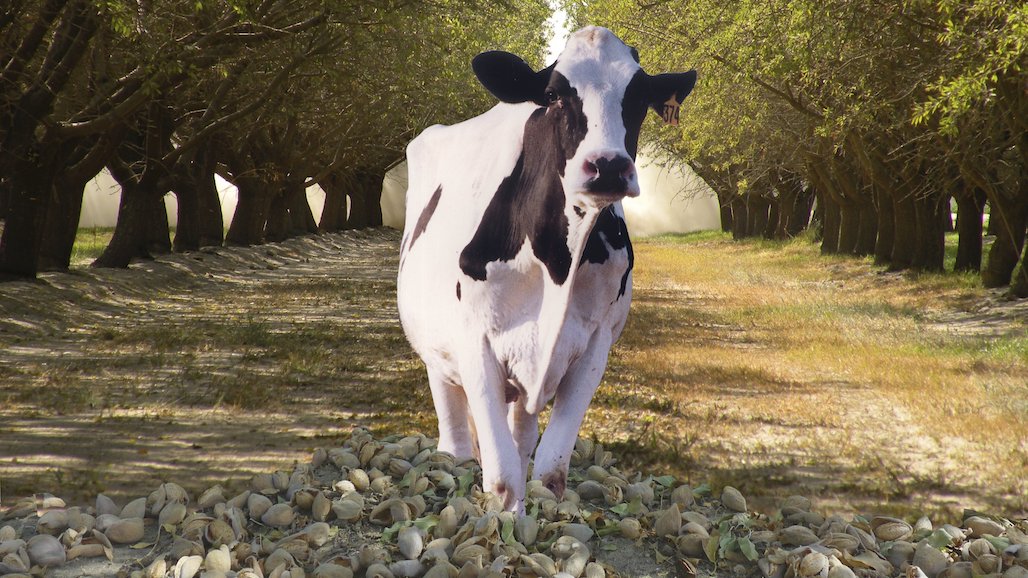
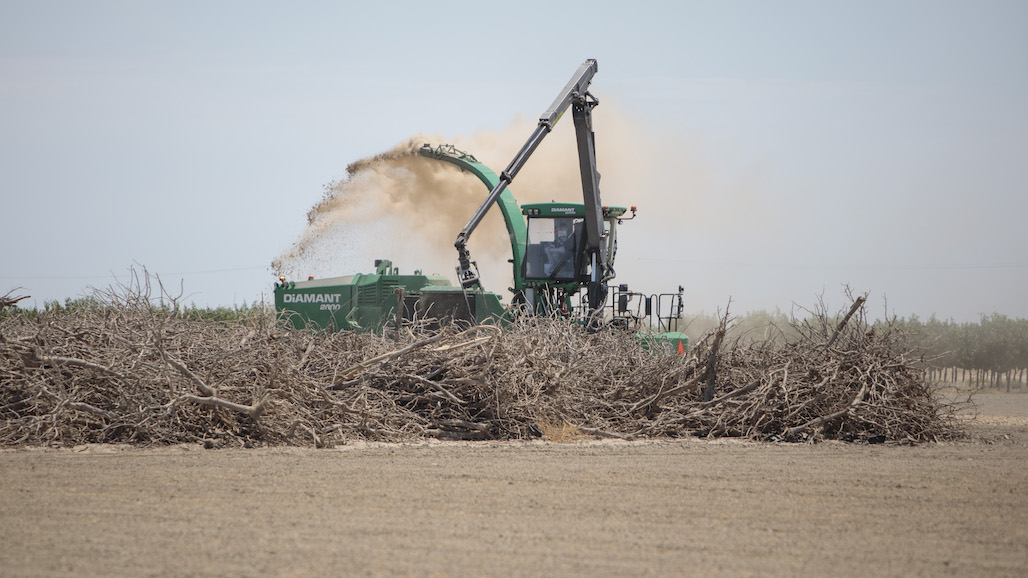
    UC Davis researchers are evaluating the use of pelletized compost made from dairy manure and almond tree twigs, to create safe, pathogen-free, value-added amendments to boost soil health.

    Building healthy soils has tremendous benefits. Increasing the amount of organic matter within the soil can improve water retention and protection, reduce erosion, sequester carbon, and improve crop yields. Increasing water scarcity and severe drought conditions make boosting soil resilience an even greater priority for California. Researchers are exploring how the environmental benefits of healthy soils initiatives can extend even further when readily available agricultural resources are used in regenerative ways.

    A team of UC Davis researchers, led by Dr. Ruihong Zhang, has recycled dairy manure and almond twig waste into a nutrient-rich, safe, organic soil amendment. The new product was created and applied, and its effects continue to be studied. The idea is that the woody material can capture nutrients in the manure and slowly release them, as needed, into the soil. Because the product is also pelletized, it can be applied to croplands and orchards with standard farm equipment. Ultimately, the researchers hope to create a new model for using recycled agricultural resources to sequester carbon and provide benefits to the soil, crops, and the environment.

    The partnership was a natural fit, as the Central Valley is home to many neighboring dairy farms and almond orchards, which have a long history of collaboration. Dairies are already major consumers of almond co-products, including hulls (used as a highly nutritious feed ingredient) and shells (used as a bedding material). With a goal of achieving zero waste by 2025, the California almond community has been actively investigating a wide variety of ways to utilize woody biomass, including twigs, pruned branches, and tree removals. Meanwhile, the dairy community has been exploring ways to expand use of manure nutrients across California’s diverse agricultural landscape.

    “Creating valuable manure-based soil amendments is an area that the dairy sector has been focusing on, but there are some challenges,” said Denise Mullinax, Executive Director of the California Dairy Research Foundation (CDRF). “We know that farmers want a soil amendment with a consistent and reliable nutrient profile. It also needs to be easy to transport and apply. That’s why we are thrilled to support this team of esteemed researchers and to partner with the almond industry on this project. Together, we’re piloting a new avenue to enhance the benefits of both manure and woody biomass.”

    The initial project was funded by the California Department of Food and Agriculture (CDFA)’s Healthy Soils Program. As the project scope grew, the researchers were awarded additional funding from the demonstration category of CDFA’s Alternative Manure Management Program. With supplemental support from the CDRF and the Almond Board of California, the research project developed to include a team of more than 20 individuals—including researchers, farmers, and industry collaborators—contributing throughout a three-year timeframe. The project includes two seasons of creating soil amendments and applying them to the orchard, and three years of studying effects on soil health, emissions, tree health, and crop yield, while ensuring food safety.

    Using composted manure from Wickstrom Dairies, the study will shine a light for future research on expanding and improving manure utilization. Like many California dairies, the farm uses a separator system to remove solids from liquid manure streams. The solids are then sun dried in rows that are turned over periodically, as a form of composting. Dried manure solids are traditionally used for bedding or are applied to dairy forage fields. For this study, a portion of the finer manure solids were co-composted with twigs from almond production and then ran through a pelletizer. Pelletizing the compost is intended to provide a more consistent blend, while creating an easy-to-use product. The pelletized compost product has now been applied to the pilot orchard for two consecutive seasons. Four treatments were used to examine differences in manure-only verses manure-twig and pelletized versus non-pelletized compost products.

    “We look forward to seeing the final results,” said Mullinax. “Dr. Zhang and her team are demonstrating that it’s possible to make a pelletized product that is safe and easy to use, while fully assessing the environmental benefits. It’s projects like this that will pave the way for implementing advanced nutrient management on a larger scale, greatly enhancing soil health and further improving water conservation and protection.”

    The research team highlighted the project by providing a virtual field day, and they plan to host another outreach event this fall. Research is scheduled to conclude in March 2022. However, longer-term effects on soil health will continue to be studied. And the final report will only be the beginning of more learnings to come.

    Potential research areas to be explored next include applications on different kinds of crops, comparing a pelletized versus granulated product, and using varying types of dairy manure solids (from different types of separators, settling basins, and lagoon solids). Additionally, the use of infrared technology versus composting will be explored prior to pelletization or granulation. All options will also need to be assessed for cost-effectiveness and potential scalability.

    The manure-twig project is part of a broader, collaborative effort to expand manure’s role in healthy soils. California dairy farmers will continue to work with researchers, state officials, and other agricultural professionals to find more ways to maximize manure’s role in building healthy soils and protecting our air, water, and climate. The possibilities for sustainable solutions are bright when farmers and scientists come together to make new use of existing resources and technologies.

    California dairy farmers will continue partnering to help make an underutilized resource an important part of a healthy-soil future.

    — By Dairy Cares
  • Pacific Nut Producer September Issue

    Pacific Nut Producer September Issue

    PNP921

    [btn btnlink=”https://malcolmmedia.com/order-a-back-issue/back-issue-pacific-nut-producer-magazine/” btnsize=”full” txtcolor=”#ffffff” color=”#FFF” bgcolor=”#492500″ btnnewt=”1″ nofollow=”1″]Order A Back Issue[/btn]

    [btn btnlink=”http://malcolmmedia.com/pacific-nut-producer-magazine-subscriptions/” btnsize=”full” txtcolor=”#ffffff” bgcolor=”#492500″ btnnewt=”1″ nofollow=”1″]Subscribe Free[/btn]
    [three_fifth_last]

    Contents of the September Issue:

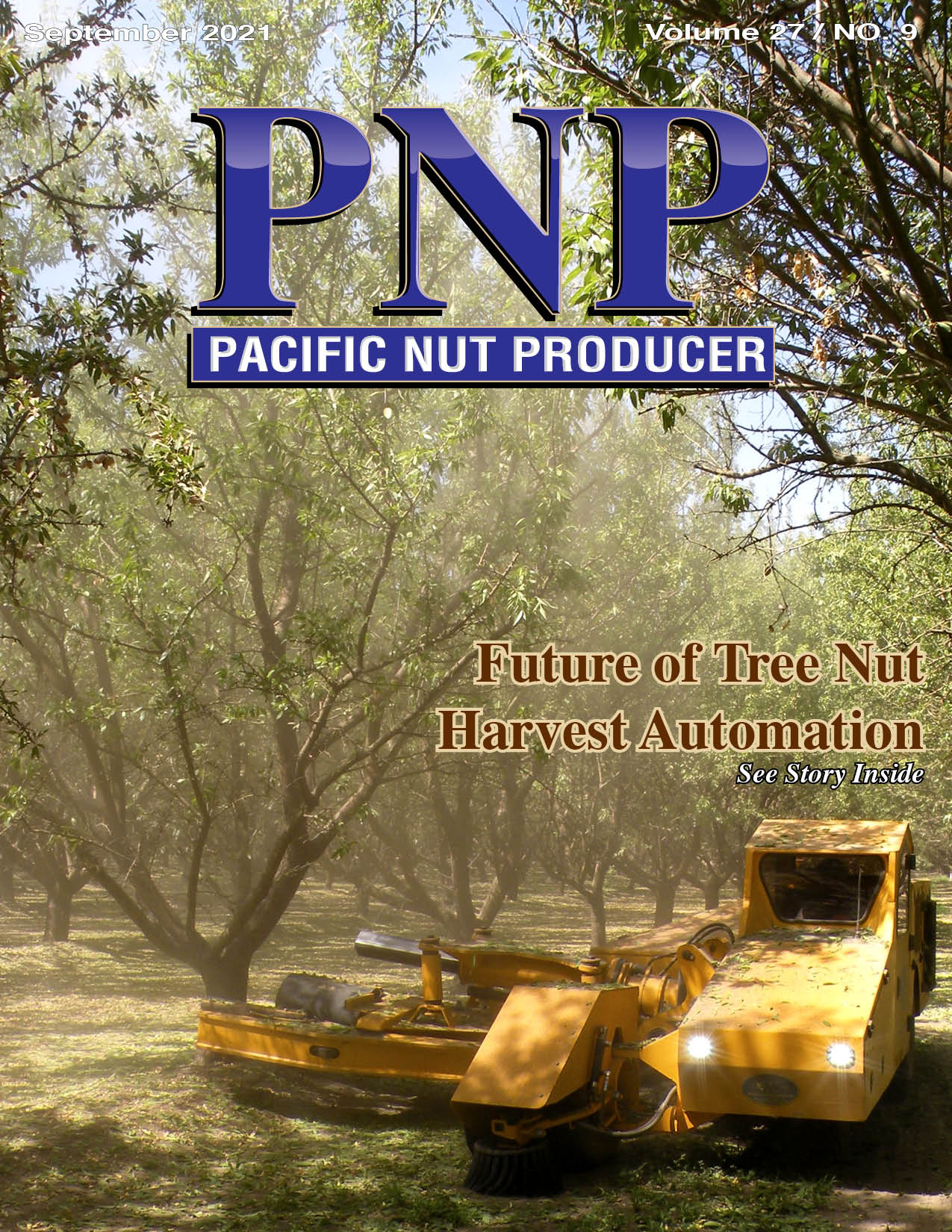
    The Future of Harvest Automation Begins Now
    Mechanical Harvesters to Meet the Natural Frequency of Each Tree

    Oregon Hazelnut Industry Triples in Size
    Acreage Trends Support Steady Growth

    New USDA Researcher Spotlight
    Angel Acebes-Doria to Support Macadamia Nut Growers

    September Orchard Tasks
    Almonds, Hazelnuts, Pecans, Pistachios, Walnuts

    [/three_fifth_last]

  • Upcoming Legislation on Product Packaging Concerns California Farmers

    Upcoming Legislation on Product Packaging Concerns California Farmers

    As if transportation issues and port congestion weren’t challenging enough for California agriculture and other industries, further legislation to regulate the type of packaging producers can use to ship their products is pending state approval. Watch this brief video with Almond Alliance of California’s lobbyist Dennis Albiani how this will impact agriculture, and read more about it in Pacific Nut Producer Magazine.
    Please thank this video’s sponsor Suterra for their industry support.
  • New Incentives & Funding for Alternatives to Ag Burning

    New Incentives & Funding for Alternatives to Ag Burning

    Almond Alliance of California — Today, the San Joaquin Valley Air Pollution Control District made several decisions which impact the California almond industry.

    The District accepted and appropriated $178,200,000 in state funding and approved enhancements to alternatives to the open burning incentive program. These funds were divided into two categories of incentives.

    • First, increase funding and expand incentives to the District Alternatives to Agricultural Open Burning Program.
    • Second, to ensure adequate capacity to accommodate increase in chipping, the District is proposing to expand the program to include new options for purchasing of chipping and grinding equipment. The criteria will require that any funded equipment is used specifically for expanding Central Valley chipping capacity as open burning is phased out. 
    New Incentive Program Enhancements:
    • Eliminate current $60,000 per year funding cap per entity.
    • Dedicate 30% of funding for smaller ag operations.
    • Additional incentives for small ag operations.  Provide an additional $100/acre for each incentive category to operations (<100 total acres).
    • Expand options for disposition of chipped material through beneficial re-use.
    • Revised per acre incentive amounts by crop type.
    • Increase incentive amount for cane and cordon-pruned vineyard material.
    • Maintain current incentive amount for orchard removal material.
    To View the Full Narrative, Click Here.
    New Incentive Option for Expansion of Chipping Capacity (New Equipment Purchase):
    • Anticipated launch date is September 1, 2021, pending receiving funding from the state.
    • Funding amount is initially allocated up to $30,000,000 for new equipment purchases.
    • Eligible participants are chipping and shredding contractors with demonstrated experience operating services for the chipping of ag material.
    • Eligible equipment are new tier 4 chippers and grinders for the purpose of processing woody ag waste.
    • Incentive amounts are up to 65% of the cost of eligible  equipment with a cap of $2,000,000 per participant.
    • First come, first serve, based on submittal of a complete application.
    • Participant requirements are required to sign a legally binding agreement with the District.  For more details feel free to contact the Almond Alliance. 
    Funding to Replace Agricultural Tractors and Heavy Duty Diesel Trucks:
    The District accepted $5,579,036 from US EPA for the following uses:
    • $2,789,518 to replace heavy-duty diesel trucks that have 2016 or older model year engines with low-NOx natural gas trucks;
    • $2,789,518 to replace agricultural tractors that have uncontrolled, Tier 1 or Tier engines with new agricultural tractors that have Tier 4 engines.
    • To learn more about these opportunities, please visit:
      • Mobile Agricultural Equipment Replacement, Click Here.
      • Heavy Duty Diesel Truck Replacement, Click Here
    To View All of the District’s Incentive Program Guidelines, Click Here.

    For more specific details, please contact the Almond Alliance.

  • New Director Leaders at the Almond Board of California

    New Director Leaders at the Almond Board of California

    The new Board of Directors of the Almond Board of California (ABC) took their seats on Wednesday with five voting members – three of them new to the board – beginning new terms to help oversee ABC’s support of one of California’s most important agricultural crops.

    Board members, whose terms officially began Aug. 1, also elected Brian Wahlbrink as chair and George Goshgarian Jr. as vice chair.

    “This is a knowledgeable, talented board,” Wahlbrink said. “Our board members come from across our industry and around our state. They bring a great energy and an impressive range of experience, and we’re all eager to continue moving California almonds forward as one of the state’s most valuable and important crops.”

    The 10-member board of ABC has five grower members – three representing independent growers and two representing growers working with cooperatives – and five handler members, also with three independents and two co-op reps.

    The new grower representatives are:

    • Paul Ewing, an independent from RPAC Almonds in Los Banos. He was re-elected and takes a 1-year term.
    • Joe Gardiner, an independent from Treehouse California Almonds in Earlimart. He was an alternative on the previous board and takes a 3-year term.
    • Christine Gemperle, a co-op grower from Gemperle Orchards in Ceres. She was also a former alternate and takes a 3-year term.

    The new handler representatives are:

    • Darren Rigg, an independent handler from Minturn Nut Co in Le Grand. He was re-elected and takes a 1-year term.
    • Bob Silveria, an independent handler from Vann Family Orchards in Williams. He will serve a 3-year term.

    In addition, the board has five new alternates:

    • Brandon Rebeiro, an independent grower from Gold Leaf Farming in Modesto.
    • Chris Bettencourt, an independent grower from Westley.
    • Kent Stenderup, a co-op grower from Stenderup Ag Partners in Bakersfield and former chair of the ABC Board.
    • Dexter Long, an independent handler from Hilltop Ranch in Ballico. He was re-elected as an alternate.
    • Chad DeRose, an independent handler from Famoso Nut Co. in McFarland. He was also re-elected as an alternate.

    The ABC board sets policy and recommends budgets to the Secretary of Agriculture in major areas including production research, public relations and advertising, nutrition research, statistical reporting, quality control and food safety.

    About the Almond Board of California

    ABC is a Federal Marketing Order dedicated to promoting California almonds to domestic and international audiences through marketing efforts and by funding and promoting research about almonds’ health benefits, efficient and sustainable farming, food safety and more. ABC works on behalf of the more than 7,600 almond growers and processors in California, many of whom are multi-generational family operations.

  • Pacific Nut Producer August Issue

    Pacific Nut Producer August Issue

    PNP821
    Pacific Nut Producer August Issue

    [btn btnlink=”https://malcolmmedia.com/order-a-back-issue/back-issue-pacific-nut-producer-magazine/” btnsize=”full” txtcolor=”#ffffff” color=”#FFF” bgcolor=”#492500″ btnnewt=”1″ nofollow=”1″]Order A Back Issue[/btn]

    [btn btnlink=”http://malcolmmedia.com/pacific-nut-producer-magazine-subscriptions/” btnsize=”full” txtcolor=”#ffffff” bgcolor=”#492500″ btnnewt=”1″ nofollow=”1″]Subscribe Free[/btn]
    [three_fifth_last]

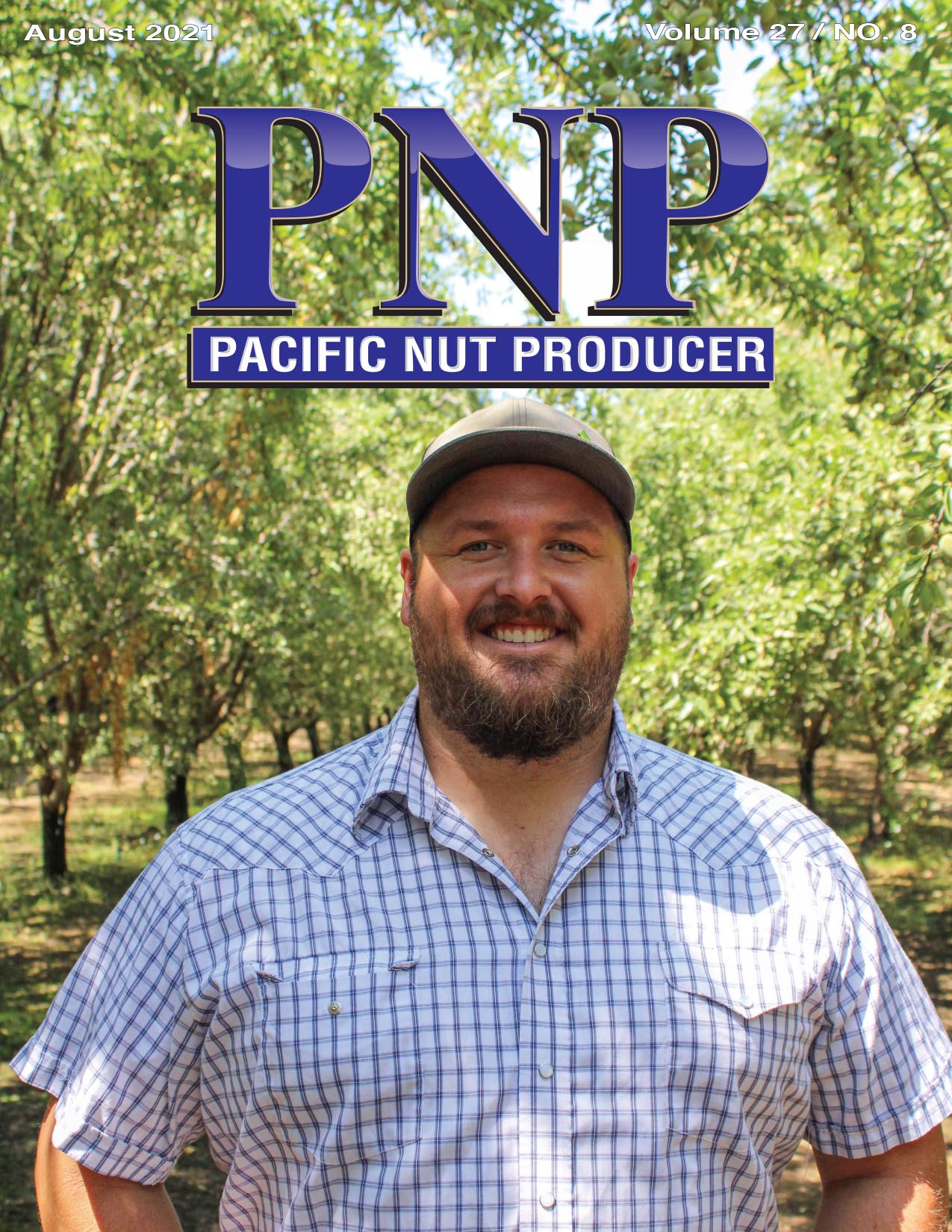
    Contents of the August Issue:

    Ryan Valk Educates & Entertains
    Fifth Generation Farmer Connects Using Social Platform

    Pollination Points
    Considerations for Cover Crops in Drought Conditions

    August Orchard Tasks
    Almonds, Hazelnuts, Pecans, Pistachios, Walnuts

    [/three_fifth_last]