Category: Almonds

  • New Report on Intersection of SGMA and Cover Crop Water Use in California’s Central Valley

    New Report on Intersection of SGMA and Cover Crop Water Use in California’s Central Valley

    A multi-disciplinary authorship group of over 30 individuals has published a report comprised of literature review, policy analysis, and recommendations pertaining to the water impacts of cover crop practices in California’s Central Valley under the Sustainable Groundwater Management Act (SGMA).

    The report, entitled “Cover Cropping in the SGMA Era,” is the product of a convening process jointly developed by the California Association of Resource Conservation Districts (CARCD), California Department of Food and Agriculture (CDFA), Natural Resources Conservation Service of California (NRCS-CA), and University of California Agriculture and Natural Resources (UC ANR) and assembled by Sustainable Conservation.

    Cover Crops and their Potential

    Cover crops are non-income generating crops that are used to protect and improve the soil between regular annual crop production (such as tomatoes), or between rows of perennial tree and vine crops. The benefits of cover cropping include improved pollinator habitat, infiltration, water storage, carbon capture, and soil health, as well as decreased runoff and erosion – all vital factors in California’s changing agricultural context. These potential benefits are especially salient in the San Joaquin Valley (SJV), where groundwater challenges are more acute. Thus, this report evaluates the water implications of cover cropping practices to lay the groundwork for their adoption in the context of SGMA.

    Report Findings and Recommendations

    To understand the potential of cover cropping under SGMA, the report’s authors came together to answer the following questions:

    1. What are the impacts of cover crops on water cycles (both benefits and use) for California farms?
    2. How does SGMA management account for cover cropping and is it capturing cover crop benefits alongside their water use?
    3. How can we ensure that this practice remains available to growers where and when it makes sense?

    This report synthesizes the learnings from the collaborative initiative including 100+ multidisciplinary experts, a policy analysis, interviews with Groundwater Sustainability Agency (GSA) staff and consultants, and the expertise contributed by its 30+ authors. In light of these findings, the report advances a series of recommendations aimed at bridging critical knowledge gaps, enhancing the integration of cover crops into policies and incentive programs, and bolstering data infrastructure and other mechanisms to support sustainable groundwater management initiatives. One vital throughline is the need for additional guidance from the state to support local GSAs in facing the complex challenges of developing and implementing groundwater management strategies for their local watersheds. These measures aim to maximize the water benefits of cover crops within SGMA frameworks and promote sustainable water management practices crucial for the region’s agricultural resilience and environmental health.

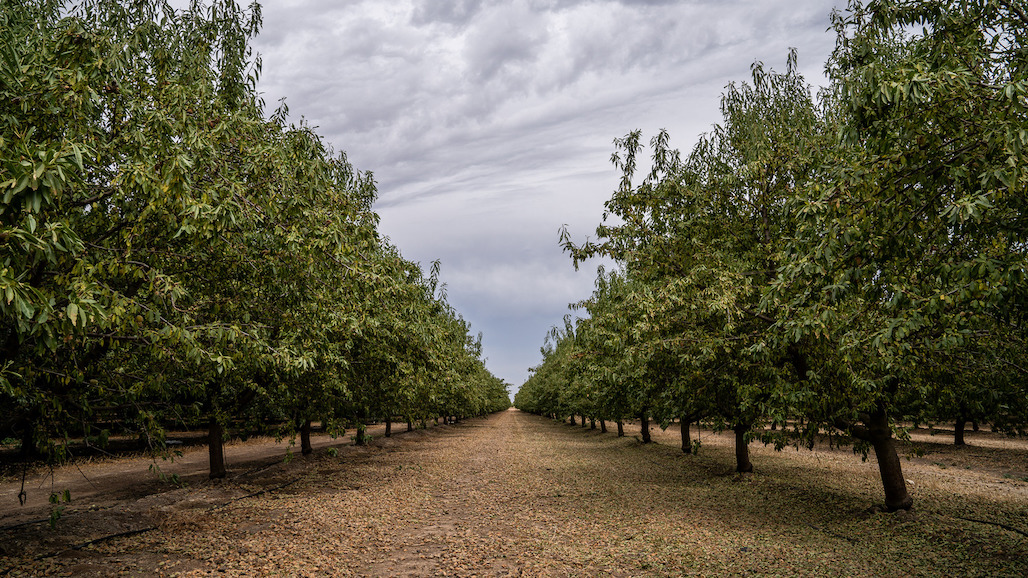
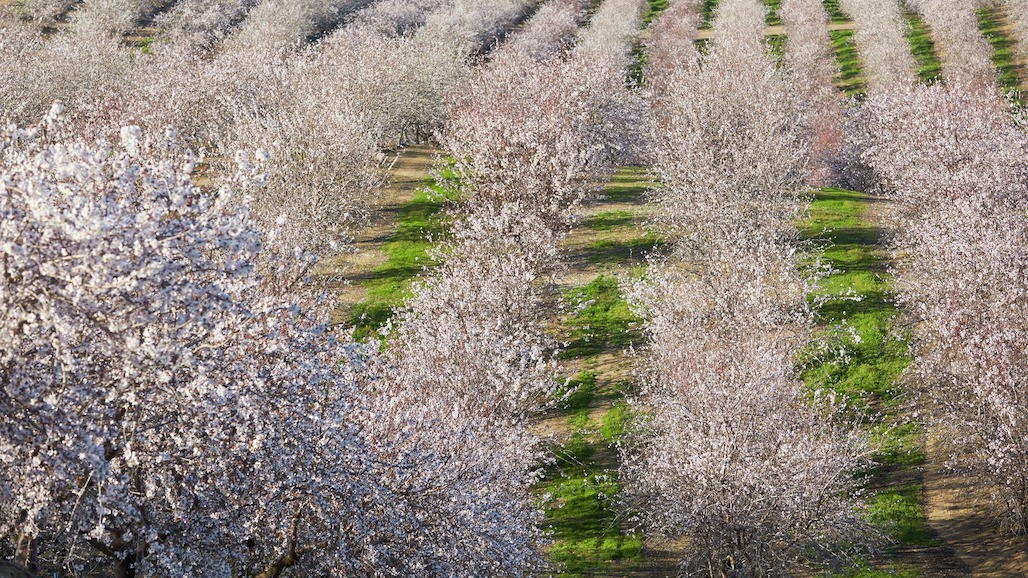
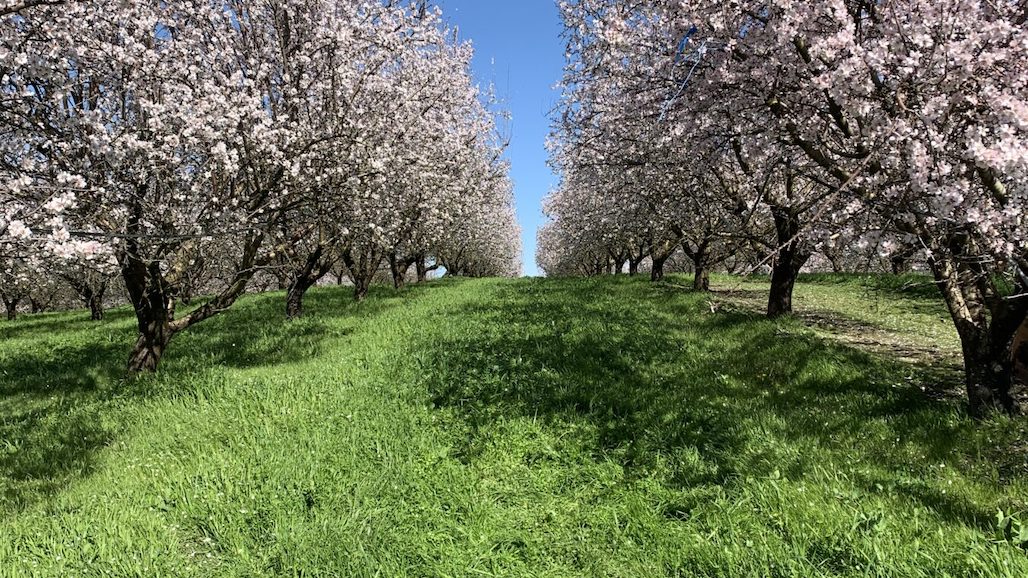
    Side-by-side of Donny Hick’s almond orchard without (left) and with (right) cover crops after a big rain event

    Testimonials

    “Cover crops are one of the most popular practices we see farmers employ through our Healthy Soils Program,” said Karen Ross, Secretary of the CDFA. “Cover crops supply a host of benefits, such as helping to protect against soil erosion, improving soil health, crowding out weeds, controlling pests and diseases, and increasing biodiversity; and they can bring increased profitability as the number of other inputs are reduced. They also provide water benefits such as improved infiltration and reduced runoff. Yes, cover crops require a nominal amount of water to establish – and sometimes rainwater is sufficient — but the myriad co-benefits are worth it.”

    “This report is unique because the University collaborated closely with state agencies and private sector partners to ensure that the different perspectives provided both the best science available as well as viable policy options,” said Glenda Humiston, University of California Vice President for Agriculture and Natural Resources (UC ANR). “By taking a comprehensive view, we can advance recommendations for cover crop policy that help us meet multiple goals, manage our natural resources more effectively, and avoid unintended consequences.”

    “Cover crops are a valuable soil health practice that can help ensure the resilience of California farms to climate extremes,” said Sarah Light, UC Cooperative Extension Agronomy Farm Advisor. “As we balance the complexities of water and soil management, it is important to understand the role that cover crops play in an annual water budget so that they are not disincentivized in certain parts of the state. UC ANR expert participants provided science-based information during the convening sessions and co-authored the white paper. This paper can provide guidance to GSAs and policy makers who are charged with implementing SGMA in their regions.”
    View the Executive Summary

    View the Full Report

  • Initial Almond Crop Forecast Up 21 Percent from Last Year

    Initial Almond Crop Forecast Up 21 Percent from Last Year

    The 2024 California Almond Forecast published Friday by the U.S. Department of Agriculture’s National Agricultural Statistics Service (USDA-NASS) estimates that the crop harvested in 2024 will come in at 3 billion pounds, 21 percent above last year’s 2.47 billion pounds.

    Forecasted yield is 2,170 pounds per acre, up 380 pounds from the 2023 harvest.

    “This larger crop estimate is what the industry expected after a productive bloom this spring, but it is also a testament to the hard work done by almond farmers throughout California during difficult times,” said Clarice Turner, president and CEO of the Almond Board of California. “Demand for California almonds around the globe continues to grow and our almond farmers constantly deliver on producing high quality California almonds to meet that demand.”

    The report said, “The 2024 almond crop experienced fluctuating, but mostly favorable weather for the first half of the growing season. The bloom began the second week in February for the early varieties. There were a handful of storms that brought rain, wind, and hail to some areas, but overall mild temperatures and excellent weather from the end of February into early March helped boost pollination. Bee hours were reported to be significantly higher than last year … There was minimal to no threat of frost damage and water allocation is not an issue for the second year in a row.

    This Subjective Forecast is the first of two production reports from USDA-NASS for the coming crop year. It is an estimate based on opinions from a survey conducted from April 19 to May 5 of 500 randomly selected California almond growers. The sample of growers, which changes every year, is spread across regions and different sized operations, and they had the option to report their data by mail, online or phone.

    On July 10, USDA-NASS will release its second production estimate, the 2024 California Almond Objective Report, which will be based on actual almond counts in approximately 1,000 orchards using a more statistically rigorous methodology to determine yield. If the 3.0 billion pounds holds, it would be the second largest crop on record.

    This Subjective Forecast comes two weeks after Land IQ’s 2024 Standing Acreage Initial Estimate found that bearing almond acreage in California has decreased about 600 acres from the previous year to 1.373 million acres.

    USDA-NASS conducts the annual Subjective Forecast and Objective Report to provide the California almond industry with the data needed to make informed business decisions. These reports are the official industry crop estimates.

  • Steve Koretoff & Flory Industries Named Almond Alliance Members of the Year

    Steve Koretoff & Flory Industries Named Almond Alliance Members of the Year

    At its annual convention held this year in Lihue, Hawaii, the Almond Alliance recognized an exceptional business (Flory Industries) and individual (Steve Koretoff) as its 2023/2024 Members of the Year.

    Flory Industries has been an integral part of Central California agriculture since 1936 and has been selected as the Associate Member of the Year. Flory Industries’ expertise and support of almond industry advocacy have reinforced the company’s position as an essential contributor to the industry’s growth and success.

    “Flory Industries’ deep roots in Central California agriculture and their commitment to innovation have made them a vital partner in the almond industry,” said Aubrey Bettencourt, outgoing President and CEO of the Almond Alliance. “Their increased activity within the Almond Alliance has amplified advocacy efforts and strengthened the industry’s voice.”

    Flory Industries was awarded Associate Member of the Year at the 2024. Left to Right: Blake Vann, Chairman of the Almond Alliance; Jason Flory, CEO of Flory Industries; Todd Wille, COO of Flory Industries; and Katie Staack, Vice Chair of the Almond Alliance.

    In recognition of his contributions to the almond industry and the Alliance, Steve Koretoff was awarded the Member of the Year. Grower, processor, and handler Koretoff marks the second generation at Purity Organics and has completed his second term as Secretary of the Almond Alliance. Through his dedication and strong moral character, he has contributed calm wisdom to the leadership of the Executive Committee, the Board of Directors, the Grower Committee, and the greater almond community.

    “Steve embodies the essence of excellence in our almond community,” Bettencourt said. “His unwavering commitment to the industry and remarkable leadership as Secretary of the Almond Alliance has not only earned him this prestigious honor but has also left an indelible mark on our collective journey.”

    About the Almond Alliance
    Almond Alliance is the leading authority in state and national policy, championing American almond farmers, industry, and community for the continued global growth, innovation, and success of American almonds and agriculture. As the voice of almonds, the Alliance represents the fourth-largest commodity in the United States and the third-largest American export.

    Established in 1980, the Almond Alliance is a non-profit trade association with a local and international network of almond processors, hullers/shellers, growers, and allied businesses. The Alliance is dedicated to providing resources and solutions for our members, ensuring industry success and growth opportunities. Learn more at almondalliance.org.

  • Almond Board of California 2024 Elections Underway

    Almond Board of California 2024 Elections Underway

    Elections are underway, and almond growers have the opportunity to vote for and select two independent grower positions and two independent handler positions on the Almond Board of California Board of Directors. Alternate seats for those spots are also on the ballot. Voting ends May 23.

    Candidates for the independent grower positions:

    Grower Position #1, Member (1-year term):             Grower Position #1, Alternate:

    Paul Ewing, Los Banos (incumbent)                         Katie Staack, Hughson (incumbent)

    Grower Position #3, Member (3-year term):              Grower Position #3, Alternate

    Joe Gardiner, Earlimart (incumbent)                          No declared candidate

    Candidates for the independent handler positions:

    Handler Position #2, Member (3-year term):             Handler Position #2, Alternate:

    Bob Silveira, Williams (incumbent)                            Dexter Long, Ballico (incumbent)

    Justin Morehead, Coalinga (petitioner)

    Handler Position #3, Member (1-year term):             Handler Position #3, Alternate:

    Darren Rigg, Le Grand (incumbent)                           Chad DeRose, McFarland (incumbent)

    Ballots and instructions have been mailed to all independent growers and handlers whose names are on file with ABC. Ballots must be received by ABC by May 23. Any independent grower or handler who does not receive a ballot can contact Toni Arellano at tarellano@almondboard.com.

    “Every vote is important, and it’s equally important to have as much of the industry as possible represented in the voting,” said ABC President and CEO Clarice Turner. “The Board of Directors represents more than 7,600 growers and 100 handlers. They guide the work of the Almond Board to help the industry build a positive future in these complicated times.”

    All details, documents, open positions, timelines and frequently asked questions can be found at Almonds.com/Elections.

    The ABC board is made up of five handler and five grower representatives. It sets policy and recommends budgets in major areas, including marketing, production research, advertising, public relations, nutrition research, statistical reporting, quality control and food safety.

    Results will be announced June 1 and the new board will start its term Aug. 1.

  • California Bearing Almond Acreage Drops for the First Time in Decades

    California Bearing Almond Acreage Drops for the First Time in Decades

    California’s bearing almond acreage decreased slightly over the past year, according to a new report from Land IQ to the Almond Board of California (ABC). It is the first time since at least 1995 that the total of bearing acres has not grown.

    Land IQ’s 2024 Standing Acreage Initial Estimate issued recently looked at bearing acreage – orchards planted before 2022 and that have matured enough to produce a crop for the coming 2024 harvest. It estimated that bearing almond orchards at harvest will cover 1.373 million acres across California, a decrease of about 600 acres.

    In addition, Land IQ estimates that approximately 71,000 acres of orchards will be removed by the end of the crop year, adding to the 83,000 acres removed in the 2023-24 crop year, according to Land IQ’s estimate issued in November last year.

    While the bearing acreage drop may be small – far less than 1 percent – it marks the first time since at least 1995 that bearing acreage has not increased, according to numbers issued previously by the USDA-National Agricultural Statistics Service (USDA-NASS), and with the orchard removals continues a trend over recent years of decreasing almond acreage in California.

    “The decrease in bearing acreage and continued orchard removals, coupled with drops in overall acreage and non-bearing acreage the last two years, signal a probable trend toward lower overall California almond acreage,” said Clarice Turner, ABC president and CEO. “We continue to see strong shipments this year, so we know global demand for California almonds continues to grow. There is no doubt that almonds will continue to have a very significant role in California and global agriculture and food industries for the foreseeable future.”

    The Land IQ report is a snapshot of the coming 2024 harvest but does not offer an estimate on the actual almond yield this 2024-25 crop year. A fuller picture of crop size will come with USDA-NASS’ Objective Report in July.

    Land IQ’s estimate covers bearing acreage and removals from Sept. 1, 2023 to Aug. 31, 2024. Note that the almond crop year runs Aug. 1-July 31, so this estimate looks at the harvest for the 2024-25 crop year.

    Land IQ will issue a final acreage report on the 2024-25 crop year in November that will include total acreage along with bearing and non-bearing acres. Their report in November 2023 found that California’s total almond acreage had dropped two years in a row to 1.56 million acres.

    Land IQ’s Initial Estimate and its Final Acreage Estimate in November are commissioned by ABC to provide statistical transparency and a robust picture of California almonds to industry stakeholders around the world. In 2018, ABC first commissioned Land IQ, a Sacramento-based agricultural and environmental scientific research and consulting firm, to develop a comprehensive, living map of California almonds, with the first report issues in 2019. The map is the result of more than a decade of research.

    About the Almond Board of California

    California almonds make life better by what we grow and how we grow. The Almond Board of California promotes natural, wholesome and quality almonds through leadership in strategic market development, innovative research, and accelerated adoption of industry best practices on behalf of the more than 7,600 almond farmers and processors in California, most of whom are multi-generational family operations. ABC is a non-profit organization that administers a grower-enacted Federal Marketing Order under the supervision of the USDA. It was established in 1950 and is based in Modesto, CA. For more information on the Almond Board or California almonds, visit Almonds.com.

  • Almond Prices Expected to Rise in 2024, Setting Stage for a Positive 5-Year Forecast

    Almond Prices Expected to Rise in 2024, Setting Stage for a Positive 5-Year Forecast

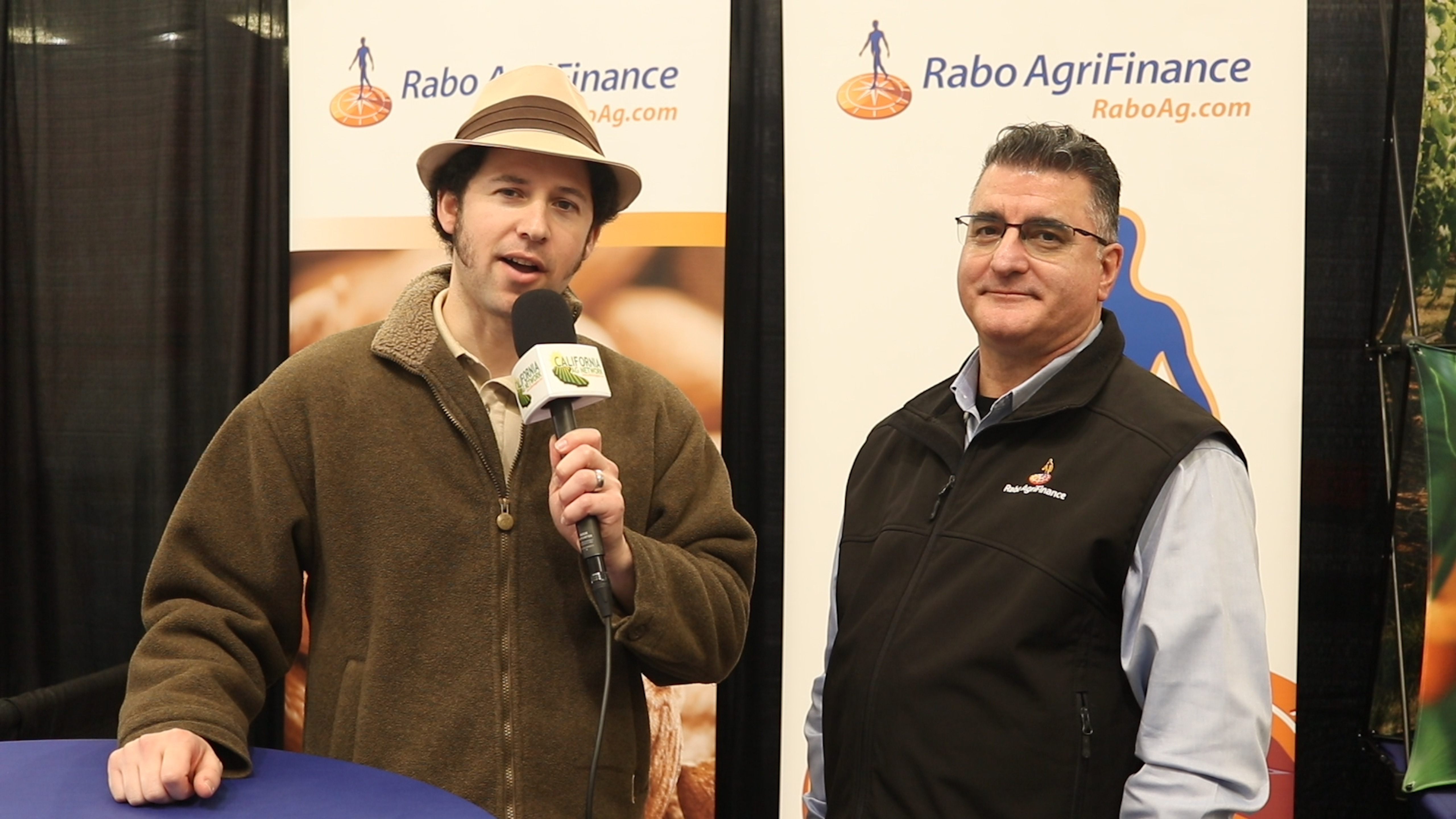
    The next five years appear to be much brighter for the California almond industry than the last couple years of depressed market conditions, according to a recent RaboResearch Food & Agribusiness report.  Prices are expected to rise this season, but how much, and how soon will they climb to profitable levels? Pacific Nut Producer Editor Matthew Malcolm spoke with Roland Fumasi from Rabobank to find out. Watch this brief interview and learn more in Pacific Nut Producer Magazine.

  • Almond Alliance Celebrates as WIC Expands Food Offerings to Include Almond-Based Alternatives

    Almond Alliance Celebrates as WIC Expands Food Offerings to Include Almond-Based Alternatives

    In response to persistent advocacy efforts initiated in October 2022 and a formal request filed in February 2023, the Almond Alliance is celebrating the inclusion of almond-based dairy alternatives and the authorization of nut and seed butters as alternatives to peanut butter in the Special Supplemental Nutrition Program for Women, Infants, and Children (WIC).

    This marks an important milestone in promoting nutrition security, maternal and child health, and enhancing dietary options. Based on science-based recommendations from the National Academies of Science, Engineering, and Medicine (NASEM) and the Dietary Guidelines for Americans, 2020-2025, the Biden Administration’s finalized updates reflect a progressive approach to addressing dietary restrictions, accommodating allergies, and promoting nutrient density. As a source of choline, iron, and protein for pregnant mothers, as well as iron and zinc for infants and toddlers, almonds have been demonstrated to be healthy for growth and development.

    WIC’s enhancements not only provide access to vital nutrients but also foster inclusivity by catering to diverse dietary preferences and needs,” said Aubrey Bettencourt, President and CEO of the Almond Alliance. “Our team is delighted to see almond-based dairy alternatives offered as lactose-free alternatives and as a means of promoting choice within the category. Further, the inclusion of nut and seed butters as substitutes for peanut butter demonstrates a commitment to addressing food allergies while providing nutritious alternatives.”

    The Almond Alliance applauds Secretary of Agriculture Tom Vilsack for championing these participant-driven changes for WIC, which not only improve access to essential nutrients but also uphold the values of equity and choice. As a result of the inclusion of almond products in the WIC food packages, participants are now able to enjoy enhanced flexibility and cater to their diverse food needs, further enhancing their health and well-being.

    As the Almond Alliance celebrates these victories, it reaffirms its commitment to advocating for innovative solutions within the agricultural and nutritional landscape that promote health, sustainability, and inclusivity.

    About the Almond Alliance
    Almond Alliance is the leading authority in state and national policy, championing American almond farmers, industry, and community for the continued global growth, innovation, and success of American almonds and agriculture. As the voice of almonds, the Alliance represents the fourth-largest commodity in the United States and the third-largest American export.

    Established in 1980, the Almond Alliance is a non-profit trade association with a local and international network of almond processors, hullers/shellers, growers, and allied businesses. The Alliance is dedicated to providing resources and solutions for our members, ensuring industry success and growth opportunities. Learn more at almondalliance.org

  • Almond Alliance Announces Leadership Transition

    Almond Alliance Announces Leadership Transition

    Today, the Almond Alliance Board of Directors announced that our esteemed President and CEO, Aubrey Bettencourt, will be leaving the organization after nearly three years of dedicated service.

    “As President of the Almond Alliance, Aubrey showed exceptional vision and commitment, guiding us through a period of significant growth and accomplishments,” said Blake Vann, Chairman of the Almond Alliance. “Her leadership has yielded results for its members and the almond industry as a whole – and under her guidance, the Alliance has established itself in a position of influence. We are incredibly grateful for her contributions and unwavering dedication to the success of the California almond industry.”

    During Aubrey’s tenure, the Alliance’s advocacy grew exponentially, retaining permanent representation in Washington, D.C., and Sacramento. Communications was a top priority for Aubrey, as she developed a comprehensive communications platform to better inform and engage membership, political officials, and the general public. In addition to facilitating the Almond Express’ transport strategy during the supply chain crisis, she navigated crop insurance reforms and disaster assistance, and she led the development of DWR’s LandFlex program, which provided $25M to growers for groundwater recharge and SGMA compliance. Additionally, she established the Almond Alliance Foundation, which received a $2 million CDFA grant for the Pollinator Alliance to support pollinator health by expanding pollinator habitats on working almond farms.

    In a reflection on her time with the Alliance, Bettencourt noted: “Over the past two and a half years, the Almond Alliance has achieved its goal—it has established itself in a position of influence in the almond industry and agriculture throughout the nation. Today, it is regarded as a highly successful, effective, and member-focused advocacy organization. A leading advocate for the almond industry and the voice of American almonds, the Alliance delivers results for its members and the industry. I am so very proud of this team, and have full confidence in our ongoing work for this incredible industry and community.”

    We are excited to announce an extensive search for the next President & CEO is underway. We are looking for a dynamic and proven leader who displays strategic vision, organizational development, and a passion for American agriculture. As leader of the Alliance, this individual will ensure the continued strength and leadership of American almonds and advocate for the entire almond community – growers, hullers, processors, and consumers.

    “We are confident that a strong pool of candidates will emerge, and we look forward to choosing a leader who will build upon this foundation,” Vann concluded.

    Aubrey’s invaluable contributions to the Alliance and the almond community are greatly appreciated. We wish her the best of luck in her future endeavors.

    We will provide updates on the search for the next President/CEO as they become available.

    About the Almond Alliance
    Almond Alliance is the leading authority in state and national policy, championing American almond farmers, industry, and community for the continued global growth, innovation, and success of American almonds and agriculture. As the voice of almonds, the Alliance represents the fourth-largest commodity in the United States and the third-largest American export.

    Established in 1980, the Almond Alliance is a non-profit trade association with a local and international network of almond processors, hullers/shellers, growers, and allied businesses. The Alliance is dedicated to providing resources and solutions for our members, ensuring industry success and growth opportunities. Learn more at almondalliance.org

  • Almond Growers Anticipate Solid Crop Following Successful Bloom

    Almond Growers Anticipate Solid Crop Following Successful Bloom

    Despite some early spring rainstorms, the 2024 California almond crop is off to a great start after what turned out to be a very successful bloom. Watch this brief video as Pacific Nut Producer Editor Matthew Malcolm discusses this with agricultural data analyst Megan Nunes, CEO of Bountiful.

  • Plant-Based Dairy Substitutes Demand Surges as Lactose Intolerance Rises in India

    Plant-Based Dairy Substitutes Demand Surges as Lactose Intolerance Rises in India

    Amidst growing concerns over lactose intolerance and dairy allergies, India is witnessing a surge in demand for plant-based dairy substitutes. Despite challenges like low consumer awareness and higher costs, the country’s affluent middle class and environmentally conscious younger demographics are driving the adoption of plant-based food and beverages. This trend is poised to propel the Indian market for milk alternatives by a value compound annual growth rate (CAGR) of 6-8% over 2023-27*, according to GlobalData, a leading data and analytics company.

    Mani Bhushan Shukla, Consumer Analyst at GlobalData, comments: “Plant-based dairy alternatives are making their way into the market, influenced by global health and ethical consumer trends. Over the years, it has been revealed through multiple research studies that nearly 60% of the Indian population suffers from lactose intolerance or dairy allergies. Nonetheless, a large proportion of these consumers remain unaware of their medical condition and continue to consume dairy products without seeking any medical intervention.”

    Francis Gabriel Godad, Consumer Business Development Manager at GlobalData India, notes: “Since the onset of the COVID-19 pandemic, there has been a notable emphasis on health, leading to a significant rise in the popularity of vegetarian, vegan, and flexitarian diets. Furthermore, the escalating concerns regarding milk adulteration and the widespread use of antibiotics in cattle farms have resulted in a heightened demand for dairy-free alternatives. Additionally, consumers who prioritize eco-friendliness opt for non-dairy milk options such as coconut, almond, and cashew milk, as these products are produced ethically and have a lower carbon footprint.”

    This aligns with GlobalData’s Q4 2023 consumer survey finding that 79% of Indian consumers find “plant-based” product attribute as either essential or nice-to-have when making purchasing decisions**.”

    Shukla adds: “Younger consumers find plant-based products more appealing than older consumers, likely due to greater access to information (particularly with higher online use) regarding the health as well as environmental benefits of consuming plant-based alternatives.”

    Godad concludes: “By focusing on pricing, flavor, and texture of dairy alternatives, manufacturers can successfully target Millennials and Gen Z cohorts and gain widespread acceptance. These consumer segments are more likely to be enticed by such offerings. Moreover, manufacturers can compete more effectively if they offer customized options that are tailored to specific consumer needs. Considering the high prevalence of lactose-intolerance among Indians, dairy-alternatives has the potential to revolutionize the plant-based dairy substitutes market.”

    *GlobalData Consumer Intelligence Center – Market Analyzers, accessed in March 2024

    **GlobalData Q4 2023 Consumer Survey­ – India, published in December 2023, with 564 respondents

    About GlobalData

    4,000 of the world’s largest companies, including over 70% of FTSE 100 and 60% of Fortune 100 companies, make more timely and better business decisions thanks to GlobalData’s unique data, expert analysis, and innovative solutions, all in one platform. GlobalData’s mission is to help our clients decode the future to be more successful and innovative across a range of industries, including the healthcare, consumer, retail, financial, technology, and professional services sectors.