Category: Non-Video

  • Dennis Woods to Lead New American Pistachio Growers Board as Chairman

    Dennis Woods to Lead New American Pistachio Growers Board as Chairman

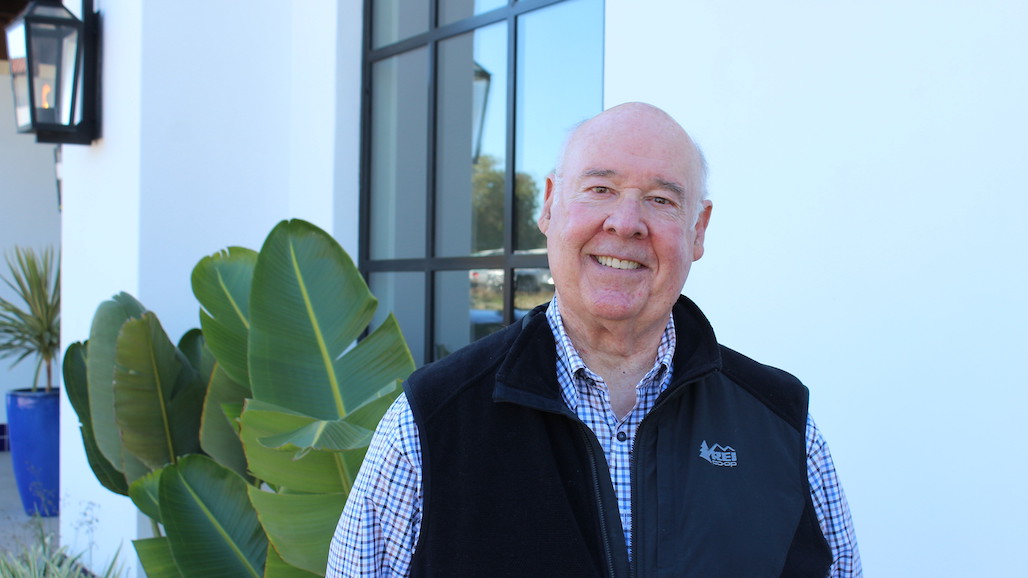
    The election results for six Board seats, for the 2022 American Pistachio Growers (APG) Board of Directors, were recently announced during the Annual Membership Meeting. The newly elected board members are Adam Kusmak of Tularosa Pistachio Groves, New Mexico, and from California, William Bourdeau of Harris Farms, Paul Huckabay of Keenan Farming Company, Raj Kahlon of RHM Farms, Jim Zion of LJL Farming, and Ali Amin of Primex Farms, who has been re-elected to the board for a second term. Rudy Placencia of Touchstone Pistachio Company was appointed to the Board in November to fill a vacant seat.

    The 2022 APG officers were also unanimously confirmed for the year: Dennis Woods, Chair; Vice Chair Justin Wylie; and Rich Kreps Secretary/Treasurer. As for the six who have completed their terms of service, APG offers their heartfelt gratitude to them. The invaluable leadership and the many hours of volunteering that Dominic Pitigliano, Gary Smith, Steve Moore, Steve Burcham, and Danielle Kusmak gave, on behalf of APG, is deeply appreciated.

    American Pistachio Growers’ Board of Directors consists of 18-member growers who bring a diverse range of knowledge, perspective and experience to the association. Board members, elected by APG growers, serve a 3-year term, and may serve up to 2 consecutive terms.

  • Pistachio Growers Ronnie and Tom Clark Announced Kiwanis Farmers of the Year

    Pistachio Growers Ronnie and Tom Clark Announced Kiwanis Farmers of the Year

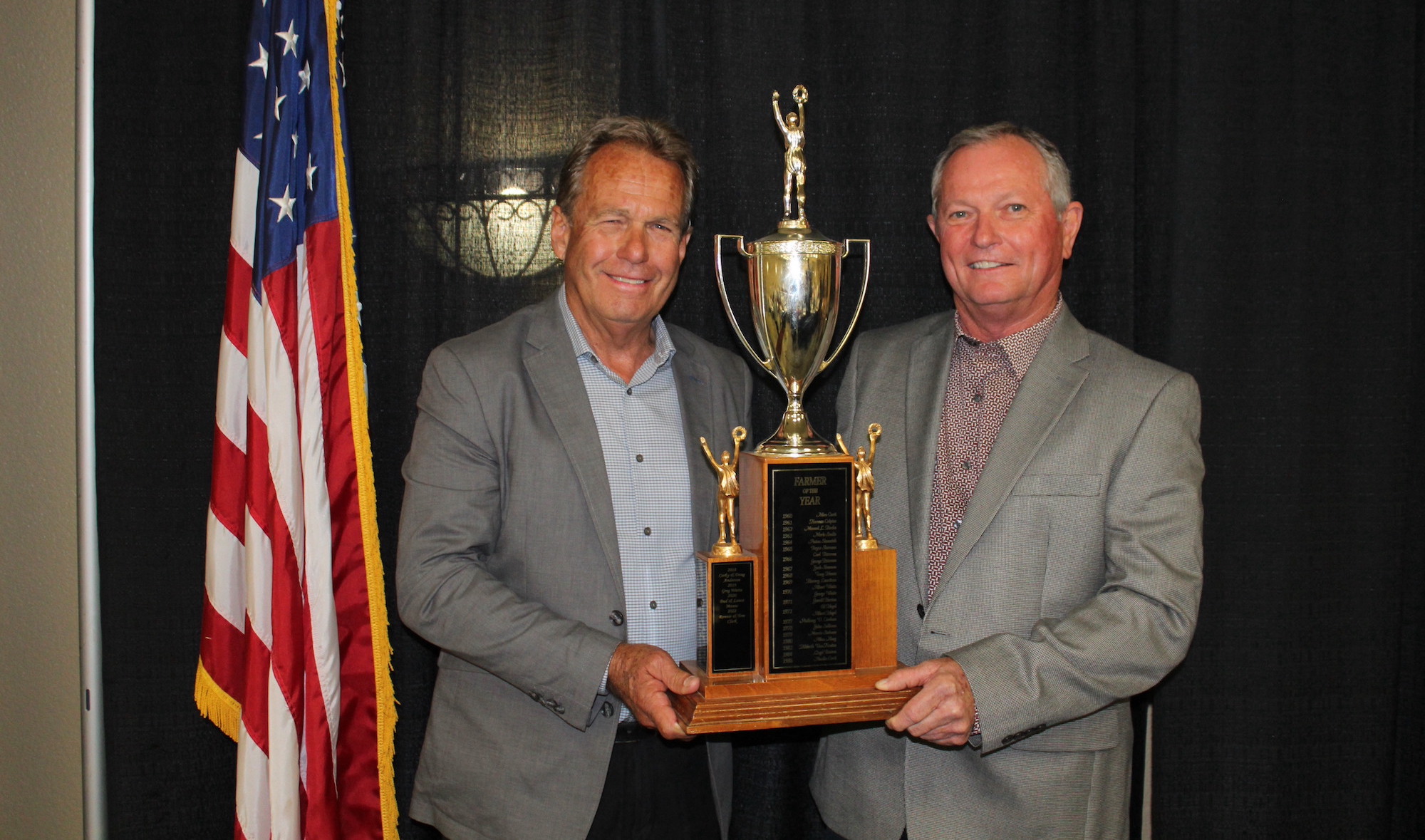
    The “Noon” Kiwanis Club of Tulare recently presented its 61st “Farmer of the Year” award to Ronnie and Tom Clark, pistachio and almond growers from Tulare at the club’s annual luncheon in Tulare.

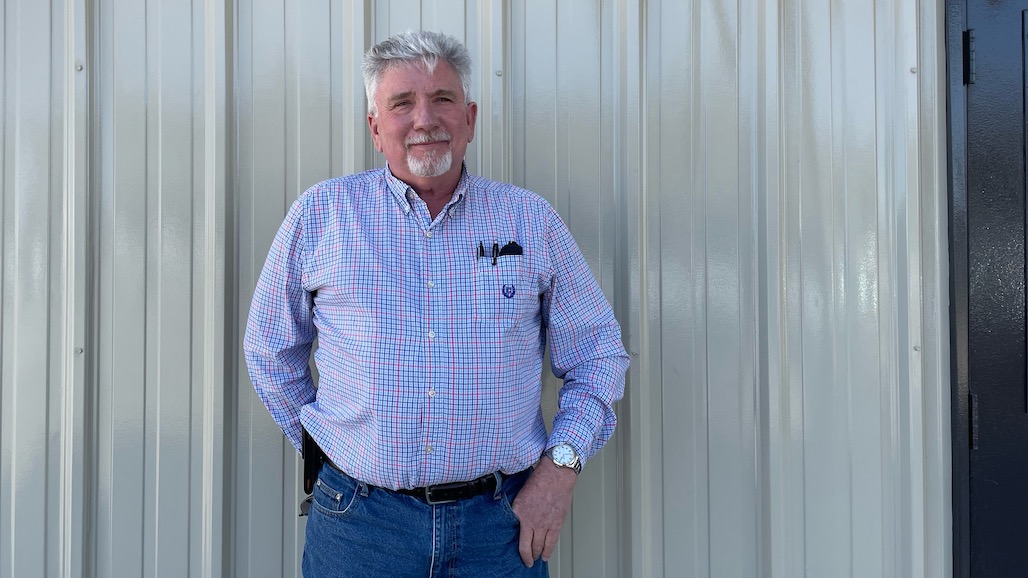
    Ronald (known as Ronnie) has lived in Tulare County his entire life, is married to Robyn with sons Christopher and Michael (deceased) and stepsons Derek & Brandon Walker.  Brandon works with Ronnie in the family business. Ronnie graduated from Tulare Western High School in 1970, attended COS and Cal Poly, and started farming in 1975 north of Tulare growing cotton, wheat, and corn. A partnership with his father Bob, uncle Don, and cousin Tom known as Clarklind Farms was formed in 1983 and today farms pistachios and almonds. Clarklind Farms has also received numerous awards over the years for their high yields in grain corn Ronnie serves on a variety of boards including Kaweah Delta Water Conservation District board, Kaweah and St. Johns Rivers Association, Mid Valley Growers, Pistachio Growers, Inc., and the board of the International Agri Center. In the past he has also served on the San Joaquin Valley Cotton Board, California Pistachio Commission, Tulare High School Ag Advisory, and is a member of the . Ronnie and Tom both support many local efforts for youth sports, youth 4-H and FFA, youth exhibitors at the fair, and so many more charities too many to mention.

    Thomas (known as Tom) has been married to Denise for 42 years and has three grown children:  Ami, Chad, and Drew and five grandchildren; Drew becoming the fourth generation farmer in the Clark family.  Tom attended Tulare Western High and Fresno State University and played varsity golf all four years in high school. He is a partner in the Clarklind Farms operation with Ron which was formed in 1983. He began working at the age of 13, shoveling furrow ends during the summer and at age 16 was promoted to combine driver during his summers. He worked in laser scraping when he was 20 years old, in the early years of this emerging technology. He has been farming for 49 years in all and has served on the Tulare Irrigation District Board. He coached high school junior varsity golf for three years, and in his free time enjoys golfing, snow and water skiing and wake surfing.

    This annual awards luncheon recognizes the lifetime achievements of outstanding agriculturalists in our community and provides an opportunity for the Tulare Kiwanis to highlight the value of agriculture in our region and recognize an outstanding person or family.  In the past they have recognized fathers, sons, brothers, cousins, and many more.

    The luncheon included a video montage about the honorees and a look back at the past 60 years of honorees – an emotional and touching tribute to our farm community and the many wonderful farmers in our great community of Tulare.

  • Westlands Water District Board of Directors Appoints Tree Nut Grower Jeff Fortune to Fill Board Vacancy

    Westlands Water District Board of Directors Appoints Tree Nut Grower Jeff Fortune to Fill Board Vacancy

    On Tuesday, March 15, the Westlands Water District Board of Directors appointed Jeff Fortune to fill the vacancy created when Director Todd Neves resigned last month. Mr. Fortune will serve through December 2022, when he will stand for election to fill the remainder of Director Neves’ term.

    “Jeff Fortune has farmed in Westlands for more than four decades. The Board will benefit from his experience and perspective as the District navigates unprecedented drought, implementation of the sustainable groundwater management act, and many other challenges in the months and years ahead,” said Westlands’ Board President Ryan Ferguson.

    Mr. Fortune, a third generation California farmer and the second generation Westlands farmer, is a “boots on the ground” farmer. Since his graduation from the University of California at Davis, he has worked alongside his father, and more recently, his two brothers, at their family farm, Fortune Farming Company. Mr. Fortune currently grows tomatoes, almonds, and pistachios on his family farm.

    “I’m grateful for this opportunity to serve,” Mr. Fortune said after being appointed, “Instead of sitting back and watching our farms, farmers, and communities struggle, I am taking this opportunity to offer my experience and ideas to help this District remain a place where family farms like mine can not only continue to operate, but can once again thrive.”

    About Westlands Water District

    Westlands Water District is recognized as a world leader in agricultural water conservation and has served the farmers and rural communities on the west side of Fresno and Kings counties for more than five decades. As stewards of one of California’s most precious natural resources, Westlands continually invests in conservation, and champions farmers deploying innovative irrigation methods based on the best available technology.

  • New Asian Giant Hornet Guide to Help Beekeepers

    Beekeepers have a new resource if they suspect the invasive Asian giant hornet is attacking their honey bee colonies.

    Two Washington State University scientists wrote Distinguishing Asian Giant Hornet Damage to Honey Bee Colonies, a free-to-download publication from WSU Extension.

    “We want to dispel some of the fear that beekeepers have been feeling around Asian giant hornets,” said Kelly Kulhanek, a postdoctoral researcher in WSU’s Department of Entomology and lead author of the publication. “Our goal is to help them identify specific symptoms of giant hornet attacks and distinguish between that and something with similar damage.”

    It’s important to note that, to date, there have been no confirmed honey bee colony losses in North American because of giant hornets, sometimes referred to as “Murder Hornets,” according to Kulhanek and her co-author, WSU associate professor Brandon Hopkins.

    “We assumed from all the media reports about the hornets that we would be getting frequent reports of attacks,” said Hopkins, a scientist on WSU’s honey bee and pollinator program. “And we have, but they’ve all been colonies killed by other things.”

    The most noted symptom of an Asian giant hornet attack on honey bees is headless bees. But other hornets, such as yellow jackets, cause similar damage to colonies. Other animals do as well.

    Hopkins saw that first-hand in a colony at the WSU Honey Bee & Pollinator Research, Extension, and Education Facility in Othello.

    “When we started keeping bees near the new facility, we noticed dead bees with their heads torn off and thorax chewed out,” he said. “But we found it was caused by mice.”

    Hopkins believes the mice were feeding on bees that died naturally and were already on the bottom boards of the colony boxes, or on the ground outside the hive entrances.

    The new publication talks about more specific signs that bee deaths are caused by Asian giant hornets. There are two phases to their attacks. Phase one is picking off individual bees and carrying them back to the hive to feed on. During this phase, no dead bees are left around the colony because they are carried away to another location. The second is called the “slaughter phase,” when a bunch of hornets show up at the hive to feed on and decimate the colony.

    “We’ve learned from Asian giant hornet experts that if there are dead bees around a hive, but there are no signs of the hornets, then it’s probably not Asian hornets,” Kulhanek said. “By the time the slaughter phase happens, it’s super obvious and too late to do anything.”

    Another note involves geography. Asian giant hornets have not been spotted in North America outside of a few locations in Northwest Washington and Southern British Columbia.

    “I’ve gotten texts from beekeepers from as far away as North Dakota concerned their colony had been attacked by Asian giant hornets,” Hopkins said. “I tell them that’s not really possible for several reasons.”

    Beekeepers in areas where the invasive hornets have been found can take precautions, detailed in the publication, such as restrictive netting or screens around the entrance to a colony.

    “The hornets are very large compared to bees,” Hopkins said. “There is promising research on defensive netting that bees can get through but the hornets can’t.”

    That wouldn’t stop the first phase, when invaders pick off individual bees coming and going to the colony. But it would dramatically slow or stop the slaughter phase, when hornets enter a colony.

    WSU entomologists has heard from experts in the hornets’ native range. In Thailand, for example, beekeepers sometimes hire school-age children to swat hornets flying around their colonies with badminton racquets.

    “Beekeepers should be extremely cautious when approaching a colony if they think Asian giant hornets are present,” Kulhanek said. “After the slaughter phase begins, the hornets will become very defensive of the hive and will attack anyone who approaches.”

    The best hope for the broader beekeeping community is eradication of the invasive goliaths. To that end, the WSU researchers urge beekeepers to report any suspected sightings to the Washington State Department of Agriculture.

    “Asian giant hornets are new and scary and have gotten a lot of attention,” Hopkins said. “But they create similar problems and damage as yellow jackets and other predators. Take preventative measures and keep an eye out. That’s the best thing you can do.” — By 

  • Pistachio Growers Unite at Industry Annual Conference

    Pistachio Growers Unite at Industry Annual Conference

    The next five years for American pistachio growers presents challenges and great opportunity, prompting a call for unity at the industry’s Annual Pistachio Conference, which kicked off today in Carlsbad, CA. More than 1200 attendeesan industry recordfrom three states participated in the conference, which kicked off with a panel of growers who discussed the next five years, as production ramps up.

    A grower panel underscored three topics on growers’ minds: accelerating production of pistachios between 2022 and 2026; keeping doors open to American pistachios in key export markets like India; and ongoing pest battles. They emphasized that, while the three topics present challenges, the industry’s trade association, American Pistachio Growers (APG), has proven efficacy in addressing each issue and there could be tremendous opportunity over the next five years with a united industry.

    According to data analyzed by Sacramento economist Dennis H. Tootelian, Ph.D., California growers will produce 6.9 billion pounds of pistachios over the next five years, 2.4 billion more than they produced in the previous five-year period from 2017-2021. APG, as the trade association representing the U.S. industry, has kept pace with building consumer demand for the increased volume in recent years in targeted export markets, which he says has helped to support grower pricing in the face of rapid production. Tootelian showed that in countries where APG focused their marketing efforts, exports have grown 36% a year compared to 17% in countries with no APG marketing emphasis.

    Tulare County pistachio grower Dominic Pitigliano

    Tulare County grower Dominic Pitigliano, past Chair of APG and a grower panelist, said, “Ten years ago, APG identified the export markets with the greatest growth potential and our intense focus on those markets has paid off in building consumer demand.”

    The grower panel discussed India as a prime growth market for U.S. pistachios where continued marketing could boost opportunities in the years ahead. India possesses the market conditions necessary for a growth market  rising population, growing per capita income, and increasing consumption of pistachios.

    Tootelian projects that in 2022 consumers in India will consume 272,000 pounds of pistachios per day, and by 2026, they will be buying 410,000 pounds per day.

    APG, which is funded by assessments from growers and government grants, has leveraged those dollars to boost exports and address impediments to trade in the form of tariffs and non- tariff barriers. The grower panel underscored the importance of having APG continue to play a strong role to keep the door open in India.

    “APG packs a onetwo punch in export markets,” said APG Chair, Dennis Woods. “Getting tariffs reduced or eliminated is the first step, followed by marketing programs that enlighten consumers about the health benefits of American pistachios. The strategy works as long as we all work together,” noting the organization has 64 dedicated growers from three states who volunteer on the APG Board and committees.

    American Pistachio Growers Chair, Dennis Woods

    While marketing ever larger crops will command the industry’s attention in coming years, so too will challenges that come from the surge in pistachio orchards in California. The Navel Orangeworm (NOW), the major pest threat to pistachios, has been fought with a plethora of tools  costly inputs, winter sanitation programs, and mating disruption techniques.

    Tootelian estimated that growers will spend $1.8 billion in total NOW management costs in the next five years.

    APG has led the industry effort to use a novel tool in the fight against NOW  a U.S. Department of Agriculture facility in Phoenix that rears sterile Navel Orangeworm moths for aerial distribution over a few thousand acres of pistachios and almonds in Kern County. APG helped to secure $8 million in federal funds for the pilot project, but the USDA has recommended an additional $21 million per year to expand the project. The Phoenix facility was instrumental in rearing sterile pink bollworm moths that led to the successful eradication of the cotton pink bollworm in California in 2018.

    “I know at the very least we can suppress Navel Orangeworm because we had similar success in the cotton industry,” said Ted Sheely, a pistachio and cotton grower who chairs the NOW Action Committee, the industry advisory committee that government requires in such situations. “We need to continue to push hard for the $21 million per year that will be required to keep the Arizona facility going and expand the program to the extent that we need it. Navel Orangeworm is an industry-wide concern, and we need APG to secure the funding to support this program.”

    “APG’s leadership has envisioned the future and how we should position the industry for success,” said APG President Richard Matoian. “As the industry’s trade association, we need every grower to participate in APG in order to fund our ability to make our future plans reality. We’ve done a good job so far, and we’re optimistic about the next five years.”

    About American Pistachio Growers
    American Pistachio Growers is a non-profit trade association representing more than 865 
    growers, member processors, and industry stakeholders in California, Arizona & New Mexico.

  • Pacific Nut Producer March Issue

    Pacific Nut Producer March Issue

    PNP322
    Pacific Nut Producer March Issue

    [btn btnlink=”https://malcolmmedia.com/order-a-back-issue/back-issue-pacific-nut-producer-magazine/” btnsize=”full” txtcolor=”#ffffff” color=”#FFF” bgcolor=”#492500″ btnnewt=”1″ nofollow=”1″]Order A Back Issue[/btn]

    [btn btnlink=”http://malcolmmedia.com/pacific-nut-producer-magazine-subscriptions/” btnsize=”full” txtcolor=”#ffffff” bgcolor=”#492500″ btnnewt=”1″ nofollow=”1″]Subscribe Free[/btn]
    [three_fifth_last]

    Contents of the March Issue:

    Fourth Generation Farmer Addresses Water Issues
    Innovation is Key to Advancing Almonds

    Tom Rogers Honored as Hazelnut Grower of the Year
    Cathy Bisset to Lead as New President of the Nut Growers Society

    March Orchard Tasks
    Almonds, Hazelnuts, Pecans, Pistachios, Walnuts

    [/three_fifth_last]

  • New Documentary Explores Origins of Whole Orchard Recycling

    New Documentary Explores Origins of Whole Orchard Recycling

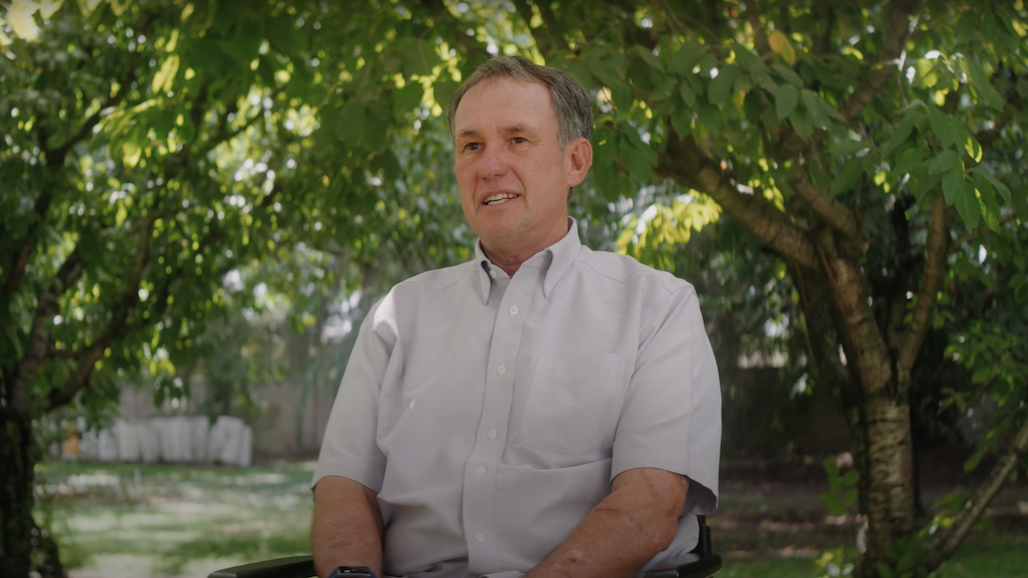
    Brent Holtz, author of Pacific Nut Producer Magazine’s monthly Almond Tasks column, grew up on the farm his grandfather bought in the 1940s, six miles north of Modesto at the time. By the 1970s, the land was on the urban edge of the city, surrounded by houses. Holtz’s family had to farm differently, and they could no longer burn their brush. Holtz was a UC Berkeley plant pathology graduate student in the late ‘80s. “I felt a responsibility to help my family find a solution for ag burning,” he says now.

    One idea was to turn clippings, brush and even whole trees into wood chips and recycle them into the soil. Holtz and his father first tried it with garden clippings, grinding prunings into wood chips and watching the rich mulch help their trees. Holtz expanded to a small scientific trial in his own orchard, then to a full-blown commercial trial recycling almond trees into the soil just before replanting a new orchard.

    “I have to admit, I was nervous,” Holtz says. He funded some of the work from his own pocket. Over 13 years, he and other researchers examined the data. “We saw increased soil organic matter, we saw increased water holding capacity, we saw less water stress, and ultimately – what growers want to know the most – we saw increased yields with Whole Orchard Recycling.”

    The inspiring story of Brent Holtz’s journey to help his family, his industry and his community is the subject of a six-minute documentary produced by the Almond Board of California (ABC) called, “RESILIENCE: The Whole Orchard Recycling Origin Story.”

    It’s available on YouTube and shows how the power of an idea can change and benefit an entire industry and even the planet. Whole Orchard Recycling (WOR) eliminates burning and keeps carbon in the ground, a goal that world leaders established as part of the 2015 United Nations Climate Change Conference agreement.

    The goal of the short film is to inspire even more growers to recycle their orchards when replanting and to reassure them that there is a long, thorough history of research and scientific trials proving both the value and the benefits of WOR for them and their communities.

    Holtz was the principal investigator on the first WOR project – research conducted by UC Cooperative Extension that was initially funded and supported by ABC and later by the California Department of Food and Agriculture. It identified significant advantages of WOR to the soil, crop yields and air quality.

    Thanks to Holtz’s vision and dedication to research, WOR has become a widely-adopted best practice among California almond growers. San Joaquin Air Pollution Control District data shows that since 2018, in the San Joaquin Valley alone, more than 500 growers have recycled 26,000-plus acres and diverted nearly 750,000 tons of wood from being burned.

    Holtz is now the UC Cooperative Extension County Director and Farm Advisor for San Joaquin County. He says he hopes his story and his research will inspire more WOR and show growers how researchers and growers are on the same team with the same goals – to help almond growers produce more sustainable, better yields.

    “My grandfather would be very proud of the solution that came from his farm and his grandson,” Holtz says in the film. “I owe the growers who believed in me and recycled their orchards a great debt and I thank you very much.”

    A Whole Orchard Recycling Grower Guide, a “How To” video featuring Holtz, and much more information can be found at Almonds.com/WOR. — Almond Board of California 

  • Hazelnut Shells Get New Life as Strong, Sustainable Panels

    Hazelnut Shells Get New Life as Strong, Sustainable Panels

    Harvest a hazelnut, and you’re left with a shell.

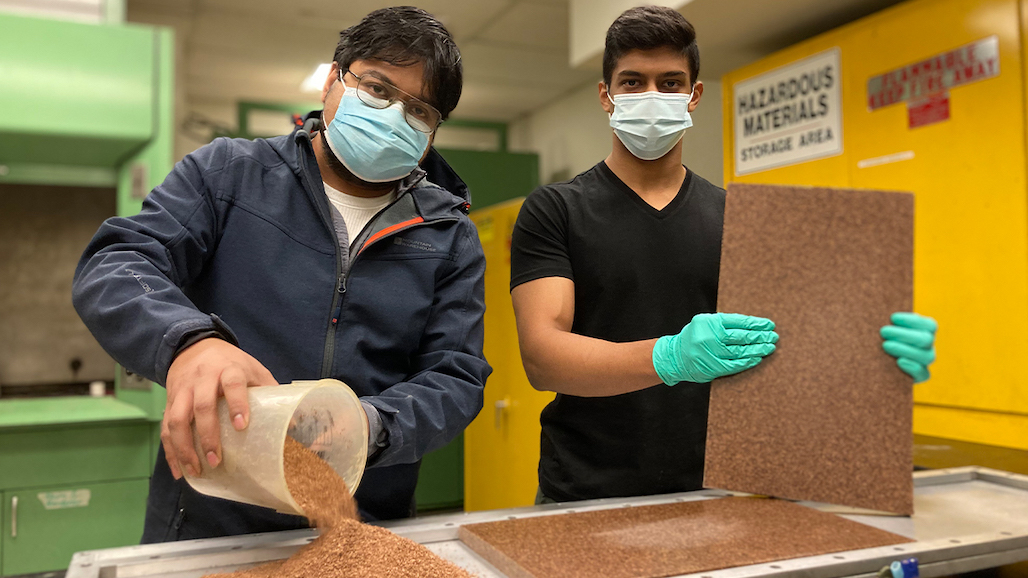
    These hard, thin, slow-decaying husks are typically mulched or discarded, but Washington State University scientist Vikram Yadama has found a new way to upcyle leftover hazelnut shells into durable panels for cabinets, tables, and other products.

    At WSU’s Composite Materials Engineering Center, Yadama and a team of doctoral students turn agricultural waste products, such as shells, fibers, and stubble, into resin-strengthened architectural and decorative panels.

    Part of WSU Extension, Yadama collaborates with manufacturers to share ideas and create new techniques. Funded by the National Institute for Food and Agriculture’s Small Business Innovation Research Program and inspired by a Northwest client seeking help making compressed fiber panels, his latest project explores hazelnut shells as an ideal main ingredient.

    “When you make panels for tables or cabinets, a few things become really important,” Yadama said.

    Panels need to be strong enough to bear a load across a given span. They need to be able to hold screws or fasteners, and to have minimal creep, or bending over time due to weight.

    “The foremost thing is that the look has to be phenomenal,” Yadama said.

    Ingredients determine performance, and Yadama experiments with a range of natural materials, such as hemp and sorghum fibers or wheat stubble. Some materials have long structural fibers called bast. Inside is a pithy, crumbly material called hurd. Structurally, bast and hurd perform differently in a panel.

    Hazelnut shells are naturally sustainable, and offer a promising mix of strength, performance, and beauty, bringing a rich reddish-brown color to Yadama’s prototype panels.

    “Shells, wood, and natural fibers have a lot of carbon in them,” he said. “When you stop them from degrading, you trap the release of carbon. If we can keep material from going to the landfill, and at the same time keep growing more trees, this cycle will help us in the long run.”

    The team is working to maximize the amount natural fiber in the panel while minimizing the amount of resin, and ultimately envision use of a bio-based, carbon-neutral resin.

    “This project is really exciting and intriguing, because it upcycles an industrial waste product, reduces environmental burden, and is industry-oriented and relevant to what’s required in the commercial world,” said Avishek Chanda, postdoctoral researcher in Yadama’s lab.

    “More fibers per panel means they’re more biodegradable, cost-friendly, and valuable with minimal resin usage,” Chanda added. If the team can maintain that standard at the industrial scale and fabricate eight-by-four-foot panels with a high-volume fraction of fiber, “it’s a very big achievement.”

    Aiming to complete the project this winter, Yadama is developing both a product as well as prototype equipment that can be scaled up to the commercial scale. If successful, one day soon consumers may sip hazelnut-flavored coffee at a table or in a chair made from a nutshell.

    “It has been an amazing experience working with our partners on development of these new hazelnut shell panels,” Yadama said. “Clients in the architecture and design industry are excited by the prototypes we’ve shown, and we expect this new material type will be a huge success once it’s ready to manufacture.”

    Gap funding from WSU’s Office of Commercialization provided an initial boost that helped secure federal support for the project.— 

  • Almond Board of California Announces 2022 Elections

    Almond Board of California Announces 2022 Elections

    Elections for the Almond Board of California (ABC) Board of Directors have kicked off for the 2022-2023 crop year with the call to all candidates to file their petitions or declarations of candidacy by April 1, 2022.

    There are two independent grower positions and one independent handler position on the ABC Board of Directors to be decided in voting that starts April 21 and ends May 26. Alternate seats for those spots are also open.

    To be considered for an independent grower or alternate seat, candidates must be a grower and must submit a petition signed by at least 15 independent almond growers (as verified by ABC). Independent handler and alternate candidates must declare their intention in writing to ABC.

    All petitions and declarations must state the position for which the candidate is running and be filed by mail with ABC at 1150 9th St., Suite 1500, Modesto, CA 95354. The deadline for all filings is April 1. Potential candidates who’d like more information can contact Toni Arellano at tarellano@almondboard.com.

    “The ABC Board of Directors is such an important and vital part of our industry,” said ABC president and CEO Richard Waycott. “It guides the work of the Almond Board and is key to overseeing the welfare of the industry and of more than 7,600 growers and 100 handlers.”

    Richard Waycott, CEO, Almond Board of California

    The ABC board sets policy and recommends budgets in major areas, including marketing, production research, public relations and advertising, nutrition research, statistical reporting, quality control and food safety.

    Getting involved provides an opportunity to help shape the future of the almond industry and to help guide ABC in its mission to promote California almonds to domestic and international audiences through marketing efforts, funding and promoting studies about almonds’ health benefits, and ensuring best-of-class agricultural practices and food safety.

    ABC encourages eligible women, minorities and people with disabilities to consider running for a position on the Board of Directors to reflect the diversity of the industry it serves.

  • EPA Fines SJV Almond Grower for Clean Water Act Violations, Orders Restoration of Wetlands

    EPA Fines SJV Almond Grower for Clean Water Act Violations, Orders Restoration of Wetlands

    Today, the U.S. Environmental Protection Agency (EPA) announced a settlement with Edward Lynn Brown, owner of an almond orchard near Merced, California, for violations of the federal Clean Water Act that impacted more than two acres of rare vernal pool wetlands . The settlement requires Brown to pay $212,000 in civil penalties and restore and preserve 15 acres of wetland habitat.

    On March 14, 2019, EPA inspected the site. Inspectors determined that earth-moving activities by Brown had discharged fill material into waters that flow into the San Joaquin River. This work had been undertaken without obtaining a Clean Water Act Section 404 permit from the U.S. Army Corps of Engineers.

    “Grading and filling wetlands of the San Joaquin River Valley without proper permitting impacts water resources and endangers California’s unique native plants and animals,” said EPA Pacific Southwest Regional Administrator Martha Guzman. “In a time of drought and climate change, it is essential to protect these rare and vital water resources and habitats from destruction.”

    Brown’s earth-moving activities from 2016 to 2020 involved building a retention basin and access roads and planting a new almond orchard. The impacts from these activities resulted in the degradation of over two acres of vernal pool wetlands adjacent to Parkinson Creek, a tributary of the San Joaquin River that bisects the ranch. This work violated provisions of a previous 2014 EPA Order, which had required Brown to notify the U.S. Army Corps of Engineers of any proposed activity that may impact local water systems.

    A pond on the almond orchard that provides critical wetland habitat impacted by soil and sediment disturbances. (EPA photo)

    To mitigate these negative environmental impacts, under this settlement Brown has agreed to develop a plan for removing 1.9 acres of fill material, restoring, and enhancing 2.44 acres, and preserving 12.66 acres within an 81.39-acre area within the orchard.

    For more information on enforcement of Clean Water Act Section 309 visit: https://www.epa.gov/cwa-404/clean-water-act-section-309-federal-enforcement-authority.

    To view information on the 2014 Clean Water Act enforcement action, visit: https://archive.epa.gov/epapages/newsroom_archive/newsreleases/f7437d2c778475d685257d94006344bc.html.

    To view the 2014 public notice, visit: https://19january2017snapshot.epa.gov/www3/region9/enforcement/pubnotices/pubnotice-merced-ranch.html.

    To view the proposed settlement, visit: https://www.epa.gov/publicnotices/edward-lynn-brown-merced-ca-proposed-settlement-cwa-section-309g-class-ii

    To view the Consent Agreement and Final Order, visit: https://www.epa.gov/ca/cwa-09-2022-0007-edward-lynn-brown-merced-ca-proposed-settlement-cwa-section-309g-class-ii

    Learn more about EPA’s Pacific Southwest Region. Connect with us on Facebook and on Twitter.