Category: Non-Video

  • Snacking Matriarch Promotes Almonds in Germany

    Snacking Matriarch Promotes Almonds in Germany

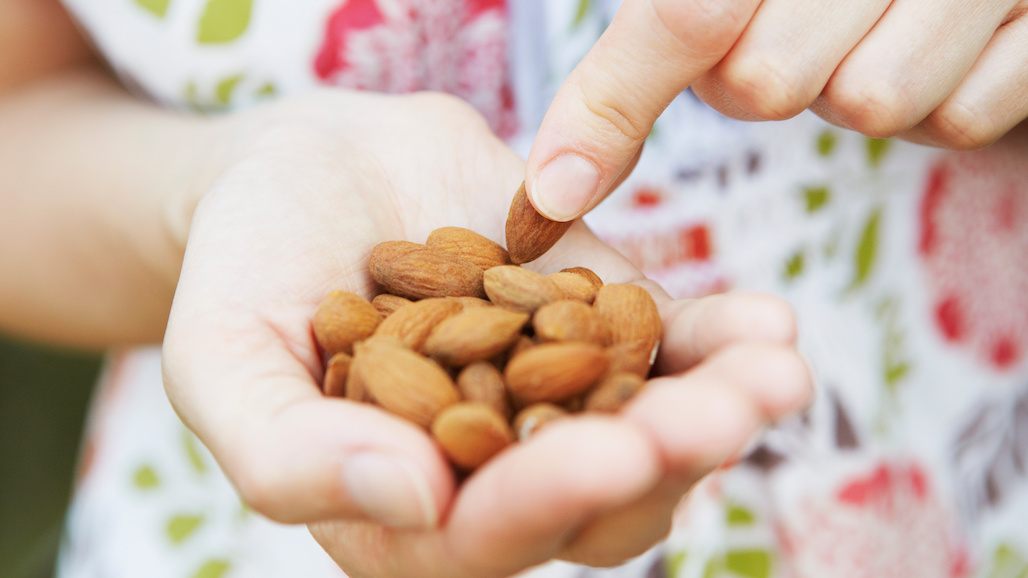
    Almond Board of California — The Almond Board of California launched a new marketing campaign in the German market this August. Germany is the largest economy in Europe and has an almond-per-capita consumption that is tied with the U.S. at 2.27 lbs. The campaign – The Mother of All Snacks – repositions almonds from a baking ingredient to a snack, providing a daily dose of natural goodness for health and wellness-conscious Germans.

    There is strong momentum in the German market, which constitutes 25 percent of Europe’s gross domestic market (GDP) and is home to 19 percent of the total European Union (EU) population. Almond shipments to the country totaled over 10 million pounds in 2017 and 2018, prior to the COVID pandemic. Germany shipment numbers have rebounded post-COVID and eclipsed the 14 million pound number in 2023.

    While recent global developments such as the pandemic, the war in the Ukraine and economic challenges have caused uncertainties across Europe, the German market is known for stability as well as resilience and there is still much opportunity for growth in almond consumption.

    Less oven, more handfuls

    The new campaign builds on insight that Germans are looking for a healthy and natural snack in a market where power bars, protein products and supplements are booming. Almonds are often overlooked, seen primarily as a baking ingredient. The new campaign aims to change this perception and capitalize on the fact that almonds are among the longest-cultivated plants in the world. From health benefits to portion size, they naturally have the attributes that are valued by German consumers.

    About the campaign

    This campaign is set in Mother Nature’s paradise and shows how even Mother Nature’s day can go off the rails. And when it does, she turns to the natural power of almonds to refocus, reset and take back her day. The tone is modern, bright and humorous, and highlights the natural, energizing attributes of almonds.

    The campaign is targeted towards women who believe food should be exciting, convenient and healthy. German consumers also really care about the earth as well as sustainability and the more they learn about how almonds are grown, the better they feel about eating them.

    The Mother of All Snacks campaign launched August 21 across TV, social and digital media. Also, the Bring! mobile shopping app will connect almonds directly to users with digital shopping lists via their mobile devices. The campaign will be accompanied by various public relations activities such as media outreach and partnerships as well as working with a variety of social media influencers. All media will link to an online webpage which will act as a source of information on the campaign, almond health & nutrition and sustainability efforts by the Almond Board and highlight dedicated partnerships and influencers.

  • Snacking on Almonds can Support Weight Management

    Snacking on Almonds can Support Weight Management

    Almond Board of California — Two new studies build on the large body of scientific evidence suggesting that almonds can improve diet quality and aid in weight management. They may also support weight loss as part of a reduced-calorie diet among adults with overweight or obesity.

    The first study, published in Obesity and funded by the Almond Board of California, tracked 140 Australians aged 25-65 years with overweight or obesity for nine months. For the first three months of the study, the participants reduced their daily calories by 30% through either a nut-free or almond-enriched diet (with almonds providing 15% of their daily calorie needs, which is approximately 1.0-1.76 ounces/30-50 g). On both diets, participants lost an average of 15 pounds (7 kg) and improved their lean body mass after three months. Moreover, they continued to lose weight, about 2 pounds (approximately 1 kg), during the subsequent six months.

    “Sustaining weight loss after a weight management program can be challenging, with many people gaining weight back at the end of the calorie restriction phase of their program,” said Dr. Alison Coates, Professor of Human Nutrition and Director of the Alliance for Research in Exercise, Nutrition, and Activity at the University of South Australia. “This study showed that adding almonds to a weight management eating plan can not only promote meaningful weight loss but also offer a healthy and sustainable dietary addition.”

    Participants who ate almonds also saw improvements in some lipoprotein subfractions (the different types of lipoproteins that carry cholesterol and triglycerides in the blood), which may reduce cardiovascular risks. Scientific evidence suggests but does not prove that eating 1.5 ounces per day of most nuts, as part of a diet low in saturated fat and cholesterol, may reduce the risk of heart disease. Future research should investigate different doses of almonds and test people with additional heart disease and diabetes risk factors, as the results are not generalizable to populations with chronic diseases.

    The second study was a 12-month study, published in the American Journal of Clinical Nutrition and also funded by the Almond Board of California, which found that almonds, when eaten long term as a snack, can improve overall diet quality without causing weight gain among healthy non-obese, habitual snacking adults in New Zealand. Half of the 136 participants were assigned to eat either 1.5 ounces (43 g) of almonds or 10% of their daily calorie needs (whichever was greater) while the remaining participants in the control group consumed a calorie-matched high-carbohydrate snack. Participants in the almond group consumed significantly more protein, polyunsaturated and monounsaturated fats, fiber, vitamin E, calcium, copper, magnesium, phosphorous, and zinc, and less carbohydrates and sugar than the control group.

    There were no statistically significant weight changes or changes in lipids during the study in either group, suggesting almonds did not cause weight gain. Women in the almond group did not have a statistically significant change in visceral fat, but men had a statistically significant increase in visceral fat compared to the biscuit group. This finding has not been observed in previous studies, but it is important to note that this intervention was conducted during the COVID-19 lockdown, which may have affected eating habits and exercise levels. The participants were people at a normal weight or overweight so results may not be generalizable to other populations such as those with obesity.

    Together, these studies add to a growing body of scientific evidence suggesting that almonds, when eaten as part of a healthy diet, do not cause weight gain, can be included in reduced-calorie weight loss diets, and may improve overall diet quality and lower heart disease risk.

    One ounce (28 g) of almonds provides 4 g fiber and 15 essential nutrients, including: 77 mg magnesium (18.3% DV), 210 mg potassium (4% DV), and 7.27 mg vitamin E (50% DV), making them a great snack for balanced weight management eating plans. One serving of almonds (28 g) has 13 g of unsaturated fat and only 1 g of saturated fat.

    Study Findings At-a-Glance

    Study 1: Almonds vs. Carbohydrate Snacks in an Energy-Restricted Diet: Weight and Cardiometabolic Outcomes from a Randomized Trial

    • In this largest study to date of almonds and weight management, participants following an almond-enriched diet consumed 15% of their daily calorie needs from 1.0 to 1.76 ounces (30-50 g) of whole, unsalted almonds, while the nut-free control group consumed 15% of their calories from carbohydrate-rich snacks. Both groups reduced their overall energy intake by 30% for three months followed by a six-month weight maintenance phase.
    • Both groups experienced weight loss during the intervention phase as well as improvements in blood pressure, total cholesterol, harmful LDL-cholesterol, triglycerides and beneficial HDL-cholesterol.
    • The almond group saw greater improvements in lipoprotein subfractions (the different types of lipoproteins that carry cholesterol and triglycerides in the blood), which may reduce cardiovascular risks.
    • Limitations: Future research should investigate different doses of almonds and test people with additional heart disease and diabetes risk factors as the results are not generalizable to populations with chronic diseases.

    Study 2: Comparing the Effects of Consuming Almonds or Biscuits on Body Weight in Habitual Snackers: A 1-Year Randomized Controlled Trial

    • In this study, 136 normal weight or overweight snackers added either 1.5 ounces (43 g) of almonds (about 10% of their daily calorie needs) or an equivalent amount of biscuits to their diet.
    • Researchers measured baseline body weight, body composition, fasting blood samples and resting metabolic rate. Participants completed a 3-day weighed food record and a sleep questionnaire. Participants were encouraged to consume their study snacks as their first snack of the day. Measures were repeated at 3, 6 and 12 months.​
    • For the almond group, absolute intakes of protein, total fat, polyunsaturated and monounsaturated fats, fiber, vitamin E, calcium, copper, magnesium, phosphorous, and zinc increased. The almond group had significantly lower energy intake from carbohydrates and sugar compared to the biscuit control group.
    • There were no statistically significant weight changes or changes in lipids during the study in either group.Women in the almond group did not have a statistically significant change in visceral fat, but men had a statistically significant increase in visceral fat compared to the biscuit group.
    • Limitations: The study was conducted during the COVID-19 lockdown which may have affected eating habits and exercise levels. The participants were people at a normal weight or overweight so results may not be generalizable to other populations such as those with obesity
  • Turkey Expects Lower Pistachio & Hazelnut Crop This Year

    Turkey Expects Lower Pistachio & Hazelnut Crop This Year

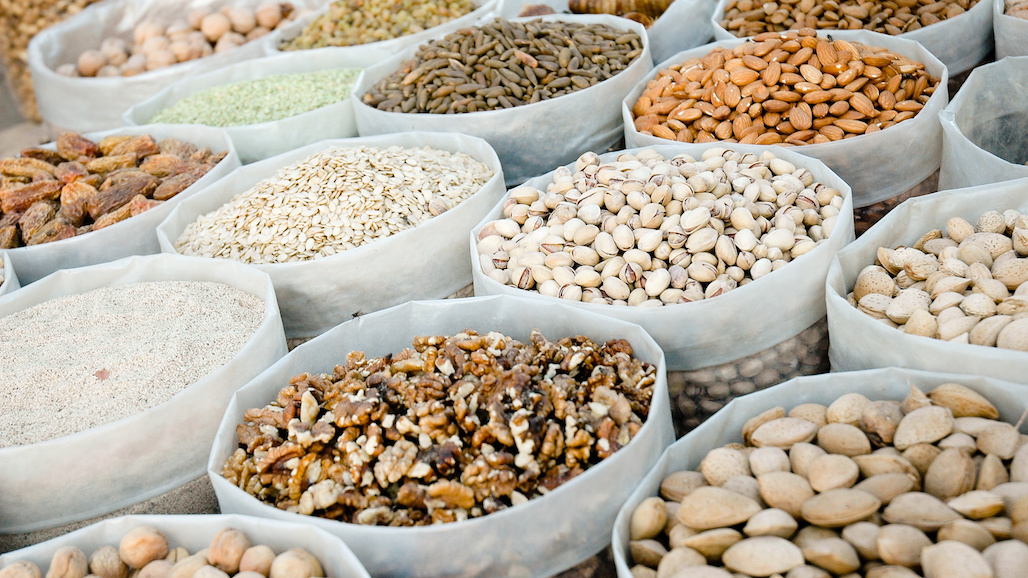
    The “off-year” for production will push Turkey’s pistachio production lower in Marketing Year (MY) 2023/24. The production of almonds and walnuts is forecast slightly higher but hazelnut production is expected to go down. Even though domestic tree nuts production continues to grow, Turkey is projected to import sizeable volumes of almonds and walnuts in MY 2023/24 to meet steady consumer demand. Imports of U.S. tree nuts continue to be disadvantaged by a 10 percent retaliatory duty, which Turkey imposed after the United States levied Section 232 tariffs on Turkish steel and aluminum. However, despite this additional tax and growing competition, the United States is still the one of the top suppliers of walnuts and almonds to Turkey.

    Pistachio Production

    Turkey’s pistachio production in Marketing Year (MY) 2023/24 is forecast at 160,000 metric tons (MT). Production volumes will decrease compared to the previous MY since MY 2023/24 is considered an “off-year” in the production cycle for pistachios. Still, production will not be as low as some of the earlier off-years. Production will be buoyed by an increase in the number of bearing trees. According to the Turkish Statistical Institute (TurkStat), there were an estimated 58 million bearing pistachio trees at the beginning of the current marketing year, up nearly 5 percent from last year. There are also about 25 million non-bearing trees, which is about 7 percent higher than a year ago.

    A few large earthquakes in February 2023 struck the two largest pistachio producing provinces, Sanliurfa and Gaziantep. The Government of Turkiye (GoT) and market resources indicate that the earthquake had minimal effect on pistachio production in the area, though.

    MY 2023/24 pistachio production, which is mostly rain-fed, will also benefit from improved rainfall conditions during the 2023 spring. However, there were two large floods in March 2023 in Sanliurfa which adversely affected some pistachio trees. Sanliurfa also saw some frost over a few nights in April and May 2023. Farmers tried to protect their orchards by making big bonfires. According to market sources, this method protects some of the fruits from freezing, though not all of them. Since the effects of these adverse events is limited in area, the effect on total production is minimal.

    Pistachio growers continue to replace their older trees, some of which are more than 50 years old, with younger trees in hopes of improving yields and increasing profit margins. Younger trees are less affected by the periodicity. Market sources also indicate that planting of the Siirt variety, known to be less periodical, is also increasing, though the Antep variety is still dominant in Turkey.

    With improved farmer training over the last decade, growers now appreciate and understand the importance of planting male trees in their orchards. At the same time, market sources report that in recent years some farmers, who were looking for higher profit margins, stopped planting lentils, barley, and even wheat to start growing pistachio trees. The new trees and orchards being planted will help lift Turkey’s overall yields and production levels in the coming years.

    Pistachio yields and production levels can vary dramatically between on- and off-years. The average pistachio yield is around 4 kilograms (kg) per tree in on-years and around 2 kg per tree during off-years. However, periodicity effects on yield have decreased in recent years due to the reasons explained above.

    Pistachio production is widespread throughout Turkey, with 56 of 81 provinces growing pistachios, according to the Gaziantep Commodity Exchange (GCE). However, the two southeastern provinces of Gaziantep and Sanliurfa account for 80 percent of total production. The southeastern provinces of Adiyaman, Siirt, Kilis, Kahramanmaras, Mardin, and Diyarbakir account for another 15 percent of total production. The remaining five percent is thinly spread across the Aegean, Mediterranean, and Marmara regions, where production has slowly increased over the last decade.

    There are two main types of pistachios grown in Turkey, the Gaziantep (Antep) variety and the Siirt variety. Both are unique to Turkey and differ in size and shape compared to the pistachios grown in Iran and the USA. The Antep variety accounts for 85 percent of pistachios grown in Turkey. The Siirt variety makes up the remaining 15 percent of production; the Siirt variety is considered a higher- yielding variety than the Gaziantep variety.

    The quality standards for Turkish pistachios are directly related to the size of the nut. 90 nuts or fewer per 100 grams is considered first quality; 90-100 nuts are second quality; 100-120 nuts are third quality; and more than 120 nuts are fourth quality. Turkey’s production of high-quality pistachios is predicted to increase in the future with the increasing number of new trees.

    In recent years, to mitigate the natural “off year/on year” production cycle, pistachio growers have started using good agricultural practices, especially in parts of southeastern Turkey. With support from local universities and other institutions, farmers are gradually realizing that higher yields can be achieved with “good” soil conditions, better tree care, and irrigation. While the number of irrigated orchards has grown in the last few years due to abnormal drought conditions, only a fraction of total production is irrigated.

    Since 2011, the Turkish Foundation for Combating Soil Erosion, Forestation, and Protection of Natural Habitats (TEMA), with contributions from private companies, has undertaken a project to increase the pistachio yields in the Gaziantep and Sanliurfa provinces. The project, which is called “May you have abundant pistachios,” trains farmers how to properly care for their trees. The training focuses on improving pruning and trimming techniques, as well as better fertilizer and pesticide application practices. Farmers who have been trained under this program and applied these best practices have seen their yields triple. Meanwhile, universities in the major pistachio growing regions in Turkey have developed better production methods and plant protection measures to help farmers improve yields.

    Almond Production

    Almond production for MY 2023/24 is forecast to increase year-over-year to 24,000 MT. This projected increase is attributed to an increase in the number of bearing trees.

    The devastating earthquakes of February 2023 in the southeast region of Turkey affected Adiyaman and 10 other provinces. Adiyaman province is the largest almond growing region in Turkey, Kahta being the leading area of production. Market sources confirm the GoT’s assessment that almond production was not affected by the earthquake. Although there was a problem related to human resources in the immediate aftermath of the quakes due to evacuations, by the harvest these challenges were reduced, if not totally solved.

    In March 2023 there were heavy rains and floods also affecting Adiyaman. Sources indicate that there was some frost and hail in April and May which hindered yields this year in the localities where those weather patterns occurred.

    In line with past practice, the Chambers of Agriculture in Adiyaman and Kahta continue to press Turkey’s Agricultural Credit Cooperative Union (ACCU) to fix a higher purchase price for almonds and to set it earlier in the season. As of mid-September, though, ACCU has not yet set a purchasing price. Private traders use the ACCU purchase price as a benchmark in setting contract prices. The president of the Kahta Almond Producers Union indicated that a price needs to be announced and asked GoT to raise the customs tariffs, as he claims they have been gradually lowered in recent years. In August, the president of the Kahta Chamber of Agriculture declared that the purchase prices to be declared by ACCU should be a minimum of 50 – 55 TL/kg for inshell almonds, although that number was about 30 TL/kg in the previous harvest.

    Almond growers continue to plant new trees and break ground on new orchards in response to strong domestic demand for almonds and with support from the GoT’s various support programs. The GoT encourages producers to establish new orchards by allocating free land for 49-years, providing interest- free financing, and delivering general support payments to farmers. In 2020, the Turkish Ministry of Agriculture and Forestry (MinAF) published an investor guide on its website to assist investors looking to plant new almond orchards. (Note: the guide was taken down from MinAF’s website a year after publication.) The guide explained the technical and financial aspects of starting a 100-hectare orchard. The guide noted that a return on investment was to be expected after seven years.

    As a result of the aforementioned government support programs, and the attractive nature of the investment, the private sector has concentrated on planting new almond orchards in Izmir, Manisa, Mugla, Denizli, Sanliurfa, Canakkale, Adiyaman and Karaman provinces. The investments in new orchards, once fully realized, will increase almond production in the medium term.

    The district of Kahta within the Adiyaman province has been the leading producer of almonds in Turkey since 2016, according to the Kahta Union of Almond Producers. The group’s plan is to increase almond orchard acreage to 100,000 ha by 2023/24 in order to produce enough almonds to meet domestic demand. According to the Kahta Chamber of Agriculture, the district will reach its acreage goal as of MY 2022/23, though many of the newly established orchards still have large numbers of non-bearing trees. As for the Union’s production target, it seems unreachable for the time being.

    In earlier decades, MinAF has instituted special afforestation projects aimed at increasing the number of planted almond trees. While the number of planted trees has increased as a result of these projects, almond production has not significantly increased, since the trees were planted in marginal areas and were not carefully tended.

    Walnut Production

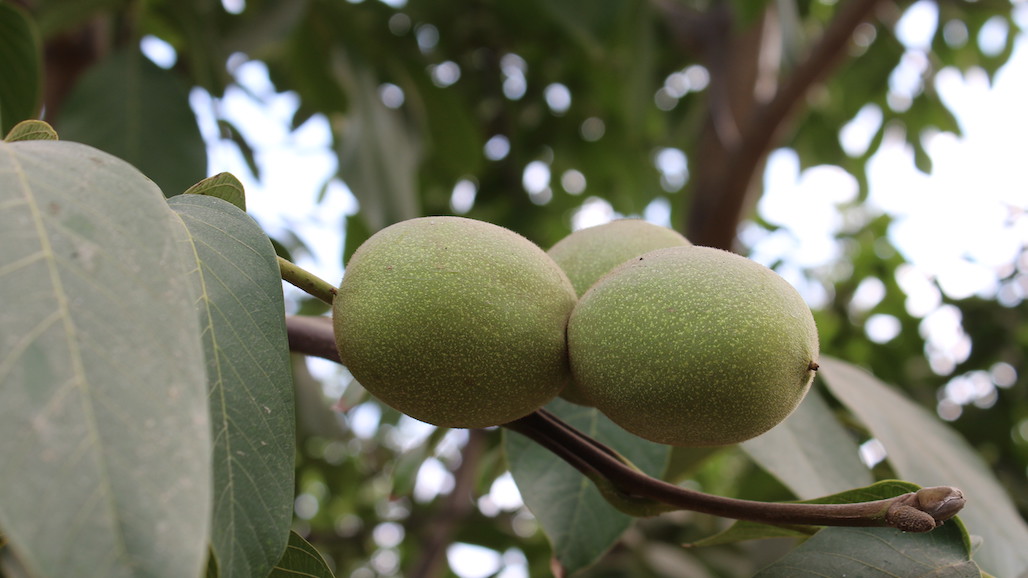
    For MY 2022/23, walnut production is forecast at 69,000 MT, slightly up from the previous year. Although the number of bearing trees increased, there have been droughts throughout the country from fall 2022 to spring 2023, and again in summer 2023. Spring 2023 saw excess rainfall, causing floods in several areas. There was also frost and hail damage seen in several areas of the country. Under the circumstances, production has remained stable.

    Walnut trees grow in almost every province of the country, but commercial walnut orchards are still a relatively new phenomenon in Turkey. The GoT has instituted various programs to increase commercial production, allocating free land for 49-years, providing interest-free financing, and delivering general support payments to farmers. This support has spurred farmers and others in the private sector over the last couple of decades to open new orchards throughout the country, including the Aegean, Marmara, southeastern Anatolia, and Mediterranean regions. However, even with these new orchards, the domestic production of walnuts is still inadequate to meet the growing demand of Turkish consumers.

    Over the last 20 years, MinAF has undertaken special afforestation projects, in an attempt to boost commercial walnut production. However, these initiatives did not yield the expected results since many of the trees were planted in marginal soils or unsuitable locations. Irrigation to these afforested lands is generally unavailable or too costly. In contrast, the newer commercial orchards are more successful since they use up-to-date techniques, and many have access to irrigation.

    Up until the last 10-15 years, there was not a standard walnut variety being grown in Turkey. However, as growers have come to appreciate that certain propagation techniques result in higher yields, the use of standard varieties has now become more widespread. Chandler is the most popular walnut tree variety. However, there is still a need for introducing higher-yielding varieties that are suitable for local growing conditions. Turkey’s leading walnut research establishment, the Yalova Horticulture Research Institute, is developing new varieties for commercial production in different parts of the country.

    The Turkish Walnut Producers Association (TWPA) was established in 2021 and held its first general assembly that summer. The association has about 30 members, who are all large, commercial growers by Turkish standards. As of 2022, association members collectively own 35,000-40,000 da of orchard land that is covered with 1 million trees. The Association’s members employ modern agriculture techniques on their mechanized commercial operations. The association aims to produce 20,000 MT, which is equivalent to about one-third of Turkey’s current production volumes, within the next 2-3 years. The association held Turkey’s first “International Walnut Conference” in September 2022, though as of August 2023 there are no signs that they will have a second one.

    As of June 2023, TWPA announced that they will establish a brand in order to better market domestic walnuts. TWPA has stated that it is very hard for small domestic producers to get onto shelves of supermarket chains, because organized retail chains demand a steady supply of large amounts of walnuts, and are therefore bound to sell imported walnuts which can be steadily supplied. In order to get market access to small domestic producers, TWPA is establishing a brand under their Turkish acronym, CÜD. This brand will pack walnuts inshell in net bags of 1 kg to be sold in supermarkets with the 2023 harvest season. As of mid-September, though, they are not in stores. TWPA claims domestic production is tastier than any imported walnuts and is presented to the consumers at a better quality since they are not fumigated.  Moreover TWPA is lobbying the GoT to increase customs tariffs to 43 percent, as they were before 2018.

    Hazelnut Production

    Note: USDA does not maintain a Production, Supply and Distribution for hazelnuts.

    Turkey is the largest producer and exporter of hazelnuts in the world, accounting for about 70 percent of world production and around 75 percent of world exports. Production in MY 2023/24 is forecast lower year-over-year at 600,000 MT. By comparison, TurkStat is predicting production will reach 730,000 MT and the Turkish Union of Chambers of Agriculture predicted 718,000 during this period before the harvest started. Market sources believe this number is too high, though. During the harvest, it is understood that yields were not as high as expected.

    Most years, the Turkish Grain Board (TMO) purchases and stores hazelnuts on behalf of the Turkish government. In the beginning of August this year, the President of Turkiye announced the official purchase price that TMO will pay for hazelnuts. The purchase price for Giresun quality hazelnuts is 84 TL/kg, almost double last year’s. The purchase price for Levant quality hazelnuts is 82.50 TL/kg, nearly a 60 percent increase compared to a year ago. Growers book appointments online to sell their hazelnuts to TMO. TMO pays the grower 21-days after receiving the hazelnuts in its warehouse. Since the actual crop was much less than predicted by GoT, the market price of hazelnuts surpassed these official prices reaching about 90 TL/kg quickly after harvest started, so not many were willing to sell their crop to TMO this year. TMO was advised to increase purchase prices if they wanted to stock hazelnuts on behalf of the GoT. In addition to TMO, the Union of Hazelnut Agriculture Sales Cooperatives (FISKOBIRLIK) sometimes purchases and stores hazelnuts to help keep domestic prices stable. As of September 15th, FISKOBIRLIK is purchasing the lowest quality Giresun variety hazelnut for 98 TL/kg.

    The largest single buyer of Turkish hazelnuts is Italy’s Ferraro Hazelnut Company, the owner of the Nutella brand. Ferraro is the biggest hazelnut trader in Turkey, buying about one-third of Turkey’s annual hazelnut export volumes. Ferraro’s announced purchase price is slightly lower than the TMO rate at 80 TL/kg as of September. Approximately half of Turkey’s hazelnut exports are handled by international companies, such as Ferraro.

    Although hazelnuts are grown in more than 48 provinces around Turkey, production is primarily concentrated along Turkey’s Black Sea coast. Hazelnut orchards are typically located within 30 km of the coast. In the western Black Sea region, the growing region starts at Zonguldak (east of Istanbul on the Black Sea coast) and extends east along the entire Black Sea and the mountains until close to the Georgian border. There are approximately 500,000 producers and 4 million people directly or indirectly employed by hazelnut production in Turkiye on an area of around 725,000 hectares.

    Hazelnuts require relatively little effort to cultivate and input requirements are low. However, with better maintenance, the yield efficiency of Turkish hazelnut orchards could easily be improved. Due to socio-economic reasons, Turkish hazelnut orchards are not well maintained, and the trees are aged with some orchards dating back 70 years. Turkish hazelnuts usually mature between early and late August, depending on the altitude of the orchard and weather conditions. Hazelnuts are hand-picked from the trees and dried in the sun. Harvesting takes place during several weeks in August and September.

    Read the full USDA-FAS report HERE

  • China Forecast on Tree Nut Production and Imports

    China Forecast on Tree Nut Production and Imports

    The USDA FAS (Foreign Ag Service) stationed in China forecasts commercial production of in-shell walnuts to remain unchanged from the previous year at 1.4 MMT (Metric Tons) in MY (Market Year) 2023/24. Cold winter temperatures in Xinjiang damaged the almond crop this year. FAS China forecasts almond production will drop sharply to 5,000 MT. Despite a slowed economy, solid demand and abundant global supplies of almonds and pistachios will encourage increased imports of these commodities. At the same time, retaliatory tariffs have reduced the market share of U.S. almonds and pistachios in China. There is demand for a limited volume of imported walnuts to supply a niche market.

    Production

    Walnuts

    FAS China forecasts commercial production of in-shell walnuts at 1.4 MMT in MY 2023/24 (September-August), unchanged from the previous year. Despite unusually cold temperatures in winter 2022, walnut production in Xinjiang, the leading producer, will remain at the same level of last year, according to local trade sources. In Yunnan, the second largest producer, traders reported that heat damage between April and May 2023 will reduce walnut production mildly. A severe frost also occurred in April in Shanxi, Shaanxi, and Henan during walnut pollination, which negatively impacted the crop, leading to a 10-20 percent production decline in these minor walnut producing provinces, according to local traders. However, media reported that walnut production will increase significantly in southwestern China, especially Chongqing municipality, offsetting crop losses elsewhere.

    The walnut acreage is stable for now but will possibly decline in the future because of over production. Industry sources indicate that the country’s actual walnut production is much larger than the commercial production because high labor costs in some areas, especially in the high mountains in Yunnan, leave many walnuts unharvested. In addition, traders report that farmers harvest walnuts from older trees in northern China. In Hebei province, for example, producers will crush the walnuts into oil for their own consumption rather than selling the crop. In addition, walnut farmers harvest around 10 percent of Chinese walnuts prematurely and sell them fresh (without the drying process) at various local markets.

    Walnut quality varies from place to place due to a variety of reasons as well as the level of attention that growers give them. Currently, walnuts are planted in 21 provinces, and each province plants its own varieties, none of which are comparable with the U.S. and Chilean varieties such as Chandler that are favored because of organoleptic properties such as their light (kernel) color and no bitter taste. In addition, many farmers do not take particular care of their walnut plants, most of which sit on mountain/hill slopes, given poor market returns. However, Xinjiang walnut growers have improved varieties that produce higher quality walnuts and grow walnuts on level fields that allow them to use mechanized farming to reduce labor costs and increase yields. Taking advantage of its geographic location, Xinjiang walnuts are the main source of Chinese exports.

    Almonds

    FAS China forecasts China’s production of shelled almonds to fall dramatically to 5,000 MT in MY 2023/24 (August-July) due to extremely cold temperature in Shache county of Xinjiang in January that damaged a large number of plants, according to local contacts. Cold temperatures in winter and spring have always been a challenge to almond production in Shache. Adverse weather has wiped out the almond crop twice before in Shache. Under normal weather conditions, Shache produces around 50,000 MT of almonds (shelled basis) a year. The Xinjiang almond yield remains low, largely because of less productive varieties. As a result, Shache almonds are mostly consumed within Xinjiang. Shache almonds growers produce more than 95 percent of Chinese almonds. The acreage has remained quite stable at

    around 60,000 hectares. Farmers in Henan province have reportedly planted some 530 hectares of almonds, but most plantings have not begun bearing and their performance remains to be seen.

    Pistachios

    China’s pistachio production is very limited. An industry report estimates the production at a mere 300 MT in MY 2023/24 (September-August). Farmers in Xinjiang province have reportedly planted around 1,300 hectares of pistachios to experiment with pistachio production in the province. It will probably take a while before farmers identify appropriate varieties and locations for pistachio production, if any.

    Other Nuts-Macadamia Nut, Hazelnut, and Pecan

    FAS China forecasts MY 2023/24 (September-August) production of inshell macadamia nuts at 57,000 MT, an increase of 36 percent from the previous year, according to a report by a major macadamia grower and processor in Yunnan. The production of macadamia nuts has doubled over the past five years in China, which is now the world’s third largest producer, according to statistics released by the International Nuts and Dried Fruit Council (INC). After a few years of rapid expansion, the planting area of macadamia nuts is stable at around 309,000 hectares. Yunnan province produced the most macadamia nuts in China, followed by Guangxi and Guangdong. Industry sources in Yunnan expect the country’s macadamia production to continue increasing in years to come as more plantings begin bearing.

    FAS China forecasts China’s production of hybrid hazelnuts (in-shell basis) at 60,000 MT in MY 2023/24 (September-August), an increase of 3 percent from the revised number in the previous year. An industry contact noted that the acreage of hybrid hazelnuts, currently estimated at 126,600 hectares, has increased quickly over the past 7-8 years in Liaoning, Jilin, Heilongjiang, Shandong, Inner Mongolia, and Hebei provinces. China is likely to see moderate increases in hazelnut production in the next few years as new plantings gradually start bearing fruit. However, crop yield remains quite low as some of the first hazelnut growers used inappropriate varieties when they first started planting. China also produces wild hazelnuts, and the annual production is quite stable at around 40,000 MT (in-shell basis). Wild hazelnuts grow mainly in Liaoning province, with smaller areas spreading in Jilin and Heilongjiang provinces.

    FAS China forecasts China’s production of in-shell pecans at 4,300 MT in MY 2023/24 (September- August) based on an industry report. Various sources have provided different pecan production numbers in China. Reports indicate that farmers in 8 provinces, led by Yunnan, Anhui, and Jiangsu, have planted around 83,000 hectares of pecans. Most plantings, however, have not begun bearing.

    Price

    Walnut harvest just commenced in Yunnan in September 2023. Yunnan is the second largest producer next to Xinjiang, where harvest activities will begin soon. The farmgate price for mixed grade walnuts (in-shell basis) are quoted at RMB 13 ($1.8) per kilo, slightly higher from a year ago, according to

    Yunnan traders who noted that walnut prices have dropped so much in recent years that some farmers will not even bother to harvest their walnuts.

    The world tree nut prices, except for pistachios, started to decline in 2022, largely because of weak market demand globally. The downward trend in prices of most tree nuts continued in the first half of 2023 and have almost reached five-year lows, except for macadamia nuts, according to a report presented at a recent tree nut conference. Traders predict that tree nut prices are most likely to stay at low levels in the remainder of this marketing year, due to abundant supplies.

    Consumption

    Increased consumption and more application of tree nuts in food processing will help tree nut consumption grow moderately in MY 2023/24. The rapid growth in tree nut consumption in recent years slowed during the pandemic. The anticipated rebound in consumption has not occurred after the removal of COVID restrictions in December 2022, largely because of weak economic performance. However, industry sources predict that nuts in meals, innovative nut products, and improved cost-effectiveness will be the three driving forces behind future consumption growth. For example, wasabi flavored macadamia nuts have greatly increased the consumption of this nut variety in China.

    Snacking remains the major consumption pattern for most tree nut varieties, but food producers are using increasing quantities of nuts, especially low-priced ones, in a wide range of food products. Plant based drinks that use tree nuts as primary ingredients are gaining popularity. In addition to traditional walnut milk, “daily nut milk,” which contains milk and various nuts, has gained in popularity among younger consumers. While food processors are actively seeking new applications of tree nuts in the culinary and baking sectors, processed products, such as nut oil for food consumption and skin care lotion, have become a new trend.

    The concept of tree nuts being a healthy and nutritional food keeps expanding among Chinese consumers, especially those in urban areas. However, industry reports indicate that per capita consumption of nuts in China is generally low and mainly seed nuts. The Chinese Food Guide Pagoda 2022 recommends between 25 grams and 35 grams of daily intake of beans and nuts, which food scientist have translated to 16-25 grams of nuts. However, daily consumption of nuts is around 10.3 grams in China, according to a presentation by a senior Ministry of Commerce official in August. On September 17, 2023, the China Nutrition Society released a White Paper on Nutrition, Health, and Nut Intake of Chinese Residents aimed to help consumers understand the health benefits of nuts and provide a scientific basis for mass education and the development of the nut industry.

    Policy

    Several U.S. products, including tree nuts, are still subject to a 15-percent retaliatory Section 232 tariff on top of MFN tariffs, despite being exempt from a 30-percent retaliatory Section 301 tariff on U.S. agricultural products since March 2020 (see GAIN report CH2020-0017). The following table provides a detailed breakdown of import tariffs and value added tax (VAT) on various nut products.

    The General Administration of Customs of the People’s Republic of China (GACC) published a protocol on inspection and quarantine requirements for almonds from Spain, officially granting access to Spanish almonds to the China market on April 20, 2023. INC statistics indicate that Spain is currently the
    world’s second largest almond producer, estimating Spain’s MY 2023/24 production (shelled basis) at 128,000 MT. Spain exports its almonds mainly to EU countries such as France, Germany, and Italy.

    All overseas tree nut manufacturers, processors, and storage facilities must register with the CIFER system before exporting food products, including tree nuts to the PRC, in accordance with Decree 248 (see GAIN report CH2021-0045). Decree 248 went into force on January 1, 2022.

    China has published the final version of the General Quality Standard for Nut and Seed Food, which took effect on August 1, 2023 (refer to GAIN report CH2023-0106). This is a recommended standard that provides terms and definitions, classification, inspection methods and rules, as well as labeling, packaging, transportation, and storage requirements for nut and seed products.

    Trade

    Imports

    China is a major importer of tree nuts and it relies heavily on the world market for supply of many varieties, especially almonds, pistachios, and pecans. Despite challenges such as a slowed economy and a strong U.S. dollar, industry contacts expect China’s overall imports of tree nuts to increase moderately in MY 2023/24, especially shelled products, driven by solid demand for healthy food products. In addition, global tree nut supplies, including production and stocks, will improve for most varieties in MY 2023/24, according to industry forecasts.

    MY 2023/24 (September-August) imports of both raw and roasted pistachios will be higher from the previous year’s level on solid demand for this popular product pronounced as “happy nut” in Chinese, as well as greatly improved world supplies. Both the United States and Iran are expecting a dramatic rebound in production in MY 2023/24, according to industry forecasts. The top two global suppliers lost a large portion of their pistachio crops in the previous year due to bad weather. It is worth noting that China’s imports of raw pistachios started to decline in MY 2021/22 but roasted pistachio imports have maintained rapid growth for five years. Industry sources estimate that the import volume of roasted products has now exceeded that of raw pistachios. The roasted products fall under a different tariff line that is not subject to Section 232 retaliatory tariffs (see Policy). The retaliatory tariffs against U.S. products have negatively impacted the imports of U.S. pistachios (see Chart 1 below). Starting in MY 2019/20 tariffs resulted in a cost savings for Iranian pistachios. While U.S. pistachios still have a significant market share, tariffs continue to weigh on U.S. export growth.

    China’s almond imports, shelled basis, will continue to increase in MY 2023/24 (August-July) because of abundant world supplies, lower prices, and dramatically reduced domestic production. Despite an estimated 43-percent reduction in the 2023 Australian crop, bumper harvests in California and Spain will likely improve world almond supplies. In addition, industry sources suggest that almond prices have declined since 2021, encouraging Chinese importers to buy more. Lastly, China opened its market to almonds from Spain, currently the second largest producer in the world, which may stimulate fresh almond imports. The United States remained the largest supplier of almonds to the Chinese market, but its market share has declined due to retaliatory tariffs (see Chart 2 below). The share of Australian almonds is quickly catching up, taking advantage of an existing bilateral free trade agreement.

    China’s imports of macadamia nuts will likely increase in MY 2023/24 (September-August) from strong demand for this popular nut, despite improved domestic production. As a result of significant decreases in price, the country’s imports of macadamia nuts soared by more than 40 percent in MY 2022/23, with Australia and South Africa being the two leading suppliers to this market.

    China’s walnut imports keep declining in the wake of increased domestic production. Chinese importers buy small quantities of inshell walnuts from Chile and shelled walnuts from the United States to accommodate the demand of high-end market for taste and color.

    Exports

    China is becoming a tree nut exporter, mostly of walnuts, as domestic production and food processing capacity improves. The devaluated local currency will also help boost the country’s nut exports in the short run. FAS China does expect China to export more walnuts in MY 2023/24 (September-August). As a result of increased domestic supplies, China’s walnut exports started to take off in MY 2020/21 and has kept increasing ever since. The main export markets (both inshell and shelled) lie in the Middle East, notably the United Arab Emirates, and Central Asia (e.g., Kyrgyzstan). The Russian market is also a strong market for shelled products.

    China’s exports of macadamia nuts have been increasing steadily in recent years, although volume remains relatively low. Australia and the United States are currently the top two buyers of Chinese shelled macadamia nuts.

    Marketing

    China’s per capita disposable income increased by over 5 percent in the first half of 2023 according to PRC statistics and consumption levels are following a similar trend. In the post-COVID environment, the food and beverage industry has emerged as the leading growth sector for Chinese consumption. Specifically, China’s snack food market is leading the growth. Key trends related to the growth of the snack food industry in 2023 include clean label products, nutritional snacks, diverse flavors, and convenient packaging. “Clean label” generally refers to products made with fewer ingredients, while ensuring the ingredients used are simple and well known. Examples are foods that are purely natural, low in sugar, low in fat, organic, free from food preservatives, and/or contain fewer additives. Nutritional snacks tout specific benefits such as rich in protein, vitamins, or fiber, and have a similar appeal. Diverse flavors and convenience packaging tend to entice the younger generation.

    Although different consumer groups have varying product preferences, nutritional value is by far the top factor influencing Chinese food and beverage purchases in the post-COVID environment. The best- selling items across all distribution channels are mixed nuts with dried fruit, small packages for individual consumption, and nuts with shells that are easy to crack. Specifically, China’s tree nut market has experienced significant growth. The market size has increased from $1.3 billion in 2005 to $6.2 billion in 2022. One tree nut snack category called “Daily Nuts,” which contains mixed nuts and dried fruits portioned in small bags, has become extremely popular. The “Daily Nuts” market size grew from $44 million to $1.5 billion in just 5 years.

    Tree nuts serve not only as a source of personal enjoyment but are also commonly shared in different settings, including tourism, urban camping, and family gatherings. Tree nuts are also a popular gift item.

    Consumers

    The rising middle class has emerged as the dominant social group in China with the urbanization that has occurred in recent decades. The primary consumers of tree nuts are individuals who belong to the middle-class or higher, young professionals employed in white-collar jobs, households with a greater amount of disposable income, and seniors residing in first and second tier cities.

    The trend of including “Daily Nuts” in everyday consumption in first tier cities (e.g., Beijing, Shanghai, Guangzhou, and Shenzhen) is increasing. It has become common for white-collar workers to order a cup of coffee along with a pack of nuts for breakfast. However, in smaller cities, the idea of consuming daily nuts is still in its early stages. Nuts are typically consumed during festivals, gatherings, or given as gifts in these regions. As urbanization and industrialization continue to boost income levels in these lower-tier cities, there is a significant potential for growth in snack consumption. Tree nuts are expected to play a major role in driving this growth.

    Market Players Competition & Sales Channels

    A series of city lockdowns in 2022 negatively impacted China’s economy and consumption patterns, leading to a 15 percent decline in the entire tree nut market size. Despite this setback, the market remains highly competitive, with over 300 snack food entities actively producing “Daily Nuts” and more players continuing to enter this lucrative market.

    The competition in the tree nut market continues to be fierce. The combined market share of the top five companies is over 12 percent. The top five companies are the following: Three Squirrels from Anhui Province, Huatai Foods (with the brand Cha Cha) also from Anhui Province, Be & Cherry from Zhejiang Province, Bestore from Hubei Province, and Wolong from Shandong Province.

    Nuts are available for purchase through various channels, including offline retail outlets and e- commerce platforms. Traditional channels include wholesale, hypermarkets, and wet markets. Snack specialty stores, supermarkets, community grocery stores, and convenient shops all carry tree nuts. E- commerce platforms have experienced tremendous growth in the past three years, partly due to the profound impact of COVID on consumer purchasing behavior. China accounts for over 50 percent of global online sales. Hybrid sales channels (i.e., online-to-offline) have become integral to building brand awareness for snack food companies looking to gain market share and diversify their clientele.

    New Trends

    The demand for healthy foods has also led to an increasing demand for plant-based products. Nut-based drinks are increasing in popularity. In addition, there are several innovative products in the market, including nut chips, which are often consumed as a yogurt topping. This new product caters to the growing interest in plant-based alternatives and offers a unique twist to traditional yogurt consumption.

    Yogurt drink mixed with nuts, a new drink found in the market, serves as the inspiration for this delightful addition. Made from a blend of fresh avocado, pecan chips, provide a crunchy texture and

    rich flavor when sprinkled over yogurt. Targeting the young generation and those focused on well- being fitness in affluent regions, this new product satisfies both taste and health preferences. — By Jadon Marianetti, USDA-FAS China Staff

  • Your Orchards Last 20+ Years, So Should Your Equipment

    Your Orchards Last 20+ Years, So Should Your Equipment

    – SPONSORED CONTENT –

    29 Harvests, 100% Attendance – Jackrunner #001

    Reliability is clear: Jackrunner #001 is working its 30th harvest this year with only one “sick day” since 1994. During the 2015 harvest, the operator noticed it was running a little off but finished the day before checking and seeing the runner blew a rod straight through the engine block! A new engine was quickly installed and Jackrunner #001 went back out to finish the harvest.

    Preseason 2023, the Original JackRunner came back to the Jackrabbit Service department to have the original plexiglass windows replaced with the new orchard glass for better visibility.

    Since Jackrunner #001, almost 2,000 Jackrunners have been sold to customers in California, Oregon, Texas, as well as Australia, Chile, Portugal, and Spain.

    Growers around the globe rely on Jackrabbit for the most durable and reliable nut harvesting equipment available. Call to order or schedule a demonstration +1 209-599-6118  www.jackrabbitequipment.com

  • Blue Diamond Growers Foundation Announces 2023-2024 Scholarship Awards

    Blue Diamond Growers Foundation Announces 2023-2024 Scholarship Awards

    Blue Diamond Growers Foundation is pleased to announce its 2023-2024 scholarship recipients. This year, scholarship funding is being awarded to 25 college students who are either dependents of Blue Diamond employees or are members of local communities who are pursuing agriculture-related fields of study at colleges and universities in California and throughout the country.

    “We are proud of this year’s scholarship recipients and wish them the best as they pursue their higher education goals,” said Dan Cummings, Chairman of the Board of Directors for Blue Diamond Growers. “The Blue Diamond Growers Foundation is committed to supporting the next generation of students, students who will undoubtedly contribute to the success of the greater agricultural industry for many years to come.”

    Celebrating its 15th anniversary this year, the Blue Diamond Growers Foundation was established in 2008 for the purpose of providing scholarships to students who have demonstrated excellent academic performance and are pursuing a four-year college degree. Since 2011, the Blue Diamond Foundation has awarded nearly 200 scholarships to help students in local communities achieve their dreams of a college education.

    This year’s Blue Diamond Growers Foundation scholarship recipients include:

    NAME/HOMETOWN COLLEGE/UNIVERSITY  MAJOR
    McKayla Aiken

    Hilmar, Calif.

    UC Davis Agricultural Development
    Janessa Alba

    Springville, Calif.

    Cal Poly, SLO Agricultural Business Management
    Madison Andrade

    Visalia, Calif.

    Cal Poly, SLO Agricultural Business
    Amelia Bettencourt

    Turlock, Calif.

    Cal Poly, SLO Agricultural Business
    Gabriel Borges

    Fresno, Calif.

    CSU Fresno Horticulture
    Haylie Caetano

    Riverdale, Calif.

    Reedley College Plant & Soil Science
    Caleb Callison

    Hanford, Calif.

    Cal Poly, SLO Agricultural Systems Management
    Avery Fowler

    Wilton, Calif.

    Corban University Agricultural Science
    Trista Fry

    Kingsburg, Calif.

    CSU Fresno or UC Davis Plant and Soil Science
    Kaylen Jaime

    Rancho Cordova, Calif.

    Cal Poly SLO Agricultural Communications
    Megan Kroon

    Farmington, Calif.

    Dordt University Agricultural Business
    Karli Lanzi

    Artois, Calif.

    Oklahoma State University Agricultural Education
    Meika Lauppe

    Nicolaus, Calif.

    Arizona State University Agricultural Business
    Christina Moitozo

    Gustine, Calif.

    Oklahoma State University Agricultural Communications
    Kaylie Ramos

    Fresno, Calif.

    CSU Fresno Agricultural Education
    Reagan Richard

    Visalia, Calif.

    Cal Poly, SLO Agricultural Business
    Holly Rudnick

    Bakersfield, Calif.

    Cal Poly, SLO Agricultural Communications
    Kelsey Solimine

    Modesto, Calif.

    Cal Poly, SLO Agricultural Business
    Emily Sonke

    Roseville, Calif.

    Covenant College History
    Alyssa Sozinho

    Visalia, Calif.

    Cal Poly, SLO Agricultural Education
    Julie Sporleder

    Acampo, Calif.

    Cal Poly, SLO Plant and Soil Science
    Cade Stafford

    Live Oak, Calif.

    Oklahoma State University Agricultural Business
    Mallory Sutherland

    Bakersfield, Calif.

    CSU Fresno Agricultural Business
    Gianna Vaccarezza

    Linden, Calif.

    Auburn University Agricultural Business
    Erika VanderMaarl

    Visalia, Calif.

    Texas Tech University Agricultural Business

    Additional information about the Blue Diamond Growers Foundation scholarship program is available at https://bluediamondgrowers.com/scholarship-program/.

    About Blue Diamond

    Blue Diamond Growers, a grower-owned cooperative representing over 3,000 of California’s almond growers, is the world’s leading almond marketer and processor. Established in 1910, it created the California almond industry and opened world markets for almonds. Blue Diamond is dedicated to delivering the benefits of almonds around the world and does so by providing high-quality almonds, almond ingredients and branded products. Headquartered in Sacramento, the company employs more than 1,800 people throughout its processing plants, receiving stations and gift shops. To learn more about Blue Diamond Growers, visit www.bluediamond.com.

  • 2023 California Walnut Industry Crop Estimate Released

    2023 California Walnut Industry Crop Estimate Released

    The USDA National Agricultural Statistics Service’s (NASS) official walnut industry crop estimate provides the California walnut industry with crucial information to support an orderly sales process. Using scientific methodologies, USDA field staff counted, measured, weighed and evaluated thousands of walnuts from major growing regions in July and August for use in a statistical acreage model to establish the annual walnut crop estimate.

    The 2023 California walnut production is forecast at 790,000 tons, up 5% from 2022’s production of 752,000 tons. The forecast is based on 385,000 bearing acres, down 4% from 2022’s estimated bearing acreage of 400,000.

    “The California walnut industry has increased its focus on providing handlers and growers the most accurate crop information by accelerating the collection of various data points,” said Robert Verloop, CEO and Executive Director for the California Walnut Commission (CWC) and Board (CWB).

    While official final shipment, inventory and close-out figures for the 2022 crop year will be released within the month, preliminary figures indicate last year’s crop is virtually sold out.

    “Last year, we were facing a completely different scenario with 130,000 tons in inventory brought on by the lingering effects of the COVID-impacted global marketplace and a record heat wave last September that negatively impacted the entire crop, which led to lethargic sales and record-low grower returns,” added Verloop.

    “With minimal carryover from the previous crop year and favorable weather throughout the growing season, we’re optimistic about the new crop year,” said Tim Sabado, CEO of Prima Noce, based in Linden, California. “The upcoming crop promises a return to the exceptional quality that defines California walnuts globally.

    “Harvest will begin in September, and may extend into November due to the early season cooler temperatures,” added Sabado. “Our focus is on an aggressive harvest, picking the crop at its peak quality and freshness.”

    Inshell walnut shipments for international destinations will start in October. In the U.S. and Canada, retail customers are currently placing orders and building sales plans for their traditionally large holiday promotions and their health-focused kernel campaigns for January and February.

    About the California Walnut Board  

    The California Walnut Board (CWB) was established in 1948 to represent the walnut growers and handlers of California. The CWB is funded by mandatory assessments of the handlers. The CWB is governed by a Federal Walnut Marketing Order. The CWB promotes usage of walnuts in the United States through publicity and educational programs. The CWB also provides funding for walnut production, food safety and post-harvest research.

    About the California Walnut Commission 

    The California Walnut Commission, established in 1987, is funded by mandatory assessments of the growers. The Commission is an agency of the State of California that works in concurrence with the Secretary of the California Department of Food and Agriculture (CDFA). The CWC is mainly involved in health research and export market development activities. For more industry information, health research and recipe ideas, visit www.walnuts.org.

  • Hall of Famer Deion Sanders Owns His Prime with California Almonds This Season

    Hall of Famer Deion Sanders Owns His Prime with California Almonds This Season

    Hall of Fame athlete and now collegiate coach Deion “Coach Prime” Sanders and California Almonds are teaming up for a partnership of a lifetime to help consumers own their PRIME. Being in your prime is a mindset, and the grind to own your prime never stops. That’s why Coach Prime and California Almonds are encouraging people to be smart about recovery. Almonds are rich in nutrients that can help with exercise recovery – making them THE food to own your prime.

    A perfect exercise food, almonds may improve your recovery response from physical activity. Initial research, funded by the Almond Board of California, conducted among 64 U.S. adults ages 30-65 who are occasional exercisers found that most study participants who ate almonds experienced reduced fatigue and tension during muscle recovery, increased leg and lower back strength, and decreased muscle damage during the first day of recovery.

    Coach Prime knows hard work means being strategic about recovery, which is why he adds almonds to his routine for their exercise recovery benefits. Prime Time never ends whether you’re a weekend warrior or a competitive athlete – there’s no “off the clock,” so you have to keep that energy, confidence and consistency up, something Coach Prime instills in his team.

    “You can’t achieve your PRIME unless you put in the work…DAILY! In order to BE YOUR BEST YOU, you gotta recover with the right stuff,” says Sanders. “It’s all about consistency! I’m partnering with California Almonds to share how almonds help me stay PRIME all the time. IT DON’T STOP, BABY!”

    Catch Coach Prime in action with California Almonds at the beginning of the NCAA football season with advertisements airing on national and cable TV, on CBS, Fox, ESPN and CBS Sports, social media and more. For more inspiration on how to own your prime from Coach Prime himself, visit almonds.com and follow California Almonds on FacebookInstagram and Twitter.

    About California Almonds

    California Almonds make life better by what we grow and how we grow. The Almond Board of California promotes natural, wholesome and quality almonds through leadership in strategic market development, innovative research, and accelerated adoption of industry best practices on behalf of the more than 7,600 almond farmers and processors in California, most of whom are multi-generational family operations. Established in 1950 and based in Modesto, California, the Almond Board of California is a non-profit organization that administers a grower-enacted Federal Marketing Order under the supervision of the United States Department of Agriculture.

  • UC Awards Brodt $2M to Advance Soil Health, Climate-Smart Farming Practices

    UC Awards Brodt $2M to Advance Soil Health, Climate-Smart Farming Practices

    To accelerate adoption of climate-smart farming practices, the University of California Office of the President has awarded nearly $2 million to a team of UC Cooperative Extension scientists and community partners working on a network of farm demonstration sites. The project will be led by Sonja Brodt, coordinator for agriculture and environment at the UC Sustainable Agriculture Research & Education Program. This UC Agriculture and Natural Resources project is one of 38 funded with $83.1 million allocated to UC by the State of California for climate action research and innovation.

    Scaling up soil health and other climate-smart agricultural practices to sequester carbon, increase water and nutrient use efficiency, and improve the resilience of farms to climate-related threats like drought and floods is a core pillar identified in California’s Natural and Working Lands Climate Smart Strategy.

    Climate-smart agriculture is a systems-based approach that requires localized adaptation across the diverse soils, cropping systems, socioeconomic and cultural contexts throughout California.

    Sonja Brodt

    “Our project will strengthen the nascent California Farm Demonstration Network for on-the-ground, regionally specific demonstration of a range of climate-smart practices,” said Brodt. “Regional farms will demonstrate practices such as cover cropping, reduced tillage, compost and mulch use, hedgerow planting, irrigation system optimization and more.”

    The $1,999,524 project will pilot a participatory partnership extension model that allows farmers to learn from their peers to reduce adoption risks and adapt knowledge to an ever-changing environment, increasing the likelihood of farmer success and accelerating long-term uptake of complex, place-specific practices.

    Building on the capacity of local trusted organizations, project collaborators will be organized in a hub-and-spoke network with three regional Farm Demonstration Hubs (Sacramento Valley, North Coast and Central Coast), a pilot Hmong/Mien Demonstration Hub, and a statewide Organic Demonstration Hub.

    Collaborators at each hub will be responsible for identifying and nurturing farm demonstration sites, and conducting demonstration trials and farmer-to-farmer outreach activities. Centralized organization and capacity building will be provided by UC SAREP, UC Organic Agriculture Institute, the California Association of Resource Conservation Districts, the Community Alliance with Family Farmers, and the California Farm Demonstration Network Advisory Panel.

    In addition to several UC Cooperative Extension advisors and specialists across the state, partners include the UC Hansen Research and Extension Center and the Rodale Institute California Organic Center, both in Ventura County, and the UC Climate Smart Agriculture Program. Eight Resource Conservation Districts will also be involved in leading Farm Demonstration Hubs.

    Hope Zabronsky of the UC Climate Smart Agriculture Program shows the importance of soil structure at a cover cropping workshop.

    The project will also conduct soil health assessment activities to inform soil health and resilience monitoring protocols in future research and extension efforts. Since many existing soil health metrics were designed for agroecosystems in the Midwest and Eastern U.S., this project aims to lay the groundwork for research to adapt soil health metrics to the arid and Mediterranean climates of California.

    “By utilizing relationships built between demonstration hub managers and demonstration farms across different cropping systems, we will gather quantitative and qualitative soil health data, information about growers’ management practices as well as their own perspectives of what they really need to know about their soils in order to better manage for climate resilience and mitigation,” said Brodt.

    Ultimately, the project partners aim to establish an enduring on-farm extension and research system that will help thousands of farmers adopt climate-smart practices tailored to their farms.

    Three other projects involving UC ANR researchers received California Climate Action Seed Grants and Matching Grants subawards:

    • Development of a hydrogel that can work as a soil amendment to help small-scale vegetable farms conserve water led by UC San Diego associate professor Shengqiang Cai with Ruth Dahlquist-Willard, UC Cooperative Extension small farms advisor and interim director of UC SAREP; Mallika Nocco, UC Cooperative Extension specialist; and Matthew Gilbert, UC Davis professor of whole plant physiology. $297,979
    • Development of a tool for predicting climate-water variation led by UC Irvine professor Isabella Velicogna with Tapan Pathak, UC Cooperative Extension specialist. $199,531
    • A study of urban stream corridors led by UC Davis professor Gregory Pasternack with Igor Lacan, UC Cooperative Extension environmental horticulture and urban forestry advisor. $33,824

    UC Agriculture and Natural Resources brings the power of UC to all 58 California counties. Through research and Cooperative Extension in agriculture, natural resources, nutrition, economic and youth development, our mission is to improve the lives of all Californians. Learn more at ucanr.edu.

  • $700 Million to Connect People in Remote and Rural Areas to High-Speed Internet

    $700 Million to Connect People in Remote and Rural Areas to High-Speed Internet

    U.S. Department of Agriculture (USDA) Secretary Tom Vilsack today announced nearly $700 million in grants and loans to connect thousands of rural residents, farmers and business owners in 22 states and the Marshall Islands to reliable, affordable high-speed internet through the ReConnect Program,funded by President Biden’s Bipartisan Infrastructure Law. This program is uniquely designed to fund the most difficult high-speed internet projects in the nation, which are the most rural, remote and unserved communities.

    Connecting all communities across the United States to high-speed internet is a central part of President Biden’s Investing in America agenda to rebuild the economy from the bottom up and middle out by rebuilding our nation’s infrastructure. This agenda is driving more than $500 billion in private-sector manufacturing investments, rebuilding America’s infrastructure, lowering costs, and creating good-paying jobs. And it’s transforming our country for the better – reaching communities in every corner of the United States, including those that have too often been left behind.

    “Keeping the people of rural America connected with reliable, high-speed internet brings new and innovative ideas to the rest of our country and creates good-paying jobs along the way,” Secretary Vilsack said. “Thanks to President Biden’s Bipartisan Infrastructure Law, we are connecting rural communities to a global marketplace. These investments will support economic growth and prosperity for generations to come.”

    Today’s high-speed internet investments are part of the fourth funding round of the ReConnect Program. Many residents and businesses in rural areas would not have high-speed internet service without the ReConnect Program, as the program is a key part of the Administration’s Internet for Allinitiative to connect everyone in America to high-speed internet by 2030. Today’s announcement includes $667 million in USDA investments in Alaska, Arkansas, Arizona, California, Illinois, Iowa, Kansas, Michigan, Minnesota, Mississippi, Missouri, Nevada, New Mexico, North Carolina, Ohio, Oklahoma, Oregon, South Carolina, Texas, Virginia, Washington, Wisconsin and the Marshall Islands.

    Today’s announcement includes several investments that will benefit people living in Rural Partners Network (RPN) communities. RPN works with hundreds of federal, state and local partners to address specific needs in rural communities that have long struggled to access government programs and funding. RPN helps these communities carry out locally driven plans to create jobs, build infrastructure and support economic growth and stability.

    Examples of projects in this announcement include:

    • In North Carolina, Star Telephone Membership Corporation is receiving a $24.9 million grant to benefit 2,674 people, 84 businesses, 117 farms and four educational facilities in Bladen, Columbus and Sampson counties. Bladen and Columbus are part of an RPN community.
    • In Oregon, Pioneer Telephone Cooperative is receiving a $24.9 million grant to benefit 2,239 people, 50 businesses, 205 farms and one educational facility in Lincoln, Lane and Benton counties.
    • In New Mexico, SWC Telesolutions Inc. is receiving a $9.2 million grant to benefit 4,962 people, 106 businesses, 11 farms and 17 educational facilities in Doña Ana and Sierra counties. Doña Ana County is part of an RPN community.

    Also, as part of USDA’s commitment to expand high-speed internet access, the Hood Canal Telephone Co. Inc. is receiving a $3.8 million loan through the Telecommunications Infrastructure Loan & Loan Guarantee Program. This investment will help construct 16 miles of fiber to provide high-speed internet access to 800 households and 10 businesses in Union, Washington.

    full list of projects from today’s announcement is available online.

    Background: ReConnect Program

    Applicants to ReConnect Program funding must serve a rural area that lacks access to service at speeds of 100 megabits per second (Mbps) download and 20 Mbps upload. Applicants must also commit to building facilities capable of providing high-speed internet service with speeds of 100 Mbps (download and upload) to every location in the proposed service area. Additionally, to ensure that rural households that need internet service can afford it, all awardees will be required to apply to participate in the Bipartisan Infrastructure Law’s Affordable Connectivity Program (ACP). The ACP offers a discount of up to $30 per month toward internet service to qualifying low-income households and up to $75 per month for households on qualifying Tribal Lands.

    Background: Bipartisan Infrastructure Law

    President Biden forged consensus and compromise between Democrats, Republicans and Independents to demonstrate our democracy can deliver big wins for the American people. After decades of talk on rebuilding America’s crumbling infrastructure, President Biden delivered the Bipartisan Infrastructure Law – a historic investment in America that will change people’s lives for the better and get America moving again.

    The Bipartisan Infrastructure Law provides $65 billion to ensure every American has access to affordable, reliable high-speed internet through a historic investment in broadband infrastructure deployment. The legislation also lowers costs for internet service and helps close the digital divide, so that more Americans can take full advantage of the opportunities provided by internet access.

    To learn more about investment resources for rural areas, visit www.rd.usda.gov or contact the nearest USDA Rural Development state office.

    USDA Rural Development provides loans and grants to help expand economic opportunities, create jobs and improve the quality of life for millions of Americans in rural areas. This assistance supports infrastructure improvements; business development; housing; community facilities such as schools, public safety and health care; and high-speed internet access in rural, tribal and high-poverty areas. For more information, visit www.rd.usda.gov.