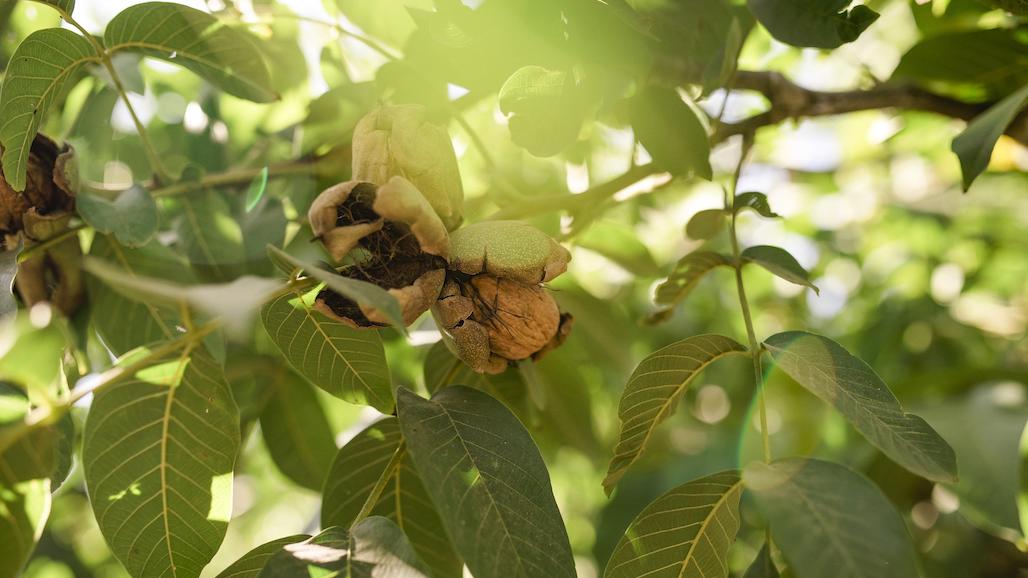
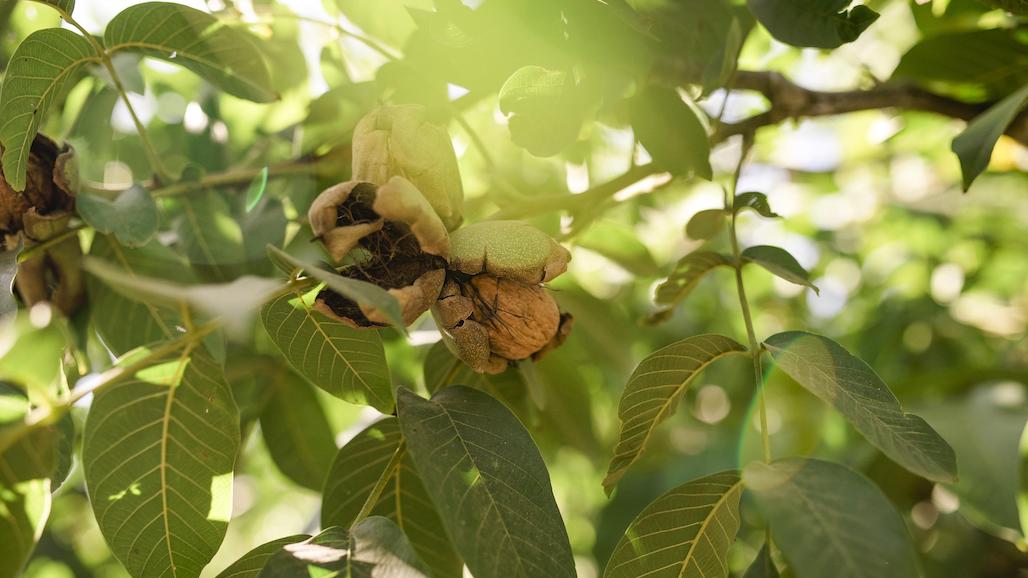
The USDA’s National Agricultural Statistics Service (NASS) released the official 2025 California Walnut Industry Objective Measurement Report on Wednesday, September 4, 2025. The 2025 California walnut production is forecasted at 710,000 tons (644,101 MT), up 18% from 2024’s production of 603,000 tons (547,032 MT). The forecast is based on 365,000 bearing acres, down 1% from 2024’s estimated bearing acreage of 370,000 acres.
The September 4th announcement from NASS provides the industry with an objective crop volume estimate. Using scientific methodologies, USDA field staff counted, measured, weighed, and evaluated thousands of walnuts from major growing regions in July and August for use in a statistical acreage model to establish the annual walnut crop estimate.
In addition to the updated crop estimate, the California walnut industry is nearing the close-out of the 2024 crop year. Early evaluations are encouraging, suggesting it will be one of the lowest unsold carry-in inventory volumes the industry has seen in years and much of this inventory will be sold in September and October before the new harvest is ready to ship.
“The estimate of 710,000 tons is in-line with what the industry was projecting,” said Robert Verloop, Executive Director and CEO of the California Walnut Board and Commission. “Combined with virtually being sold out of the 2024 crop, the industry is well positioned to start shipping new harvest California walnuts immediately, providing seller and buyer confidence and stable markets.”
“Moreover, walnut quality is exceptional, the result of careful farming, ideal spring and summer conditions and replenished soil moisture, with a consistent nut set. Growers have been opening walnuts and have commented that the walnuts kernels are completely filling the shells and have exceptionally light color for this time of the year. This crop may exceed the excellent quality we have seen in the last two years. I think international markets will be very pleased.”
Harvest begins in September with early varieties and may extend into early November, harvesting the crop at its peak quality and full development.
The California walnut industry foresees a promising season ahead. The California Walnut Board and Commission continue its focus to build long-term demand and increase sales for California walnuts by implementing programs that drive consumers to eat more walnuts, more often, and in more ways. With a strong commitment to delivering excellent quality, the highest food safety standards, consumer appeal and a reliable supply, California walnuts are well-positioned to meet the evolving needs of the global market — today and into the future.
About the California Walnut Board and Commission
The California Walnut Board (CWB) and California Walnut Commission (CWC) represent more than 3,700 California walnut growers and approximately 70 handlers, grown in multi-generational farmers’ family orchards. California walnuts, known for their excellent nutritional value and quality, are shipped around the world all year long, with more than 99% of the walnuts grown in the United States being from California. The CWB, established in 1948, promotes usage of walnuts in the United States through publicity and educational programs. The CWB also provides funding for walnut production, food safety and post-harvest research. The CWC, established in 1987, is involved in health research with consuming walnuts as well as domestic and export market development activities.
To explore recipes and learn more about California walnut growers, industry information and health research, visit walnuts.org.
Improving Tree Nut Crop Management Through Effective Weed Control
Preventing Broadleaf Weeds from Obstructing Orchard Floors
In sports, there is nothing like good competition. When it comes to managing orchard floors, competition can be a nightmare, especially when that competition comes from tough-to-control broadleaf weeds.
A weed-free orchard floor is more than visually appealing; it sets the stage for better orchard management throughout the season and improved efficiency at harvest.
Early Control
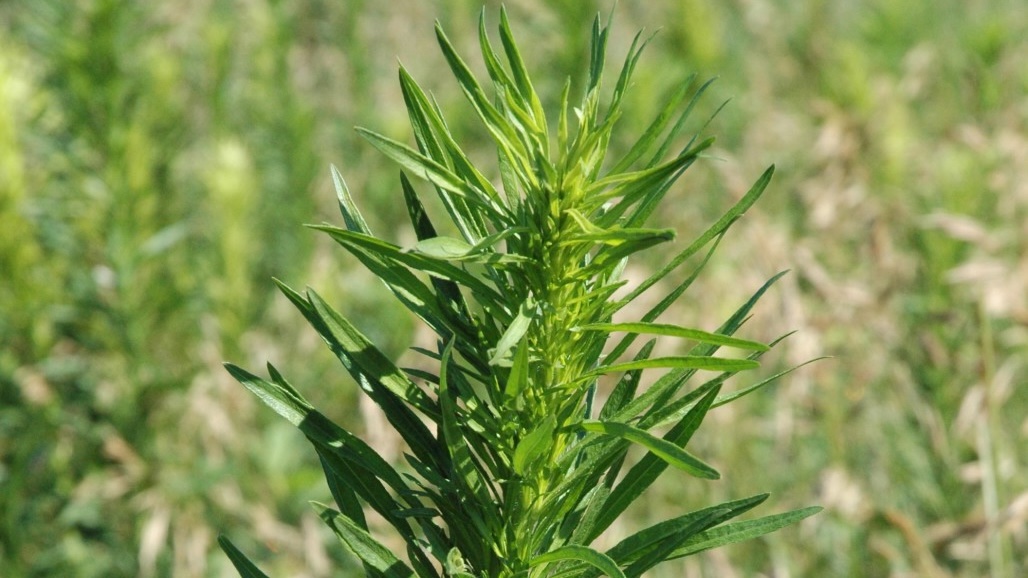
Tree nut production is challenging enough without having to worry about controlling tough Conyza broadleaf weeds such as hairy fleabane and horseweed, along with other species like prickly lettuce, mallow and filaree. If a herbicide used in a weed control program provides only partial control, regrowth is likely.
“Timing herbicide applications when broadleaf weeds are small is always advised,” said Daniel Abruzzini, Coastal District market development specialist with Corteva Agriscience. “Small, actively growing weeds absorb and more readily transport herbicides throughout the plant than larger weeds. Susceptibility is greater when weeds are small — which increases the chances for control.”
At all costs, prevent weeds from reaching the reproductive stage and heading out, which adds to next year’s seedbank. A single horseweed plant can produce up to 250,000 seeds. Hulk® CA herbicide with Rinskor® active is a new and effective Group 4 herbicide offering excellent broadleaf control. Through systemic activity, it controls emerged, susceptible weeds and prevents regrowth.
“This innovative herbicide provides tree nut crop growers with a powerful new solution to manage challenging broadleaf weeds in permanent crops,” Abruzzini said. “Hulk CA herbicide delivers a flexible solution as part of a season-long weed management program and can be used alone or with a tank-mix partner. It also is compatible as part of a preemergence or burndown program in the fall or spring.”
Flexibility
Like weed control in row crops, effective weed management in tree nut orchards should begin early and continue through fruit set and nut development. That creates the need for a herbicide with extended flexibility, not only in application timing but also in tank-mix compatibility. More orchard managers are finding those attributes in Hulk CA herbicide with Rinskor active.
Hulk CA with Rinskor active offers a broad application window for both dormant and non-dormant uses.
For more information, visit Corteva.us/HulkCA or your local Corteva Agriscience representative.
Conservative Republican, farmer, and mother of four, Alexandra Duarte officially announced today that she is running for California’s 4th State Senate District.
Alexandra and her husband, John, built their life on their family farm in Modesto, where they grow almonds and walnuts. Alexandra lives by the values of faith, hard work, and patriotism, which she and John always taught to their children. As a farmer, Alexandra knows firsthand the long days and tough work that make our way of life possible.
“Newsom’s socialist Democrats are destroying California, and I’m ready to fight back,” said Duarte. “It’s time the 4th District had a Senator who will stand up for true conservative principles—defending our families, protecting our God-given freedoms, and ensuring Sacramento works for us, not against us. I will be that Senator.”
Alexandra is unapologetically pro-gun, pro-family, and pro-freedom. In the State Senate, she will fight to secure the border, defend the rights of parents and our children, and stop radical environmental policies that have left California’s forests to burn and water inaccessible.
Unlike career politicians, Alexandra Duarte is a farmer, a mom, and a conservative who believes in faith, family, and freedom. She is running for State Senate to fight for hardworking families, expose radical Sacramento democrats, and Make California Great Again.
Conservative. Farmer. Mom. Alexandra Duarte for State Senate.
The California Walnut Board is announcing a new Board of Directors, which has been certified by the U.S. Secretary of Agriculture. The Board of Directors consists of 10 growers and 8 handlers, which include three new individuals, who will serve a two-year term beginning Sept. 1, 2025, and ending Aug. 31, 2027:
DISTRICT 1
Grower Member: William D. Carriere, Glenn
Grower Alternate: Jeff Gallagher, Rio Oso
Grower Member: Ben Walsh, Orland
Grower Alternate: Michael Petz, Tracy
Handler Member: Jack Mariani, Winters
Handler Alternate: John Aguiar, Winters
Handler Member: Eric Heidman, Stockton
Handler Alternate: Dick Wolf, Stockton
DISTRICT 2
Grower Member: Brent Barton, Escalon
Grower Alternate: Daniel Bays, Westley (New)
Grower Member: Greg Wiersma, Visalia
Grower Alternate: Benjamin Crane, Merced
Handler Member: Frank Guerra, Hollister
Handler Alternate: Brock Middleton, Hughson
Handler Member: Mike Poindexter, Selma
Handler Alternate: Aaron Martella, Hughson (New)
AT LARGE
Grower Member: Michael Machado, Linden
Grower Alternate: John Heier, Live Oak (New)
“These newly elected board members bring valuable experience and fresh perspectives to the table,” said Robert Verloop, executive director of the California Walnut Board. “Importantly, they are not only committed to their own operations, but also to the broader success of the walnut industry. Their leadership will be critical as we work to create new opportunities for growth and ensure the long-term sustainability of the industry through our strategic plan developed in 2023, which aims to make California walnuts craved around the globe.”
The board certification concludes the election process that began in February when nominations opened for board positions. Growers and Handlers across California received nomination petitions, followed by ballots in mid-April listing eligible candidates for their respective districts and statewide positions.
The California Walnut Board members will help shape the future of the California walnut industry and guide its ambitious strategic plan, which focuses on six key priorities: product quality, global sales and marketing, innovation, sustainability, goal-oriented production and post-harvest research, and revitalizing the board and commission for industry cohesion.
About the California Walnut Board
The California Walnut Board (CWB) represents more than 3,700 California walnut growers and approximately 70 handlers, grown in multi-generational farmers’ family orchards. California walnuts, known for their excellent nutritional value and quality, are shipped around the world all year long, with more than 99% of the walnuts grown in the United States being from California. The CWB, established in 1948, promotes usage of walnuts in the United States through publicity and educational programs. The CWB also provides funding for walnut production, food safety and post-harvest research.
To explore recipes and learn more about California walnut growers, industry information and health research, visit walnuts.org.
California’s agriculture industry is mourning the loss of Jonathan W. Field who served as Manager of the California Tree Fruit Agreement for over a decade, led the Walnut Bargaining Association and served as the Compliance Officer for the California and Arizona Leafy Greens Marketing Agreements and the California Cantaloupe Advisory Board.
Field, 77, of Lincoln, California, passed away peacefully August 5, 2025, surrounded by his loving family.
Field’s passion for agriculture began at age six when he received his first sheep on Christmas morning. A lifelong 4-H member, he spent nine months in Kenya, Africa with the 4-H and Peace Corps, teaching crop rotation and agricultural best practices. He always maintained his own sheep and cattle, fulfilling his lifelong dream of farming.
He attended California Polytechnic State University, San Luis Obispo where he earned an undergraduate degree in Agricultural Business and then a master’s degree in Agricultural Economics from University of California, Davis.
Field’s professional journey as part of California’s agricultural industry was as expansive as it was impactful. He began his career with California Agricultural Statistics Service and then as an economist for the California Department of Food and Agriculture (CDFA) where he worked on programs for iceberg lettuce, fresh tomatoes, carrots, celery, potatoes, cling peaches and processing pears. While at CDFA, Field wrote the first Marketing Agreement program and was the economist assigned to the first Commission laws created in California.
In 1981, Field became Assistant Manager for the California Tree Fruit Agreement (CTFA), a conglomerate of marketing order programs representing California-grown peaches, plums, nectarines and pears. He became Manager in 1987, serving until 2000 where he championed growers, strengthened industry standards and left a lasting mark on California’s tree fruit sector. Importantly, he was integrally involved in the litigation which went successfully to the U.S. Supreme Court upholding the legality of mandatory commodity programs.
“During the 1990s, the California Tree Fruit Agreement was extremely fortunate to have Jonathan Field as its Manager,” said Melvin Enns, a tree fruit grower-shipper who served on the CTFA Board for many years.“Jon was well-versed in the intricacies of government regulations. He formed a diverse team of experts in the areas of merchandising, export development, communications and grower relations to create programs that complied with these directives. And, together with the 1500+ growers of California peaches, pears, plums, and nectarines, Jonathan and his team built a federal and state marketing order that was the envy of tree fruit growers in every other state.”
Not only did Field leave a lasting impression on the California fruit industry, but he championed several causes impacting California agriculture in general. Working with a group of marketing order and commission managers (who are now retired) including:Bruce Obbink, California Table Grape Commission; Dennis Balant, California Walnut Board; Rich Peterson, California Prune Board; Terry Stark, California Raisin Advisory Board, and Dave Riggs, California Strawberry Commission, Field was instrumental in founding the Alliance for Food and Farming, the Agricultural Issues Forum, the Minor Crop Farmer Alliance, the California Specialty Crop Council and the Buy California Marketing Agreement, or “California Grown”.
After leaving CTFA, Field formed Paradigm Consulting Company where he worked for several organizations including as Executive Director of the Walnut Bargaining Association, a cooperative of California walnut growers.
“Jon Field was a true representative for our industry,” said Donald Norene, Chairman of the Walnut Bargaining Association (now known as the Walnut Alliance of California.). “He was committed to empowering walnut growers with the financial information necessary to successfully negotiate a fair return for their walnut crop and his analysis was highly regarded by bankers, growers and handlers.”
In 2007, Field began working as the first Compliance Officer for the newly formed California Leafy Greens Marketing Agreement (LGMA) and its sister organization the Arizona Leafy Greens Marketing Agreement to help ensure leafy greens growers are following stringent food safety practices. In 2012, he began performing these same functions as the Compliance Officer for the California Cantaloupe Advisory Board. Field finally retired in 2023.
“I had known Jon for many years prior to bringing him on at the LGMA as our very first Compliance Officer,” said Scott Horsfall, former president and CEO of the California LGMA. “He was the perfect person for this role with his strong background in working with CDFA, his knowledge of marketing orders and agreements and his strong desire to help the agricultural industry through challenges. He will be missed.”
Jon is survived by his wife, Christine, of 52 years; and children Erin, Jonathan and Heather; seven grandchildren, sister, Shirley and many nieces, nephews and cousins.The family will provide more information about a Celebration of Life at a later date.
The Wonderful Company has taken the coveted No. 1 spot on the 2025 PEOPLE® Companies That Care list, rising from No. 3 last year. The $6 billion enterprise, with 10,000 employees worldwide and a portfolio of well-known healthy brands, earned the recognition for its commitment to employees, communities, and the environment. This commitment is rooted in the vision of founders Lynda and Stewart Resnick, whose philanthropic giving, along with their foundations and company, accounts for more than $2.5 billion and focuses extensively on the communities where Wonderful employees and their families live and work.
Based in Los Angeles, The Wonderful Company is one of the largest privately held companies in the United States and among the world’s largest agriculture companies. With operations spanning the Central Valley and wine regions of California, Texas, New Jersey, Arizona, Oregon, Oklahoma, Arkansas, and the countries of Mexico and Fiji, its family of brands include Wonderful Pistachios, FIJI Water, POM Wonderful, Wonderful Halos, Wonderful Seedless Lemons, Teleflora, and JUSTIN, Landmark, and Lewis Cellars wines. To qualify for the PEOPLE® list, thousands of anonymous employee survey responses provided input attesting to The Wonderful Company’s culture, leadership, and relationships with workers.
In bestowing the top honor, PEOPLE® highlighted The Wonderful Company’s signature Career Pathways program, which empowers students to obtain an associate’s degree upon graduating from one of seven partner high schools in the Central Valley. Students also receive critical work- based learning experiences by participating in job shadows, career workshops, and paid internships at Wonderful. Since 2018, more than 1,600 students have graduated from the program with an associate’s degree.
Wonderful Career Pathways Graduation
“In the Central Valley of California, our people do the hard work of feeding our nation. Their children deserve every opportunity,” says Lynda and Stewart Resnick, owners of The Wonderful Company. “Wonderful Career Pathways is one of the many ways we are committed to ending the cycle of poverty by taking a holistic view and focusing on the social determinants of a healthy society. This program empowers students to enter college with 60 credits and a two- year head start on classes – or graduate high school and step right into higher-paying jobs in health care, education, and agriculture. And, Wonderful is with them every step of the way.
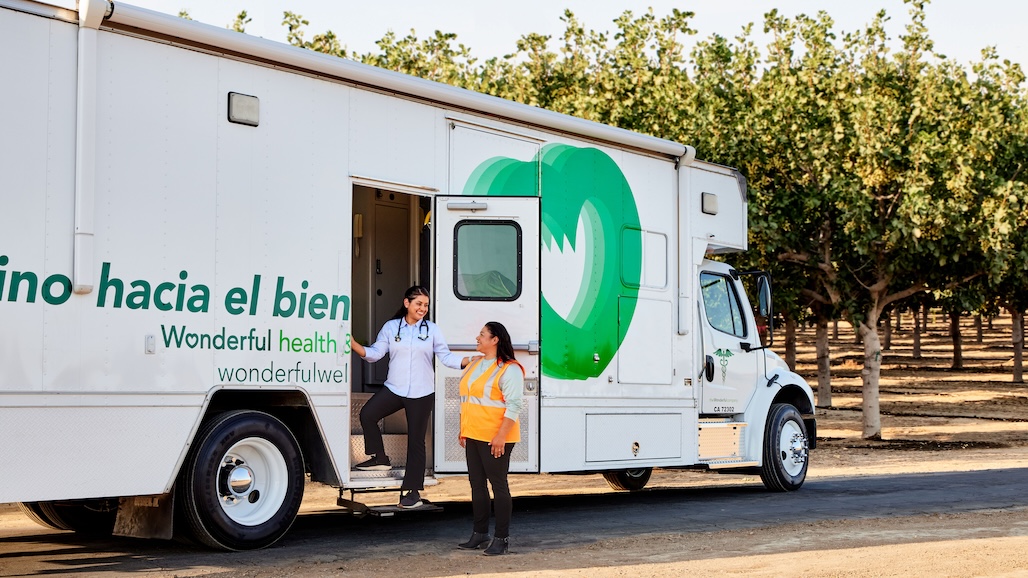
Over the past decade, The Wonderful Company and the Resnicks, along with their foundations have committed over $1 billion in the Central Valley, home to more than 3,000 of their employees. Wonderful offers free health care services to its full-time workforce in the Central Valley, including preventive care, physical therapy, prescriptions and more. Every meal served at its onsite cafeterias is fresh, nutritious, and cooked from scratch. They also support 5,000 students across 70 schools, including two public charter schools the Resnicks founded, and over 1,000 Wonderful Scholars, many of whom are employees’ children, with tutoring, academic coaching, emotional support, up to $40,000 each in college scholarships, and more. To learn more about Wonderful’s award-winning CSR and philanthropy, please visit csr.wonderful.com.
“Witnessing the innovative spirit with which these companies invest in their employees, communities, and the world is trulyinvigorating,” says Charlotte Triggs, PEOPLE GM and editor- in-chief. “Their commitment reflects our mission, to feature what happens when ordinary people do extraordinary work.”
Earlier this year, The Wonderful Company was also named one of Fortune® magazine’s 100 BestCompanies to Work For. It was recognized again as one the Best Places To Work in the Central Valley by Best Companies Group for its commitment to the well-being of its workforce.
To be considered for the PEOPLE® and Fortune® lists, companies must be Great Place To WorkCertified™ and have at least 10 U.S. employees.
About The Wonderful Company’s Corporate Social Responsibility
The Wonderful Company and its co-owners, Lynda and Stewart Resnick, have a long-standing commitment to investing inthe communities where their employees live and work, especially in California’s Central Valley, home to 3,000 employees. The Resnicks, along with their foundations and The Wonderful Company, have invested more than $2.5 billion in education, health and wellness, community development, and sustainability initiatives across the Central Valley, Fiji, and the world. To learn more about The Wonderful Company, and its core values, visit csr.wonderful.com.
About the PEOPLE® Companies that Care List
Great Place To Work selected the 2025 PEOPLE Companies that Care List by gathering and analyzing over 1.3 million confidential survey responses from companies representing more than 8.4 million U.S. employees at Great Place To WorkCertified organizations. Of those, more than 1 million responses came from employees at companies eligible for the list and these rankings are based on that feedback. Company rankings are derived from 60 employee experience questions within the Great Place To Work Trust Index™ Survey and essays submitted by participating companies. Read the full methodology.
As the global authority on workplace culture, Great Place To Work brings 30 years of groundbreaking research and data to help every place become a great place to work for all. Its proprietary platform and Great Place To Work Model™ helpcompanies evaluate the experience of every employee, with exemplary workplaces becoming Great Place To Work Certified or receiving recognition on a coveted Best Workplaces™ List.
California almond growers are facing an unprecedented challenge this season as a severe roof rat infestation sweeps through orchards across the Southern and Western San Joaquin Valley. An early survey indicates the outbreak has impacted well over 100,000 acres, a number that has likely grown, causing widespread damage and significant economic losses.
What the Almond Board of California Has Learned
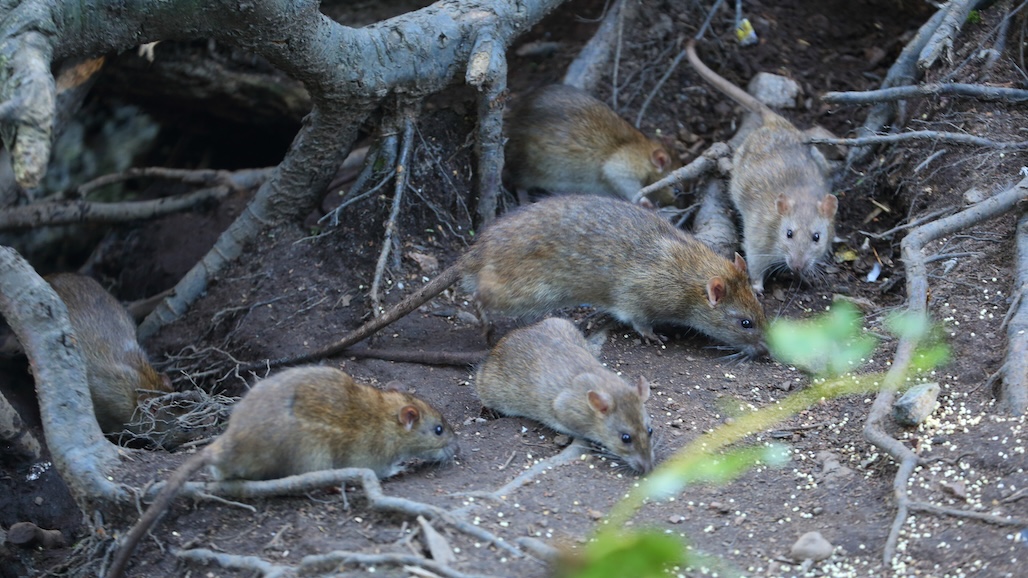
Almond growers across Merced, Fresno, Kings, and Kern counties have reported an alarming spike in rodent populations. Over the last several months, ABC has participated in tours and meetings about the severity of this rat infestation, and field observations indicate that these rodents are using irrigation canals and other waterways as corridors, enabling them to rapidly spread between orchards and diverse agricultural fields. This mobility is exacerbating the extent of damage and complicating containment efforts.
Roof rats are arboreal, meaning they spend a considerable amount of their life above ground, often building nests in trees. However, for several years, researchers have noted that in almonds and other tree nuts, they use burrows extensively.Although it’s undetermined as to why, some believe it’s the lack of cover in the winter months that drives this behavior.
According to preliminary findings from a CDFA-led surveyconducted in the fall of 2024, monitoring efforts revealed particularly high densities of rats in the reported areas, with up to 32 rats captured per night at some locations. Direct damage to the trees occurs through consumption of nuts, girdling of small and large limbs, and burrowing in the root zone. Additionally, damage to irrigation systems, equipment and other infrastructure within orchards is often greater than direct crop loss.
Economic analyses from the CDFA report estimated total on-farm losses ranging from $109 million to $311 million. Major expenses contributing to these figures included drip line replacements, which alone accounted for losses between $56 million and $168 million, and yield losses resulting from disrupted post-harvest irrigation, estimated at $43 million to $129 million. Additional significant costs stemmed from direct tree damage, farm equipment repairs, machinery cleaning due to rodent contamination and replacement of damaged trees.
The lower-end estimates assumed less extensive damage, such as 25% of affected acreage needing drip line replacement and 10% tree damage. Conversely, the higher-end scenario accounted for more severe conditions, including drip line replacements on 75% of impacted acreage, 15% tree damage, and substantial farm equipment repairs and maintenance.
Photo Caption: Irrigation line damage from rats
Drip line damage and yield reductions alone represented nearly 90% of the anticipated financial impact. Furthermore, CDFA cautions that these numbers may underestimate the true financial burden, as broader impacts, including newly planted orchards and extensive post-harvest cleanup beyond farm machinery, were not fully quantified in the preliminary analysis.
During ABC’s learnings, one grower noted the replacement of an entire drip irrigation system was estimated at $20,000, and the rodents also chewed through irrigation wiring causing fires. A second almond grower detailed extreme damage that was estimated at a 50% crop loss, even while he was exterminating between 50-100 rats a day.
Photo Caption: Aside from equipment and tree damage, rats are eating the nuts themselves on the tree.
UC ANR’s IPM Recommendations
Farm managers, PCAs, and growers are expressing growing frustration and concern over their ability to sustain operations. Management strategies currently in use include bait stations and aluminum phosphide treatments of burrows in the winter, and less conventional methods such as snap traps, owl boxes and applying carbon monoxide or carbon dioxide into burrows as another fumigation option. However, many growers report these tactics are labor-intensive, costly, and insufficient for the scale of this infestation. Additionally, growers noted that rotating bait flavors has become necessary as rodents quickly grow wary and “bait shy.”
Based on research led by UC ANR scientists Niamh Quinn and Roger Baldwin, growers are advised to implement a comprehensive Integrated Pest Management (IPM) strategy tailored specifically to roof rat behavior in tree nut orchard environments. The cornerstone of effective IPM is rigorous monitoring with the use of tracking tunnels and ink cards. Strategically placed game cameras can pinpoint rat activity hotspots, while also providing information on how rat numbers are changing over time.
Using that information, growers can then implement targeted baiting programs. Elevated bait stations containing diphacinone-treated oats, positioned every 165 feet, align with roof rats’ natural climbing behavior while minimizing risks to non-target species. For tree nuts, bait stations strategically placed on the ground could also help, although this application is limited to dormant seasons. To have a significant impact, growers must keep stations full of fresh bait over a period of about four weeks. In situations where rat densities are very high, a longer period may be needed.
Again, monitoring is important during the bait program period and growers should stop the program when bait consumption becomes minimal. As a reminder, rodenticide regulations are ever-changing, and applicators should always read the label carefully to ensure compliance.
Strategically placed snap traps in protective trapping tunnels, spaced approximately 245 feet apart, form a crucial component of long-term rat control post-baiting. Regular maintenance and monitoring of these traps are necessary to sustain effectiveness. Collaboration among neighboring orchards can further enhance the efficacy of these integrated pest management measures.
During the dormant season, broadcasting zinc phosphide bait or applying zinc phosphide within burrows is also an option, although the efficacy of this bait for rats in California orchards is unknown. Burrow fumigation with aluminum phosphide, gas cartridges or carbon monoxide and carbon dioxide injection devices are also options. UC ANR advises growers to be aware that if using aluminum phosphide, in addition to normal requirements that apply to all restricted-use fumigants, you also now need to have a Burrowing Vertebrate Pest Fumigation Certificate (PCA license) to use this product.Also note that any diphacinone-treated bait for use in bait stations must be bought from a County Ag Commissioner’s office.
Based on the level of infestation learned from using the tracking tools, multiple overlapping strategies may be necessary to reduce the populations.And if possible, rotating to a non-diphacinone option is a good decision to avoid diphacinone-resistance.
Additional Support and Resources on the Horizon
Industry groups are mobilizing to provide tangible support for growers facing ongoing rodent pressures. CAPCA, in collaboration with the Almond Board of California and other agricultural partners, is pooling funds to purchase and distribute abatement stations or owl boxes to affected regions, depending on CDFA recommendations.
Additionally, CDFA is actively working to facilitate updates to pesticide labels for rodent control materials. Specifically, updates and approvals for the use of zinc phosphide and diphacinone are in progress, which could expand application options for growers if finalized. These advancements would provide growers with additional chemical tools to integrate into their rodent management programs.
Furthermore, the latest information and assistance opportunities are being planned for informative sessions at the 51st Annual CAPCA Conference in October and The Almond Conference in December. UC Cooperative Extension’s Roger Baldwin will be presenting Monday, October 20, at the annual CAPCA conference in Reno, Nevada. ABC’s Gabriele Ludwig will be leading a discussion about rodent control in the face of changing regulations at The Almond Conference December 10-12 in Sacramento, CA. — By the Almond Board of California
How one California almond grower managed over-soaked orchards to prevent devastating soilborne pathogens.
BY BETHANY MACON
Losing crops is a reality of farming, especially when you’re battling weather, new pests and emerging diseases. Seeing a few acres of your life’s work perish is tough, but the threat of losing your entire operation is a different type of sting. One California almond grower shares how soil health improvements made his orchards vulnerable to disease and how he was able to bring them back from the brink of total devastation.
Trees Lost to Unusually Wet Weather Worsened by Soil Prep
Whole orchard recycling is a process to reincorporate an outgoing orchard in preparation for planting a new one. Mature trees are felled and ground into woodchips, which are then spread and incorporated into the soil. The University of California found that this process can help improve water retention. The issue for John Fassler, a California pest advisor who went through whole orchard recycling, was that the moist soil and greater-than-normal rainfall turned his orchards into the perfect breeding ground for oomycete pathogens like Phytophthora.
Fassler has consulted at Braden Farms where they used whole orchard recycling as a way to prepare for planting a new orchard. “This is a fairly new process, which means we’re learning as we go,” he says. “Some issues we’ve seen have been a rise in fungal diseases, such as Phytophthora and other replant diseases.”
Mother Nature hasn’t helped the fungal disease risk, especially at the beginning of the 2023 growing season. California experienced greater than average annual precipitation in 2023, breaking numerous records and ending three years of persistent drought, according to the California Nevada River Forecast Center.
“We’ve had significant rainfall in California the last two years, so this has really intensified the battle with Phytophthora in some spots,” says Ashley Bandoni, Syngenta sales representative and California almond grower.
Fassler experienced devastation due to those heavy rains. One of his orchards was completely submerged, worsening the orchard’s Phytophthora issues.
“We lost about 500 trees on this block due to Phytophthora and replant disease,” says Fassler. “Phytophthora is becoming more and more of an issue in these wetter years.”
Phytophthora Overtakes Young Almond Trees
Many California growers and crop consultants have been battling fungal disease challenges.
Ethan Nicol, an independent pest control advisor and crop consultant for Balanced Agronomics, helped one of his customers manage extreme Phytophthora in a young almond orchard.
Planted in the fall of 2021, Nicol began seeing early symptoms of Phytophthora infections the following spring. Young trees like the ones in the orchard Nicol manages tend to be more susceptible to disease because their root systems and crown areas are smaller compared to those of mature trees, according to the University of California Department of Agriculture.
“In that first 2022 season, we observed maybe 30 percent of the orchard was infected,” says Nicol. “By mid-August, we had really grown to realize the significance of the issue.”
Coming Back from Orchard Devastation
For both Nicol and Fassler, almond yield potential was on the line and devastation was just over the horizon. They both had a tough decision to make.
“As far as doing our research going into it, usually we have the Syngenta reps come in to help us decide if the product will be a good fit for us,” says Fassler. “We also ask about how the product differentiates itself from what we’ve already been doing.”
After discussions with their local Syngenta experts, Fassler and Nicol decided to apply Orondis®fungicide to help save their orchards. Fassler says his flooded orchard plot turned around.
“My experience with Orondis changed up our program,” says Fassler. “We’ve been able to work it into our program really well and we didn’t lose one tree this year.”
Nicol’s experience with Orondis was also nothing short of extraordinary. Before application, Nicol was working with the grower to continuously remove and replant dead trees. They lost roughly 600 almond trees — six ranches — to Phytophthora. Once Orondis was applied in 2023, Nicol observed a noticeable decline in newly infected trees.
[quotes quotes_style=”bpull” quotes_pos=”center”] My experience with Orondis changed up our program. We’ve been able to work it into our program really well and we didn’t lose one tree this year. —John Fassler, California Pest Advisor [/quotes]
“We were confident in the success that we were seeing by the replants taking and growing strongly, and the existing trees continuing to grow and not develop signs of Phytophthora,” says Nicol. “Going into 2024, just as a precaution and to help protect this investment, we made an additional Orondis application. There’s been almost no sign of infected trees this season.”
Growers Also Need Care
If Fassler and Nicol didn’t have the guidance and support of their Syngenta representatives, their almond orchards might have been lost.
“I’ve worked with Syngenta for probably about the last 20 years, and through the years we’ve had many different experiences,” says Fassler. “Syngenta has always been there to help us through and guide us through what needed to be done.”
The U.S. Department of Agriculture’s Foreign Agricultural Service (FAS) is now accepting applications for its upcoming agribusiness trade mission to Mexico City, Mexico, scheduled for November 3–6. U.S. exporters interested in exploring trade opportunities in Mexico’s dynamic agricultural market must apply by Thursday, July 31.
“Strengthening export opportunities for American farmers, ranchers, and agribusinesses is a top priority of USDA,” said Deputy Under Secretary for Trade and Foreign Agricultural Affairs Michelle Bekkering. “This trade mission will connect U.S. producers with key buyers in Mexico, expanding economic opportunities, supporting rural prosperity, and keeping American agricultural products globally competitive.”
Mexico was the largest export market for U.S. agricultural products in 2024, with sales totaling more than $30 billion, supporting approximately 190,000 U.S. jobs. Agricultural trade between the United States and Mexico under the United States-Mexico-Canada Agreement (USMCA) reached nearly $79 billion in 2024 and has shown consistent growth over the last decade.
To ensure the protection of U.S. livestock herds, in June, Secretary Rollins launched a Bold Plan to combat New World Screwworm (PDF, 434 KB) by protecting our border at all costs, increasing eradication efforts in Mexico, and increasing readiness. USDA also announced the groundbreaking of a sterile fly dispersal facility in South Texas. This facility will provide a critical contingency capability to disperse sterile flies should a NWS detection be made in the southern United States.
Growing U.S. exports to Mexico are supported by factors such as rising disposable income among Mexico’s upper middle class, familiarity with U.S. products and food trends, and strong demand for high-quality agricultural goods.
Consumer-oriented products represent the largest share of U.S. agricultural exports to Mexico and have increased by more than 75 percent between 2020 and 2024. USDA anticipates strong export opportunities across several product sectors, including:
•Beef, poultry, and related products
•Dairy products
•Seafood
•Tree nuts
•Pet food
•Baking and food processing ingredients
Additional opportunities exist for U.S. products such as animal feed, rice, pulses, seed potatoes, and livestock genetics.
During the trade mission, U.S. agribusiness representatives will connect directly with buyers from Mexico City and surrounding regions through business-to-business meetings, market briefings, site visits, and networking events led by FAS staff and regional experts.
The Mexico trade mission is part of USDA’s broader 2025 export promotion strategy. Recent trade missions to Thailand, Guatemala, Hong Kong, and Peru have delivered measurable success for U.S. exporters. Applications are now closed for the trade mission to Taiwan. To learn more about FAS agribusiness trade missions, visit https://www.fas.usda.gov/topics/trade-missions.
Wonderful® Pistachios has announced a major partnership with Buffalo Bills star quarterback and pistachio farmer Josh Allen, uniting the NFL’s reigning Most Valuable Player with America’s #1 Nut brand. A native of California’s Central Valley, where Wonderful Pistachios are grown and processed, Allen is part of a fourth-generation farming family whose crops include pistachios, and Wonderful Pistachios is the world’s largest pistachios producer and brand.
As part of the partnership, Allen will be featured in a national advertising campaign, set to launch this fall at the start of the upcoming football season. The details of the campaign will not be unveiled until its debut but will include comedic television commercials that will roll out across TV, digital and social media platforms. The commercials will showcase the quarterback’s iconic presence and promote Wonderful Pistachios as a powerhouse snack for athletes, football fans, and families alike.
Beyond the spotlight, the collaboration also brings together the brand and Allen’s shared commitment to giving back to the Central Valley community that raised Allen and where the majority of the world’s pistachios are grown. Wonderful Pistachios and Allen are establishing a college scholarship fund for high school students in California’s Central Valley, supporting local youth in their pursuit of higher education and continued success, which will be unveiled this fall.
“Agriculture has always been part of my life on our family farm, and pistachios have been a smart, protein-forward snack to fuel my training,” said Allen. “Partnering with Wonderful Pistachios feels like coming full circle. We’re both built on strong roots, and I’m excited to help spotlight a product that’s as real and hardworking as the people in California’s Central Valley.”
A fourth-generation farmer who grew up in Firebaugh, CA, Allen knows firsthand the value of hard work and the role pistachios play in healthy, active lifestyles. Allen’s family farm grows pistachios that supply Wonderful Pistachios, making this partnership a natural fit rooted in shared values, local pride, and a commitment to wellness.
“This partnership marks a homegrown alliance that starts where both our stories began, in the Central Valley of California, which grows 95% of the pistachios in America,” said Andy Anzaldo, who leads grower relations at Wonderful Pistachios and is chief operating officer of corporate social responsibility for its parent company, The Wonderful Company. “Josh’s authenticity, work ethic, and deep ties to pistachio farming make him a true ambassador for our brand. Together, we’re investing in the future of the region we both proudly call home.”
“We’re thrilled to welcome Josh Allen to the Wonderful Pistachios family, and work together to inspire healthier snacking,” shared Michael Perdigao, president of The Wonderful Agency. “One in three people who snack on Wonderful Pistachios do so while watching sports, with football being the most popular, making this partnership a real touchdown.”