Category: Industry News

  • Multiple Recent Studies Examine Walnuts & Heart Health

    Multiple Recent Studies Examine Walnuts & Heart Health

    New findings from three publications supported by the California Walnut Commission, demonstrate the impact of walnuts on various aspects of heart health. The findings were so compelling that the papers were supported by the journals with a press release and/or editorial coverage, stimulating broad media coverage. The California Walnut Board (CWB)/California Walnut Commission’s (CWC) mission is to work collectively to promote the benefits and many ways walnuts can play a role in the overall health of consumers in the U.S. and around the world.

    Here are the highlights:

    • A study published in the online journal Heart analyzed the impact of a traditional Mediterranean diet, green Mediterranean diet, and healthy US diet on LDL cholesterol, weight and insulin resistance. Both Mediterranean diets included a daily serving of walnuts.
    • Research shared in the Journal of the American College of Cardiologylooked at regular consumption of foods rich in marine or plant-based omega-3s and risk of death among individuals who have suffered a heart attack. Walnuts are the only nut with an excellent source of plant-based omega-3 ALA (2.5 grams/ounce).
    • Another publication in the Journal of the American College of Cardiologyexplored regular consumption of walnuts and anti-inflammatory effects. Chronic inflammation, caused by factors such as poor diet, obesity, stress and high blood pressure, is damaging and a factor associated with heart disease risk.

    These publications and subsequent editorials and press releases have been seen over 400 million times by U.S. consumers to-date, in popular media outlets such as TODAY, Health Digest, Yahoo!, Consumer Reports, and Eat This, Not That! The California Walnut Commission (CWC) continues to fund health research to address important scientific questions, ultimately sharing findings that educate consumers about the health benefits of walnuts, helping to build market demand within the industry.

    In this case, consumers can see how including walnuts in their diet can have a beneficial impact on heart health and this easily translates to keeping walnuts top-of-mind when grocery shopping. This news also keeps walnuts in front of health professionals, who can then recommend walnuts to their patients based on new evidence-based research.

    Carol Sloan RDN, FAND, Health Research Director for California Walnuts shares, “Our industry health research program is dedicated to funding research in a credible and transparent manner that will improve understanding and expand knowledge about the effects of walnut consumption on public health outcomes.”

    Carol Sloan

    “The program began with study findings showing the positive benefits of consuming walnuts as part of a healthy diet on decreasing risk of heart disease,” Sloan continued.  “Although it is now well established that walnuts are a heart-healthy food, California Walnuts continues to support research in this area to build upon previous scientific findings, and also to keep pace with new biomarkers and outcomes related to heart disease, the #1 cause of death in the US.”

    “As a registered dietitian, I appreciate the fact that I can share scientific findings with my colleagues that assist consumers with having healthier lives with the simple addition of heart healthy foods like walnuts. Enjoying a handful of walnuts a day is an easy way to decrease risk of chronic illness such as heart disease. For example, preparing walnut “meat” tacos for dinner, or putting walnut butter on toast for breakfast or in a smoothie with fruits and walnut milk for lunch are easy, delicious and fun ways to eat more plants, including walnuts without sacrificing taste or nutrition,” Sloan concluded.
  • New Walnut Variety to Allow Earlier Harvest

    New Walnut Variety to Allow Earlier Harvest

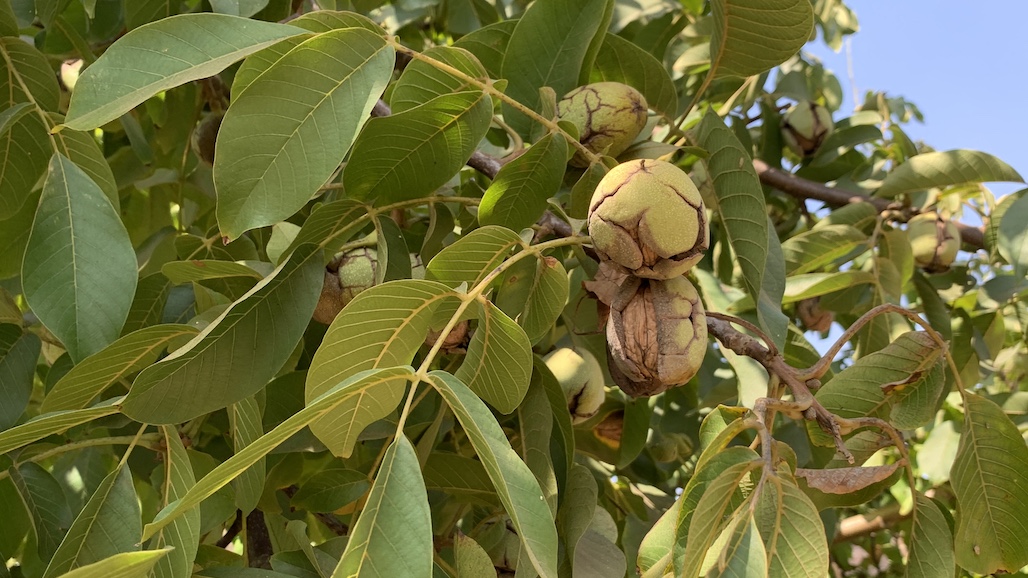
    University of California, Davis, researchers have bred a new walnut variety designed to provide growers a way to harvest earlier and boost the harvest efficiency of California’s $1.6 billion walnut industry. The new “UC Wolfskill” walnut has yield, quality and light color similar to Chandler, which is a late-harvesting walnut and the state’s leading variety. UC Wolfskill was bred in 2003 from a cross of Chandler with the Solano walnut. UC Wolfskill combines the color and shell traits of Chandler with the earlier harvest date and kernel fill of Solano.

    “The release of UC Wolfskill means growers can spread out their harvest and still have a really high-quality nut that will fetch top-notch prices and provide similar yields,” said Pat J. Brown, breeder and professor with the UC Davis Department of Plant Sciences.

    Over 99 percent of the nation’s walnuts are grown in California. More than half of the state’s bearing acres are the late-harvest Chandler walnuts. “The California walnut industry needs earlier harvesting walnut varieties to provide efficient use of harvesting, drying and processing equipment,” said breeder Chuck Leslie, with the UC Davis Walnut Improvement Program. “UC Wolfskill can be harvested 12 to 14 days earlier than Chandler and provides consistently light to extra light color.”

    Handlers judge the value of a walnut based on its color and how well it halves while processing. In blind quality evaluations by commercial graders, the UC Wolfskill was often not distinguished from Chandler.

    UC Wolfskill was originally planted and evaluated at UC Davis, and field trials with growers began in 2011.

    “The commitment of our walnut growers, as collaborators, is the foundation that makes this release possible. The Board is extremely grateful for the long-term partnership of our growers and the UC, in finding innovative solutions that help us solve for critical needs,” said Michelle Connelly, executive director of the California Walnut Board.

    The California Walnut Board funded the research. UC Wolfskill is currently available to California nurseries for propagation in California and sales to growers throughout the United States. Nurseries interested in propagating and selling this cultivar may obtain a license from UC Davis InnovationAccess. – By Amy Quinton, UC Davis Food & Ag

    “Editor’s Note: Photos Provided by Janine Hasey, UCCE Farm Advisor Emeritus”

  • Vaccination Update for Agriculture Workers

    Vaccination Update for Agriculture Workers

    The Almond Alliance has been in touch with County Health Officers about the number of vaccinations available in each county and to gather information on how the vaccinations are being distributed.  As you have heard and read, the process of vaccination has differed in each region and in many cases has been confusing.

    Vaccinations are being distributed categorically as defined by the California Department of Public Health with input from the Community Vaccine Advisory Committee. Given the limited supply of COVID-19 vaccines, CDPH recommends balancing the prioritization of these scarce resources to maximize the goal of achieving community immunity for all Californians.

    Vaccine Supply is Limited, But Preparations Are Underway for Phase 1B

    Preparations are underway to begin rolling out vaccines to those eligible in Phase 1B as soon as possible but that is dependent on vaccine availability.  For those eligible in Phase 1B, including educators, public safety, social services and food and agriculture workers some counties are evaluating and/or planning for worksite vaccinations, so you should expect that employees may start making inquiries.  The next phases of COVID Vaccine Distribution are as follows:

    Both federal and state distribution of vaccines has been delayed. As of January 13, a total of 971,829 vaccine doses have been administered statewide. As of January 13, a total of 2,948,350 vaccine doses, which includes the first and second dose, have been shipped to local health departments and health care systems that have facilities in multiple counties.

    Vaccination plans for each county are available at county websites. Find your county’s COVID-19 website, Click Here.

    It has also been reported that Phase 1B may be divided into two tiers. The first could include 1.4 million education and child-care workers including teachers, 1.1 million emergency services workers, 3.4 million food and agriculture workers including grocery store workers and 2.6 million people who are 75 or older.

    Recommendations from the Almond Alliance in preparation for food and agriculture vaccinations.

    1. Know your County Health Officer and Ag Commissioner (we can provide contact information and introduction). We are strengthening those relationships for our industry and are happy to share what we know. It will be critically important to familiarize yourself with your county’s vaccination plan and you should expect it to evolve as we move through initial phases of vaccine roll-out, e.g. the recent move-up in priority of those 65 and older.  It is likely there will be multiple vaccination pathways for you and your staff including worksites (mentioned above), community vaccination sites (e.g. schools, churches or fairgrounds), community clinics, pharmacies and healthcare providers

    2. Offer you site and a location to administer the vaccination if it makes sense.

    3. Provide your workforce educational materials about the vaccination.

    4. Make sure your workers understand what information they will need to receive the vaccination. No officials’ instructions have been provided, but we recommend the following:

    Staff should be prepared to show one or more of the following four pieces of identification to prove they are food and agriculture workers:

    • Employee badge with photo, OR
    • Professional license AND a photo ID, OR
    • Signed letter from employer on facility letterhead AND a photo ID, OR
    • Payment stub from employer with your name AND a photo ID.
  • CA Walnut Industry Welcomes Joshua Rahm as Director, Technical & Regulatory Affairs

    CA Walnut Industry Welcomes Joshua Rahm as Director, Technical & Regulatory Affairs

    The California Walnut Board (CWB) and Commission (CWC) are pleased to welcome Joshua (Josh) Rahm as their new Director, Technical & Regulatory Affairs. Joshua comes to walnuts with a strong technical and regulatory background in domestic and international agribusiness. Prior to joining the Board and Commission, Joshua worked for Wonderful Citrus as a Director, Global Sourcing & Procurement. Previously, he worked for PepsiCo, in global procurement operations, agriculture and agronomy project management and food safety. Additionally, he spent several years with Syngenta and DuPont Pioneer (Corteva Agriscience). During his time with global leaders in agribusiness, Joshua worked closely with growers, manufacturing and supply chain, product management and marketing teams, as well as research and development and agronomics.

    With a broad crop protection and crop commodity portfolio experience combined with a family farming background, he looks forward to adding further value to the industry. Joshua holds a Bachelor’s of Science Degree in Agronomy & Agribusiness from South Dakota State University.

    “We are thrilled to welcome Joshua to the CWB/CWC team,” shared Michelle Connelly, Executive Director & CEO of the California Walnut Board and Commission. “With a broad crop protection and crop commodity portfolio across the domestic and international landscape, combined with a family farming background, Josh is an added value that will serve well to our grower and handler community.”

    This is appointment comes at such a critical time in the industry, as the regulatory environment is ever-evolving and keeping California walnut growers abreast of the latest information is key to helping them to stay ahead of the curve. Josh will specifically be working to build and maintain positive, effective, and proactive relationships with state and federal regulatory agencies, provide strategic direction of the CWB/CWC Post-Harvest Research program, projects and initiatives, and provide regulatory stewardship and compliance leadership for the walnut industry, among other items.  Pacific Nut Producer Magazine welcomes Rahm as a new friend and defender of the industry.

  • Managing Phytophthora Diseases in Almond: Aerial, Root & Crown Rot

    Managing Phytophthora Diseases in Almond: Aerial, Root & Crown Rot

    There are three ways Phytophthora can injure an almond tree. Watch this brief interview with Kern County Area Orchard Systems Advisor Mohammad Yaghmour as he helps growers identify and manage Aerial Phytophthora, Root & Crown Rot.  Read more about it in Pacific Nut Producer Magazine.

    Please thank this video’s sponsor Trece for their industry support.

  • A New Microscopic Almond Pest of Concern

    A New Microscopic Almond Pest of Concern

    Another pest in almonds? Just what we needed, right? Only this one you can’t see.  Almond growers have been dealing with nematodes for a long time; however, the peach root knot nematode is new to California almond orchards.  Watch this brief interview with UC Riverside Nematologist Andreas Westphal as he explains and read more about it in Pacific Nut Producer Magazine.

    Please thank this video’s sponsor Trece for their industry support.

  • Ganoderma: Why Are My Almond Trees Falling Over?

    Ganoderma: Why Are My Almond Trees Falling Over?

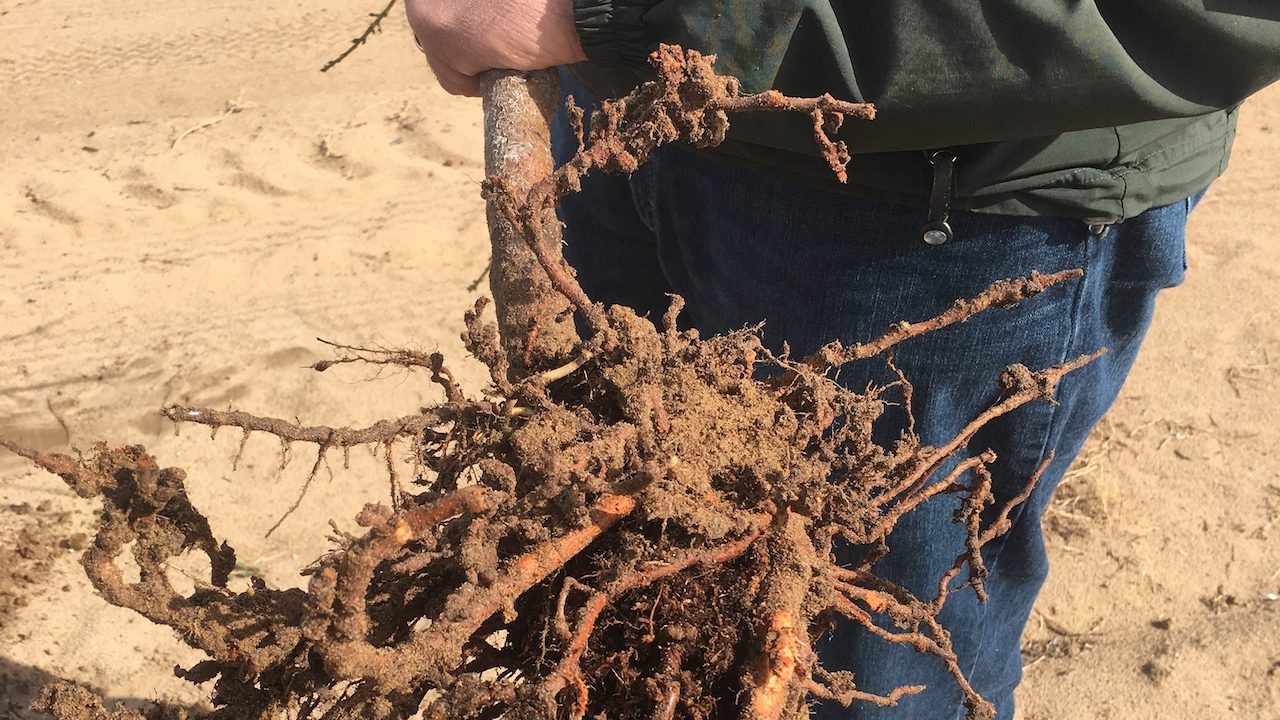
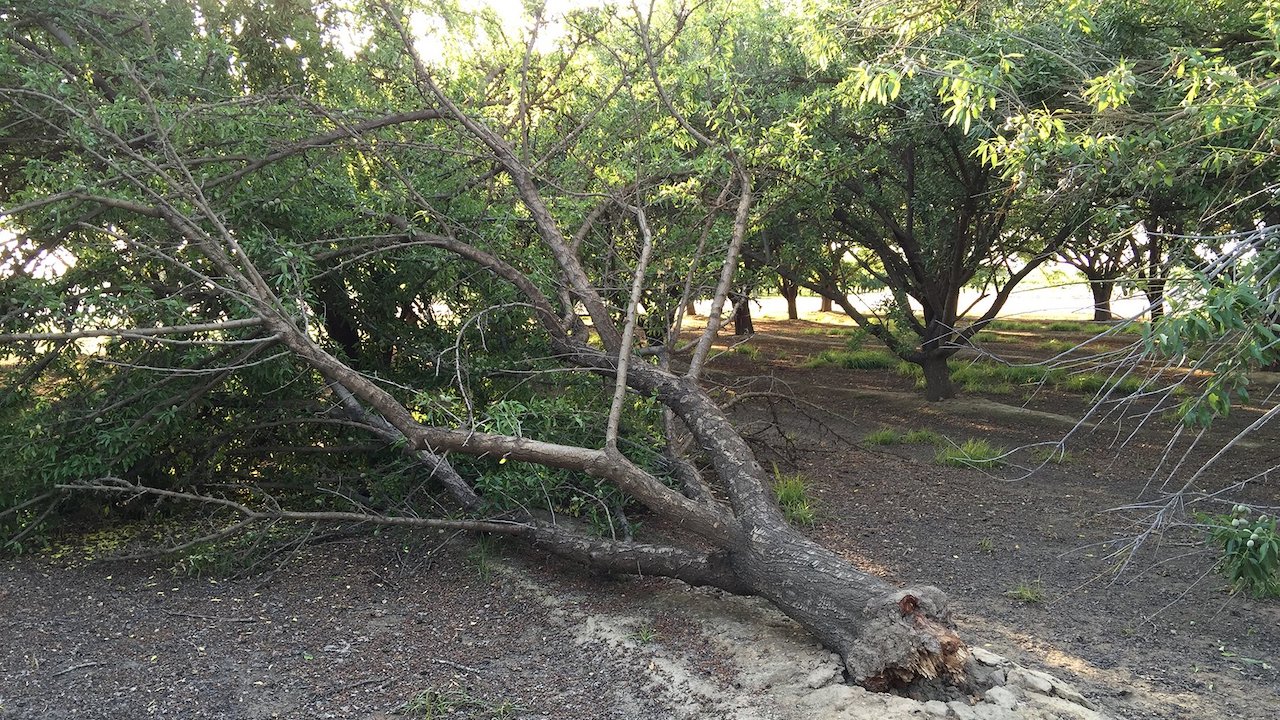
    Almond trees are collapsing all over the California, and it’s not just an old age thing anymore. If you are experiencing this in your orchard, your trees may have Ganoderma Heart Rot. Watch this brief interview with UCCE Nut Crops Advisor Mae Culumber as she explains, based on her recent presentation at the Grape, Nut & Tree Fruit Expo.

    Please thank this video’s sponsor Trece for their industry support.

  • Potassium Nutrient Management in Almonds & Pistachios

    Potassium Nutrient Management in Almonds & Pistachios


    So how much potassium does an almond or pistachio orchard need? How and when should it be applied? Watch this brief interview with UCCE Orchard Systems Advisor Phoebe Gordon as she shares some facts and considerations for growers to maintain a healthy orchard and prevent potassium deficiencies. Read more about best practices for orchard management in Pacific Nut Producer Magazine.

    Please thank this video’s sponsor Trece for their industry support.

  • Using Solar Energy in Agriculture to Limit Climate Change, Assist Rural Communities

    Using Solar Energy in Agriculture to Limit Climate Change, Assist Rural Communities

    Oregon State University — Co-developing land for both solar photovoltaic power and agriculture could provide 20% of total electricity generation in the United States with an investment of less than 1% of the annual U.S. budget, a new paper by Oregon State University researchers found.

    Wide-scale installation of agrivoltaic systems could lead to an annual reduction of 330,000 tons of carbon dioxide emissions in the U.S – the equivalent of 75,000 cars off the road per year – and the creation of more than 100,000 jobs in rural communities, while minimally impacting crop yield, the researchers say.

    “Agrivoltaics provide a rare chance for true synergy: more food, more energy, lower water demand, lower carbon emissions, and more prosperous rural communities,” said Chad Higgins, an associate professor in Oregon State’s College of Agricultural Sciences and the senior author of the paper published in the journal Sustainability.

    Agrivoltaics also align with the goals of the Green New Deal, a package of federal legislation that seeks to address climate change and economic inequalities, Higgins said.

    “Rural America, agriculture in particular, can be the solution to many of our concerns, whether it be renewable energy, mitigating climate change impacts, sustainable food or good water resource management,” Higgins said. “That connection is untapped mostly because there hasn’t been sufficient investment in those communities.

    “What we propose in this paper is all possible. It’s technically possible. It’s politically possible. And it would make money after the initial investment. That’s the takeaway – that we should take a hard look at agriculture as a solution to problems rather than a cause of problems.”

    The analysis outlined in the paper prepares Higgins for the next phase of his agrivoltaics research, which includes the installation of a fully functional solar farm designed to prioritize agricultural activities on five acres of Oregon State’s North Willamette Research and Extension Station in Aurora, Oregon, 20 miles south of Portland.

    The next phase aims to demonstrate to the agricultural community and potential future funders how Higgins’s findings can be applied in real world agricultural systems to encourage early adoption. Ground is expected to be broken in May 2021 with production expected to start in 2022.

    In the Sustainability paper, Higgins and his co-author, Kyle Proctor, a doctoral student in his lab, find that an area about the size of Maryland would be needed for agrivoltaics to meet 20% of U.S. electricity generation. That’s about 13,000 square miles, or 1% of current U.S. farmland.

    The cost of the agrivoltaic arrays would be $1.12 trillion over a 35-year project life. The researchers believe that the private sector would invest in the bulk of the construction costs with the federal government contributing with rebates and other incentives.

    Using money generated from the electricity the arrays produce, the researchers estimate it would take about 17 years to payback the $1.12 trillion. After the projected 35-year lifespan of the project, the researchers estimate the arrays would produce $35.7 billion in revenue.

    Installation of the arrays would create the equivalent of 117,000 jobs lasting 20 years, with 40% being sustainable positions for operating and maintaining the arrays, the researchers say.

    Higgins comes at this project with an eclectic background. He went through a self-described engineering degree collection phase and has published papers on everything from enzyme reaction kinetics to snow physics to turbulence theory.

    The broad background came in handy one day in 2013 while he was strolling his “thinking walk path” on the Oregon State campus. He noticed greener pasture under recently installed solar arrays. Drawing on his background studying water, agriculture, renewable energy, mechanical and civil engineering, he started thinking about agrivoltaics research.

    His initial research focused on the impact solar arrays had on the crops planted around them. That research, along with work by other scientists, has shown that crop yield is dependent on the type of crop, but in the end, when the value of the electricity generated by the solar panels is included, there is an economic net benefit from the agrivoltaic systems.

    Looking to the future, Higgins believes the wide-scale installation of agrivoltaic systems opens the door for other technologies. The surplus energy generated by the solar arrays could be used to power electric tractors or to generate fertilizer on a farm. Inexpensive sensors could be installed on the solar panel platforms to support artificial intelligence-based decisions to improve agricultural productivity.

    “Once we have infrastructure, once we have energy, we are ready to tackle so many more big problems,” Higgins said.

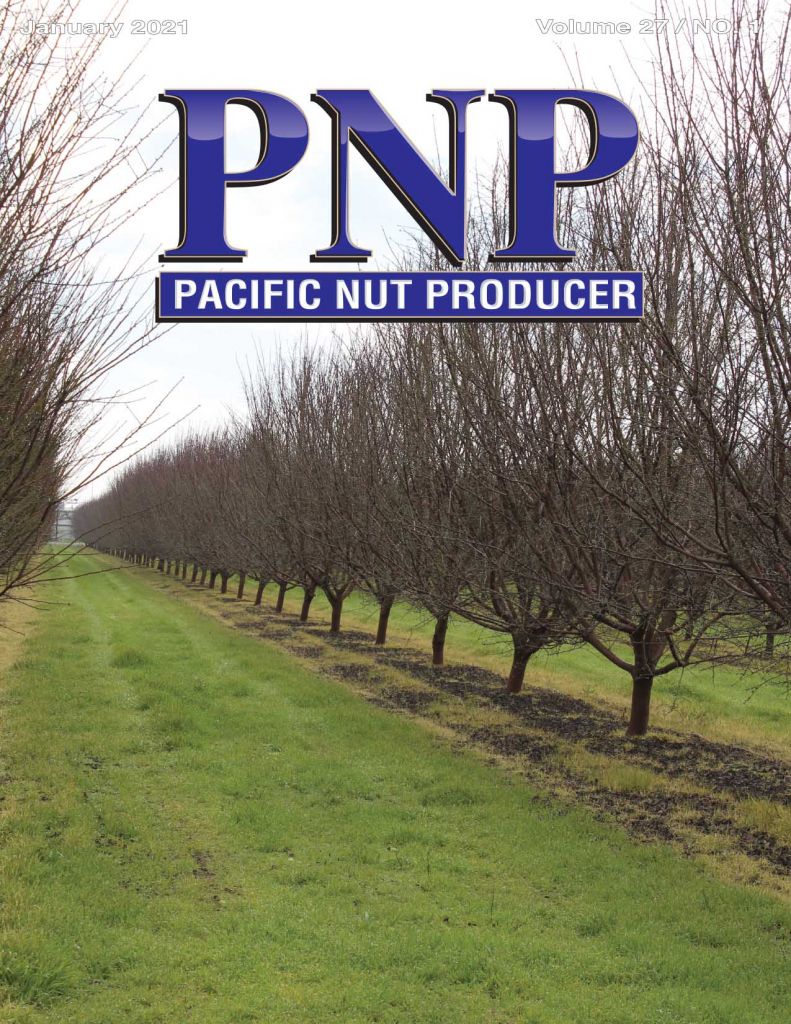
  • Pacific Nut Producer January Issue

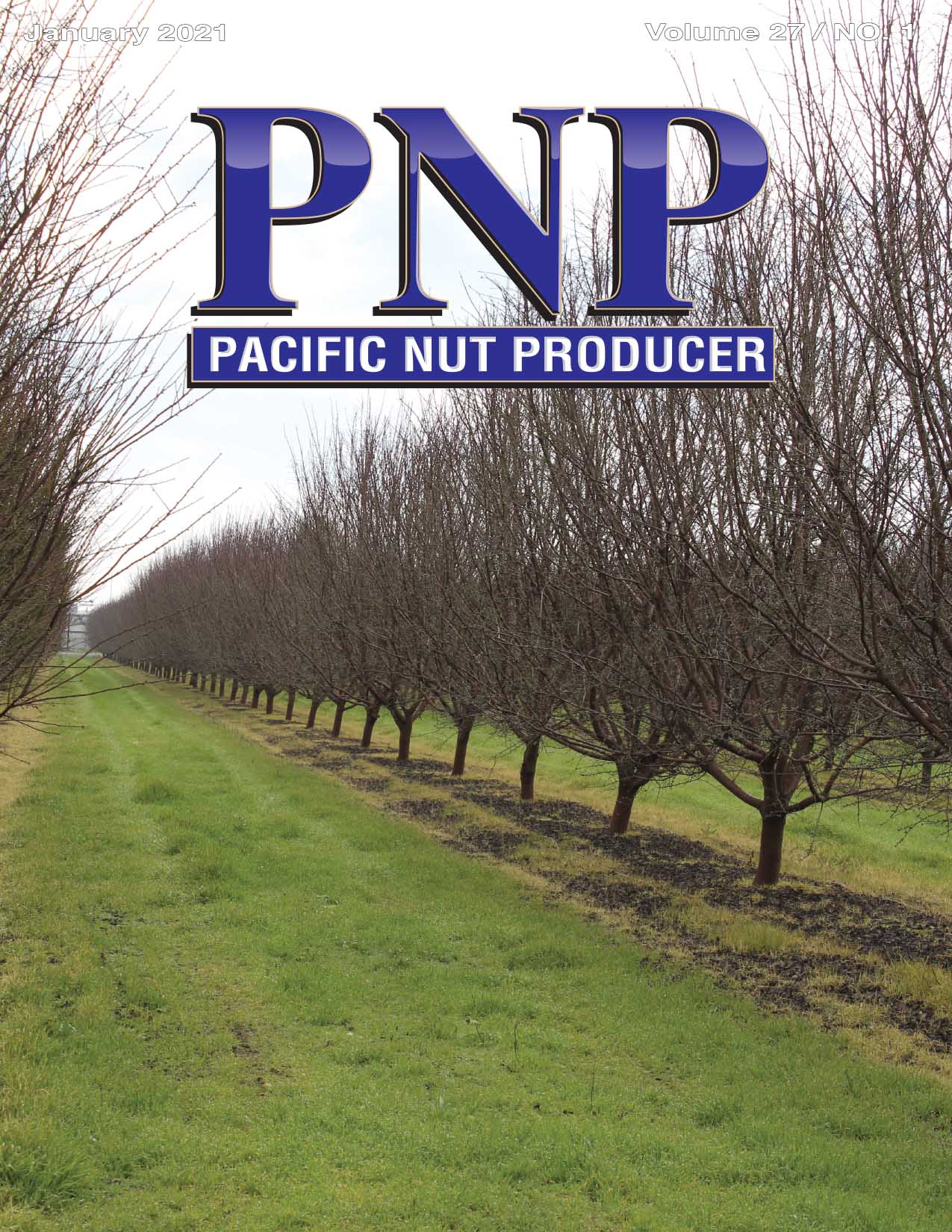
    Pacific Nut Producer January Issue

    Pacific Nut Producer January Issue
    Pacific Nut Producer January Issue

    [btn btnlink=”https://malcolmmedia.com/order-a-back-issue/back-issue-pacific-nut-producer-magazine/” btnsize=”full” txtcolor=”#ffffff” color=”#FFF” bgcolor=”#492500″ btnnewt=”1″ nofollow=”1″]Order A Back Issue[/btn]

    [btn btnlink=”http://malcolmmedia.com/pacific-nut-producer-magazine-subscriptions/” btnsize=”full” txtcolor=”#ffffff” bgcolor=”#492500″ btnnewt=”1″ nofollow=”1″]Subscribe Free[/btn]
    [three_fifth_last]

    Contents of the January Issue:

    Growers Stay In the Know at the Tree & Vine Expo
    Record Attendance in a Record Crop Year

    Continuing Ed at the Grape, Nut & Tree Fruit Expo
    Highlights Timely Orchard IPM Updates

    Virtual Almond Industry Conference
    Almond Board Outlines a Remarkable Year

    January Orchard Tasks
    Almonds, Hazelnuts, Pecans, Pistachios, Walnuts

    [/three_fifth_last]