
The specialty crop ag community was excited to gather recently in Salinas for the second edition of FIRA USA. The event featured the latest robotics and automation technologies on the market for fruit, vegetable and tree nut growers. Watch this special video presentation showcasing new technologies from several innovative companies featured at this event.
Category: Industry News
-
Application Deadline Approaching for On-Farm Water Recharge Incentive Funding

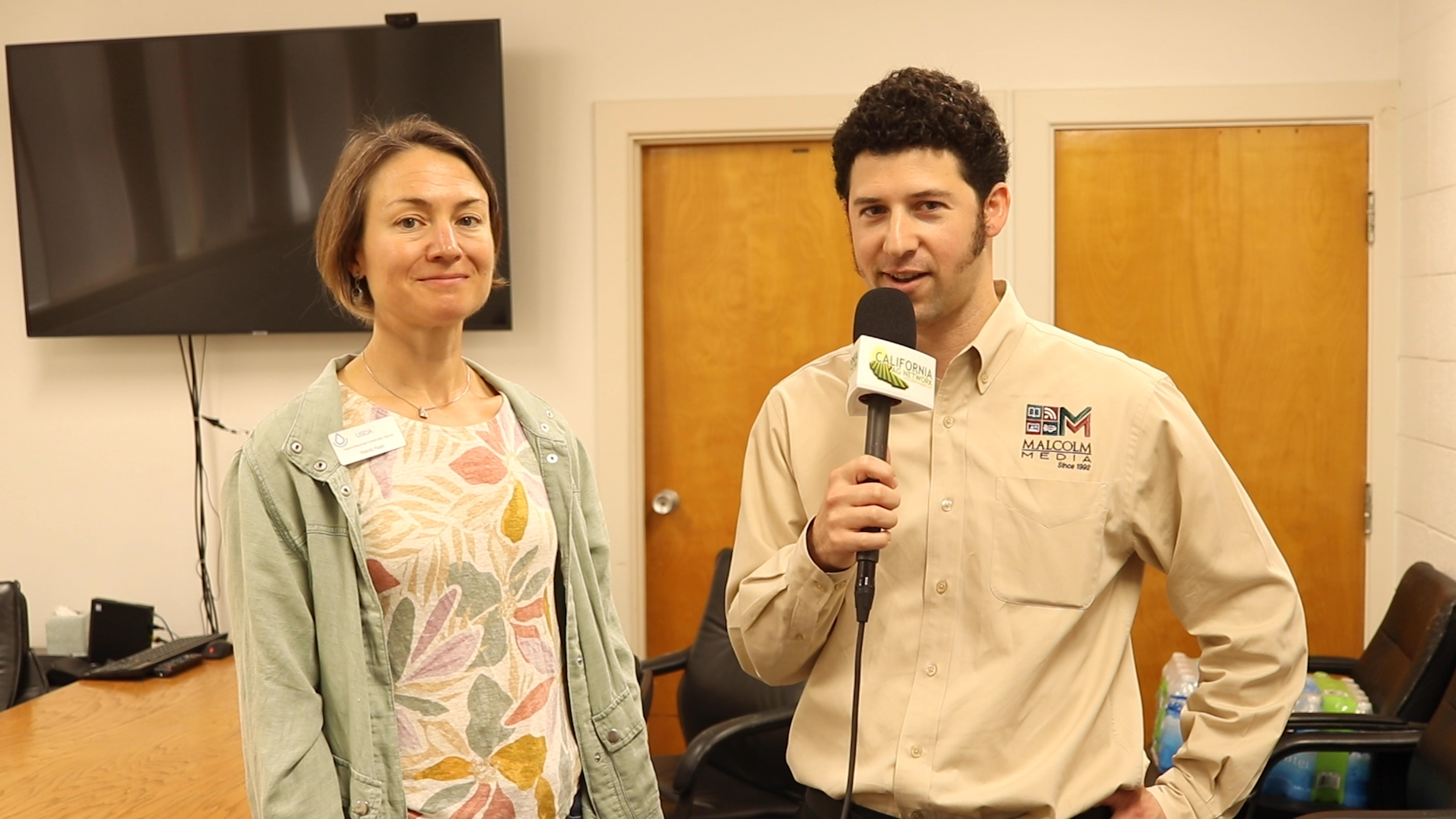
It’s very important for California farmers to know that not only will there be more funding available in the next round of the NRCS Environmental Quality Incentives Program (EQIP), but the application deadline is coming much earlier this year. And for growers that are interested in getting some incentive funding for participating in on-farm groundwater recharge, applications are due by Nov. 3rd. Watch this brief interview with Wendy Rash from NRCS to learn more.
Please thank this video’s sponsor afimilk for their industry support.
-
Peanut and Tree Nut Processors Association Celebrates National Nut Day
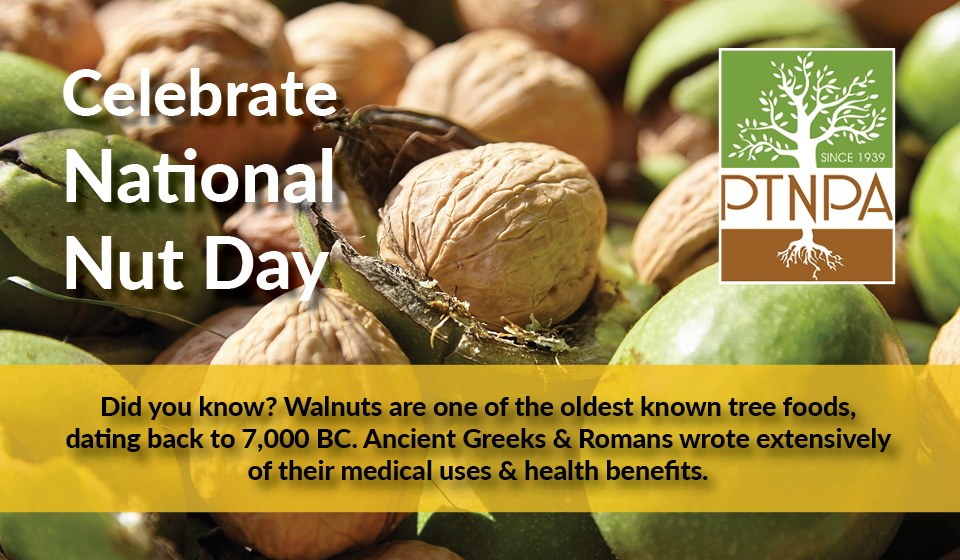
The Peanut and Tree Nut Processors Association (PTNPA), hosted a charity event showcasing the nut industry on Capitol Hill in recognition of National Nut Day, celebrated each year on October 22nd. The event, hosted on Thursday, October 19th, included networking and volunteerism among Members of Congress, Hill staffers, industry colleagues and PTNPA Members.
As “the voice of America’s nut industry,” the PTNPA included every commodity within the nut industry and demonstrated the efforts of its industry members which consistently provide safe, abundant and nutritious food to individuals and families across the world. More than 1,200 pounds of nut products were donated and delivered to the Capital Area Food Bank for immediate distribution to the community.
“We’re thrilled to celebrate our industry by highlighting and donating a wide range of innovative and traditional nut products benefitting the Capital Area Food Bank,” said Jeannie Shaughnessy, CEO, PTNPA. “National Nut Day is a great time to shine light on our industry that works tirelessly to safely produce, package and transport nutritious, healthy, shelf-stable nut products, even during tricky economic and geopolitical times. We have great pride in showcasing the complexities, creativity, dedication and fortitude of the nut industry.”
PTNPA organizations were quick to provide donations and included Algood Food Company; Blue Diamond Growers; Diamond Foods, LLC; Georgia Nut Company; Hammons Black Walnuts; Severn Peanut Co., Inc./ Hampton Farms; Hormel Foods/ Skippy’s, Hormel Foods/ Planters Nut & Chocolate Company; Pearl Crop/ Octonuts; Setton Pistachio of Terra Bella, Inc.; Truly Good Foods.
“It is an honor to advocate on behalf of the nut industry, comprised of generous nut industry leaders, who take time to serve others and provide amazing products to those in greatest need. To work with companies who are diverse, resilient and compliance-driven innovators – and who proactively manage unthinkable challenges while making significant investments in best practices and food safety – is very rewarding. That’s the spirit of the incredible nut industry.” said Jeannie Shaughnessy, CEO, PTNPA.
For more information, visit the Peanut and Tree Nut Processors Association online at www.ptnpa.org.
About the Peanut and Tree Nut Processors Association
The Peanut and Tree Nut Processors Association (PTNPA), established in 1939, is comprised of leading nut industry companies and representatives, ranging from international household brands to fourth generation family-owned businesses. The organization exists to advance the nut industry through professional networks, advocacy and education for and on behalf of its members.
-
Hazelnut Grower Modifies Weed/Sucker Spray Equipment to Save Money, Meet Needs

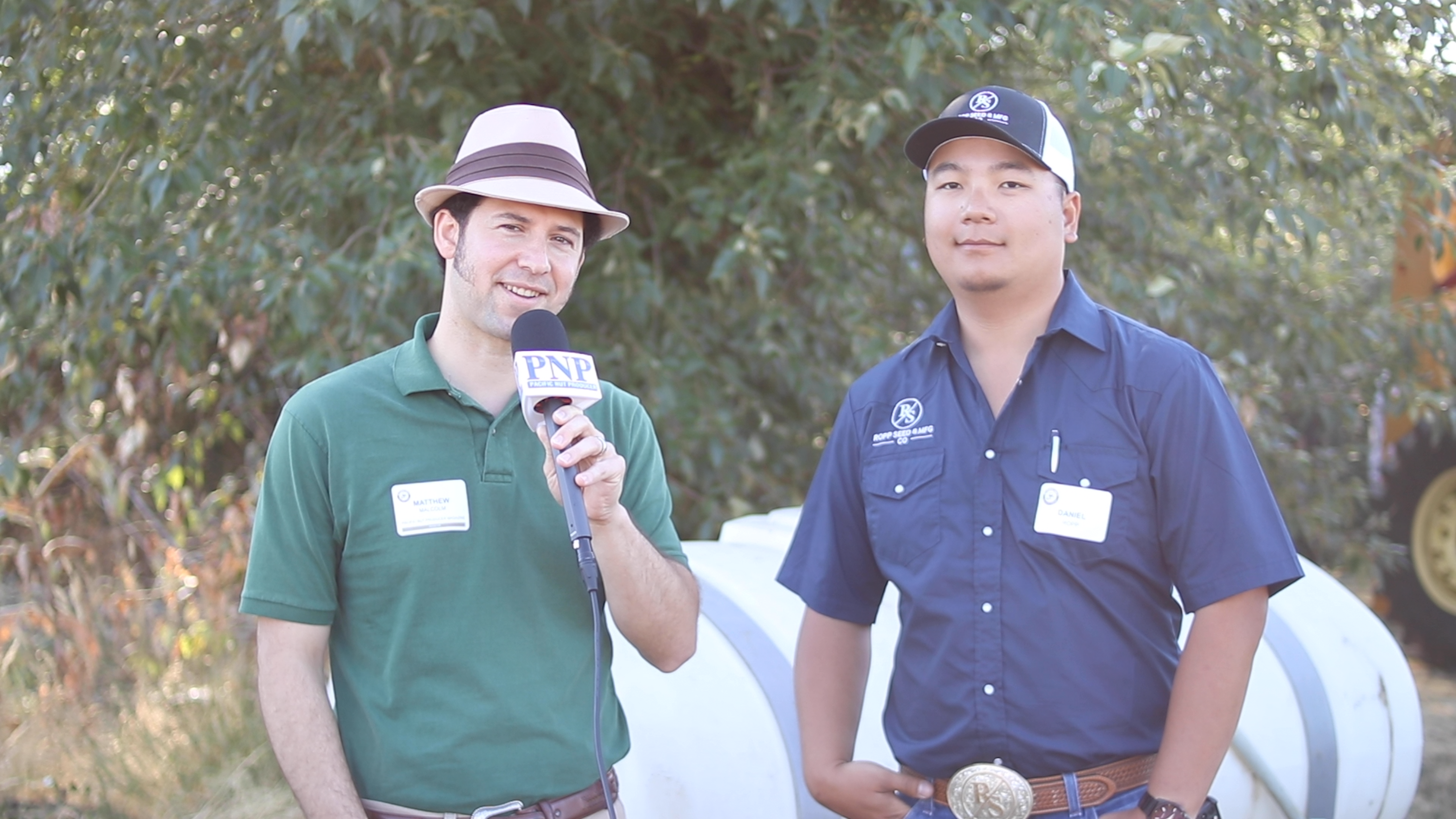
Watch this brief interview with Daniel Ropp, host of the Nut Growers Society’s hazelnut Summer Tour this year, as he shares what he and his family have done to modify some farm equipment in the shop to save money and build their own weed and sucker sprayer to better meet their needs. Read more about Oregon hazelnut growers in Pacific Nut Producer Magazine. Don’t currently receive the magazine? Subscribe for free at: https://malcolmmedia.com/subscribe/
Please thank this video’s sponsor George Packing Company for their industry support.
-
Organic Center Awarded Nearly $900,000 in Research Grants, Including Study of Orchard Grazing Benefits
The Organic Center is thrilled to announce it is the recipient of almost $900,000 in federal funds through the U.S. Department of Agriculture’s Organic Agriculture Research and Extension Initiative (OREI) research program. The funds will enable The Organic Center to collaborate in four new important OREI research grant projects.
The projects announced by USDA will address a host of vital and diverse challenges facing today’s organic agriculture, including how to ensure food safety in organic production systems; the exploration of organic farming methods that increase resilience to climate change and also help fight pests; the benefits and challenges of livestock grazing in orchards; and ways to expand organic cotton production in the United States.
USDA awarded a total of more than $50 million in grants for 24 OREI projects and for 8 Organic Transitions Program (ORG) projects. ORG helps existing and transitioning organic livestock and crop producers adopt organic practices.
The OREI awards totaled a little over $43 million in funding. OREI helps support wide-ranging research projects that specifically address the most critical issues impacting organic growers. The 2018 Farm Bill approved increasing funding for OREI to $50 million per year by 2023, thus establishing permanent funding for the program.
“Our mission is to strengthen and advance organic farming through science-based research, and this unprecedented level of funding from USDA will do much to help us achieve our goal,” said Dr. Amber Sciligo, Director of Science Programs for The Organic Center (TOC). “We are extremely honored to be partnering with esteemed research institutions, universities, and non-profits in these projects, and to support the growth, expansion and continued improvement of organic.”
What the projects are
Developing Risk-assessment, Educational, and Communication Tools to Lower Food Safety Barriers for Organic Specialty Crop Growers.
Food safety is of paramount importance for every organic grower, but organic producers face unique challenges in trying to meet both National Organic Program standards and multiple food safety requirements. The Center’s biggest single award of almost $635,000 is for collaboration in a project led by the University of Rhode Island to equip organic growers and industry stakeholders – organic technical assistance/trainers/certifiers and food safety auditors/inspectors – with science-based tools and training to enable them to comply simultaneously with organic agriculture rules and food safety requirements. A key function of The Organic Center will be to host 10 regional, in-person workshops with farmers, organic inspectors and certifiers and food safety auditors and inspectors to help the organic experts understand the biggest food safety rules challenges and to educate the food safety specialists on organic practices, particularly those that may conflict with food safety rules.
Expanding Resilient Climate and Pest Protection Systems for Diversified Organic Specialty Crop Producers.
Dealing with insect pests, weeds and severe weather are challenges for every farmer, and even more so for organic producers who do not use chemical pesticides, herbicides and synthetic fertilizers. Organic vegetable growers are especially susceptible to invasive insects and weeds and the vagaries of today’s climate. The Organic Center has been awarded $101,000 to work with the University of Kentucky and the non-profit organization Organic Voices to help advance the awareness and most effective use of mesotunnel protection systems – fine-mesh netting barriers secured over specialty crops – that have been proven to provide a dual purpose protection system for organic vegetable producers, including small-scale farmers, homesteaders, and gardeners.
Influence of Orchard Grazing on Soil Health and Pest Control While Mitigating Food Safety Risk.
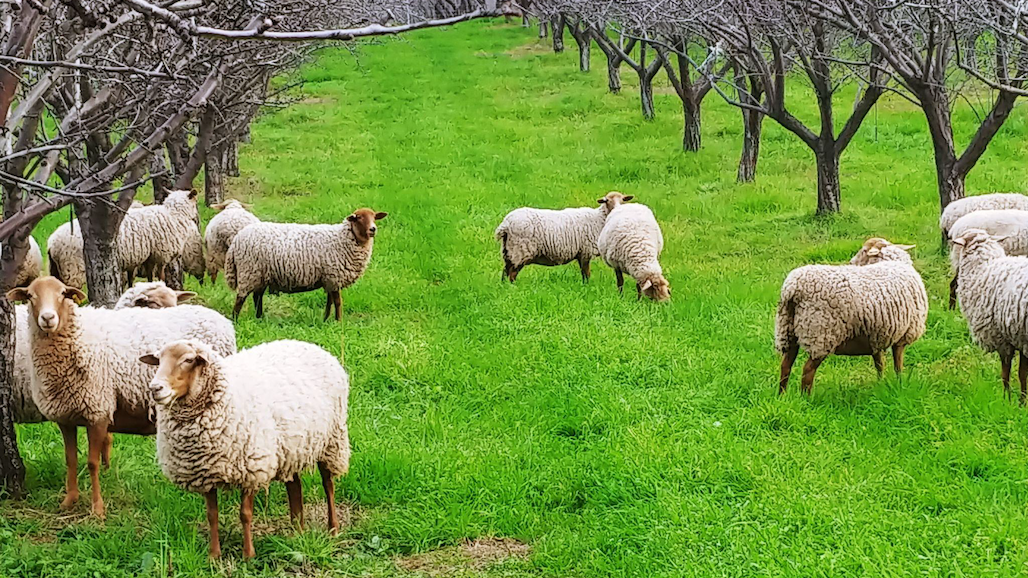
The benefits of grazing sheep or other livestock to help convert cover crops to manure are becoming more well known, and interest in grazing livestock on cover crops in nut orchards has shown a steady increase in recent years. However, there are concerns about food-borne pathogens and food safety with this practice. The Organic Center, with a $75,000 award, will collaborate with the University of California at Davis to help design and coordinate an integrated research-extension approach to assess the benefits of livestock grazing on cover crops on bacterial populations, soil health, pest control and economic outcomes, with the goal to enhance the value of cover crops while limiting food safety risks in organic orchards in two distinct nut orchard regions in California.
Expanding Organic Cotton Production in the US Cotton Belt Through Research and Outreach on Organic, Regenerative Practices.
The organic cotton sector in the U.S. is currently a $2 billion industry and is poised for rapid growth, fueled by consumer demands and growing interest among leading textile industry players to include organic cotton in their product portfolios. But organic cotton acreage in the United States remains small, and the need to increase domestic cotton production is critical. The Organic Center has been awarded almost $60,000 to work with Texas A&M University to help implement a coordinated research, extension and education program to promote and expand organic cotton production in the U.S. Cotton Belt.
“The OREI program provides the most important pool of funds to advance our work at The Organic Center,” said The Organic Center’s Sciligo. “While this pot of funding has seen tremendous growth through the implementation of the last farm bill, future bills need to continue to increase the funding dedicated to organic research. We have come a long way in the past few decades, but with the increased demand for organic in the marketplace and the initiation of several USDA programs aimed at significantly increasing organic transition, the need for current organic research is unprecedented.”
About The Organic Center
The Organic Center’s mission is to convene credible, evidence-based science on the health and environmental impacts of organic food and farming and to communicate the findings to the public. The Center is an independent non-profit 501(c)(3) research and education organization operating under the administrative auspices of the Organic Trade Association.
-

Minimize Potential Sudden Autumn Freeze Damage in Walnut
Damage from a sudden autumn freeze can occur when trees experience freezing temperatures prior to going into dormancy. With sudden autumn freeze damage occurring in three of the last five years, preparing for these freeze events needs to be a regular part of every walnut grower’s summer and fall orchard operations. The best approach to escape damage from a fall freeze is to have frost alarms ready and turned on by October 15, completely rehydrate trees after harvest, and actively irrigate during frost events.

Left: Withhold irrigation until a terminal vegetative bud sets on the trunk. Right: After a severe freeze event cut into the southwest-facing trunk, looking for dark brown discoloration of the cambium. (Photos: Janine Hasey) Steps to prepare:
-
- Tender new growth is most vulnerable to freeze damage: prevent trees from pushing late-season growth by cutting off N applications by mid-August (young trees) or early September (mature trees).
- For young trees, withhold irrigation starting in early to mid-September, waiting to resume irrigation until after a terminal bud (left photo) is set on the trunk. After the terminal bud has set, resume irrigation to avoid tree stress and defoliation. For bearing trees, terminal buds usually set as a side effect of the water cutoff done ahead of harvest.
- Keep groundcovers cut to 2 inches or less starting in mid-October. This allows sunlight to reach the soil surface, storing heat for a warmer orchard through the night.
- Rehydrate trees immediately after harvest, and actively monitor soil moisture and freeze predictions (usually from mid-October through December) until trees are acclimated to frost (see note below). Trees with adequate soil moisture are better able to withstand low temperatures without damage than trees in dry soil. This is because water-filled spaces in the soil conduct and store more heat than empty airspaces. If a freeze is predicted and the soil is dry, it should ideally be wetted 2 to 3 days before a freeze event. Light irrigation to moisten a dry soil surface the morning before a frost will help obtain the greatest heat storage for re-radiation at night (if there is no ponding going into the freeze event).
- Some growers with the ability to actively irrigate during sudden autumn freeze events have reported great success in preventing damage. We know from work in almonds that active frost protection can achieve as much as 4 degrees of warming with solid set, 1-2 degrees with micro-sprinkler, and maybe even some benefit running a drip system.
When do you no longer have to worry about preparing for the next freeze?
Fully dormant mature healthy trees can tolerate temperatures to the low 20’s (°F) or below. We believe walnuts acclimate by having the first mild frost events in autumn with lows near or just below 32° F. However, we do not know how many mild freezes are required to acclimate trees in autumn. If the soil is dry ahead of the third, fourth, and maybe additional freeze events – it’s better to irrigate and be safe if you can do so. In addition, consider keeping up your freeze response program longer into fall or early winter for younger orchards with lots of current season’s growth.
If you suspect freeze damage occurred, cut into the branches shortly after the freeze event and check the tissue for drying or browning (right photo). Sunburn after freeze can further damage tissue on the southwest side of the tree. Paint the southwest side of damaged trees with 50% diluted (1:1 water to paint) white interior latex paint. Painting up to a week after the freeze event can reduce additional damage by half or more. You can learn more about freeze recovery in our article 2020 Walnut Freeze: Road to Recovery.
— By Luke Milliron, UCCE Farm Advisor Butte, Glenn, and Tehama Counties; Jaime Ott, Orchard Systems Advisor, Tehama, Shasta, Glenn, and Butte Counties; Janine Hasey, UCCE Farm Advisor Emerita; and Joe Connell, UCCE Farm Advisor Emeritus
-
-
Managing Salty Soils and Water
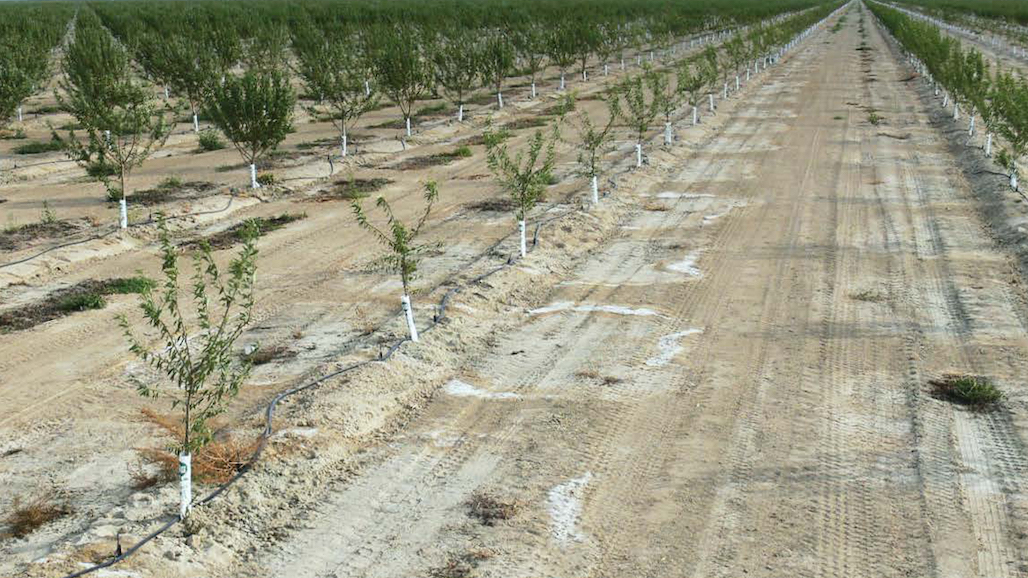
Almond Board of California — Salinity poses a significant challenge to almond growers in certain areas and can greatly impact the performance of an orchard over time, costing producers in lost income. According to Mae Culumber, nut crop advisor from the University of California Cooperative Extension, almond trees are salt-sensitive and understanding soil salt levels and water sources become crucial even before planting an orchard.

Mae Culumber, UCCE Fresno County Nut Crops Advisor There are two types of salt stress that impact almond trees — osmotic stress and specific iron toxicity. “It’s important to know the type of problem that you’re dealing with, particularly when you have a change in water source, to know what the composition of salts is,” Culumber said.
Osmotic stress arises from salt accumulation, hampering water and nutrient uptake, leading to reduced vigor and early yield loss. If salt accumulates over time, specific iron toxicity becomes evident, causing the tree to absorb salts and accumulate in the roots, resulting in necrotic leaves. This damages the tree’s ability to photosynthesize and nourish developing kernels.
Culumber said maintaining a balance between salinity and amendments is essential and regular soil sampling helps decide between water or soil applied amendments. “Annual sampling is recommended for the soil, and we want to sample at both depth and the top zero to three inches,” Culumber said. “That will help us decide whether or not we’re going to use water applied or soil applied amendments.”
A newly introduced management guide provides insight into different salt types, their impacts on almonds and sources of stress. The Salinity Management Guide for Almonds, written by Culumber and co-produced by the Almond Board of California and UC ANR, simplifies complex calculations, and helps growers develop customized strategies based on their soil and water analyses.
“The guide tries to break it down into individual steps and tell you exactly what measurements that you need from those soil and water analysis to make those calculations. We tried to make a complicated subject of calculating these amendments into something that everyone can do based on looking at that information.”
This comprehensive guide offers a solution-driven approach to tackling salinity issues, empowering almond growers to make informed decisions and implement effective strategies for successful yields. The resource is available in a physical copy that can be ordered through ABC’s Grower Resources order form, and as a downloadable PDF on Almonds.com.
-
Introducing a Butte County UC Walnut Variety Trial
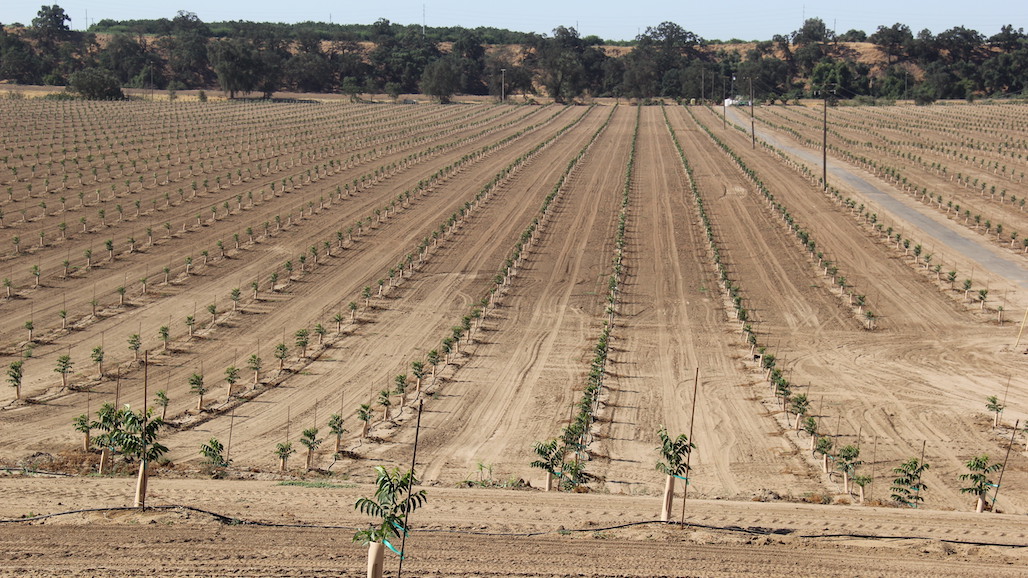
A ten-acre Butte County Walnut Variety Trial was planted at the Chico State Farm in May of this year. A collaboration between Chico State, UC Davis Walnut Improvement Program, and UC Cooperative Extension, this variety trial aims to identify new varieties that will perform exceptionally well in this region. The orchard is being managed using conventional practices that are currently industry standard for Chandler production. Eighteen new selections developed by the UC Walnut Improvement Program are planted in the replicated trial, along with Solano, Wolfskill, Howard, and Chandler. All trees are planted on RX1 rootstock on a 26’ X 26’ spacing with micro-sprinklers. The selections were chosen for qualities including kernel color and size, yield, blight ratings and late flowering dates in preliminary greenhouse and small plot field trials. Early bearing, long-term yield and nut quality, resistance to and avoidance of walnut blight, as well as heat tolerance will be monitored over the next several years.
Generous support from the Walnut Board of California, Sierra Gold Nurseries, Crain Ranch, M&T Chico Ranch, and the staff and management at the CSUC University Farm made this project possible. Additionally, the variety trial was recently awarded funding by the CSU Agricultural Research Institute, which will support ongoing field operations, student involvement and training on the farm, and data collection and testing in the field. We will provide periodic updates on the progress of the variety trial and host field meetings in the years to come, but if you’d like to learn more please contact Clarissa Reyes, Orchards Farm Advisor based in Yuba/Sutter Counties at: clareyes@ucanr.edu or Becky Wheeler-Dykes, Orchard Systems and Weed Ecology Farm Advisor based in Glenn County at bawheeler@ucanr.edu. — By Becky Wheeler-Dykes, Orchard Systems and Weed Ecology Farm Advisor, Glenn, Colusa, and
Tehama Counties -

Snacking Matriarch Promotes Almonds in Germany
Almond Board of California — The Almond Board of California launched a new marketing campaign in the German market this August. Germany is the largest economy in Europe and has an almond-per-capita consumption that is tied with the U.S. at 2.27 lbs. The campaign – The Mother of All Snacks – repositions almonds from a baking ingredient to a snack, providing a daily dose of natural goodness for health and wellness-conscious Germans.
There is strong momentum in the German market, which constitutes 25 percent of Europe’s gross domestic market (GDP) and is home to 19 percent of the total European Union (EU) population. Almond shipments to the country totaled over 10 million pounds in 2017 and 2018, prior to the COVID pandemic. Germany shipment numbers have rebounded post-COVID and eclipsed the 14 million pound number in 2023.
While recent global developments such as the pandemic, the war in the Ukraine and economic challenges have caused uncertainties across Europe, the German market is known for stability as well as resilience and there is still much opportunity for growth in almond consumption.
Less oven, more handfuls
The new campaign builds on insight that Germans are looking for a healthy and natural snack in a market where power bars, protein products and supplements are booming. Almonds are often overlooked, seen primarily as a baking ingredient. The new campaign aims to change this perception and capitalize on the fact that almonds are among the longest-cultivated plants in the world. From health benefits to portion size, they naturally have the attributes that are valued by German consumers.
About the campaign
This campaign is set in Mother Nature’s paradise and shows how even Mother Nature’s day can go off the rails. And when it does, she turns to the natural power of almonds to refocus, reset and take back her day. The tone is modern, bright and humorous, and highlights the natural, energizing attributes of almonds.
The campaign is targeted towards women who believe food should be exciting, convenient and healthy. German consumers also really care about the earth as well as sustainability and the more they learn about how almonds are grown, the better they feel about eating them.
The Mother of All Snacks campaign launched August 21 across TV, social and digital media. Also, the Bring! mobile shopping app will connect almonds directly to users with digital shopping lists via their mobile devices. The campaign will be accompanied by various public relations activities such as media outreach and partnerships as well as working with a variety of social media influencers. All media will link to an online webpage which will act as a source of information on the campaign, almond health & nutrition and sustainability efforts by the Almond Board and highlight dedicated partnerships and influencers.
-
Snacking on Almonds can Support Weight Management
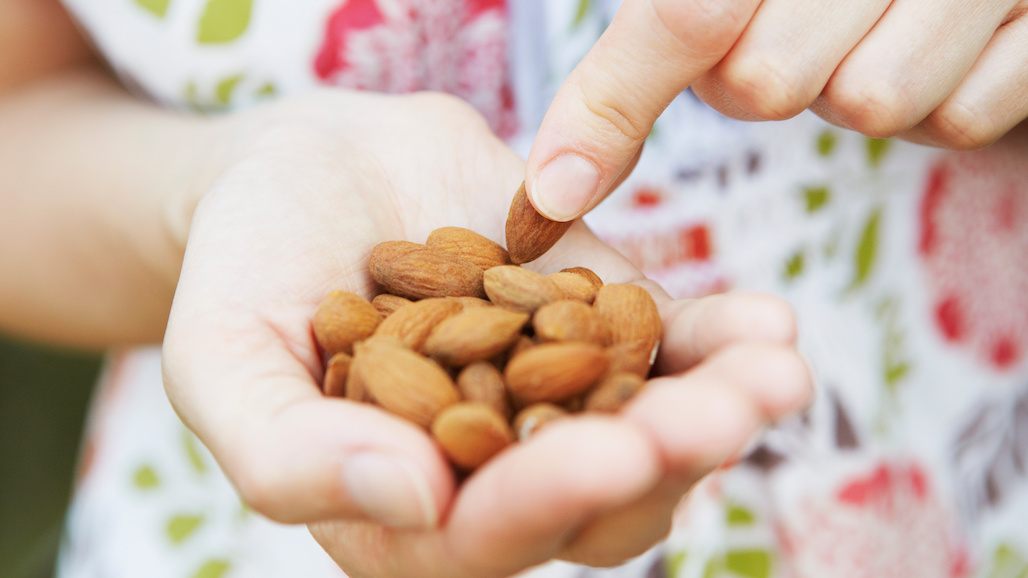
Almond Board of California — Two new studies build on the large body of scientific evidence suggesting that almonds can improve diet quality and aid in weight management. They may also support weight loss as part of a reduced-calorie diet among adults with overweight or obesity.
The first study, published in Obesity and funded by the Almond Board of California, tracked 140 Australians aged 25-65 years with overweight or obesity for nine months. For the first three months of the study, the participants reduced their daily calories by 30% through either a nut-free or almond-enriched diet (with almonds providing 15% of their daily calorie needs, which is approximately 1.0-1.76 ounces/30-50 g). On both diets, participants lost an average of 15 pounds (7 kg) and improved their lean body mass after three months. Moreover, they continued to lose weight, about 2 pounds (approximately 1 kg), during the subsequent six months.
“Sustaining weight loss after a weight management program can be challenging, with many people gaining weight back at the end of the calorie restriction phase of their program,” said Dr. Alison Coates, Professor of Human Nutrition and Director of the Alliance for Research in Exercise, Nutrition, and Activity at the University of South Australia. “This study showed that adding almonds to a weight management eating plan can not only promote meaningful weight loss but also offer a healthy and sustainable dietary addition.”
Participants who ate almonds also saw improvements in some lipoprotein subfractions (the different types of lipoproteins that carry cholesterol and triglycerides in the blood), which may reduce cardiovascular risks. Scientific evidence suggests but does not prove that eating 1.5 ounces per day of most nuts, as part of a diet low in saturated fat and cholesterol, may reduce the risk of heart disease. Future research should investigate different doses of almonds and test people with additional heart disease and diabetes risk factors, as the results are not generalizable to populations with chronic diseases.
The second study was a 12-month study, published in the American Journal of Clinical Nutrition and also funded by the Almond Board of California, which found that almonds, when eaten long term as a snack, can improve overall diet quality without causing weight gain among healthy non-obese, habitual snacking adults in New Zealand. Half of the 136 participants were assigned to eat either 1.5 ounces (43 g) of almonds or 10% of their daily calorie needs (whichever was greater) while the remaining participants in the control group consumed a calorie-matched high-carbohydrate snack. Participants in the almond group consumed significantly more protein, polyunsaturated and monounsaturated fats, fiber, vitamin E, calcium, copper, magnesium, phosphorous, and zinc, and less carbohydrates and sugar than the control group.
There were no statistically significant weight changes or changes in lipids during the study in either group, suggesting almonds did not cause weight gain. Women in the almond group did not have a statistically significant change in visceral fat, but men had a statistically significant increase in visceral fat compared to the biscuit group. This finding has not been observed in previous studies, but it is important to note that this intervention was conducted during the COVID-19 lockdown, which may have affected eating habits and exercise levels. The participants were people at a normal weight or overweight so results may not be generalizable to other populations such as those with obesity.
Together, these studies add to a growing body of scientific evidence suggesting that almonds, when eaten as part of a healthy diet, do not cause weight gain, can be included in reduced-calorie weight loss diets, and may improve overall diet quality and lower heart disease risk.
One ounce (28 g) of almonds provides 4 g fiber and 15 essential nutrients, including: 77 mg magnesium (18.3% DV), 210 mg potassium (4% DV), and 7.27 mg vitamin E (50% DV), making them a great snack for balanced weight management eating plans. One serving of almonds (28 g) has 13 g of unsaturated fat and only 1 g of saturated fat.
Study Findings At-a-Glance
Study 1: Almonds vs. Carbohydrate Snacks in an Energy-Restricted Diet: Weight and Cardiometabolic Outcomes from a Randomized Trial
- In this largest study to date of almonds and weight management, participants following an almond-enriched diet consumed 15% of their daily calorie needs from 1.0 to 1.76 ounces (30-50 g) of whole, unsalted almonds, while the nut-free control group consumed 15% of their calories from carbohydrate-rich snacks. Both groups reduced their overall energy intake by 30% for three months followed by a six-month weight maintenance phase.
- Both groups experienced weight loss during the intervention phase as well as improvements in blood pressure, total cholesterol, harmful LDL-cholesterol, triglycerides and beneficial HDL-cholesterol.
- The almond group saw greater improvements in lipoprotein subfractions (the different types of lipoproteins that carry cholesterol and triglycerides in the blood), which may reduce cardiovascular risks.
- Limitations: Future research should investigate different doses of almonds and test people with additional heart disease and diabetes risk factors as the results are not generalizable to populations with chronic diseases.
Study 2: Comparing the Effects of Consuming Almonds or Biscuits on Body Weight in Habitual Snackers: A 1-Year Randomized Controlled Trial
- In this study, 136 normal weight or overweight snackers added either 1.5 ounces (43 g) of almonds (about 10% of their daily calorie needs) or an equivalent amount of biscuits to their diet.
- Researchers measured baseline body weight, body composition, fasting blood samples and resting metabolic rate. Participants completed a 3-day weighed food record and a sleep questionnaire. Participants were encouraged to consume their study snacks as their first snack of the day. Measures were repeated at 3, 6 and 12 months.
- For the almond group, absolute intakes of protein, total fat, polyunsaturated and monounsaturated fats, fiber, vitamin E, calcium, copper, magnesium, phosphorous, and zinc increased. The almond group had significantly lower energy intake from carbohydrates and sugar compared to the biscuit control group.
- There were no statistically significant weight changes or changes in lipids during the study in either group.Women in the almond group did not have a statistically significant change in visceral fat, but men had a statistically significant increase in visceral fat compared to the biscuit group.
- Limitations: The study was conducted during the COVID-19 lockdown which may have affected eating habits and exercise levels. The participants were people at a normal weight or overweight so results may not be generalizable to other populations such as those with obesity