Category: Almonds

  • USDA Announces $75M Section 32 Solicitation for Almonds

    USDA Announces $75M Section 32 Solicitation for Almonds

    The U.S. Department of Agriculture (USDA) today announced plans to purchase Almonds for distribution to various food nutrition assistance programs. Purchases will be made under the authority of Section 32 of the Act of August 24, 1935, with the purpose to encourage the continued domestic consumption of these products by diverting them from the normal channels of trade and commerce.

    A Solicitation will be issued in the near future and will be available electronically through the Web-Based Supply Chain Management (WBSCM) system. A hard copy of the solicitation will not be available. Public WBSCM information is available without an account on the WBSCM Public Procurement Page. All future information regarding this acquisition, including solicitation amendments and award notices, will be published through WBSCM, and on the Agricultural Marketing Service’s website at www.ams.usda.gov/selling-food. Interested parties shall be responsible for ensuring that they have the most up-to-date information about this acquisition. The contract type is anticipated to be firm-fixed price. Deliveries are expected to be to various locations in the United States on an FOB destination basis.

    Pursuant to Agricultural Acquisition Regulation 470.103(b), commodities and the products of agricultural commodities acquired under this contract must be a product of the United States and, shall be considered to be such a product if it is grown, processed, and otherwise prepared for sale or distribution exclusively in the United States. Packaging and container components under this acquisition will be the only portion subject to the World Trade Organization Government Procurement Agreement and Free Trade Agreements, as addressed by FAR clause 52.225-5.

    Offerors are urged to review all documents as they pertain to this program, including the latest—

    These documents are available on the AMS Commodity Procurement website.

    To be eligible to submit offers, potential contractors must meet the AMS vendor qualification requirements. The AMS point of contact for new vendors can be reached by phone at (202) 720-4237 or by email to NewVendor@usda.gov. Details of these requirements are available online at: https://www.ams.usda.gov/selling-food/becoming-approved. Once qualification requirements have been met, access to WBSCM will be provided. Bids, modifications, withdrawals of bids, and price adjustments shall be submitted using this system. Submission of the above by any means other than WBSCM will be determined nonresponsive.

    To receive e-mail notification of the issuance of AMS solicitations, contract awards, and other information, subscribe online by visiting: “Stay up to date on USDA Food Purchases” available on the AMS Commodity Procurement website.

    Inquiries may be directed to the Contracting Specialist, Samantha Klagenberg via email at samantha.klagenberg@usda.gov

    To participate in this opportunity and for more information about becoming a registered vendor with USDA, visit THIS GUIDE from Almond Board of California.

    “We’d like to thank USDA for accepting the Almond Alliance’s request for this program, and for the departments continued support and partnership in solutions  our almond farmers, industry, and communities.” — Almond Alliance of California

  • USDA Forecasts Lowest CA Almond Crop Per Acre Since 2005

    USDA Forecasts Lowest CA Almond Crop Per Acre Since 2005

    The 2023 California Almond Subjective Forecast published Friday by the U. S. Department of Agriculture’s National Agricultural Statistics Service (USDA-NASS) estimates that the crop harvested in 2023 will come in at 2.50 billion pounds, 3 percent below last year’s 2.57 billion pounds.

    Richard Waycott, President & CEO, Almond Board of California

    Forecasted yield is 1,810 pounds per acre, down 90 pounds from 2022 and the lowest since 2005. “A lower crop estimate was not unexpected considering all that growers dealt with last year and during this year’s bloom,” said Richard Waycott, president and CEO of the Almond Board of California (ABC). “The cold, wet weather kept bees in their hives and reduced the hours they could pollinate orchards. In the past three years, growers have faced high costs, shipping issues, drought and more. But the water picture is better, at least for this year, shipping continues at record levels and global demand continues to grow. California’s almond farmers are prepared to meet that global demand.”

    The report said: “Record rainfall and unprecedented stormy conditions impacted pollination. Limited bee flight hours were reported in all growing regions. There were reports of downed trees due to high winds and oversaturated soil. Yields are expected to be the lowest in years, with variation observed across varieties and orchard locations. Colder than normal temperatures continued through March and April, resulting in a delayed crop.”

    The Subjective Forecast is the first of two production reports from USDA-NASS for the coming crop year. It is an estimate based on opinions from a survey conducted from April 19 to May 6 of 500 randomly selected California almond growers. The sample of growers, which changes every year, is spread across regions and different sized operations, and they had the option to report their data by mail, online or phone.

    On July 7, USDA-NASS will release its second production estimate, the 2023 California Almond Objective Report, which is based on actual almond counts in nearly 1,000 orchards using a more statistically rigorous methodology to determine yield.

    This Subjective Forecast comes two weeks after USDA-NASS released the 2022 California Almond Acreage Report which found total almond acreage had dropped in 2022 to 1.63 million, 1.2 percent down from 1.65 million in 2021. It also estimated 1.38 million bearing acres in 2023, up from 2022’s estimate of 1.35 million bearing acres.

    USDA-NASS conducts the annual Subjective Forecast, Objective Report and Acreage Report to provide the California almond industry with the data needed to make informed business decisions. These reports are the official industry crop estimates.

  • Almond Board of CA 2023 Elections Have Begun

    Almond Board of CA 2023 Elections Have Begun

    Voting began Friday, April 21, to select one independent grower position and two independent handler positions on the Almond Board of California (ABC) Board of Directors. Alternate seats for those spots are also open as well as a second grower alternate seat that was not filled in 2022. Voting ends May 25.

    Candidates for the independent grower positions:

    Grower Position #1, Member (1-year term):
    Mallvinder Singh Kahal, Madera, (petitioner)
    Paul Ewing, Los Banos (incumbent)

    Grower Position #1, Alternate:
    Katie Staack, Hughson (incumbent)

    Grower Position #2 Alternate (3-year term**):
    Brad Klump, Escalon, (petitioner)
    Jaime Silva Esteves, Denair (petitioner)
    **2 years remaining on term.

    Candidates for the independent handler positions:

    Handler Position #1, Member (3-year term):
    Alexi Rodriguez, Caruthers (incumbent)

    Handler Position #3, Member (1-year term):
    Darren Rigg, Le Grand (incumbent)

    Handler Position #1, Alternate:
    Ron Fisher, Modesto (incumbent)

    Handler Position #3, Alternate:
    Chad DeRose, McFarland (incumbent)

    “Every vote is important, and it’s equally important to have as much of the industry as possible represented in the voting,” said ABC President and CEO Richard Waycott. “The Board of Directors represents more than 7,600 growers and 100 handlers and guides the work of the Almond Board to help the industry succeed in these continuing complicated times.”

    Learn more about the candidates here.

    The ABC board, made up of five handler and five grower representatives, sets policy and recommends budgets in major areas, including marketing, production research, public relations and advertising, nutrition research, statistical reporting, quality control and food safety.

    Results will be announced June 1 and the new board will start its term Aug. 1.

  • Blue Diamond Growers’ Former CEO Awarded California Cultivator Award

    Blue Diamond Growers’ Former CEO Awarded California Cultivator Award

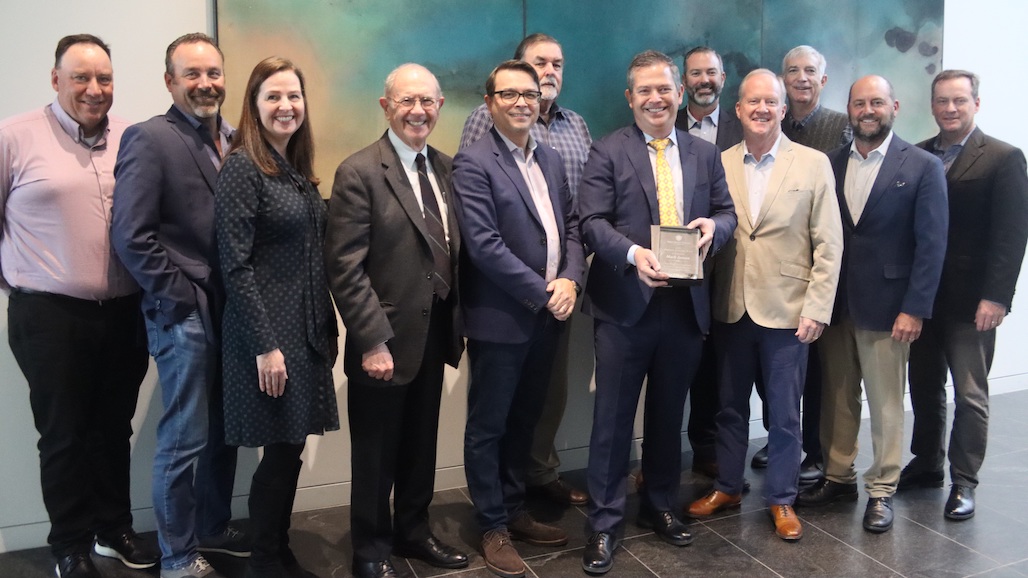
    The Ag Council of California recently celebrated Mark Jansen as the 2023 California Cultivator Award recipient on March 30, 2023, during the association’s 104th Annual Meeting in Monterey.

    Mark Jansen served as president and chief executive officer of Blue Diamond Growers for 12 years and is CEO emeritus. Mark led Blue Diamond in transforming the cooperative into an industry-leading global branded food manufacturer and marketer with his leadership focus on innovation, safety, quality, and strategic growth. With a vision on long-term growth, Mark introduced the capabilities and fostered partnerships around the globe to build the Almond Breeze® portfolio, which is now the world’s leading almondmilk brand.

    Over his tenure, Mark grew revenue by 9.4 percent CAGR and improved profit returns to the co-op’s almond grower-owners by 2,000 percent. In 2021, Mark was honored as one of the Sacramento region’s most admired CEOs.

    Blue Diamond’s Board of Directors Chair Dan Cummings said, “Mark has earned the respect and admiration of our grower-owners with his personable style and engagement in the industry.” Dan added, “His contributions have poised us for future growth and success.”

    Among his accomplishments, Mark served as chair of the California Chamber of Commerce Board of Directors, as well as chair of the organization’s International Forum and chair of its Audit Committee. His service also includes: the Board of Trustees for the International Nut and Dried Fruit Council, chair of the Graduate Institute of Cooperative Leadership, and previous vice chair of the Almond Board of California.

    “I have great respect and admiration for Mark as a leader who is passionate about the cooperative values,” California Department of Food & Agriculture Secretary Karen Ross said. “These values are the guiding principles of a successful business, and with Mark’s leadership, Blue Diamond has served its grower members with added value and integrity to be a respected global leader.”

    Ag Council President Emily Rooney said, “We are pleased to honor Mark with this special award. Mark’s leadership and commitment to the betterment of Blue Diamond are unparalleled. We know his efforts will have positive outcomes for the cooperative for many years and thanks to him – as Mark himself would say – ‘the best is yet to come.’”

    As background, the California Cultivator Award recognizes and honors a person who clearly has made significant contributions to agriculture or who has demonstrated leadership and personal commitment beyond the normal expectations of a person serving the farmer-owned business sector.

    Congratulations to Mark Jansen upon being selected to receive this distinctive award.

  • Almond Board Retains Search Firm to Aid 2023 CEO Transition

    Almond Board Retains Search Firm to Aid 2023 CEO Transition

    The Almond Board of California retained Russell Reynolds Associates, a leading global executive search and leadership advisory firm, as the exclusive search firm to aid the transition to a new president and CEO. Current President and CEO Richard Waycott informed the Almond Board of California (ABC) Board of Directors that after 21 years he plans to step away from his ABC responsibilities at the end of 2023 to pursue other interests.

    An ABC search committee led by Board Chair Alexi Rodriguez retained Russell Reynolds Associates to help in the national CEO search. The firm has more than 50 years of experience working with public, private and nonprofit organizations in the U.S. and around the globe. Individuals interested in applying are invited to submit a curriculum vitae and brief explanation of interest in electronic form to almondboard@russellreynolds.com. Inquiries and nominations should also be sent to that email address.

    “This is an exceptional leadership opportunity for the right executive to serve the more than 7,600 growers and 100-plus handlers who have made almonds one of California’s largest crops,” Rodriguez said. “We are excited to see where our search will lead.”

    About the Almond Board of California

    California almonds make life better by what we grow and how we grow. The Almond Board of California promotes natural, wholesome and quality almonds through leadership in strategic market development, innovative research and accelerated adoption of industry best practices on behalf of the more than 7,600 almond farmers and processors in California, most of whom are multi-generational family operations. The Almond Board of California is a non-profit organization that administers a grower-enacted Federal Marketing Order under the supervision of the U.S. Department of Agriculture. It was established in 1950 and is based in Modesto, CA. For more about the Almond Board or California almonds, visit Almonds.com.

  • Almond Board Team Bolsters Nutrition Research and Pest Management

    Almond Board Team Bolsters Nutrition Research and Pest Management

    Two experts – one with a background in nutrition research; the other in pest management – have joined the Almond Board of California’s Research and Innovation team.

    As the associate director of nutrition research, Elena Hemler has been working on a new process to prioritize which research projects the Almond Board funds based on the marketing potential and the nutrition relevance of the topics.

    As a senior pest management specialist, Lauren Fann has been busy familiarizing herself on the research that has been conducted in the almond industry and looking beyond almonds for solutions to emerging problems such as plant bugs.

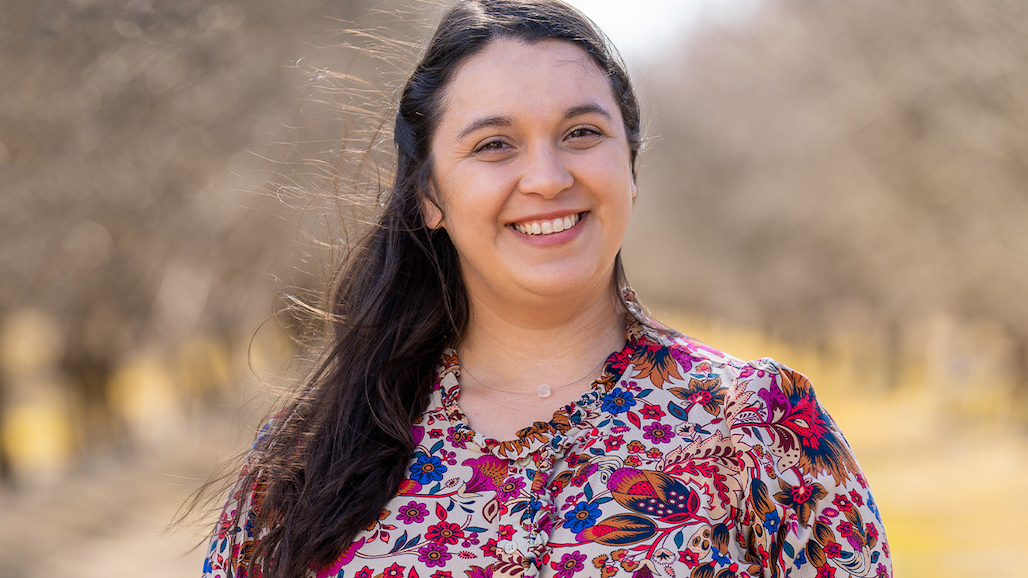
    Elena Hemler will serve as associate director of nutrition research at the Almond Board of California (image courtesy of the Almond Board of California)

    Hemler is based in Boston. She comes to the Almond Board after having worked in healthcare technology and conducting nutrition research at the Harvard School of Public Health. She was attracted to the Almond Board because of its long track record of investing in nutrition research studies in areas such as heart health, weight management, immunity and skin care.

    “I’ve always been very interested in the large body of research on the health benefits of almonds,” Hemler said. “I was familiar with ABC when I worked in academia and was always impressed with ABC’s reputation for funding high-quality research.”

    Hemler grew up in the Boston area. In her spare time, she and her partner Jacob enjoy hiking, biking and camping in the mountains of Vermont and New Hampshire.

    Fann works out of the Almond Board’s Modesto office. Prior to the ABC, she was a graduate research assistant at the University of Kentucky, where she completed her PhD in Entomology. Her research was focused on integrated pest management strategies of the brown marmorated stink bug, Halyomorpha halys, in small acreage and organic vegetable systems.

    One of Fann’s goals at the Almond Board is to help develop effective new tactics that growers can use to expand their sustainable pest management options. She embraces the opportunity to help growers, PCAs and researchers meet the changing needs of the industry.

    “In a similar way that insects are often misunderstood or underappreciated, I want to help growers find the tools that work and change the narrative, highlighting the positive impacts of the almond industry.”

    Fann is a native of the Rio Grande Valley in South Texas. When she’s not at work, she enjoys traveling and hiking, often with her dog Dylan. — By the Almond Board of California

  • Almond Industry Golf Tournament to Benefit California FFA

    Almond Industry Golf Tournament to Benefit California FFA

    Almond Board of California — Almond industry members who enjoy golf are invited to tee it up again this year as part of an effort to support students who intend to pursue careers in agriculture. The Almond Board of California’s Almond Leadership Program (ALP) Class of 2023 will host its fifth annual golf tournament May 4 at Dragonfly Golf Course in Madera.

    Money raised from the event will be donated to the California FFA Foundation and awarded in the form of scholarships to FFA members, a cause hits home with tournament co-chair Darryl Hadlich. “Being an FFA alumni and an American FFA Degree recipient, it means everything to me to be able to help this organization,” he said.

    The cost is $700 per foursome. That includes golf fees and cart as well as breakfast and lunch. There will be prizes for best score in the scramble format, long drive and closest to the pin. Registration and breakfast will begin at 6:30 a.m. with a shotgun start at 8 a.m. There are also sponsorship opportunities ranging from $250 to $2,350 that include a foursome as well as advertising as part of event promotions.

    “This event is important because the students who benefit from the scholarships are important,” said Rebecca Bailey, specialist in industry relations for the Almond Board. “These current ag students are the future leaders of the California ag industry and within their local communities. College is expensive, so being able to support students as they pursue higher education will help to ease financial and stress-related burdens.”

    The goal of the event is to raise $15,000 from the tournament, which is one of two major fundraising efforts organized each year by the members of the Almond Leadership Program. The second is a silent auction conducted during the annual Almond Conference in December.

    “I was once one of those kids wearing that blue corduroy jacket and I fully understand what this money can do to help the organization’s education efforts,” Hadlich added. “It’ll be a great day full of food, sunshine and golf; all while supporting the future of the agriculture industry. What more can you ask for?”

    The leadership program seeks to engage members of the almond community in creating a culture of lifelong leadership development, networking, education and service.

    To see a flyer with information about the tournament, click here. To register, please fill out this entry form. Questions should be sent to event co-chairs Darryl Hadlich at dhadlich@wiseconn.com or Vance Millwee at vance@treehousealmonds.com.

  • Eating Almonds Before Meals May Help People with Prediabetes

    Eating Almonds Before Meals May Help People with Prediabetes

    Two new research studies with almonds, one conducted over three days and the other over three months, demonstrated benefits to blood sugar control for Asian Indians with prediabetes and overweight/obesity – and the three-month almond intervention broke new ground, reversing prediabetes, or glucose intolerance, to normal blood sugar levels in nearly one quarter (23.3%) of the people studied.

    In both studies, 60 people ate 20 g (0.7 oz) of almonds, around a small handful, 30 minutes before breakfast, lunch, and dinner throughout the study durations. Researchers expressed their enthusiasm for these almond studies and the first-of-its-kind statistically significant reduction in measures of prediabetes by calling the reversal of prediabetes through diet “the holy grail of medicine.” Better glucose control over time through dietary strategies like including almonds could help stave off diabetes progression. Nearly 70% of individuals with prediabetes will develop diabetes within their lifetime.Both studies were randomized controlled trials funded by the Almond Board of California. The researchers hypothesized that the almond snack before major meals, known as “preloading,” would reduce glucose and insulin fluctuations after meals and reduce overall hyperglycemia compared to the control diet. The findings complement the breadth of research on different populations on how almonds support healthy blood sugar as part of a balanced diet.

    “Results from our studies indicate almonds might be a key differentiator in helping regulate blood glucose levels as part of a dietary strategy. These results showcase that the simple addition of a small portion of almonds before each meal can quickly and drastically improve glycemic control in Asian Indians in India with prediabetes in just three days. Eating 20 g of almonds 30 minutes before an oral glucose load showed a significant decrease in blood sugar and hormones. Almonds’ nutritional makeup of fiber, monounsaturated fats, zinc, and magnesium work together to help provide better glycemic control and reduce hunger,” said lead author Dr. Anoop Misra, Professor and Chairman, Fortis-C-DOC Centre of Excellence for Diabetes, Metabolic Diseases, and Endocrinology (New Delhi). “Our outcomes provide a promising dietary strategy for reducing prediabetes progression and returning people to normal glucose regulation.”

    His collaborators agree. “In view of the increasing prevalence of diabetes, dietary strategies like consuming almonds 30 minutes before major meals offers a good option to decrease the spike in blood glucose levels after meals,” said Dr. Seema Gulati, head, Nutrition Research Group, National Diabetes, Obesity, and Cholesterol Foundation.

    The longer-term study:

    This three-month longer-term study was with overweight or obese Asian Indian adults who had prediabetes. Participants were randomized into either the almond treatment group or into the control group, and both were provided with diet and exercise counseling as well as home-use glucometers to measure their glucose levels, which were recorded in diaries along with dietary intake and exercise.

    Study measures comprised a variety of anthropometrics: body weight; circumferences of waists, hips, and arms; skinfolds of customary locations of the body; and body fat estimates. Biochemical measures included insulin, blood sugar, hemoglobin A1c, C-peptide, glucagon, proinsulin, high sensitivity C-reactive protein, tumor necrosis factor alpha, and lipids.

    Eating 20 g (0.7 oz) almonds ahead of breakfast, lunch, and dinner, for three months resulted in first-of-its kind statistically significant reductions for the treatment group in body weight, body mass index, waist circumference, skinfold tests for shoulder and hip areas, as well as improved handgrip strength. Similarly, reductions were seen for fasting glucose, postprandial insulin, hemoglobin A1c, proinsulin, total cholesterol, LDL-cholesterol, and very low-density lipoprotein. Importantly, no changes occurred with beneficial HDL-cholesterol, meaning this cardioprotective lipid was maintained despite other observed biochemical alterations.

    These substantial metabolic improvements led to nearly one-fourth (23.3%) of the prediabetes study participants returning to normal blood glucose regulation. These findings are meaningful for global public health given the prevalence of diabetes, the troubling rates of progression from prediabetes to diabetes, and are specifically relevant to Asian Indians in India who are disproportionately impacted because of their greater tendency to progress from prediabetes to diabetes.

    Researchers think the nutrients in almonds may play a role in the observed health benefits from this study. “The natural combination of monounsaturated fatty acids and soluble fiber could be responsible for the positive metabolic outcomes,” Dr. Misra said. “Almonds may slow stomach emptying, which could help people ingest less food and fewer calories to promote weight management, which is important in helping reverse the course of prediabetes back to normal blood sugar regulation.”

    While the results are extremely promising, the researchers noted some limitations, including the relatively small sample size and limited period of intervention. They also noted that the study included Asian Indians who had well-controlled prediabetes, and the researchers cannot extrapolate the same impact of a premeal load of almonds in participants with type 2 diabetes. Including participants with poorly controlled metabolic states as well as those with diabetes could be useful.

    The short-term study:  

    • Part 1: One Day Oral Glucose Tolerance Testing (OGTT): Participants were first divided into two groups of 30. The first group consumed a 20 g (0.7 oz) portion of almonds. The second group received no almonds and both groups were given an OGTT.
    • Part 2: Three-Day Blood Glucose Monitoring: Using a continuous glucose monitoring system (CGMS), researchers compared the glycemic effects of preloading three meals a day (breakfast, lunch, dinner) with 20 g (0.7 oz) of almonds for three consecutive days in 60 participants, with the participants who received no preloading of almonds.

    Upon conclusion of the short-term study, researchers found that indicators for hyperglycemia, such as blood glucose, serum insulin, glucagon, and C-peptide (only OGTT results) were lower for the almond group versus the control group. There was an 18.05% decrease in PPBG levels, indicating improved regulation of glycemic responses among the almond consumers.

    Results from the continual glucose monitoring system showed statistically significant improvement in glucose variability over the first 24 hours in the almond group, indicating appropriate glucose control. Specifically, PPHG levels were lowered by 10.07% in the almond group compared to control. Additionally, treatment with premeal almond loading significantly improved several indicators that reflect daily glycemic control compared to the control group: lower mean 24-hour blood glucose concentration, less time spent above an elevated blood glucose level of 140 mg/dL, lower peak 24-hour glucose levels, decreased post-prandial blood glucose levels, lower minimum glucose levels at night, and lower overall hyperglycemia.

    Limitations of the short-term study include a limited period of intervention with a smaller sample size comprising people with prediabetes. Also, nutritional intervention studies can trigger behavioral changes in both groups as the participants are made aware of their risk during the recruitment process and were given dietary instruction prior to the study. Further research is needed to investigate the effects of almond preloading consumption on the same measures in different ethnicities and in individuals with diabetes and normal body weights to be able to provide broader recommendations.

    In summary, with both studies, Dr. Misra and colleagues found that study participants who ate 20g (0.7oz) of almonds 30 minutes before a meal showed significant improvements in glycemic control compared to not eating almonds before meals over three months. Almonds can be part of a nutritious dietary solution offering good potential for the reversal of prediabetes to normal glucose regulation in some Asian Indians and therefore potentially prevent or delay the development of diabetes in people with prediabetes.

    A one-ounce (28 g) serving of almonds provides 4 g (14% DV) fiber and 15 essential nutrients, including: 77 mg (20% DV) magnesium, 210 mg (4% DV) potassium, and 7.27 mg (50% DV) vitamin E, making them a perfect nutrient-rich snack for those with impaired glucose tolerance or type 2 diabetes.  — Article by the Almond Board of California

  • Almond Board Launches New Website to Help Growers Coordinate NOW Mating Disruption Efforts

    Almond Board Launches New Website to Help Growers Coordinate NOW Mating Disruption Efforts

    In effort to improve area-wide management of navel orangeworm, the number one pest of the California tree nut industry, the Almond Board of California has launched a new website to help growers and PCAs coordinate/collaborate on mating disruption efforts. Funded by a grant from the California DPR, the Almond Board has created this new online tool with support from Land IQ, Blue Diamond Growers, and the UC Cooperative Extension.  Watch this video interview with Jesse Roseman and read more about it in Pacific Nut Producer Magazine.

    Please thank this video’s sponsor Suterra for their industry support.

  • Applying Herbicides Safely to Keep Residue Off of Harvested Almonds

    Applying Herbicides Safely to Keep Residue Off of Harvested Almonds

    While there has been research and work underway to move the almond industry to off-ground harvesting such as is done in pistachios, harvested almonds currently spend just enough time in the dust of orchard floors that they can pick up trace residues of herbicides.  Watch this brief interview with UC Cooperative Extension Weed Specialist Brad Hanson as he shares how growers can mitigate this risk with more effective weed management planning and timing of herbicide sprays.

    Please thank this video’s sponsor Suterra for their industry support.