Category: Featured Post

  • Bob Schramm Retires, APG Selects New Federal Advocacy Firm

    Bob Schramm Retires, APG Selects New Federal Advocacy Firm

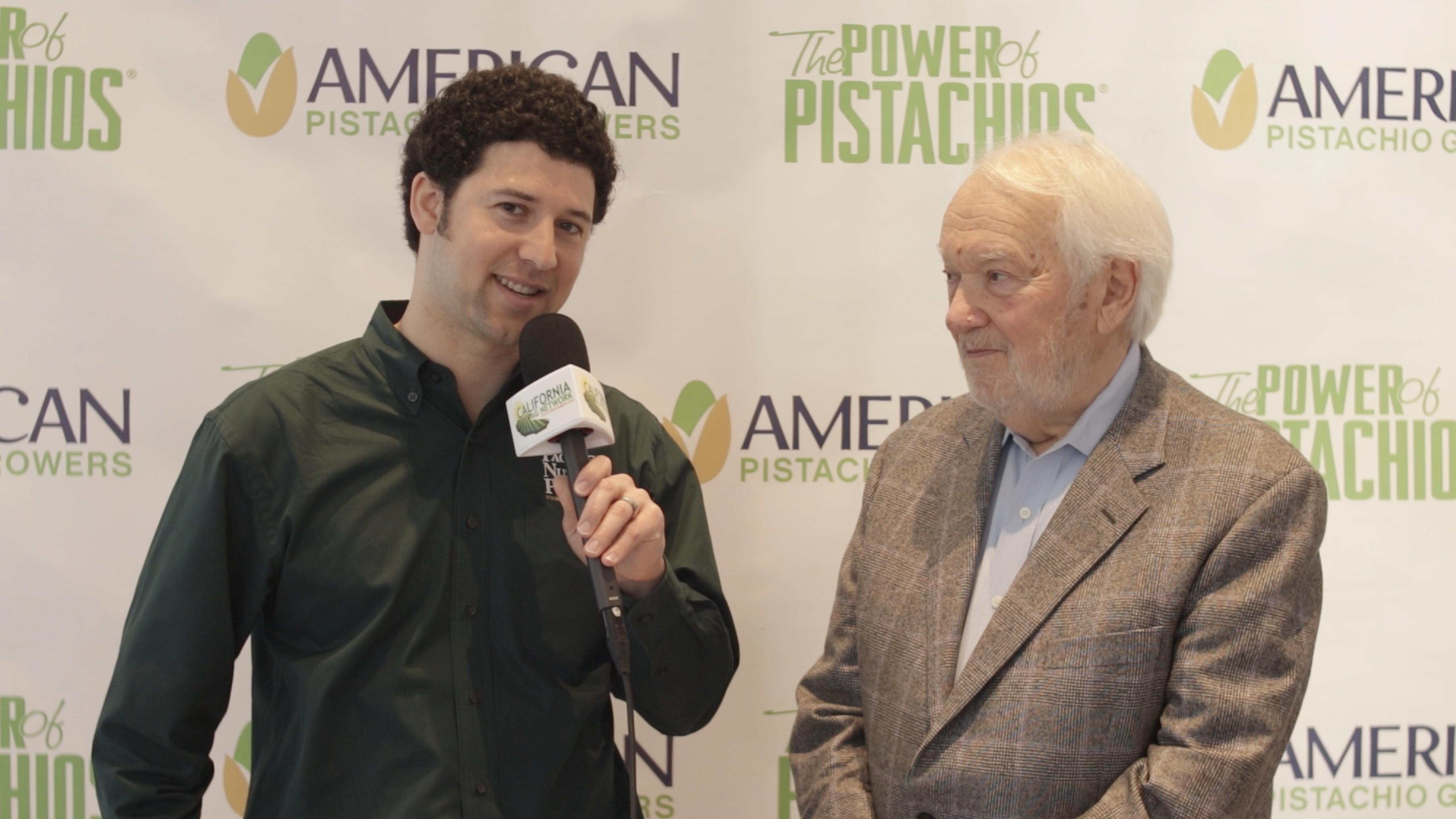
    Back at the annual American Pistachio Growers (APG) Conference, longtime federal advocate for the association — Bob Schramm was paid special tribute for his dedicated service to the U.S. pistachio industry.  Schramm is now transitioning into retirement, and he has worked with APG in selecting a new firm to take his place in representing and protecting the interests of the pistachio industry at the federal level. Watch this video to learn more, and be sure to keep up with the activities of APG in Pacific Nut Producer Magazine.

    Please thank this video’s sponsor Thunder Creek Equipment for their industry support.

  • World Boxing Champion Jose Ramirez to be Featured at American Pistachio Growers Luncheon

    World Boxing Champion Jose Ramirez to be Featured at American Pistachio Growers Luncheon

    American Pistachio Growers (APG) Annual Membership luncheon is coming up on Friday, July 28th at the Visalia Convention Center.  In addition to pistachio crop and marketing updates, APG is excited to have world boxing champion and Central Valley native Jose Ramirez joining the growers for the program.  Watch this video featuring Wes Wilson from APG to learn more, and register to attend HERE.  Pacific Nut Producer Magazine is proud to partner with APG for this special event, so be sure to see us there.

    Please thank this video’s sponsor Thunder Creek Equipment for their industry support.

  • USDA Final Forecast Projects Slightly Larger 2023 Almond Crop

    USDA Final Forecast Projects Slightly Larger 2023 Almond Crop

    The 2023 California Almond Objective Measurement Report published Wednesday by the U.S. Department of Agriculture’s National Agricultural Statistics Service (USDA-NASS) estimates that the crop harvested in 2023 will come in at 2.6 billion meat pounds, 1% percent above last year’s 2.57 billion pounds.

    The estimate is up 4 percent from USDA-NASS’s Subjective Forecast in May and comes after one of the wettest winters on record, limited bee flights because of rain and wind, and a cool spring. USDA’s Forecasted yield is 1,880 pounds per acre, down 20 pounds from 2022 and the lowest since 2009.

    The slight increase comes partly because of larger nut size and despite difficult conditions, USDA-NASS said. “Record level rainfall and unprecedented stormy conditions hindered bee pollination activity in orchards across the state. Cooler than normal temperatures continued through early summer and delayed the maturity of the crop,” the report said.

    “Almond farmers have faced a series of challenges in recent years, and this wet, cool winter and spring created different obstacles after three years of drought. Yet the forecast for a larger crop shows the resiliency of California almond orchards,” said Richard Waycott, president and CEO of the Almond Board of California (ABC). “Almond farmers have worked hard while dealing with higher production and financing costs and a bloom with highly compromised bee flight hours. They are very thankful, however, for the abundant rain and snow which vastly improved the water situation, at least for now, and for shipping logistics that continue to improve. The perseverance of California’s almond farmers is admirable as is their commitment to meet future growth in global demand with high quality California almonds.”

    The forecast for the average nut set per tree is 3,953, 3 percent down from 2022. The Nonpareil average nut set of 4,004 is 1 percent more than last year. The average kernel weight for all varieties sampled was 1.67 grams, up 14% percent from the 2022 average weight. The Nonpareil average kernel weight was 1.69 grams, up 9 percent over from last year.

    The 2023 Objective Report is based on actual almond counts using a statistically rigorous methodology. The survey was conducted from May 26 to July 3 and 1,824 trees were sampled in 912 orchards, 32 more orchards than in 2022. USDA-NASS conducts the annual Subjective Forecast, Objective Report and Acreage Report to provide the California almond industry with the data needed to make informed business decisions. — By the Almond Board of California

  • California Grower Concerns for Bees & Monarchs being Listed as Endangered Species

    California Grower Concerns for Bees & Monarchs being Listed as Endangered Species

    Native California bees and monarch butterflies may soon be listed as endangered species.  While California farmers, and almond growers in particular, want to take care of and protect these important pollinators, listing them as endangered could prove problematic for farming as we know it. Watch this interview with Josette Lewis from the Almond Board of California as she explains.
    Please thank this video’s sponsor Thunder Creek Equipment for their industry support.

  • Meal Period Violations, Farm Employers Beware

    Meal Period Violations, Farm Employers Beware

    Meal break violations are an open door for Class Action & PAGA lawsuits that farmers have been getting impacted by, according to longtime ag labor and employment attorney Ron Barsamian.  Watch this video interview with Ron as he shares what farm employers can do to maintain better records and avoid the costly losses involved in such litigation.

    Please thank this video’s sponsor Ranch Systems for their industry support.

  • California Almond Shipments Make Record Comeback

    California Almond Shipments Make Record Comeback

    Following record production years, pandemic and logistical issues slowed California almond shipments considerably, creating record carryover inventory and pricing issues for the industry.  Coming off a shorter crop year in 2022 and what appears to be another short crop in 2023, almond growers are hoping to see prices moving up again.  Watch this brief interview with Almond Board of California President Richard Waycott as he shares details of some record almond shipping months this year that is moving the industry back on track to greater prosperity.
  • California Walnut Grower Fallows Land for Water Recharge Purposes

    California Walnut Grower Fallows Land for Water Recharge Purposes

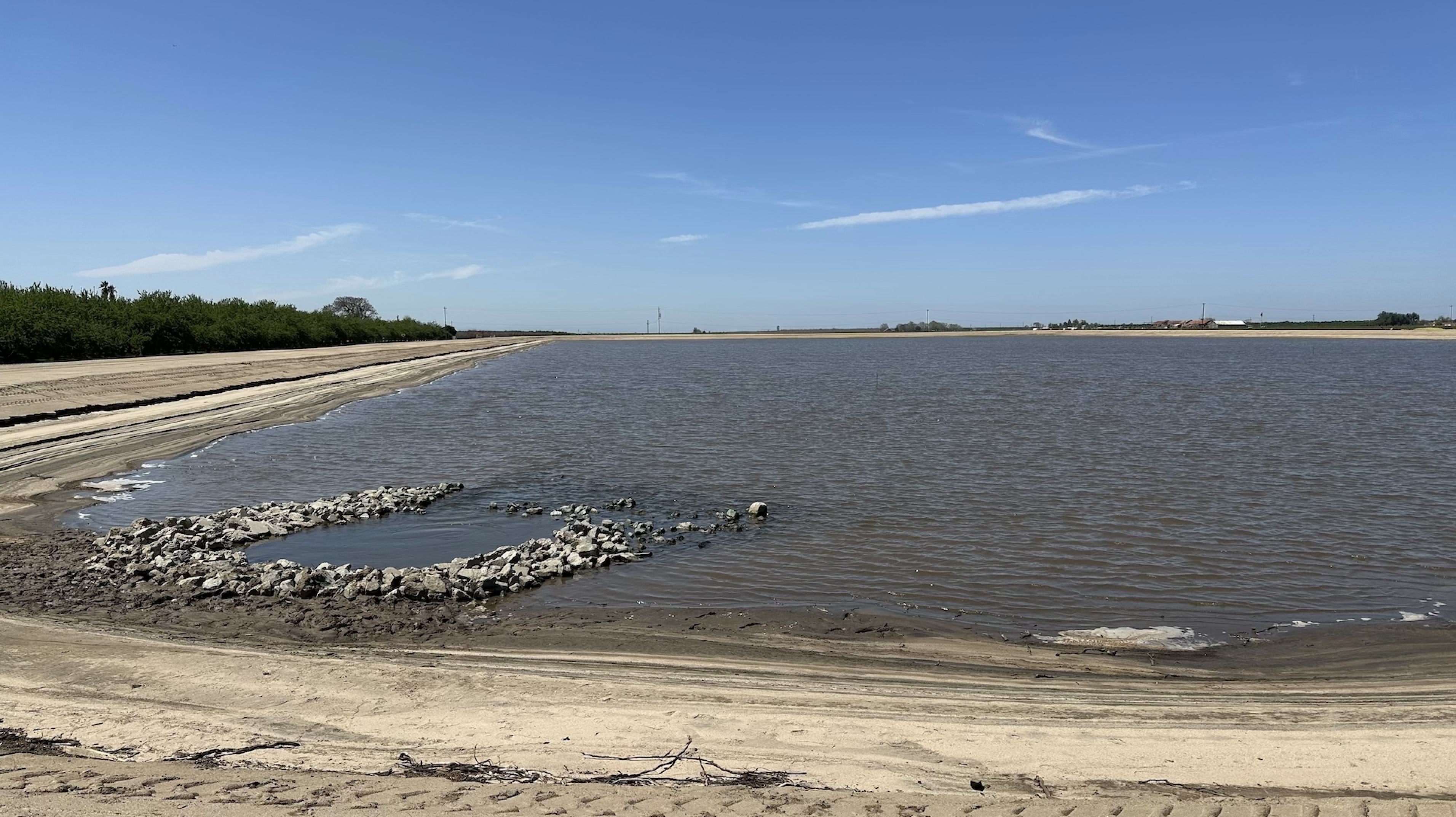
    Watch this brief video with Chowchilla walnut grower Mark Hutson who chose to fallow some of his land for groundwater recharge purposes last year, not knowing that he’d be able to put it to use so soon with the tremendous storm systems that came through this past winter and spring.  Learn about his experience in utilizing NRCS grant funding to prepare his land for recharge, and consider whether some form of groundwater recharge will work on your farm in the near future.

  • How This Farmer Returned 158 Acre-ft of Stormwater to the Soil in 10 Days

    How This Farmer Returned 158 Acre-ft of Stormwater to the Soil in 10 Days

    California has been blessed with a tremendous amount of snow and rainfall this spring.  Coming after many dry years that have reduced our groundwater supply, farmers want to do all they can in this brief time of plenty to not only irrigate their drought-stressed trees and vines, but also recharge the groundwater supply beneath their fields.  But how quickly can a farmer prepare his/her land to take on some of this snowmelt for groundwater recharge purposes and what will it require?  Watch this video featuring Madera grape and nut grower Jennifer Peters, who in a very short time was able to install an on-farm groundwater recharge basin and capture much of this stormwater.

    Please thank this video’s sponsor Ranch Systems for their industry support.

  • Central Valley Farmer Shares New Experience with On-Farm Groundwater Recharge

    Central Valley Farmer Shares New Experience with On-Farm Groundwater Recharge

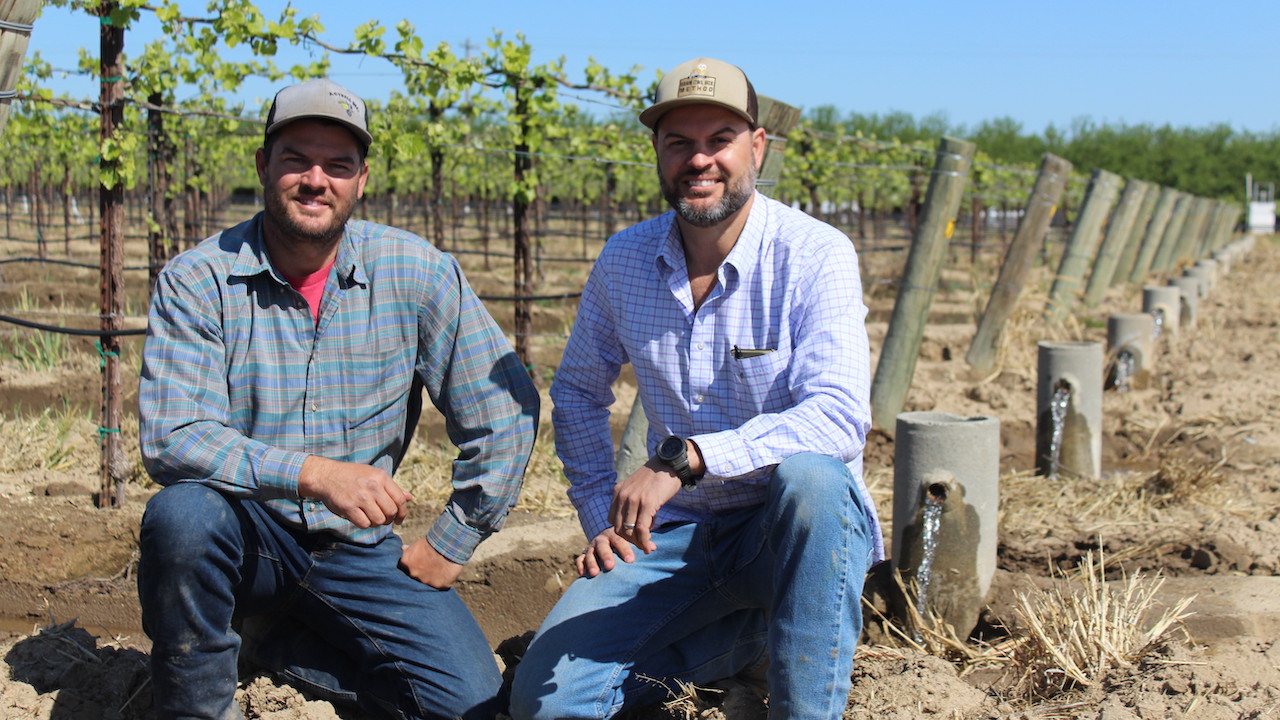
    While growers still have many questions and concerns as to how flooding their vineyards and orchards for groundwater recharge purposes may impact their day-to-day farming operations and eventual crop yields, Madera almond & wine grape grower Nick Davis is more concerned with making the most of the recent rainfall and snowmelt to recharge their much needed soil profiles following extended drought conditions.

    Please thank this video’s sponsor Ranch Systems for their industry support.

  • Madera Irrigation District Leads the Charge on Groundwater Recharge

    Madera Irrigation District Leads the Charge on Groundwater Recharge

    While farmers are accustomed to paying for the water they use, growers in Madera Irrigation District have recently been getting their water for free for groundwater recharge purposes.  While the snow melts and water is aplenty, growers are working quickly to set their farms up to be able to spread some of this water across their fields, in a ditch, or a basin to replenish their groundwater supply.  This not only serves to benefit the farmer, but the entire community as well.  Watch this video with Thomas Greci, General Manager of the Madera Irrigation District as he explains.

    Please thank this video’s sponsor Ranch Systems for their industry support.